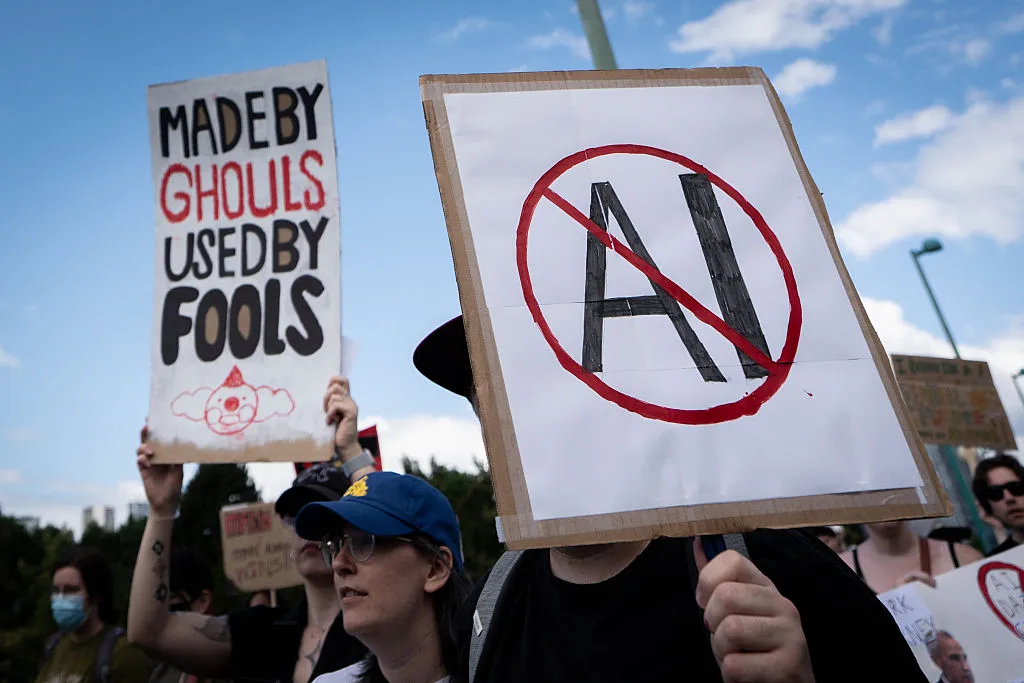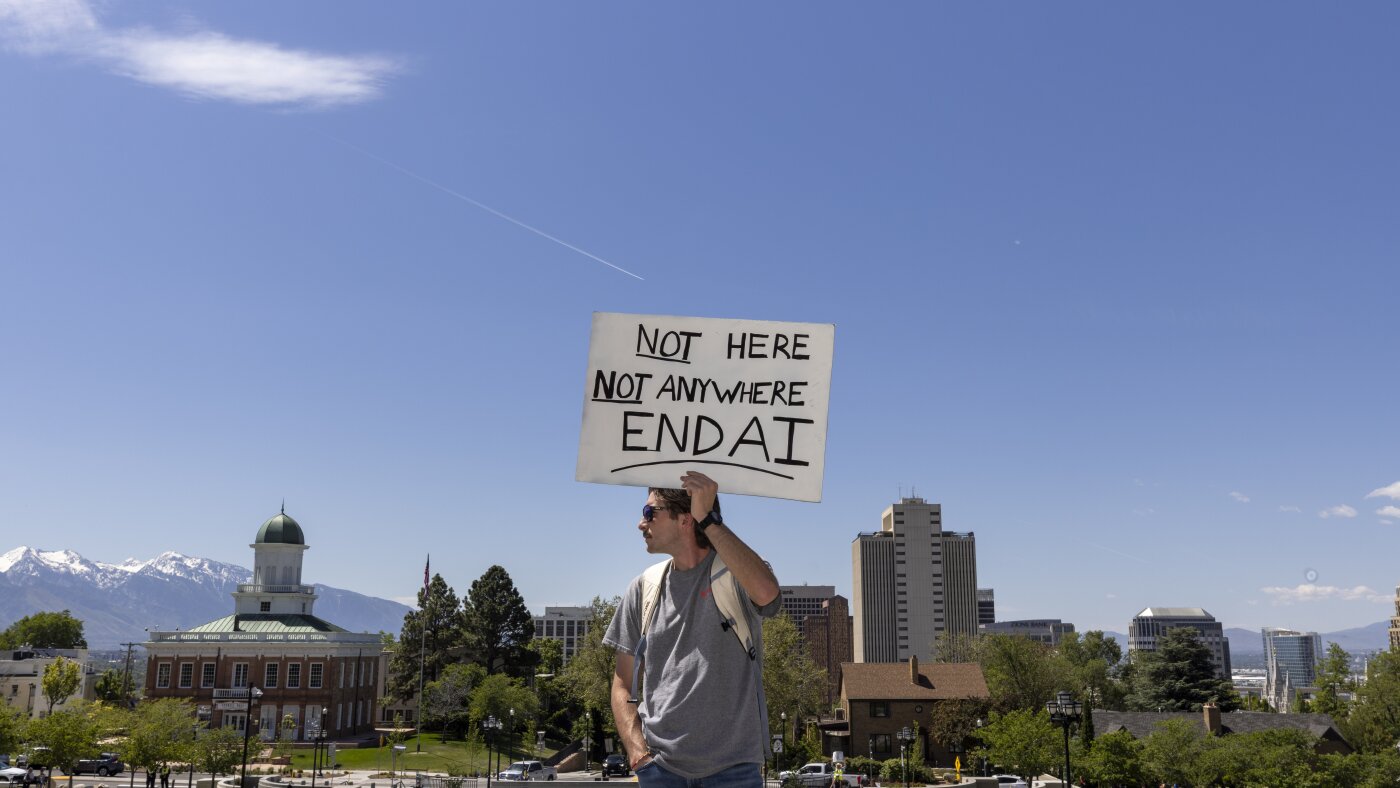
Anxiety about AI is real, and it feels like it’s everywhere. Proclamations of AI-driven job losses and grassroots movements opposing data center construction make AI fears sound as if they’re universal, but there is a geography underlying the backlash against AI.
With midterm elections five months away and AI policy promising to be a political flashpoint, that map could come in handy for Democratic candidates—either as an asset, or as warning of their vulnerabilities.
AI anxiety has escalated to a national conversation, but actual exposure to the technology remains relatively confined to specific cities and states. Workers whose roles are most exposed to AI are disproportionately clustered in Democratic-leaning jurisdictions, according to an analysis by the Brookings Institution published Wednesday. For a party still struggling to revitalize itself after widespread electoral losses in 2024, AI fears could emerge a make-or-break factor this November.
In 2024, 62 of the 100 most AI-exposed counties voted Democrat, according to Brookings, which defined counties as AI-exposed if larger shares of their workforces performed roles that could be handled by AI. Those places include traditional blue strongholds like Manhattan, the Bay Area, and Seattle’s King County, though several swing states—all of which were won by President Donald Trump in 2024—also reflect high degrees of AI exposure, including Arizona and Georgia.