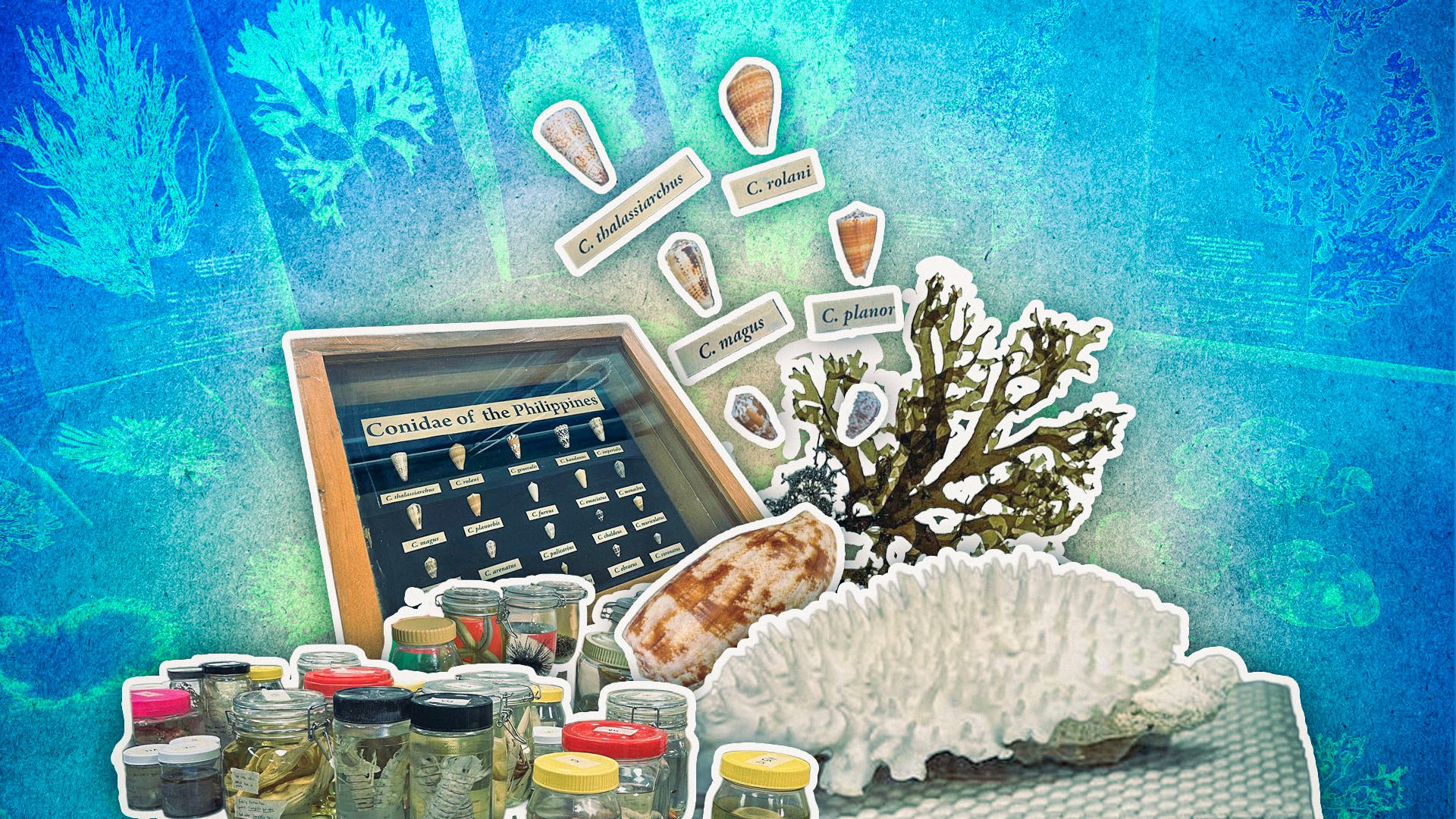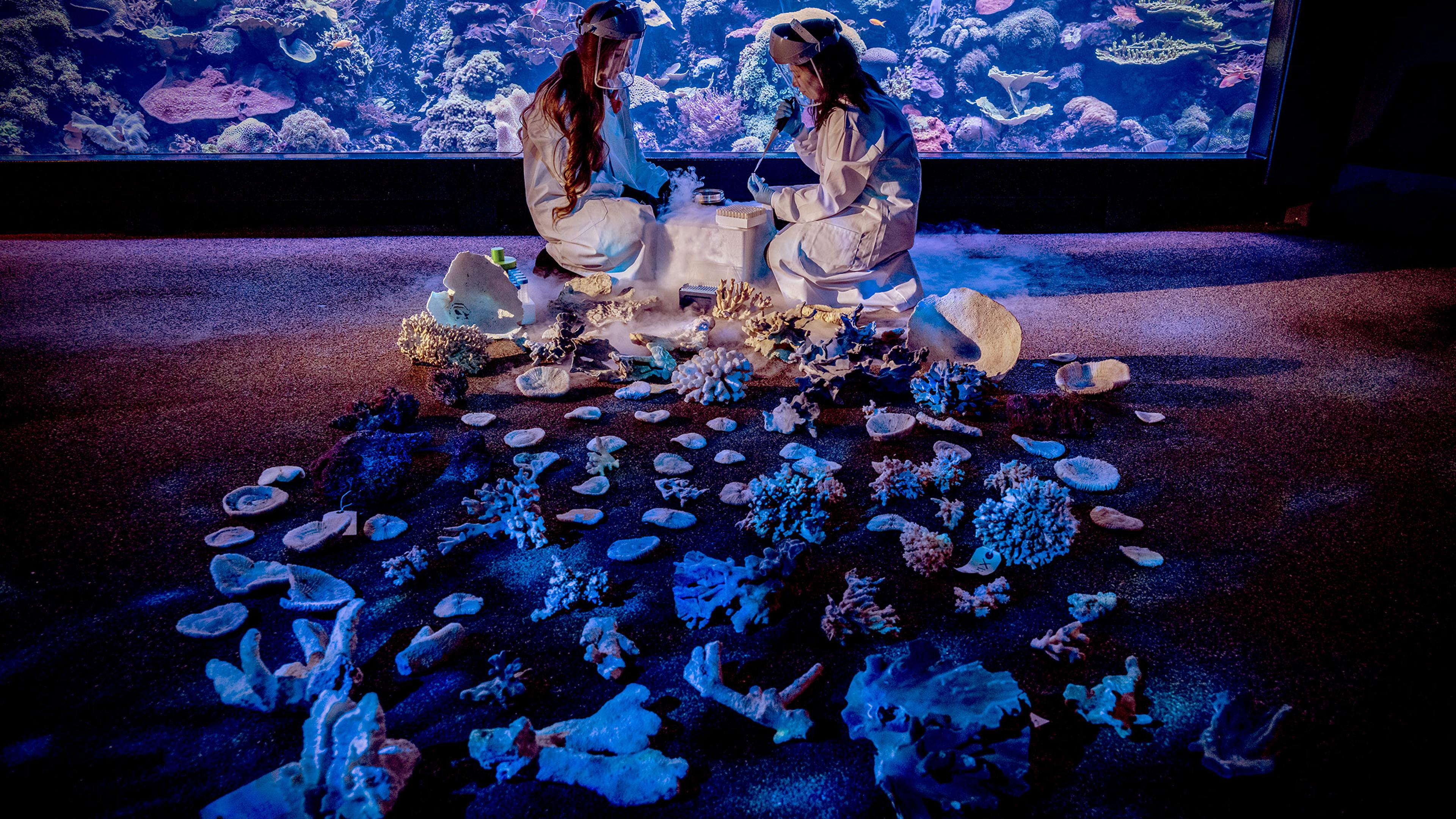
In labs around the world, the ocean is being kept in jars. Some of it is alive, bubbling in flasks, while some lies frozen in liquid nitrogen. These marine biobanks are collections of coral cells, algae, bacteria and other living materials that scientists are working to preserve before warming seas and disappearing habitats consume them.
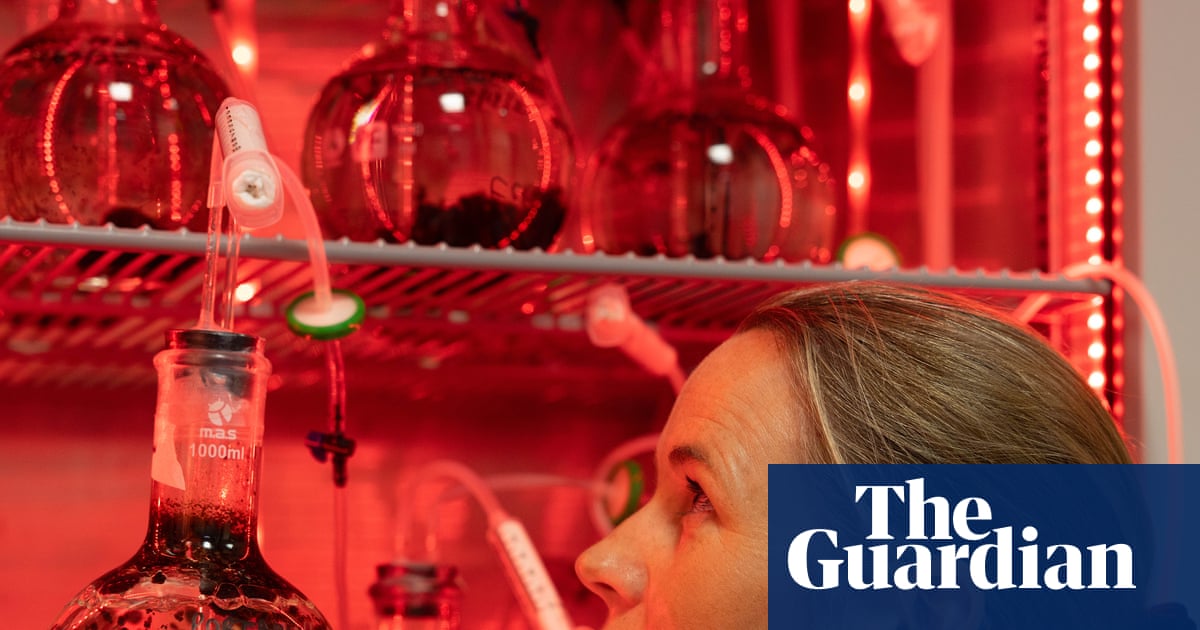
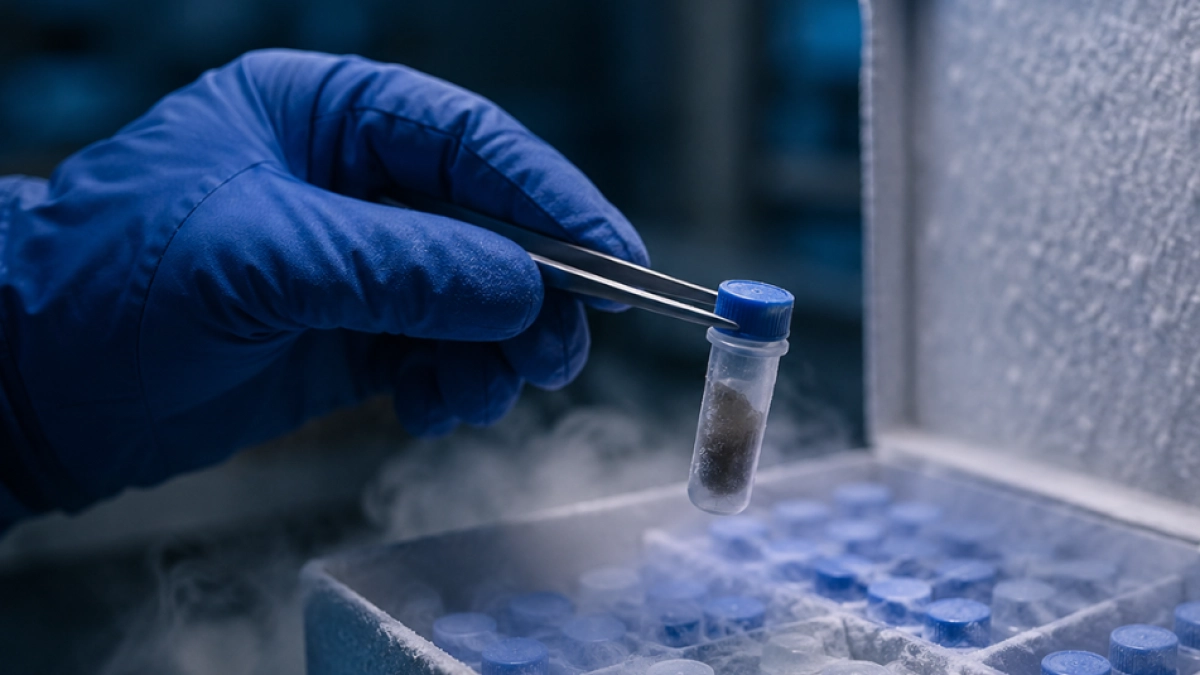
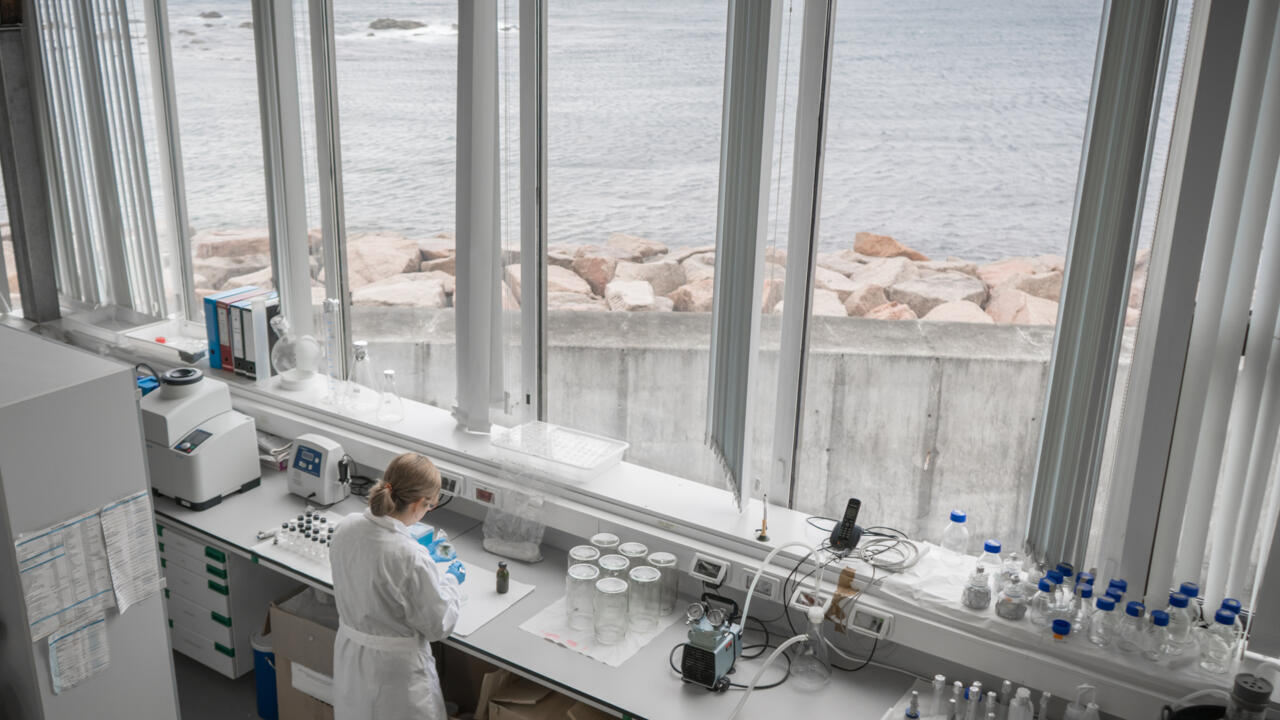
These aren't just collections for the future, but records of the present. Part archive and part insurance policy, biobanks are emerging as a front line of marine science, as climate change reshapes the life of the ocean faster than researchers can study it. They also raise questions that go far beyond biology. What does it mean to preserve life in artificial environments? Who controls it once it is frozen and stored, then potentially turned into medicines or commercial products? And can an entire ecosystem ever really be kept alive in a freezer? “We are probably losing without knowing what we’re losing,” said Nicolas Pade, who runs the European Marine Biological Resource Centre – a network of marine laboratories and research stations stretching from Greece to Norway. Scientists have been collecting from the natural world for centuries – from the cabinets of curiosities of early collectors to today's cryogenic freezers. But what was once about discovery is now increasingly about survival. Pade describes laboratories filled with flasks of bubbling cultures, where tubes pump oxygen through the seawater and metal tanks of liquid nitrogen hold frozen material at temperatures cold enough to almost halt biological activity. "It looks very much like a laboratory you would expect, except you get all these different coloured liquids that kind of almost looks like a smoothie bar," he told RFI. Built to live for centuries, Greenland sharks are charting uncertain waters Frozen libraries The organisms growing inside laboratory bottles are alive, reproducing and, as Pade says, "constantly evolving". Over time they gradually become different from the organisms first collected in the wild. Cryopreservation, on the other hand, Pade explained, is a way to "stop time" – preserving a specimen as it was when it left the ocean. If the life in a bottle keeps changing, researchers can no longer be certain they are studying the same organism they collected years earlier. These collections may also hold clues to future medicines, cosmetics, manufacturing technologies and even alternatives to chemical fertilisers. Some are strange enough to seem almost alien. Diatoms – microscopic algae that build intricate shells resembling glass – are extraordinarily light yet remarkably strong, inspiring research into new engineering materials.