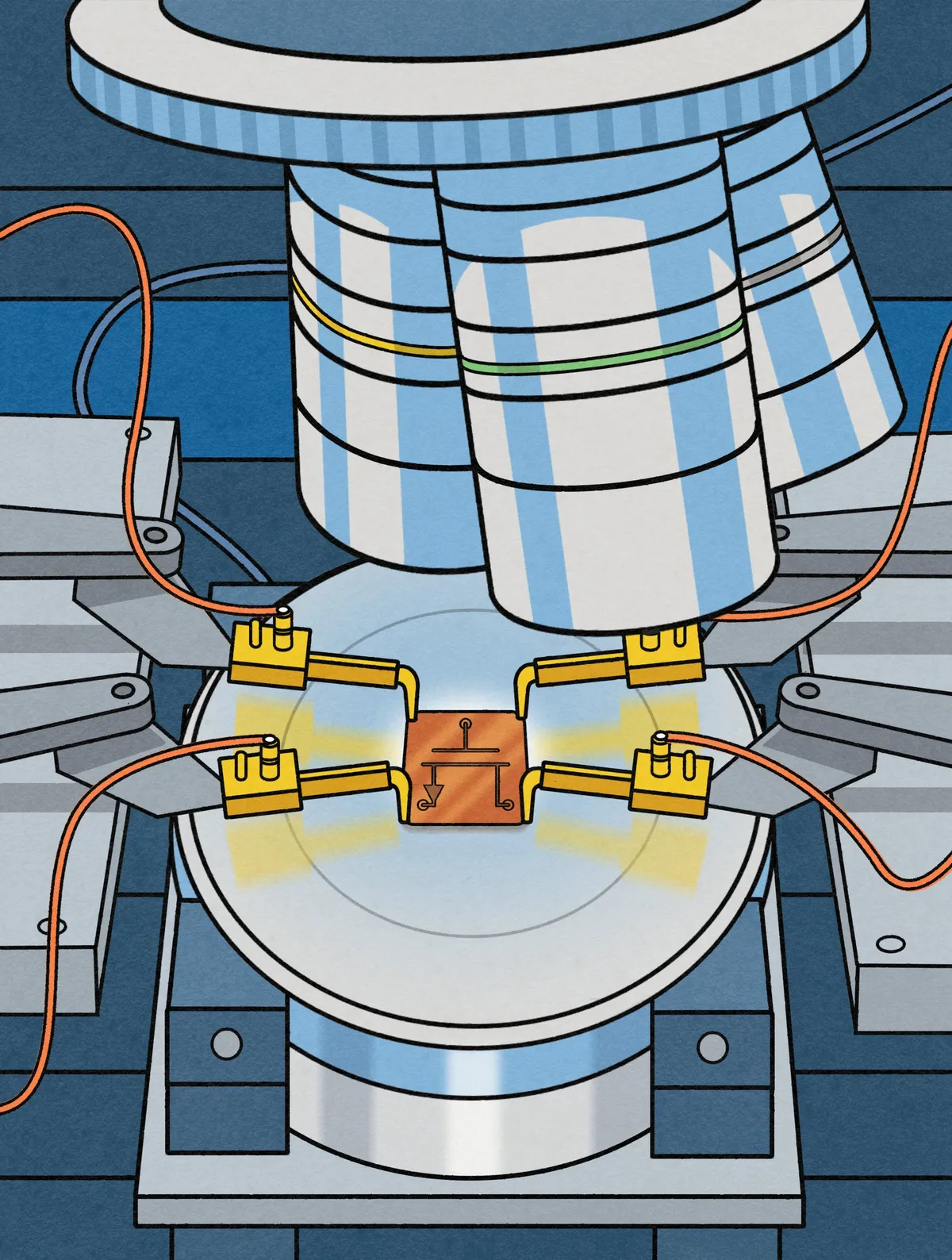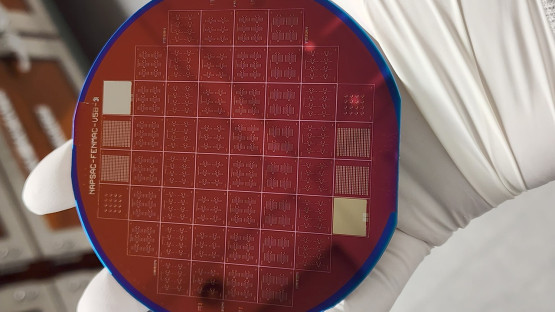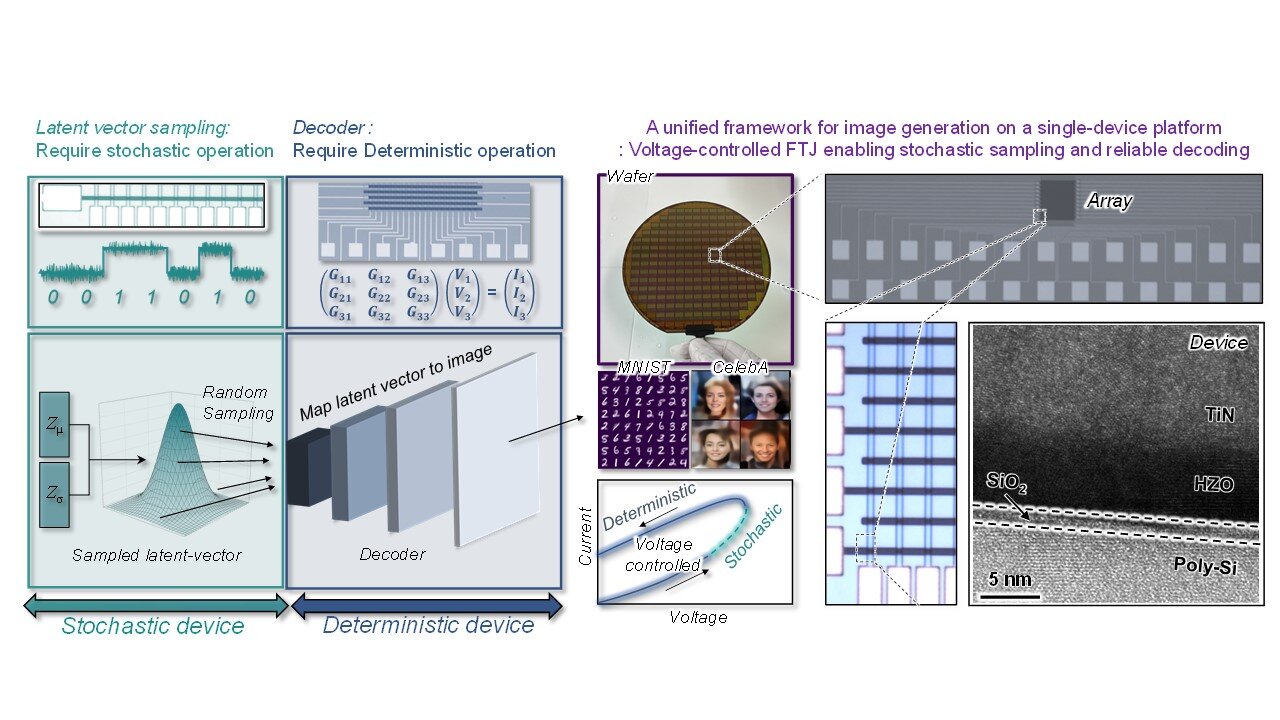
Overview of the ferroelectric memory-based hardware VAE system proposed by Professor Jong-Ho Lee's team at SNU The ferroelectric memory array performs both probabilistic latent variable sampling using RTN and deterministic decoding based on VMM. Credit: Nature Communications (2026). DOI: 10.1038/s41467-026-72969-6
For the first time, a research team has demonstrated an artificial intelligence semiconductor technology that integrates the core functions of generative AI into a single device platform based on ferroelectric memory. This technology is significant as the first demonstration of implementing the two essential functions required for generative AI—random sampling and stable computation—within a single memory array.
The work is published in the journal Nature Communications. It was led by Professor Jong-Ho Lee of the Department of Electrical and Computer Engineering at Seoul National University College of Engineering.
The research team leveraged the properties of ferroelectric memory, which exhibits different electrical states depending on the applied voltage, to successfully implement both probabilistic sampling using random telegraph noise (RTN) and deterministic computation based on its ability to retain multiple electrical states even when power is turned off—all within a single platform.