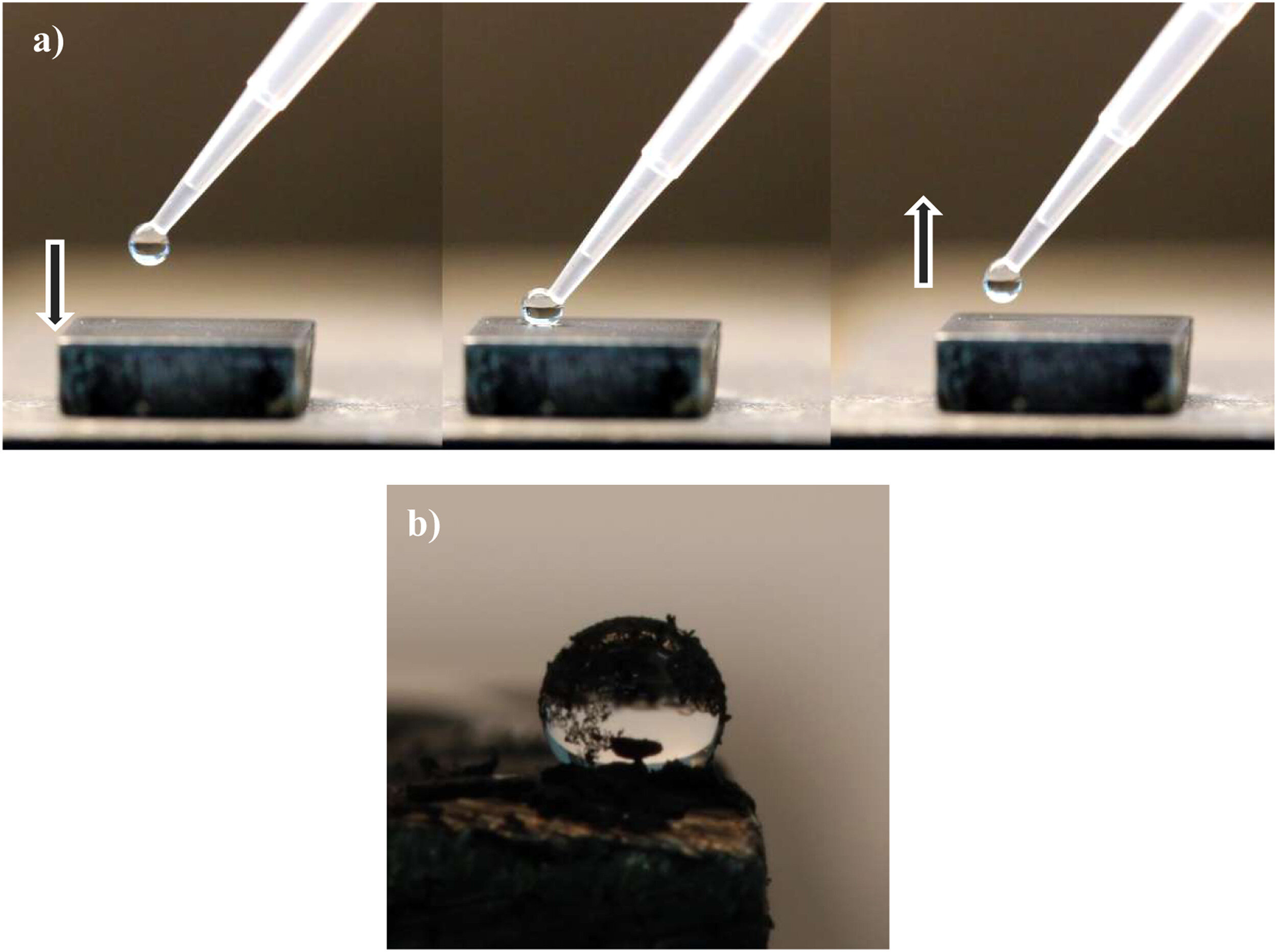
a) Attempt to deposit a water droplet over a stainless steel surface with graphene transferred through the 3ST method b) Water droplet over a stainless steel surface with graphene transferred through the DT method. Credit: Surfaces and Interfaces (2026). DOI: 10.1016/j.surfin.2026.108904
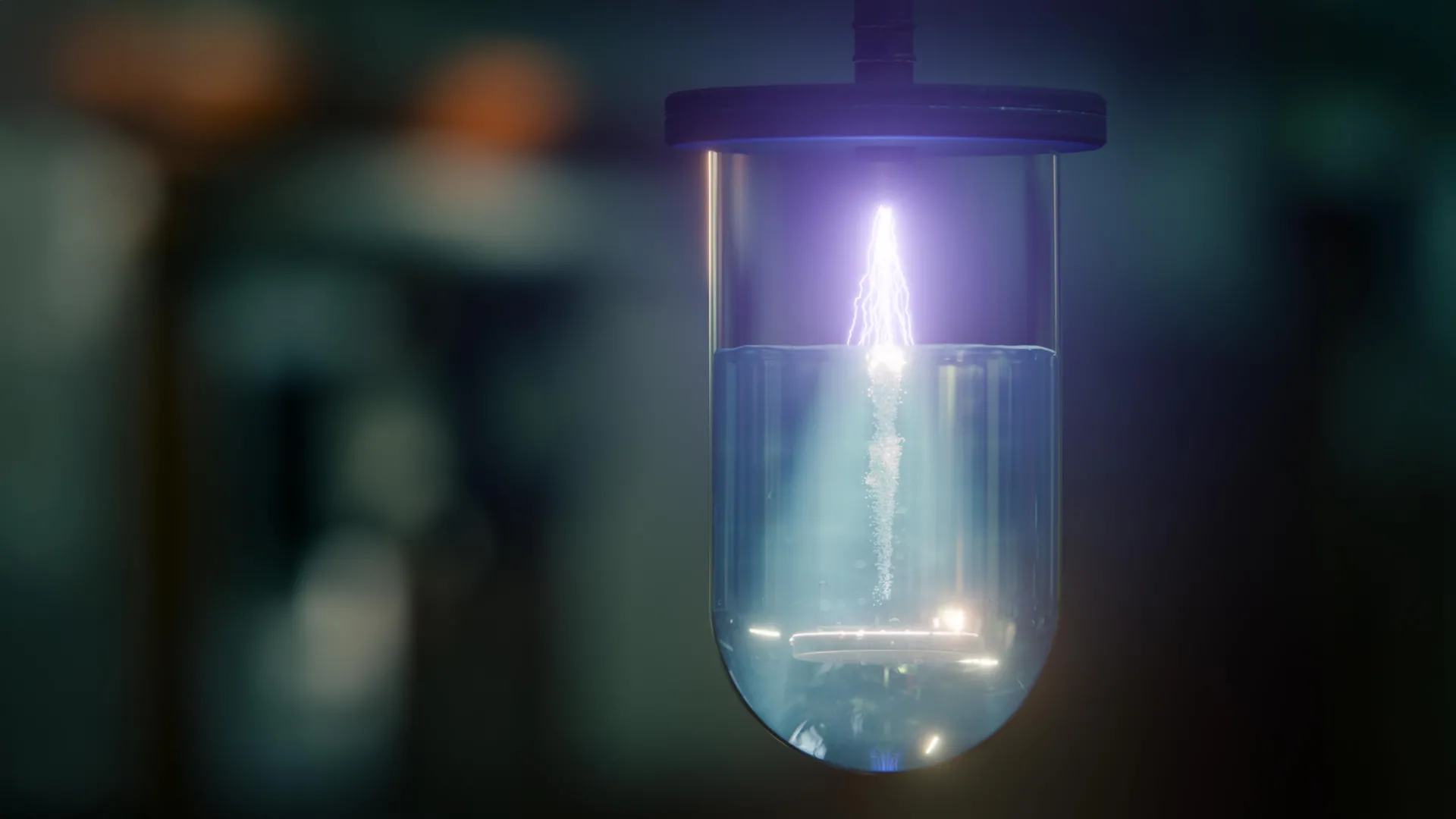
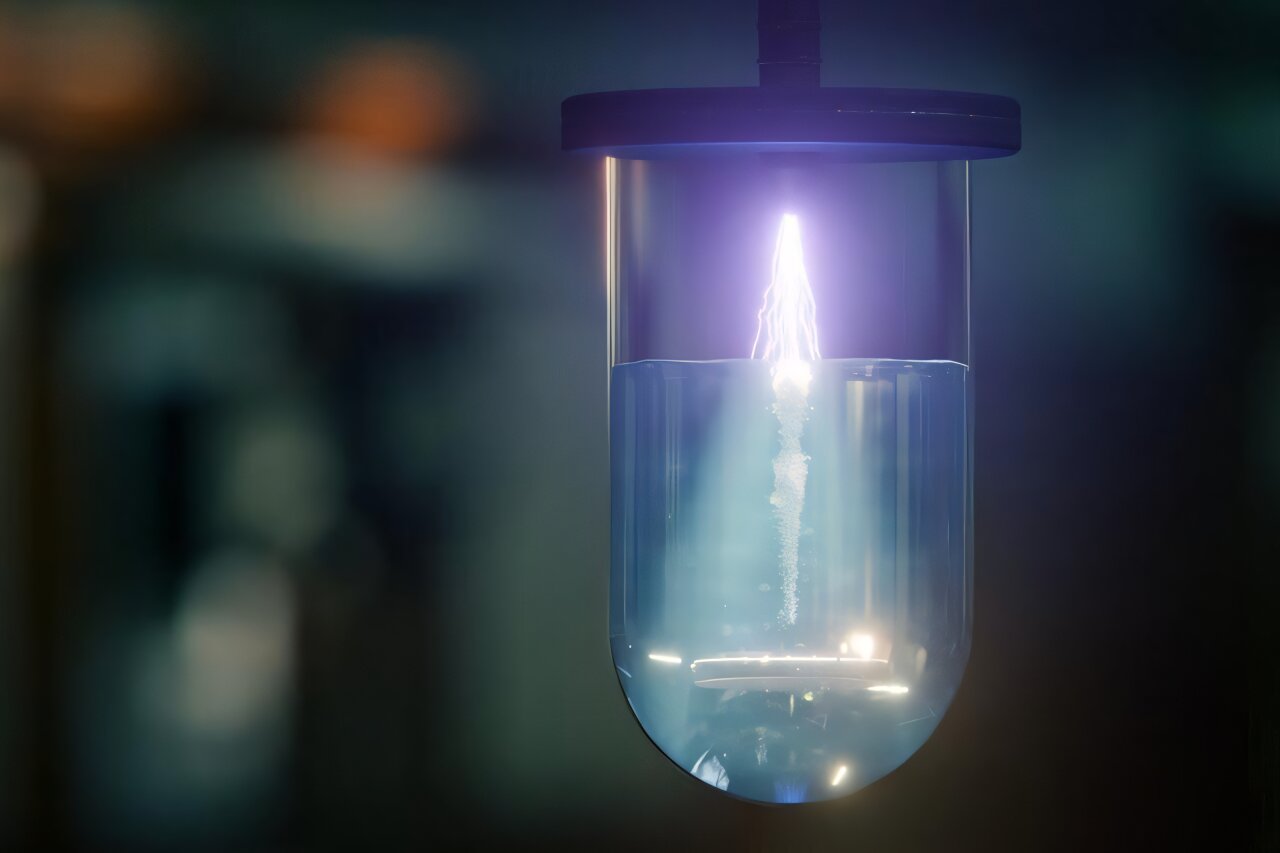
Plasma is an ionized gas, often referred to as the fourth state of matter. Plasmas, which are created artificially by applying energy to a gas, are found in the fluorescent tubes that illuminate kitchens. However, they have many other possible applications, such as the production of graphene.
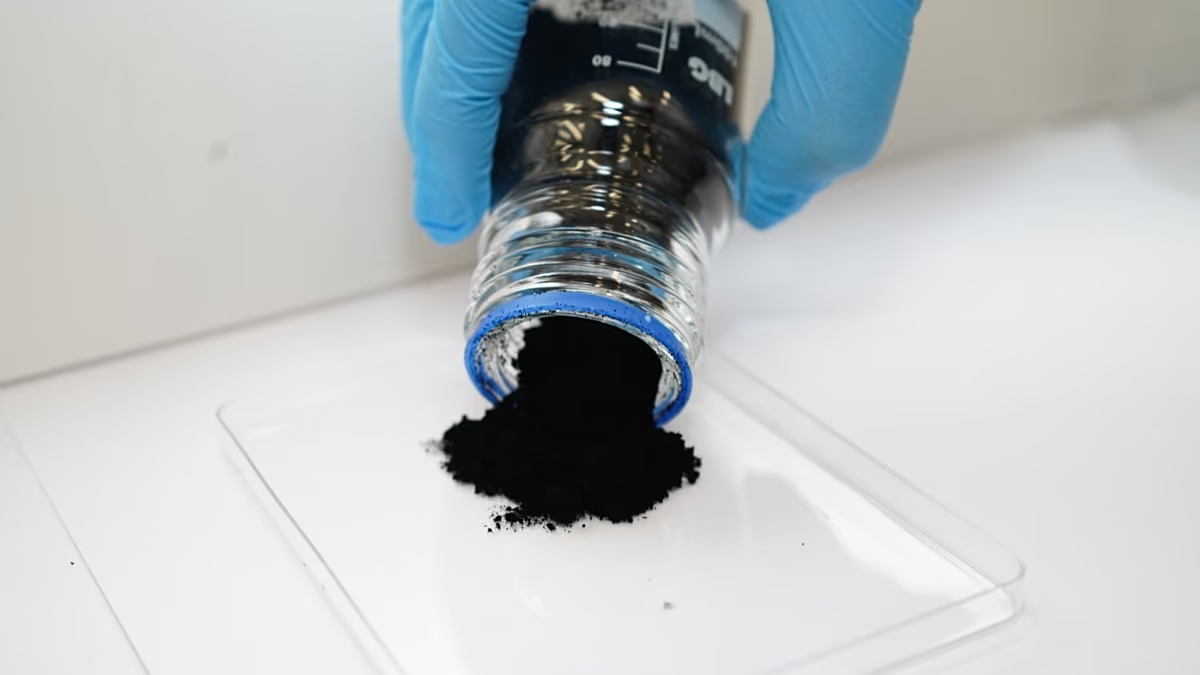
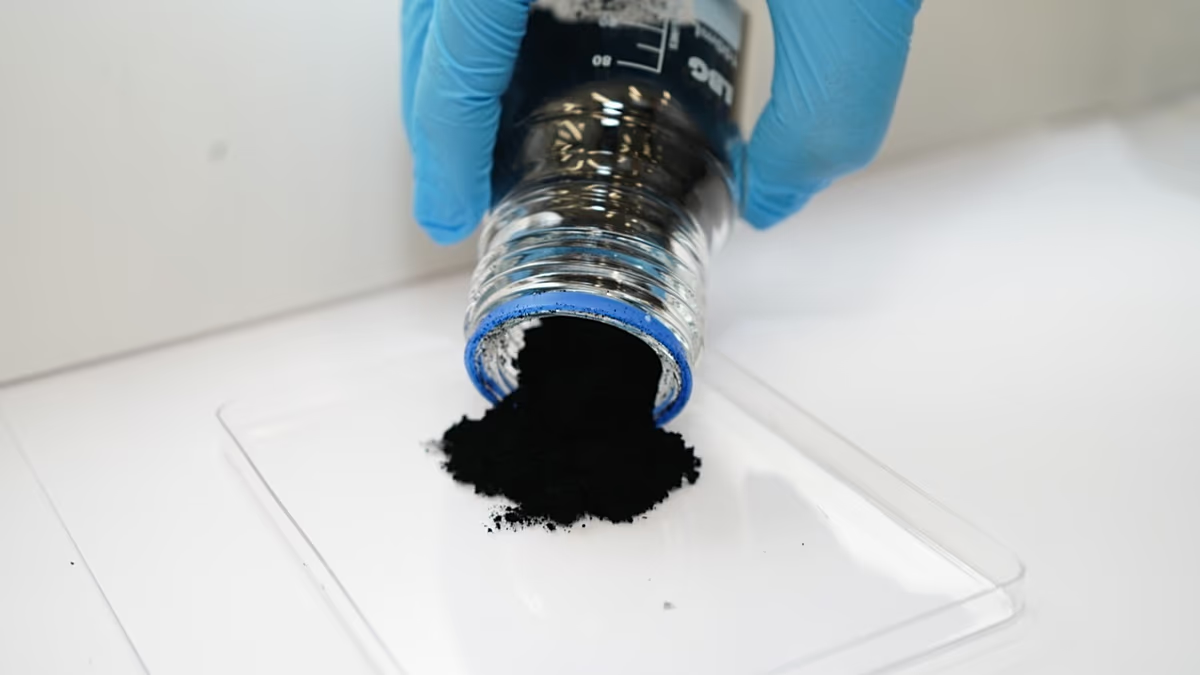
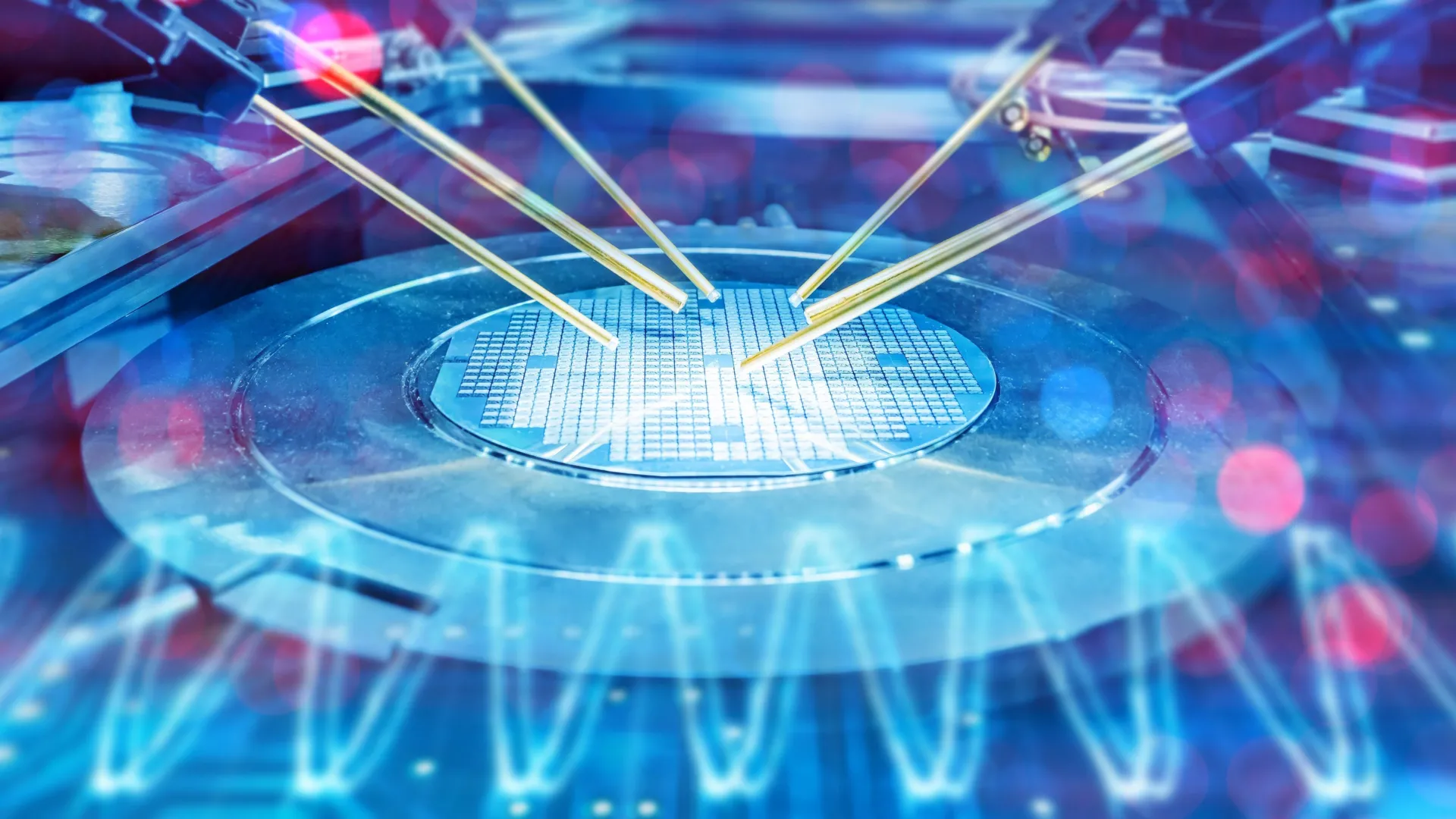
The Plasma Innovation Laboratory (LIPs) at the University of Córdoba has already made progress in using plasma to produce graphene, the revolutionary material that earned its discoverers the Nobel Prize. Recently, a new technological design boosted graphene production by more than 22%. Continuing along this line of research, the team is now proposing two methods for applying graphene—also highly anticorrosive—to metal surfaces using microwave plasmas at atmospheric pressure, with the aim of not altering the properties of the metals.
The research is published in the journal Surfaces and Interfaces.
Attempt to deposit a water droplet on a stainless-steel surface with graphene transferred via the 3ST method. Credit: Surfaces and Interfaces (2026). DOI: 10.1016/j.surfin.2026.108904