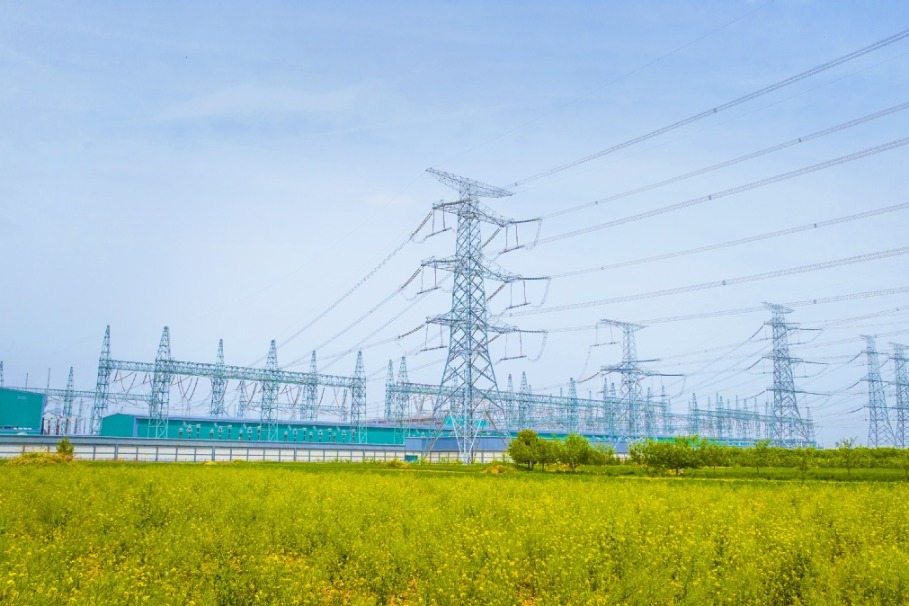
China's energy system will become significantly more secure, resilient, and structurally optimized over the next five years, driven by over 20 trillion yuan ($3 trillion) in planned investments for key energy projects and emerging sectors, top authorities said.
Wang Hongzhi, head of the National Energy Administration, stated that the nation's comprehensive energy production capacity will reach 5.8 billion metric tons of standard coal by 2030. This will bolster self-reliance while ensuring that energy imports remain diversified and controllable.
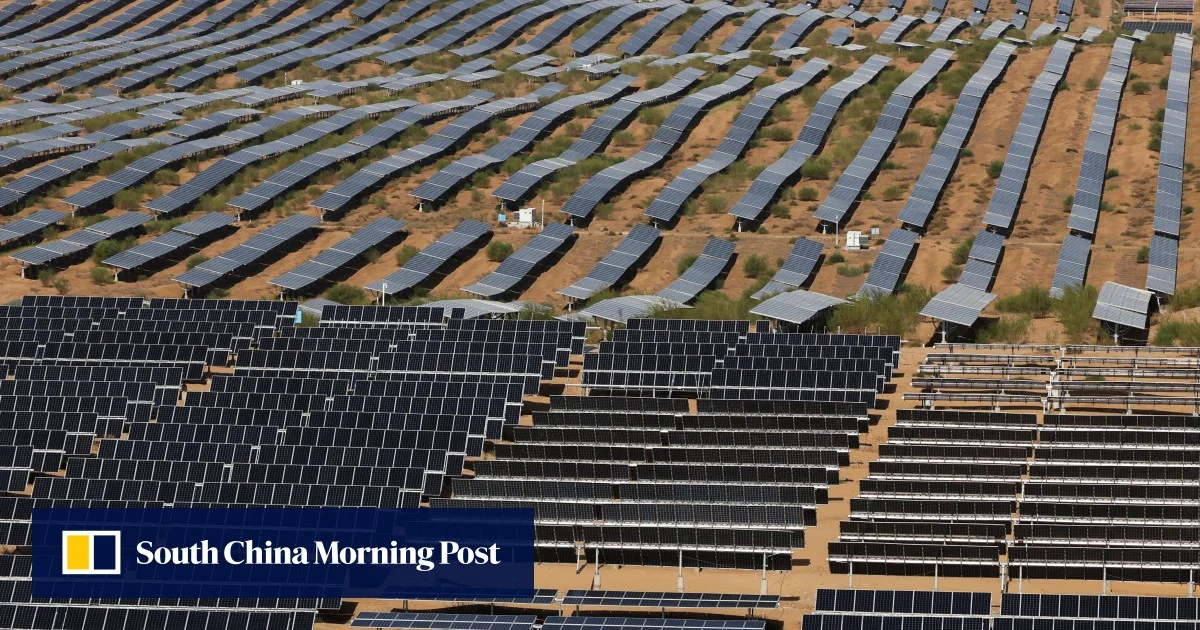
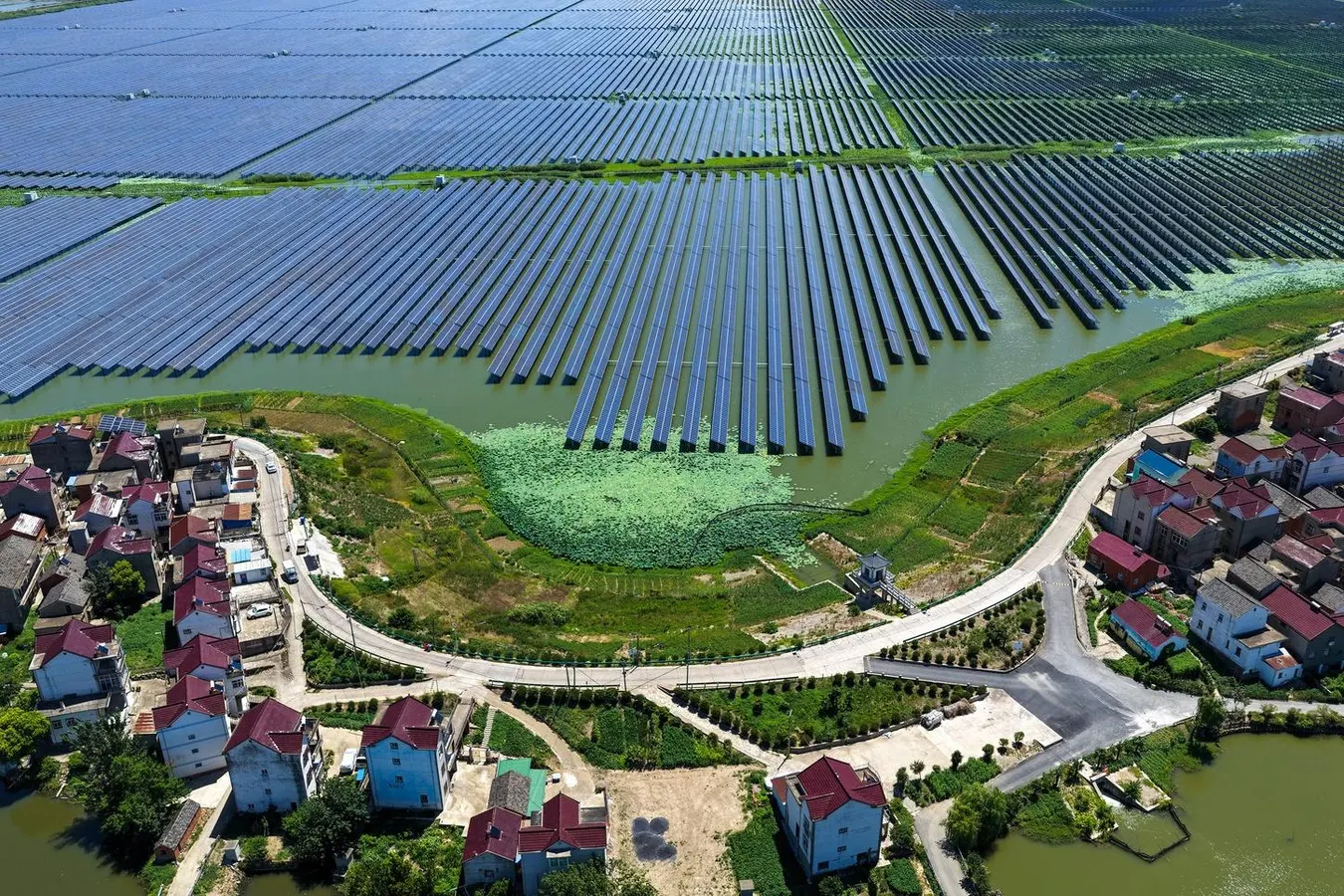
China's installed power capacity, which recently surpassed 4 billion kilowatts, is projected to hit 5.4 billion kW by 2030, Wang said during a news conference held in Beijing on Friday.
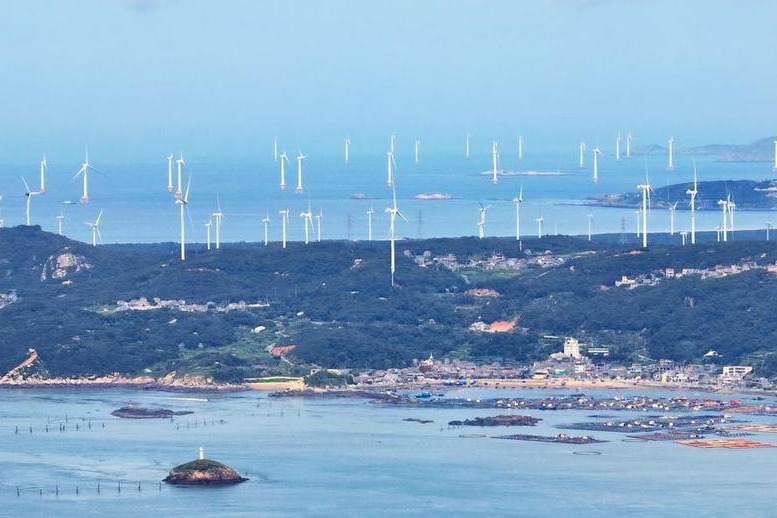
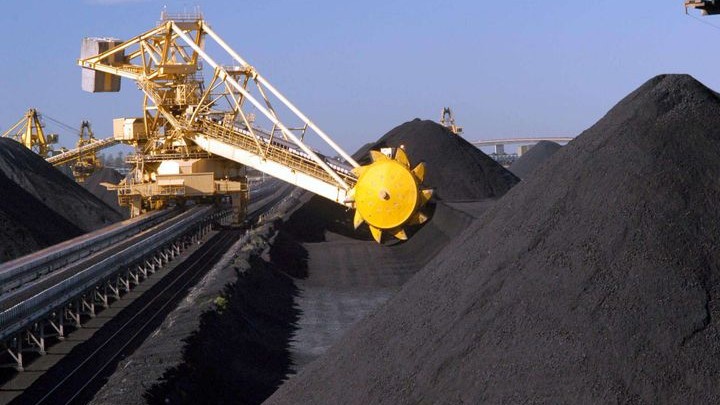
By then, new energy sources will account for over half of both the total installed capacity and power generation, solidifying their role as the primary power source as coal and oil consumption peak, he said.
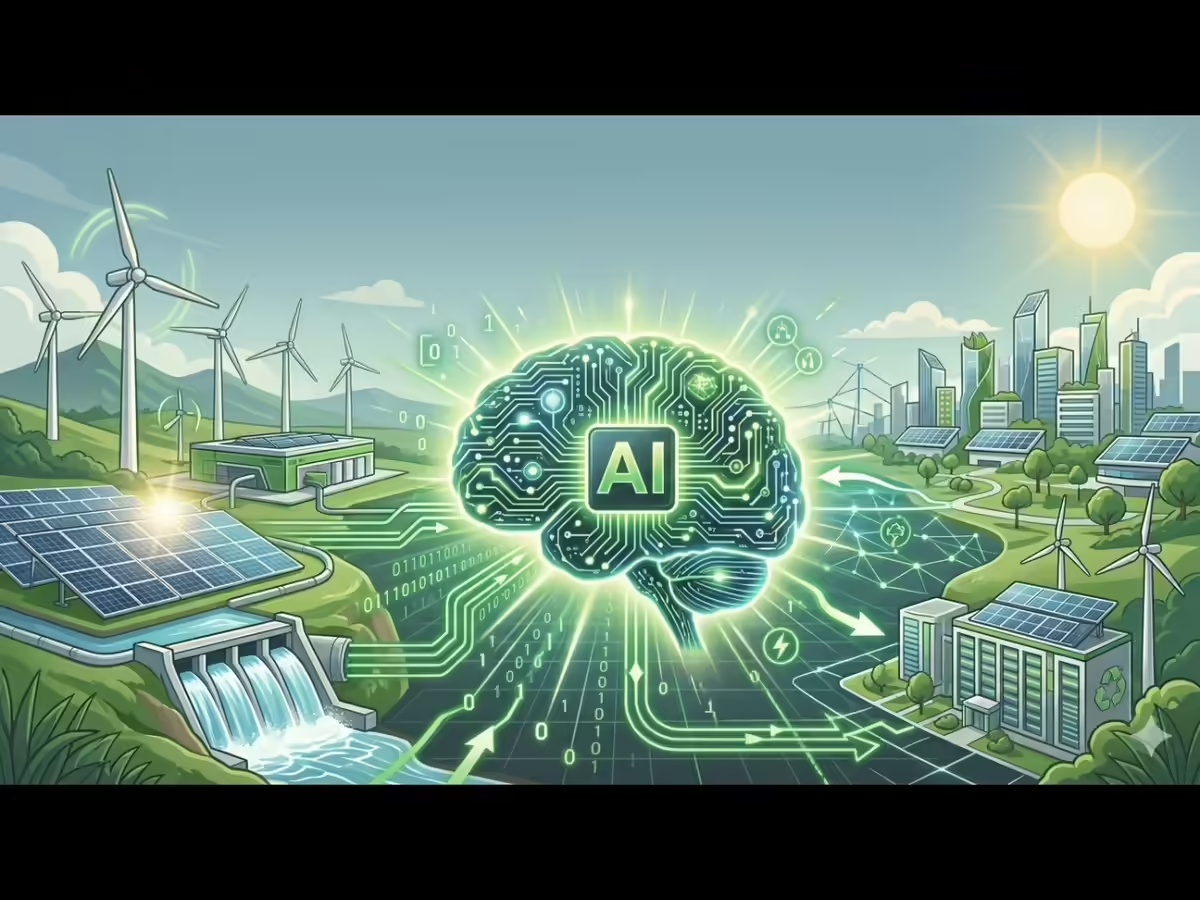
This massive capacity expansion is designed not only to replace traditional fuels but also to accommodate the surging electricity demand driven by the rapidly growing artificial intelligence sector.