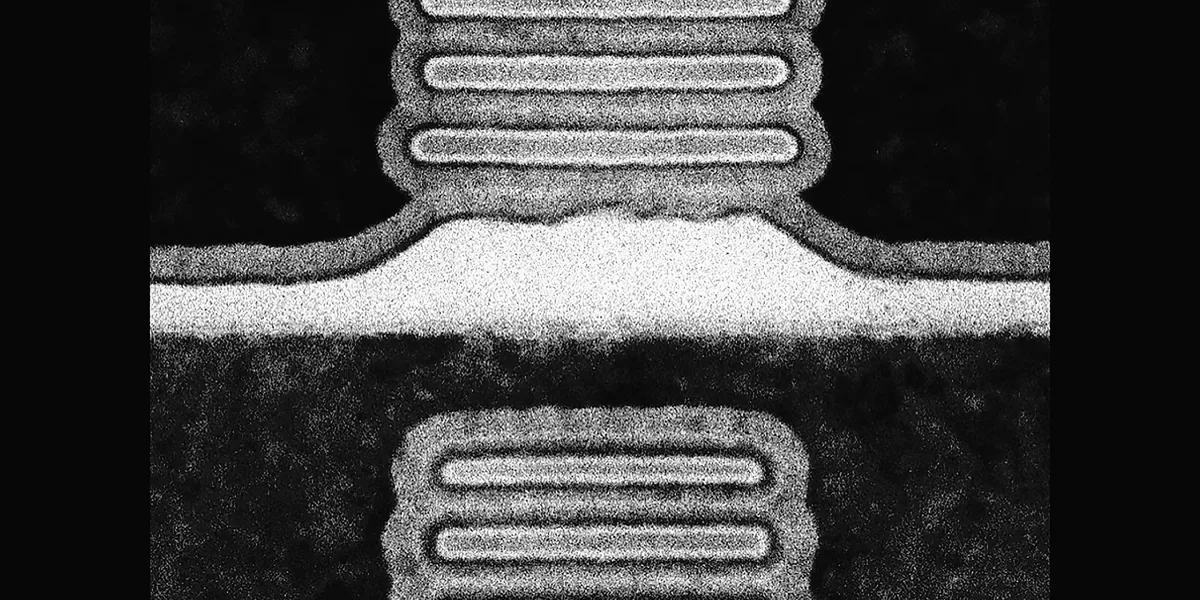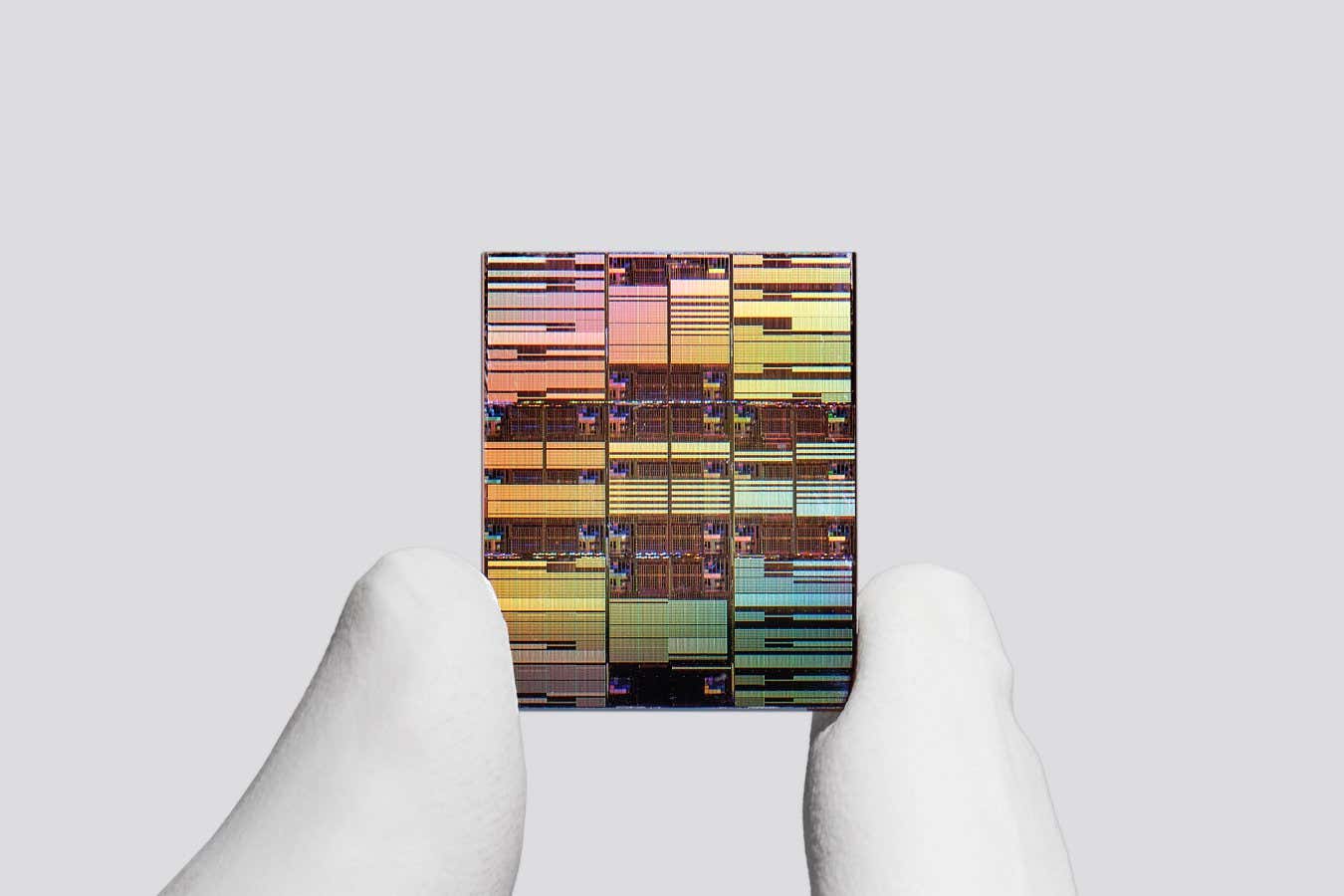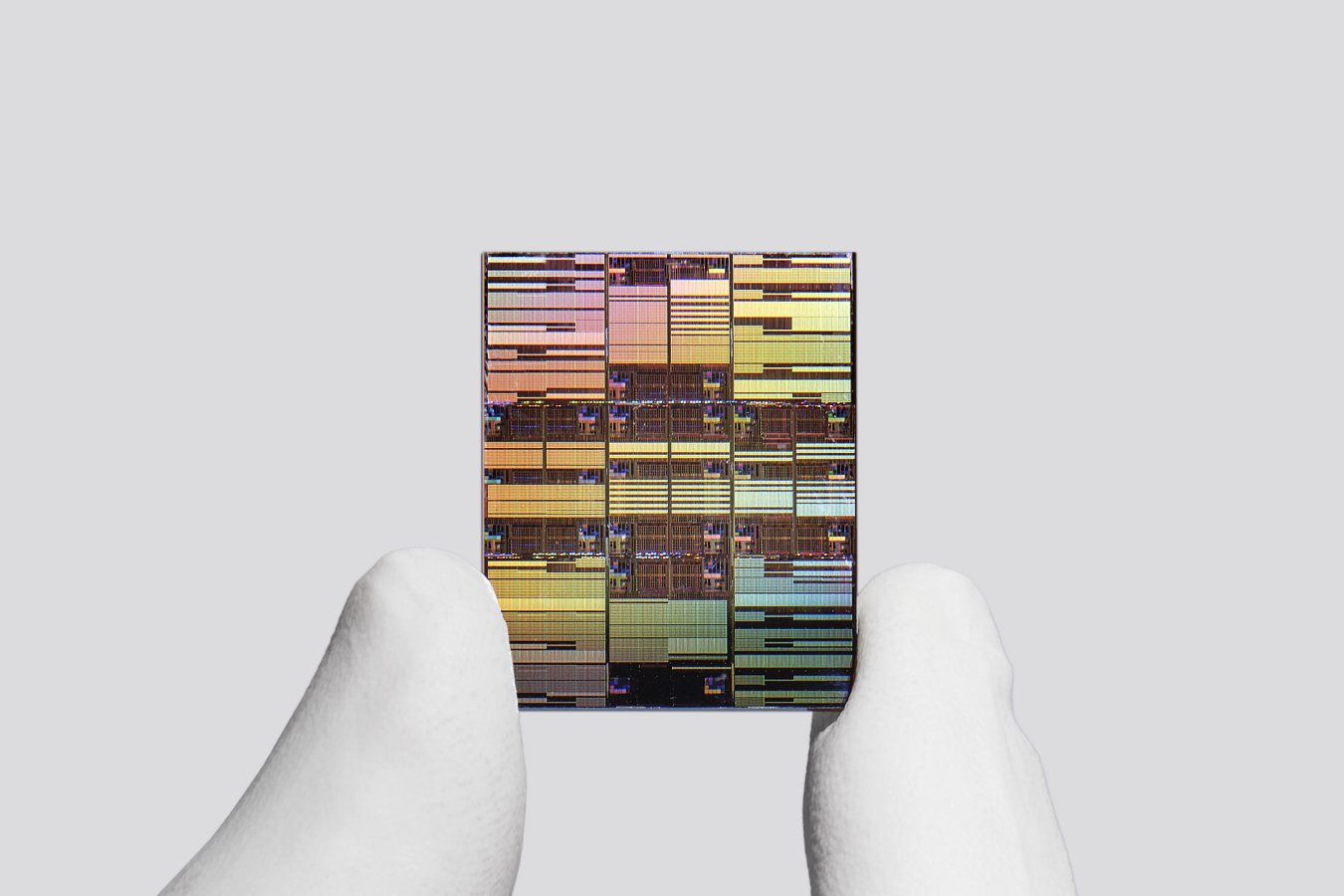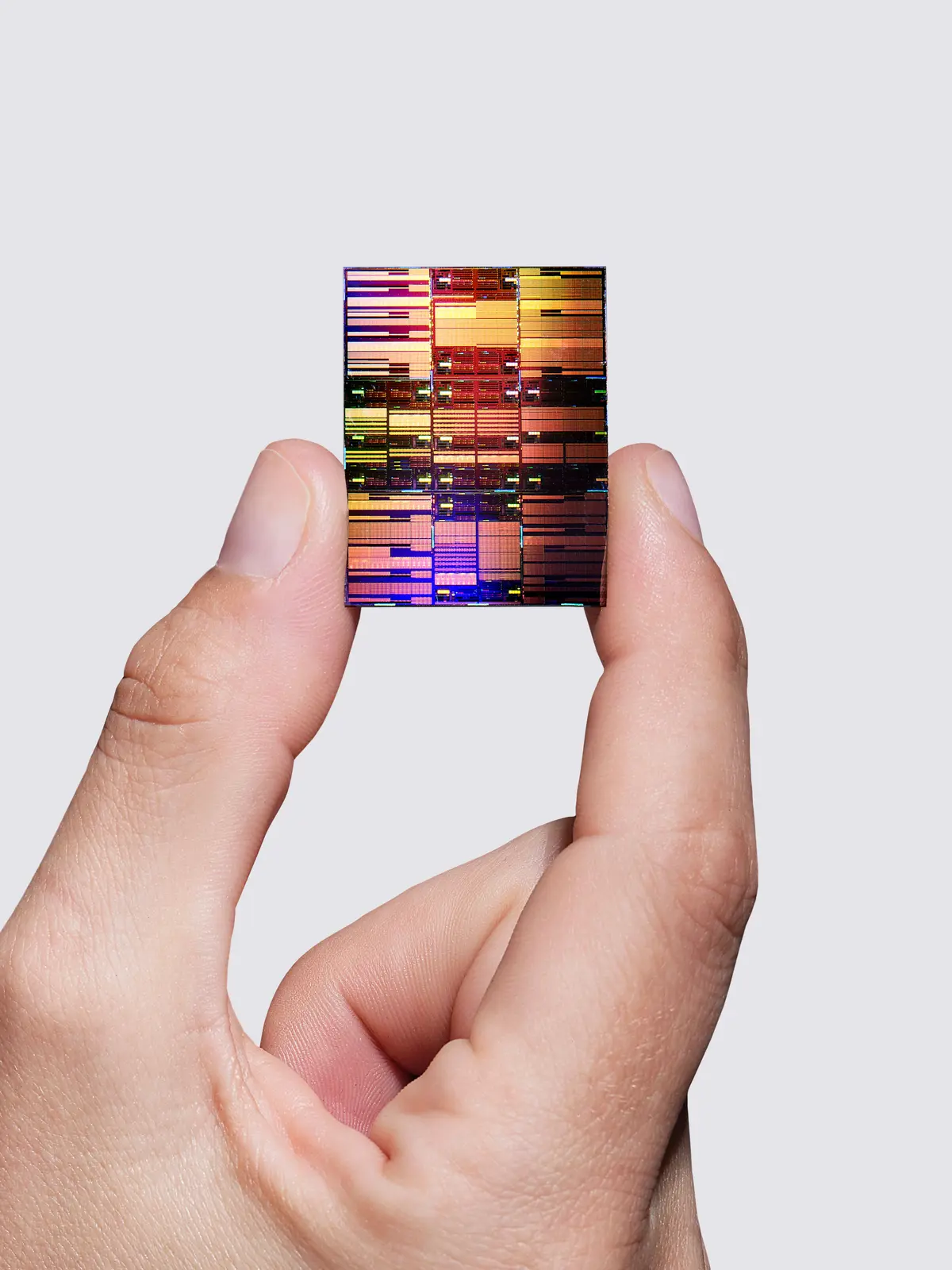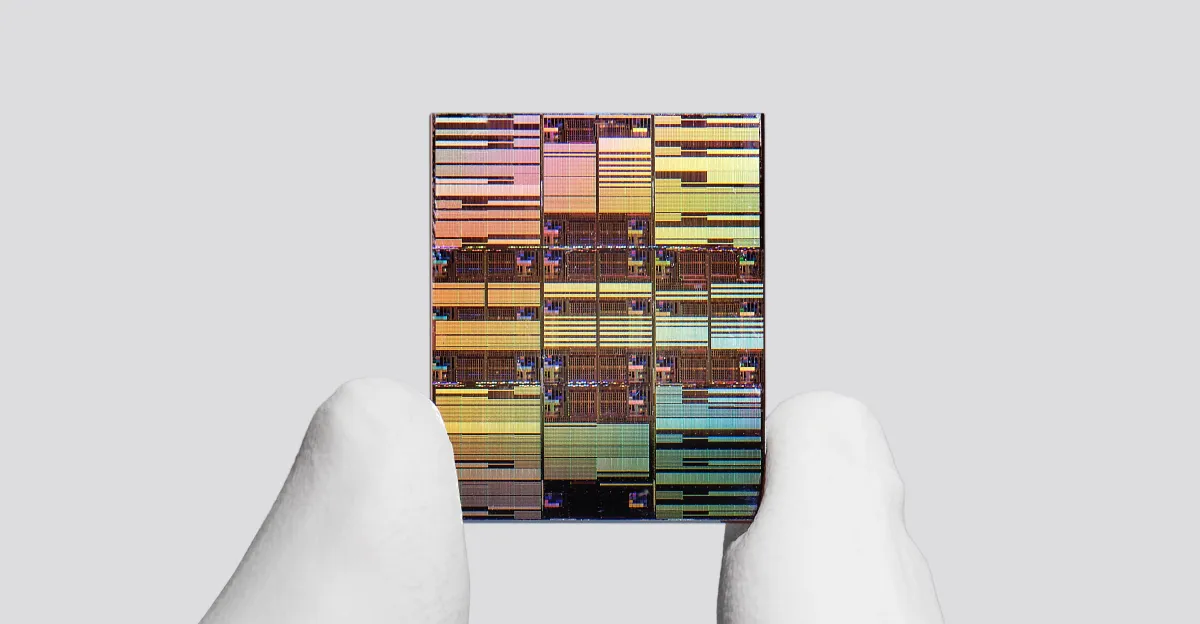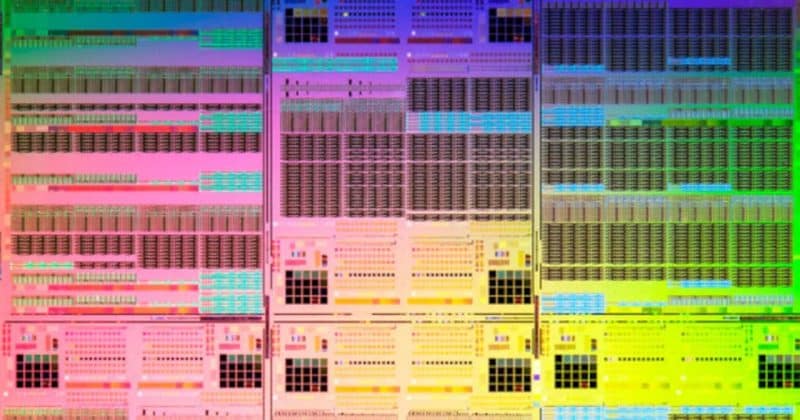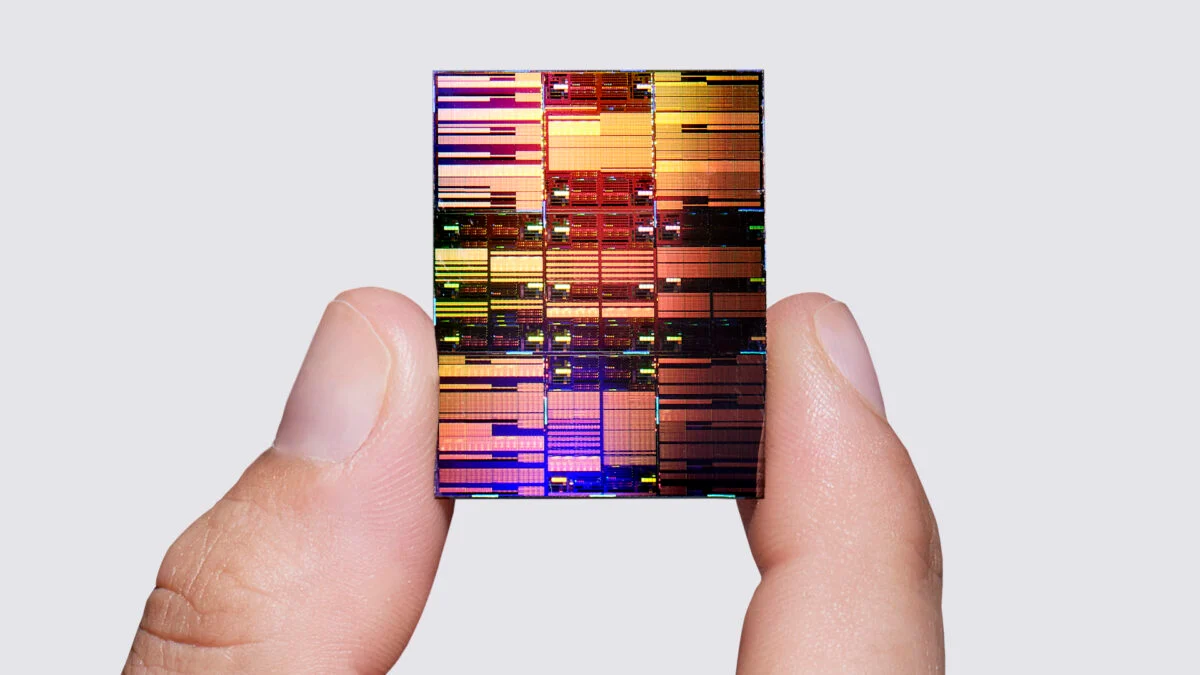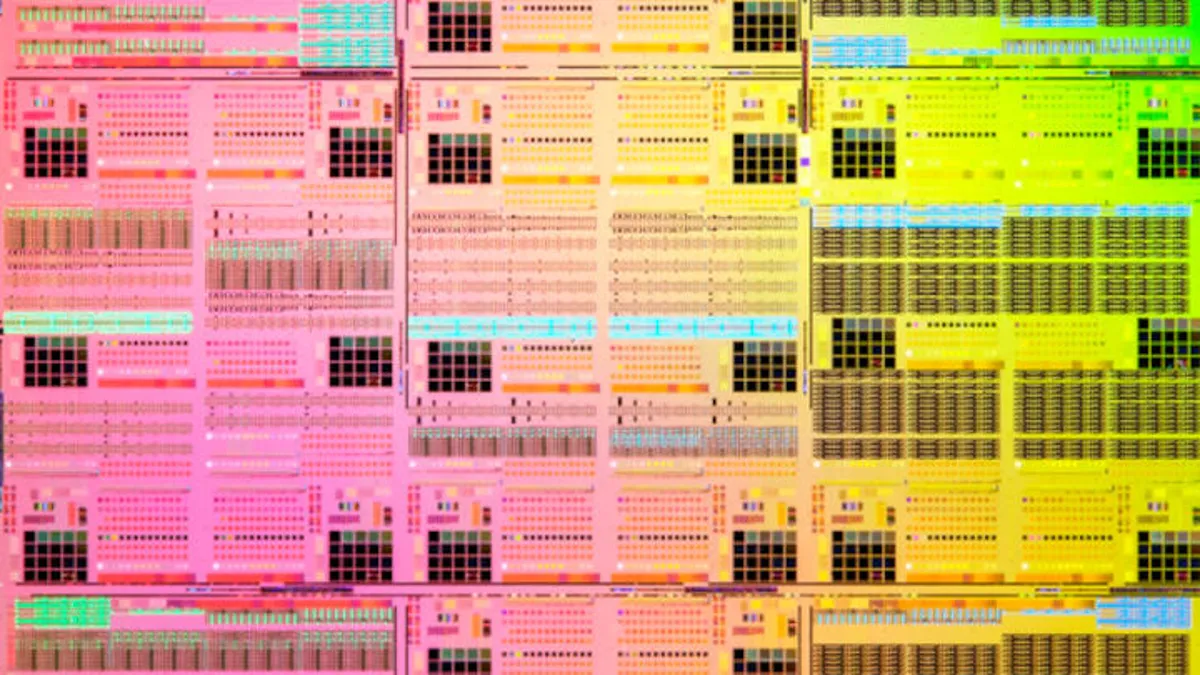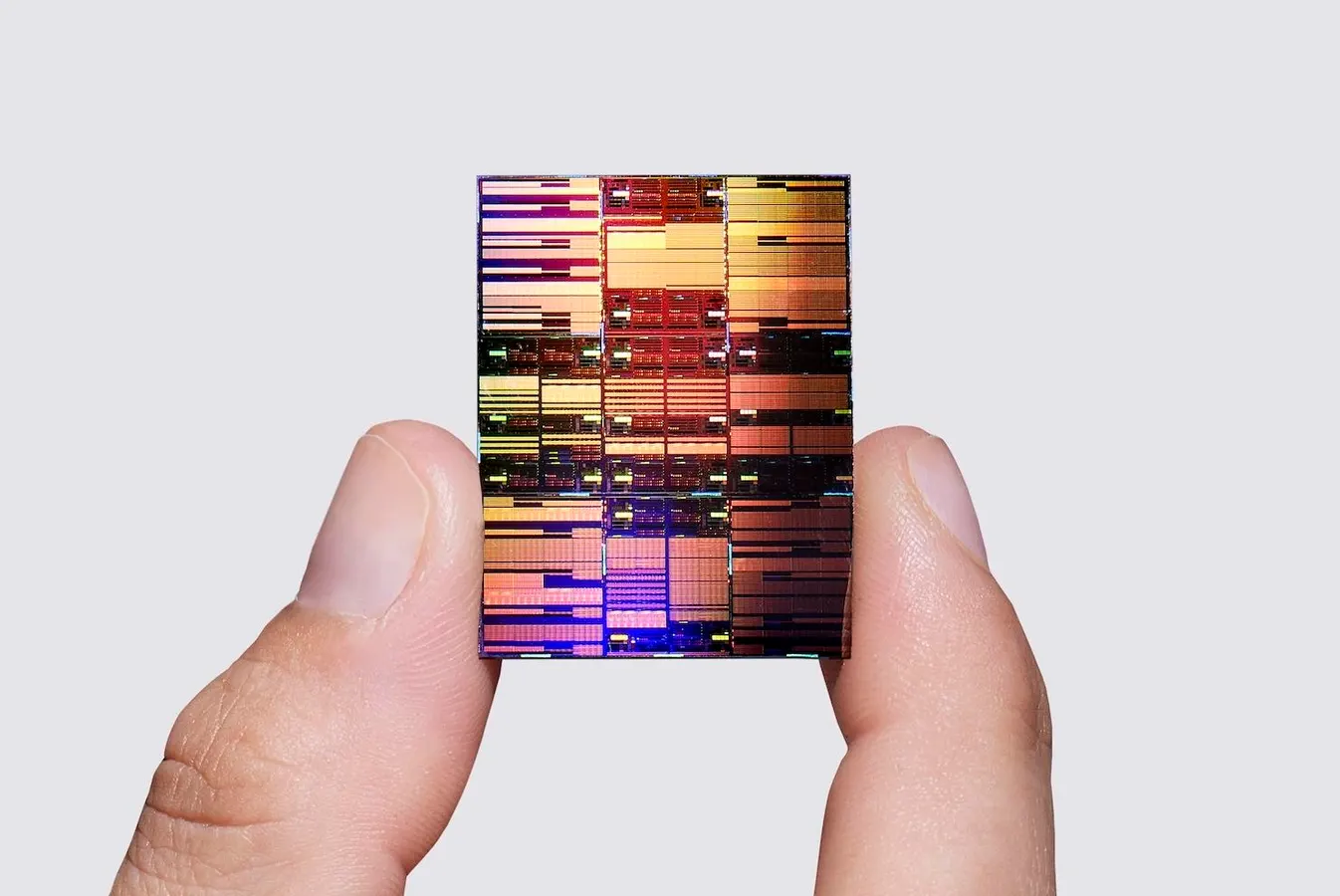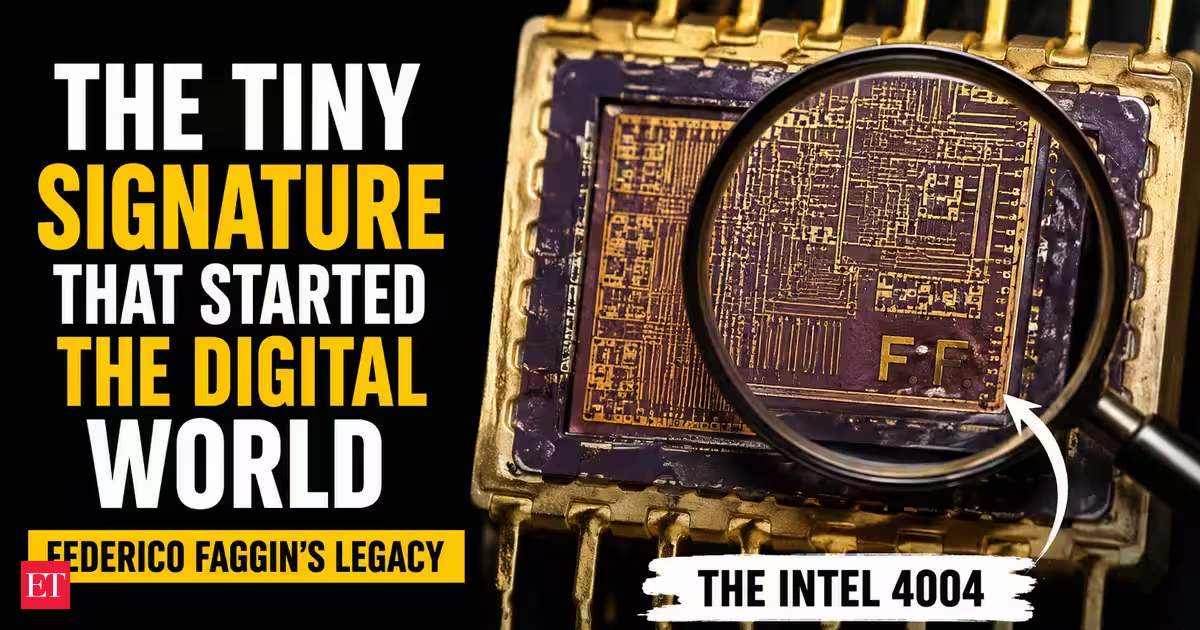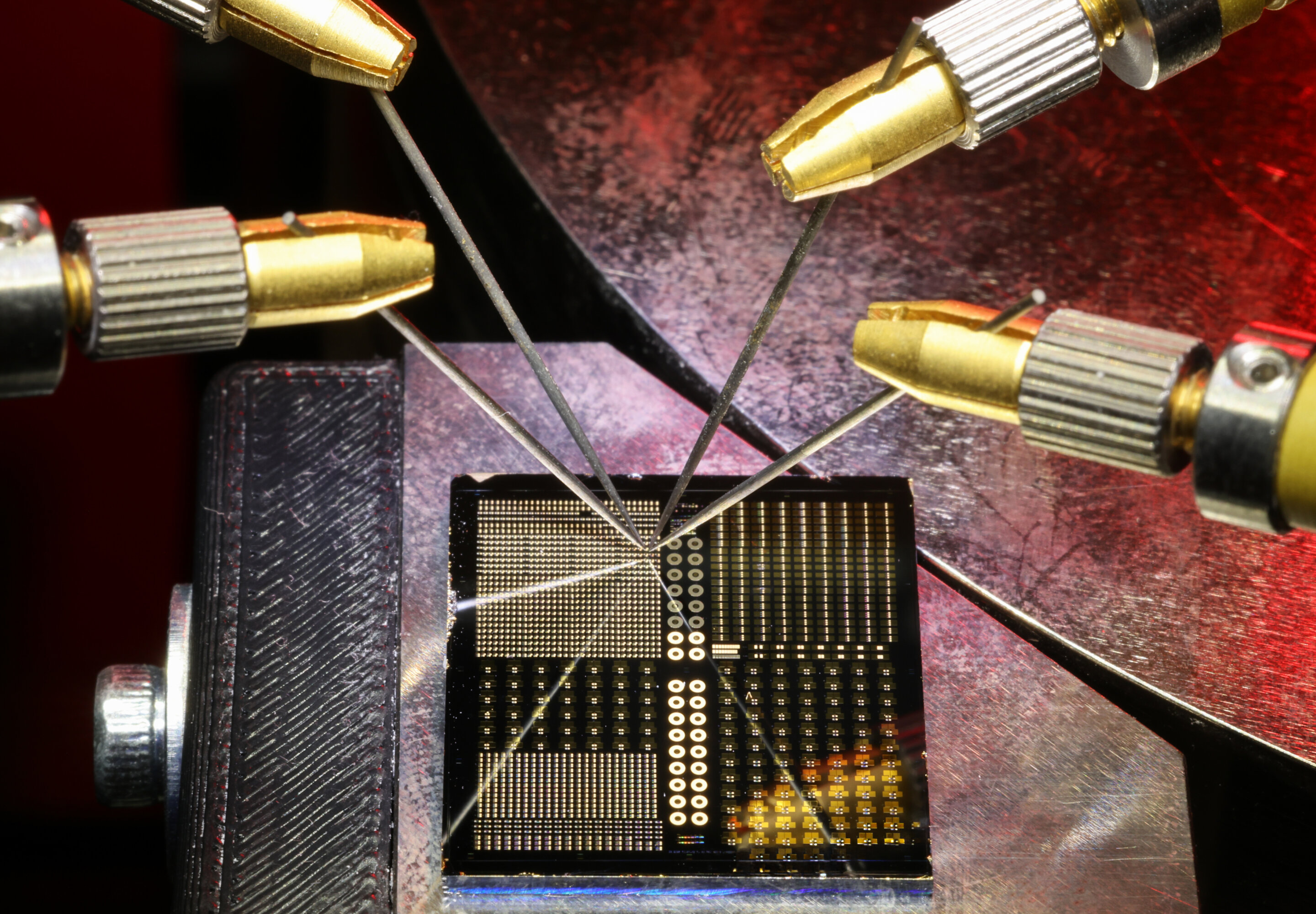
Ask someone to name the most manufactured object in human history and you will hear guesses like the nail, the brick, or maybe the smartphone. The real answer is something almost nobody can name out loud: the MOSFET. This tiny transistor, invented at Bell Labs in 1959, is the on/off switch inside every microprocessor, memory chip, and connected sensor. An estimated 13 sextillion of them have been built since 1960, making the MOSFET not just the foundation of modern electronics but the most-produced artifact our species has ever made.
What a MOSFET actually is
MOSFET stands for metal-oxide-semiconductor field-effect transistor. Strip away the jargon and it is an electrically controlled switch with no moving parts. A small voltage on one terminal, the gate, controls whether current can flow between the other two. Billions of these switches flipping on and off billions of times per second is, quite literally, what computation is. The genius of the design is that it scales: shrink the transistor and you can pack more of them onto a chip while using less power per switch, the trend that drove decades of Moore's law.
The breakthrough came from two engineers at Bell Labs, Mohamed Atalla and Dawon Kahng, who fabricated the first working MOSFET in 1959. Their key insight was using a thin layer of silicon dioxide, ordinary glass, to insulate the gate from the silicon underneath. That oxide layer turned out to be the unlock that made silicon the dominant material in electronics, edging out the germanium used in the very first transistors of the late 1940s.