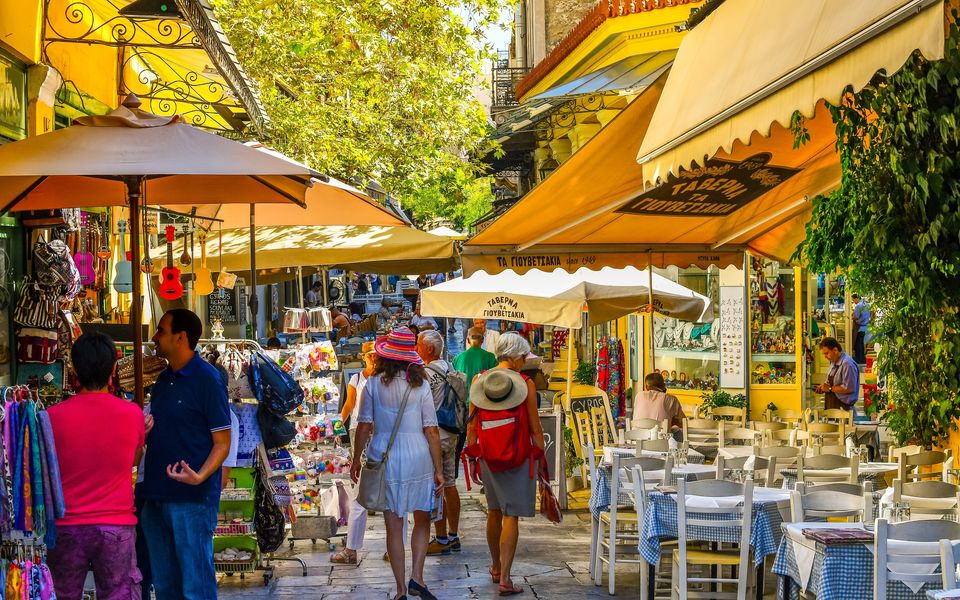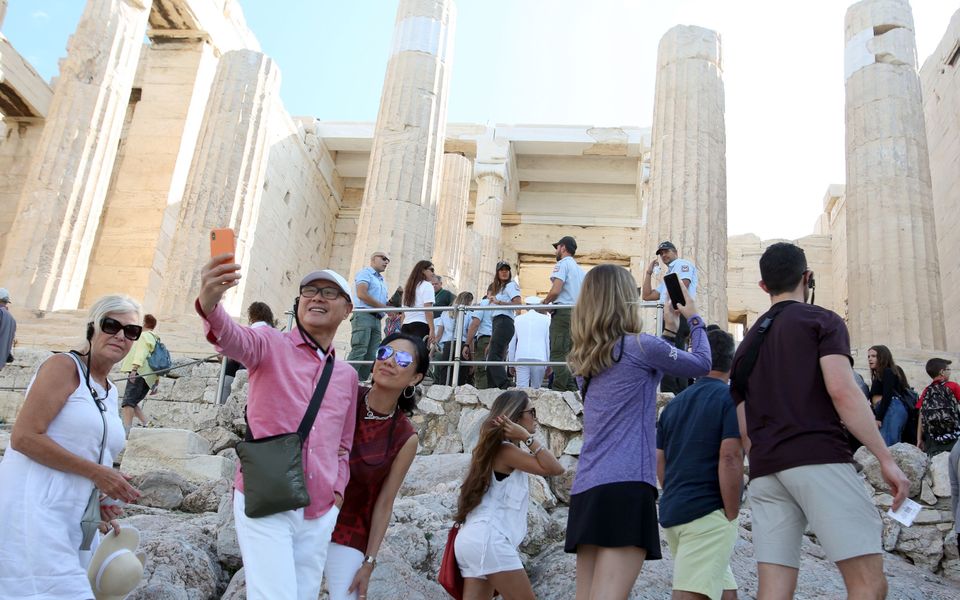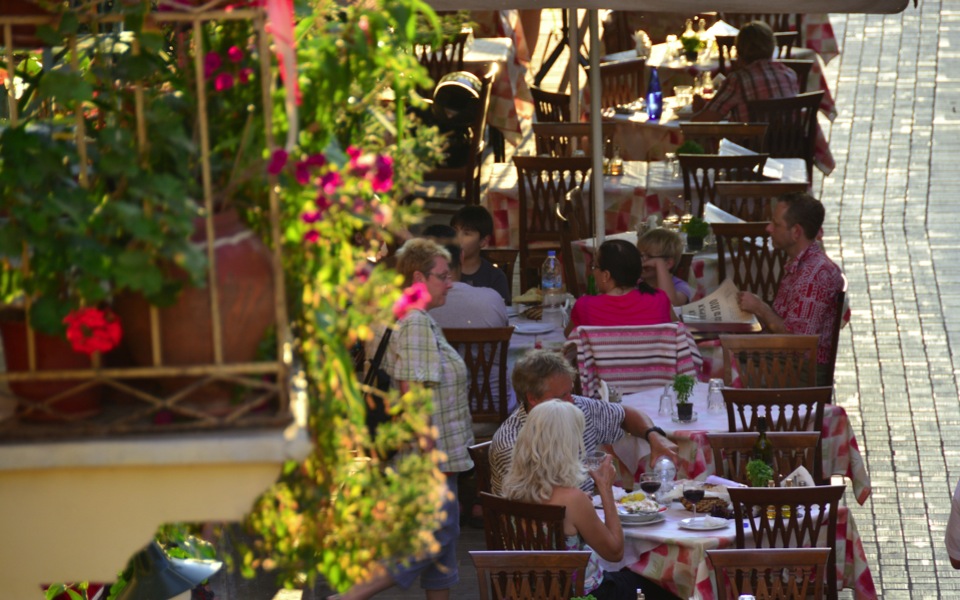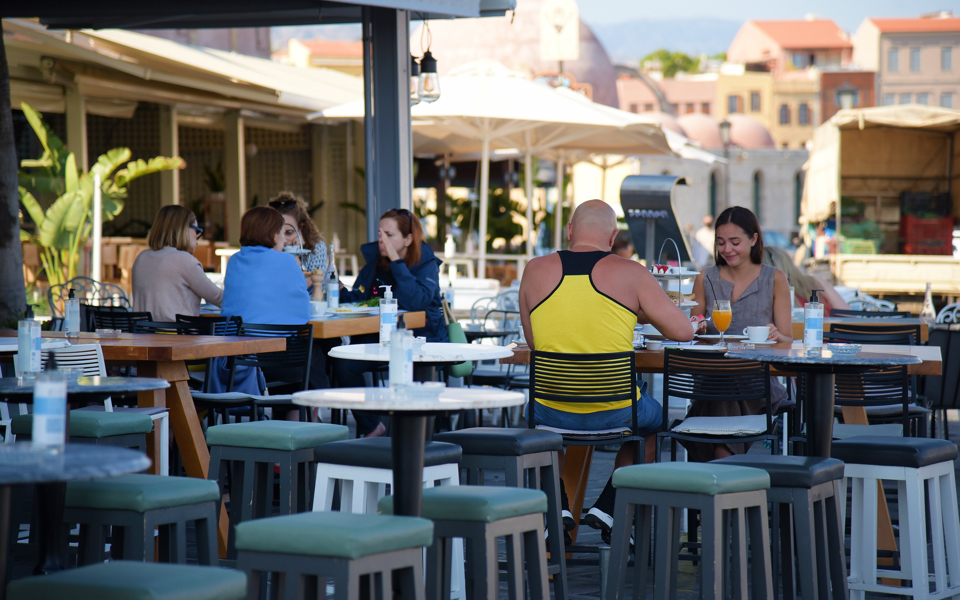
The tourism sector is evolving into a stable driver of growth for the Greek food and beverage industry, with their structured interconnection already producing tangible economic results.
Tourism demand currently absorbs 10% to 15% of total industry sales, providing vital support in the face of modern cost pressures and international geopolitical turmoil. International visitors now account for 5% of potential daily consumers in this country, up from 3% a decade ago, while maintaining nearly three times the daily food expenditure of domestic consumers.
As international tourism demand is expected to grow by 50% over the next decade and gastronomy takes a central role in travelers’ preferences, tourism acts as a “domestic export market,” attracting international demand within borders at a significantly lower cost of access than traditional exports.
The importance of this opportunity is widely recognized, as 91% of small and medium enterprises in the food business consider tourism to be a key pillar of demand, with the figure reaching 96% in islands and 83% in urban centers.
This high awareness has already turned into widespread mobilization, as two thirds of the sector have taken concrete actions to exploit the tourist boost. In particular, 56% of the industry has entered into partnerships with hotels or restaurants, while a further 7% rely exclusively on their own promotion channels. Island businesses are clearly more active, with 72% of them having entered into partnerships, compared to 50% in the rest of Greece, reflecting the stronger dependence of local economies on the tourism product.