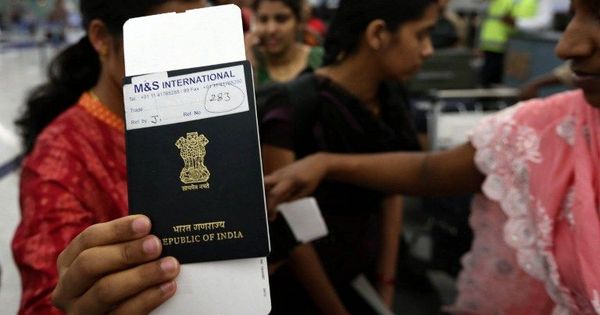
Passport and citizenshipAs in the Passports Act, 1967, a passport is defined as a travel document intended to regulate the departure from India of citizens and others. However, the practice of issuing passports that indicate the holder’s nationality, often without thorough authentication or verification, raises serious concerns about administrative responsibility. This issue is not confined to passports alone. The authorities responsible for issuing a ration card, Aadhaar card, PAN card, and voter ID card also routinely record nationality details without adequate verification. Such practices could be seen as a dereliction of duty, particularly given the substantial public funds allocated to these processes.The question that arises is: where does the fault lie? Is it with government authorities or with the people? This issue deserves urgent legal and public scrutiny.A. Mariafrancis,ChennaiA passport in India is not issued casually. If the state itself has carried out these stringent checks, questioning a person’s citizenship later creates a contradiction.Many Indians, especially those from older generations, may not have preserved their birth certificates or ancestral records. For them, a passport is often the highest official proof of identity and nationality they possess. If even that is open to doubt, proving citizenship becomes significantly more difficult. The controversy comes amid the Special Intensive Revision of electoral rolls and ongoing citizenship verification exercises. A sovereign state must ensure that the documents it issues inspire certainty and public confidence. If a passport cannot conclusively establish citizenship, the government owes citizens a clear and straightforward explanation.Gregory Fernandes,Mumbai Published - June 27, 2026 12:24 am IST
Letters to The Editor — June 27, 2026
Readers' mail to The Hindu's Letters to The Editor
255 words~1 min read