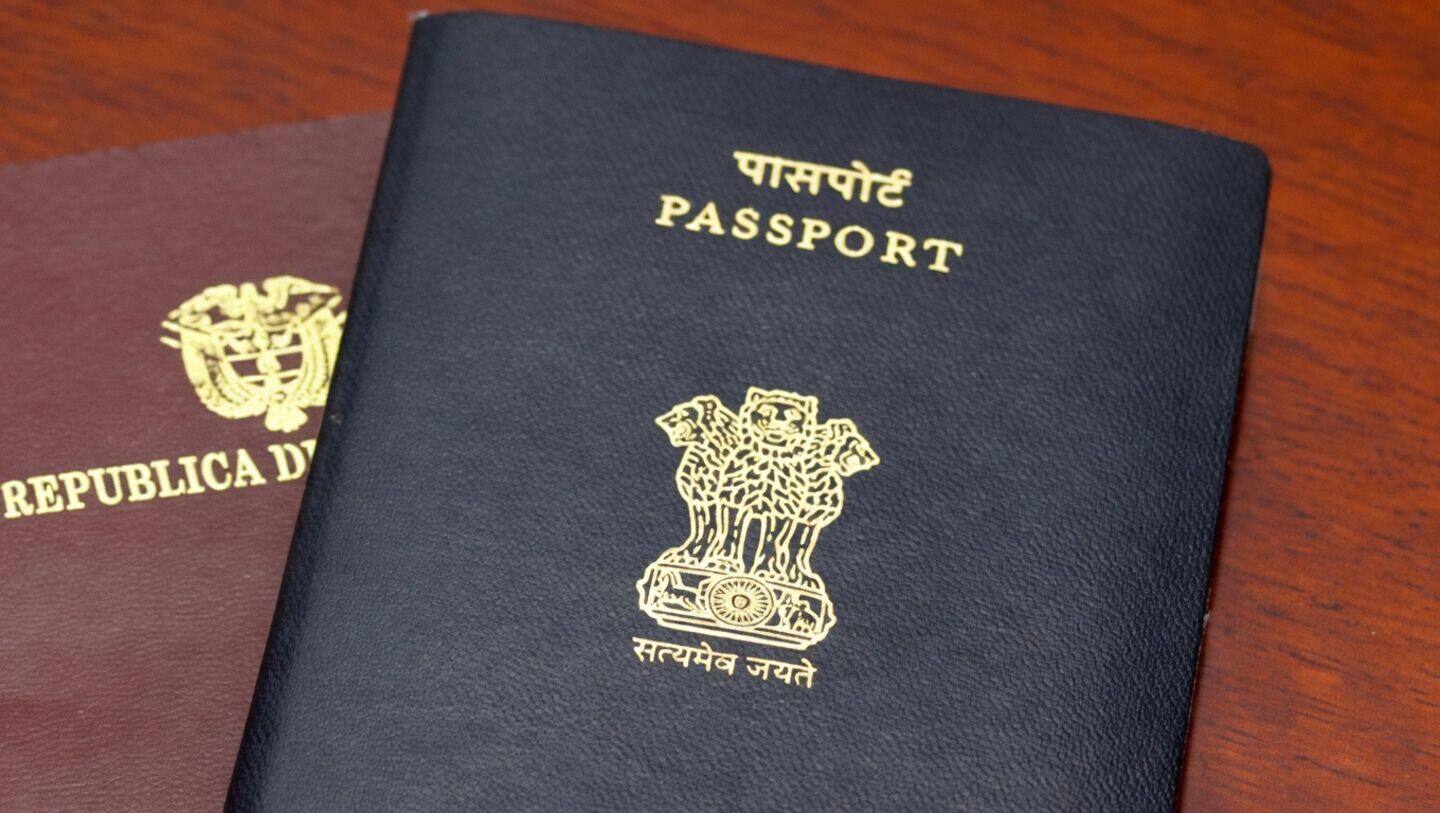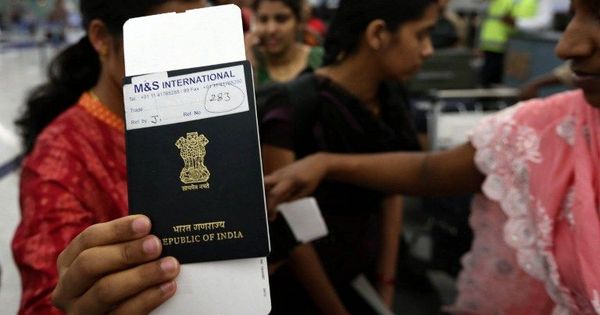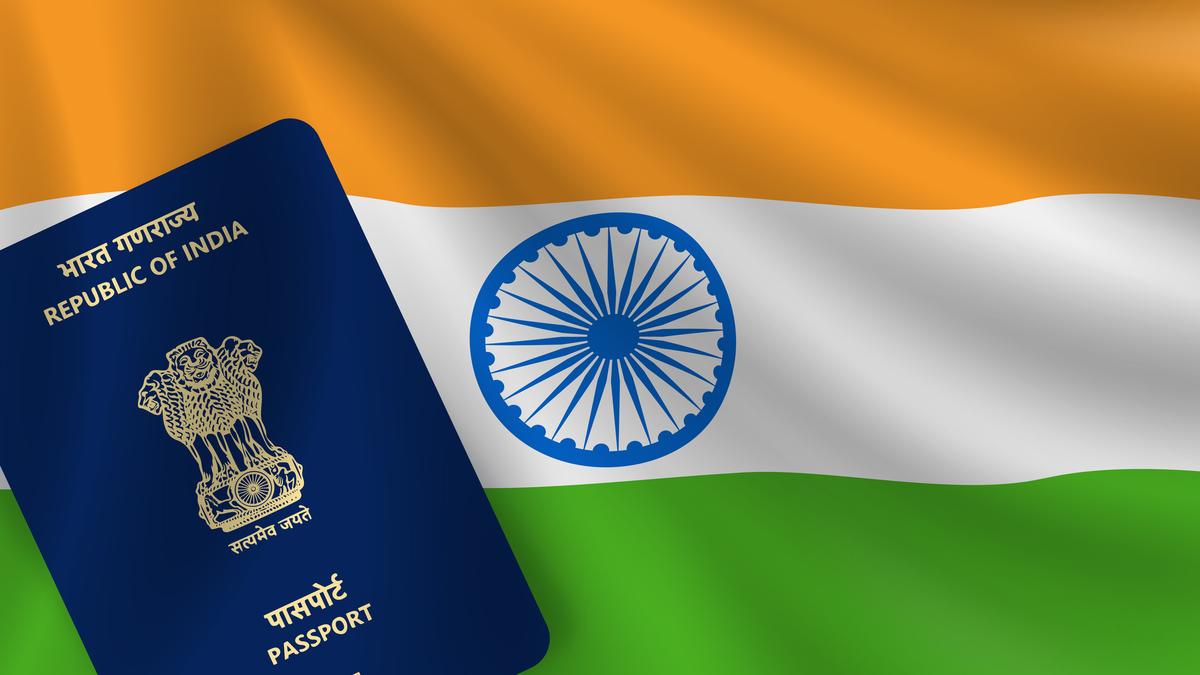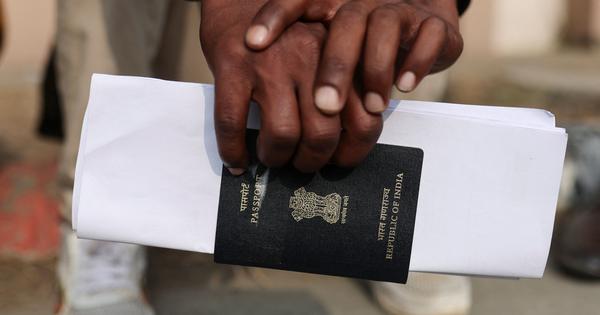
A seemingly technical statement made on Passport Seva Divas on Wednesday has provoked a remarkably emotional public debate. Marking the anniversary of Passports Act 1967, an MEA official remarked that a passport is 'a travel document, not a document of citizenship'. Within hours, social media was awash with alarm and confusion. Was GoI now saying that the one document Indians have long regarded as ultimate proof of their national identity was no longer valid?The answer is both simpler and more nuanced than the controversy suggests. The official was stating a legal proposition that has always been true. A passport is issued under Passports Act. Citizenship is governed by Citizenship Act 1955. The two serve different purposes. One regulates issuance of a document that enables international travel. The other determines who is, in law, an Indian citizen.Yet, what is legally correct is not always sufficient as public communication. For generations, the passport has occupied a unique place in the hierarchy of official documents. It bears the Ashoka emblem, carries the name 'Republic of India', identifies the bearer through personal particulars and biometric safeguards, and is accepted around the world because foreign governments trust the issuing state.Few documents carry greater symbolic and practical authority. So, to tell citizens, without further explanation, that it's 'not proof of citizenship' was bound to provoke an obvious question: then what is?The distinction lost in public debate is the difference between evidence and legal determination. A passport does not create citizenship. Nor does it constitute the legal source from which citizenship flows. Rather, it's issued because GoI has already satisfied itself that the applicant is entitled to receive one. In ordinary administrative life, it's accepted almost universally as evidence that the holder is an Indian citizen. Banks, universities, employers, embassies and government agencies routinely rely upon it for precisely that reason.But when citizenship itself becomes subject of litigation or administrative challenge, legal inquiry necessarily extends beyond the passport. Courts examine Citizenship Act provisions and the documentary basis upon which citizenship is claimed. A passport may be highly persuasive evidence. But it's not legally conclusive in every conceivable circumstance.That distinction is hardly unique to India. Most democracies separate nationality law from passport law. Governments retain the power to cancel passports obtained through fraud, identity theft or false declarations. If possession of a passport alone were treated as absolute proof of citizenship under all circumstances, states would lose the ability to correct such errors. The law, therefore, preserves an important distinction between the document and the underlying legal status it reflects.The controversy exposes a deeper issue. India's documentary history is uneven. Universal birth registration is a relatively recent achievement. Millions of older Indians were born in villages where births were never formally recorded. Names were entered differently in school certificates, land records, electoral rolls and ration cards. Spellings changed across languages and generations. Women often acquired new surnames after marriage. Few imagined that such inconsistencies might one day become matters of profound legal consequence.The experience of National Register of Citizens (NRC) in Assam brought these realities into sharp relief. Families found themselves navigating decades-old records that were incomplete, inconsistent or missing. Minor discrepancies in spelling or dates assumed disproportionate significance. Elderly citizens who had voted for decades were required to establish documentary continuity stretching back generations.These cases were not failures of passport administration. They were symptoms of the much larger challenge of documenting citizenship in a country of India's size, complexity and diversity. That challenge deserves serious public attention.India has made remarkable progress in building digital identity systems. Aadhaar has transformed service delivery. Passport issuance has become faster, more transparent and technologically sophisticated. Chip-enabled e-passports represent another important advance. Yet, none of these developments eliminates the need for comprehensive civil registration and robust archival systems. Real long-term solution lies elsewhere.Every birth must be registered promptly, civil records digitised and preserved, name changes made traceable through reliable legal mechanisms, historical records be interoperable across states and departments. Citizens should not bear disproportionate burdens because administrative systems failed to record events accurately decades earlier.The debate, therefore, raises an important governance question, rather than a constitutional crisis. Could GoI have communicated its position more effectively? Almost certainly. Instead of stating a passport is 'not a document of citizenship', it may have explained that a passport is issued only after GoI has verified the applicant's eligibility under Indian law.It might have added that citizenship itself is determined under Citizenship Act, and that the passport serves as the republic's internationally recognised travel document issued on that basis. Such language would have preserved legal accuracy, while reassuring citizens that value and credibility of their passports remain intact.Immigration authorities around the world understand perfectly well that every country distinguishes between passport administration and nationality law. They routinely deal with revoked passports, dual nationals, naturalised citizens and complex nationality questions. Nothing said on Passport Seva Divas alters India's international obligations, or standing of its passport.In constitutional democracies, citizenship is not merely a legal category. It's the foundation of rights, duties and belonging. Documents issued by the state carry emotional significance because they embody recognition by the political community. When governments speak about them, precision is essential. But so, too, is empathy for how ordinary people understand official language.Technical correctness should never become a substitute for effective communication. Citizens don't hear official statements through language of statutes or judicial precedents, but through lived experience. For millions, the passport is not simply a booklet that enables overseas travel. It's the most tangible affirmation that the republic recognises them as its own.Rather than diminishing the passport, this debate should encourage India to strengthen the documentary foundations upon which citizenship ultimately rests. A nation of 1.4 bn people deserves a universal, reliable and resilient civil registration system, in which every birth is recorded, every change documented, and every citizen securely registered.The writer is former foreign secretary, GoI(Disclaimer: The opinions expressed in this column are that of the writer. The facts and opinions expressed here do not reflect the views of www.economictimes.com.)
Passport row highlights India's larger citizenship documentation challenge - The Economic Times
A remark by an External Affairs Ministry official on Passport Seva Divas that a passport is "a travel document, not a document of citizenship" sparked confusion and debate, with many questioning whether passports still serve as proof of Indian citizenship.
1,000 words~5 min read