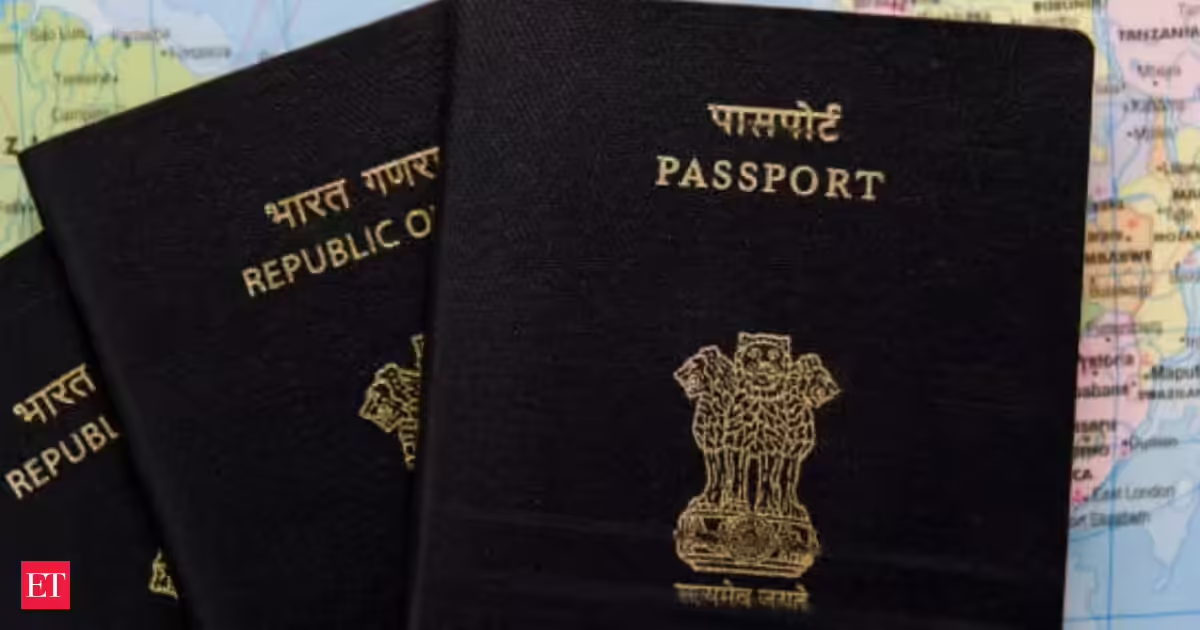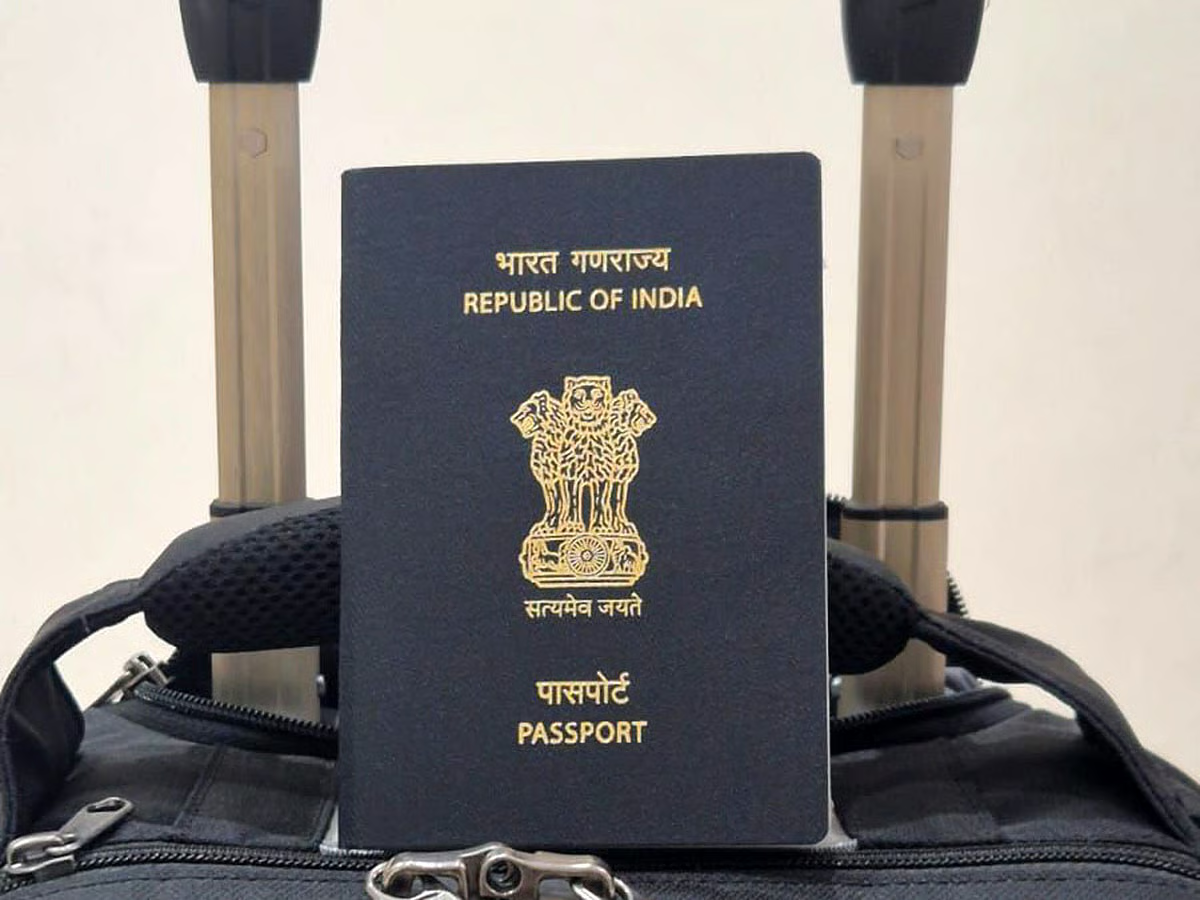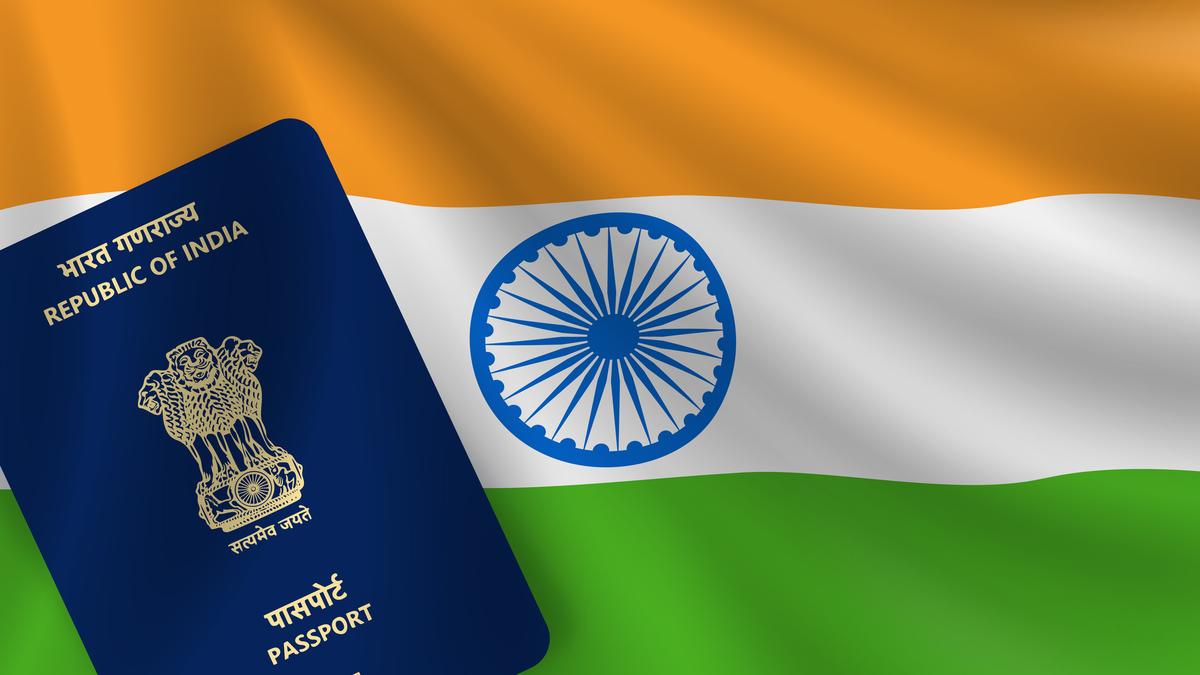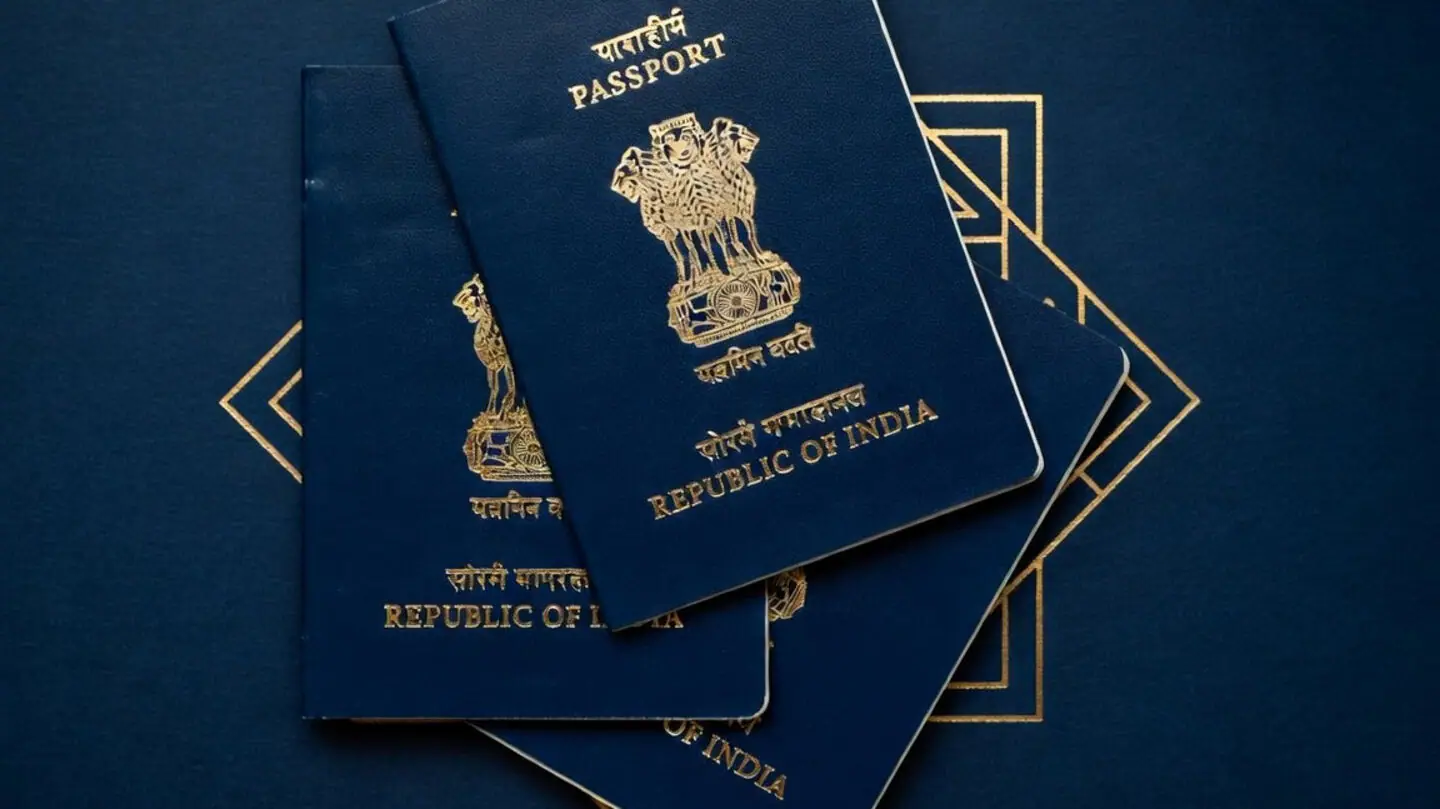
I. The statement that should surprise no lawyer – but has startled everyone elseOn June 24, by coincidence, the 59h anniversary of the Passports Act coming into force, the Ministry of External Affairs stated plainly that an Indian passport is a travel document, not proof of citizenship.The official clarification, reported by diplomatic correspondent Sidhant Sibal, has generated considerable public heat. It should not have. The legal position has been settled for decades. What the ministry has done is say publicly what administrators have known privately, and what the Special Intensive Revision of the electoral rolls has been forcing the country to confront: identity and citizenship are not the same thing, and no document routinely issued to tens of millions of Indians conclusively establishes the latter.The Ministry of External Affairs official also disclosed that 1.39 crore passports were issued in 2025 alone, with total passport-related services reaching 1.5 crore people. At that scale of issuance (one passport issued roughly every two seconds across the working year), the suggestion that each document represents a verified, conclusive certification of citizenship would be administratively implausible even before one examines the statutory position.The statutory position is this: under Section 20 of the Passports Act, 1967, an Indian passport may be issued to a non-citizen by the Central Government in specified circumstances. That single provision is sufficient to establish that possession of an Indian passport is not, in law, conclusive proof of Indian citizenship. The Ministry of External Affairs has not discovered a new legal position. It has acknowledged an old one.— Sidhant Sibal (@sidhant) June 24, 2026
Explained: Why an Indian passport is not proof of citizenship – and no single document is
A statement by the Ministry of External Affairs, in the middle of the Special Intensive Revision of the electoral rolls, has generated confusion and anxiety.
2,772 words~13 min read