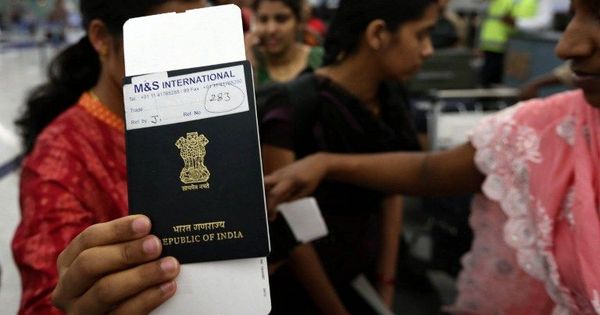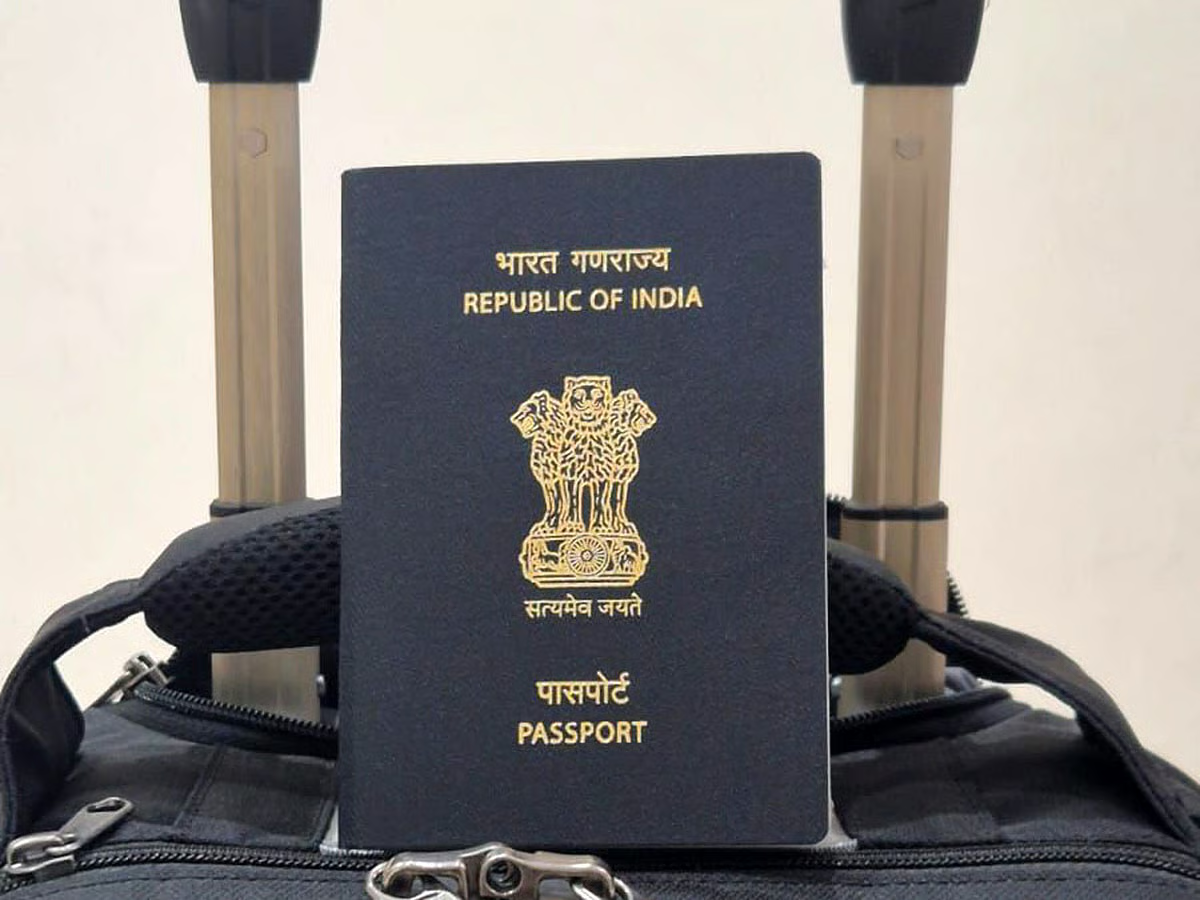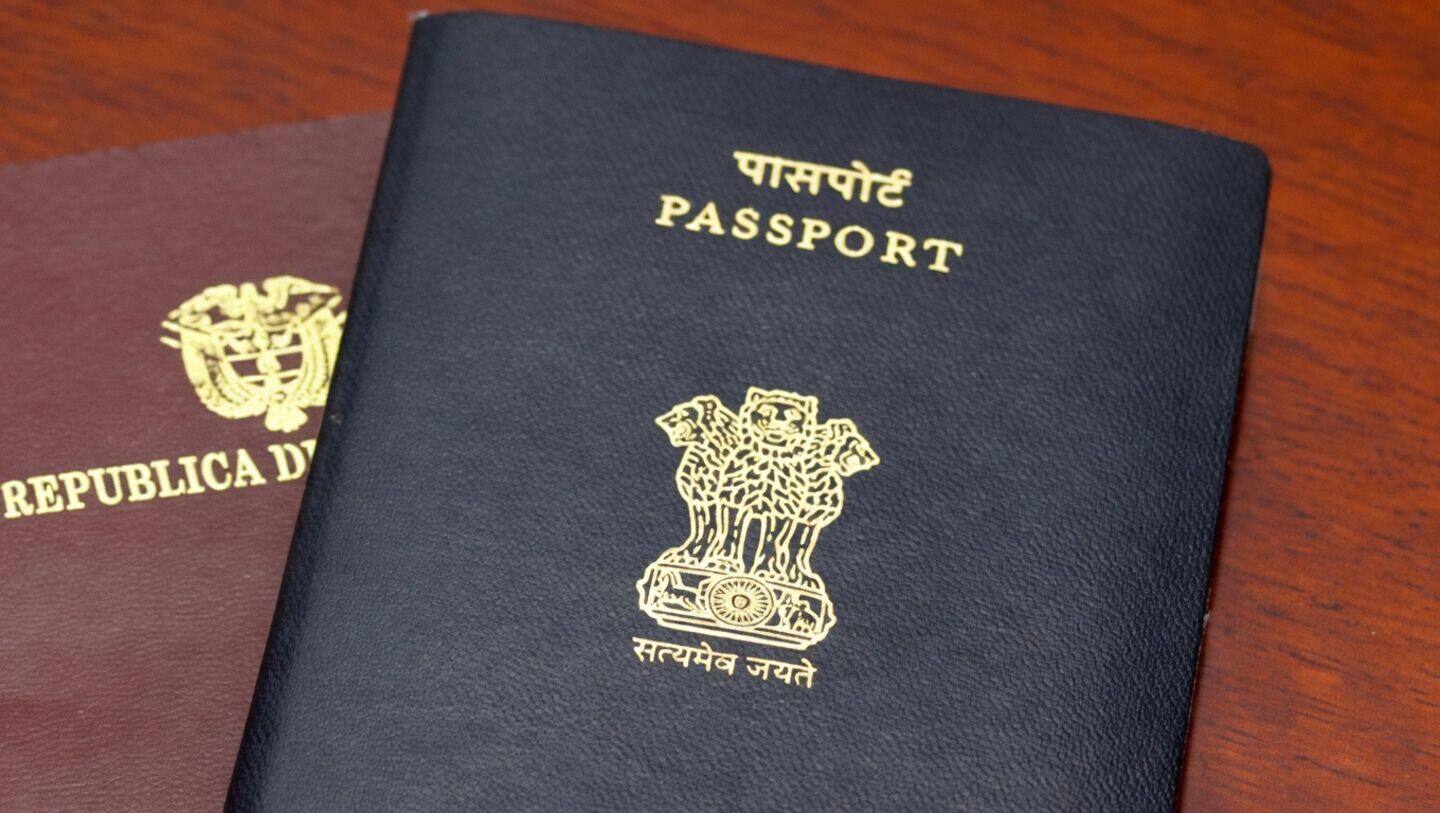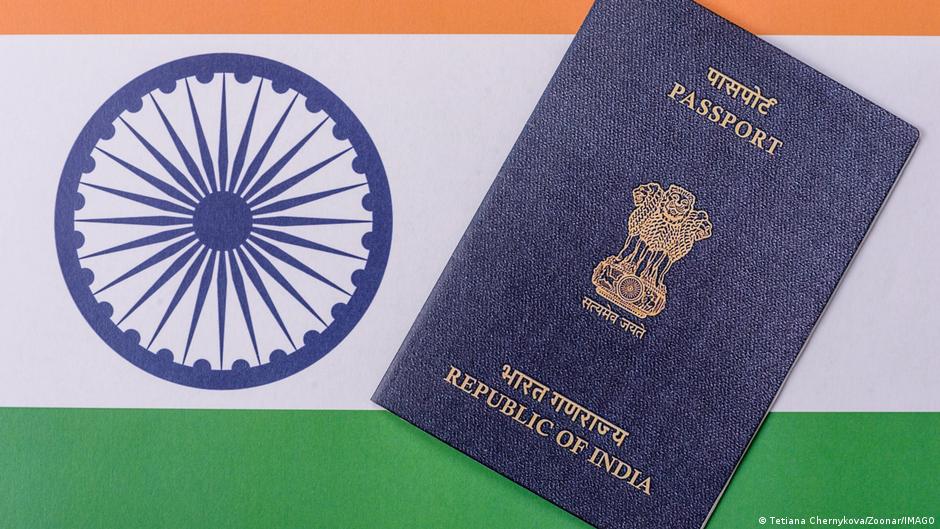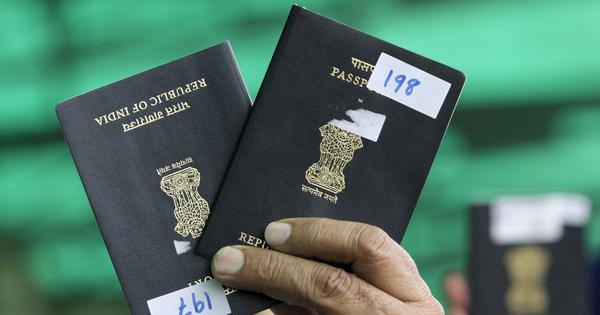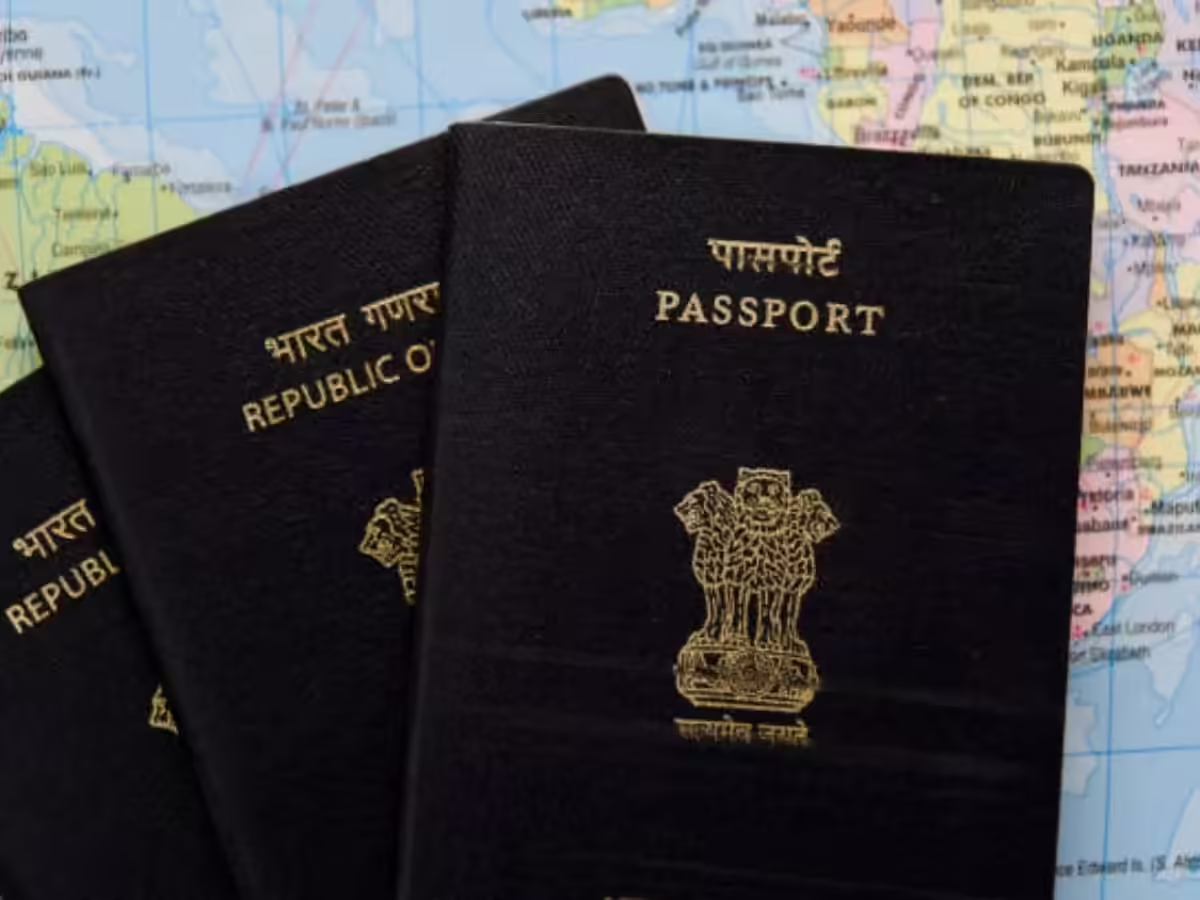
A social media storm has erupted after remarks made by representatives of the Ministry of Foreign Affairs that a passport is not a proof of citizenship. A passport is widely regarded around the world as an identity and travel document, not as proving citizenship. In India too, the passport is given after due verification but multiple court rulings have held that it cannot be used to claim citizenship.How is it distinct from proof of citizenship?Two very different laws in India govern citizenship and issuance of a passport. The Passports Act, 1967 creates provisions for eligibility and criteria for issuing a passport. In rare cases, Indian travel documents can also be issued to non-nationals, with such powers vested with the Central government. Other nations like the United Kingdom too have provisions for issuing passports to foreigners. The British Overseas Passport is one such example.What does the law say?Indian courts are clear that possession of a passport or documents like Aadhaar or PAN card and voter ID cannot be used to claim citizenship. Separate courts, including the Bombay High Court, have multiple judgements on the matter. In a 2013 ruling, the court held that a birth certificate, passport or Aadhaar card cannot be used to establish citizenship. Quoting Indian citizenship laws, the court said a person born in India after July 1, 1987 cannot claim automatic citizenship unless at least one parent is Indian. Under citizenship laws, a person is an Indian by birth if born in India on or after January 26, 1950, but before July 1, 1987. If a person is born after July 1987, he or she can claim citizenship if either parent is a citizen.What has changed now?The simple answer is nothing. There has been no change in stance, law or executive order impacting the validity of an Indian passport. The process for obtaining a passport remains the same, as does its validity. The process of applying for a passport involves submitting multiple identity and address proofs, which are verified by central agencies and local police authorities.Who gets impacted?In normal circumstances, there will not be a dispute on the citizenship of Indian passport holders. But in rare cases involving fraud or possession of a passport using dubious documents, citizenship will have to be established through the provision of the Citizenship Act, with all supporting evidence such as birth records of the individual and, if needed, of their parents.External affairs ministry officials have reiterated that a passport is just a travel document, not a proof of citizenship. While this kicks off a row on social media, demand for the blue booklet has been robust, official data shows.Annual issuances have surged past pre-Covid levels, though less than 10% of Indians hold a passport. The demographics of mobility are shifting.Traditional hubs continue to lead, but states like Uttar Pradesh and Bihar are seeing fast growth. ET breaks down the numbers behind India’s aspirations to see the world.
The Passport act: Why the little book was never a proof of citizenship
A recent statement by the Ministry of Foreign Affairs clarifying that a passport is not proof of citizenship has sparked debate. Indian courts have consistently ruled that documents like passports, Aadhaar, and PAN cards do not establish citizenship, which is governed by separate laws. This clarification, while causing a social media stir, does not alter existing passport issuance processes or validity.
486 words~2 min read