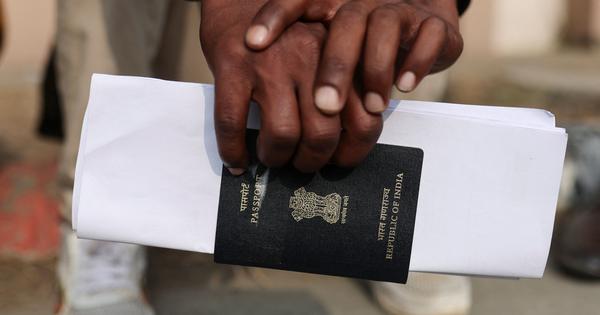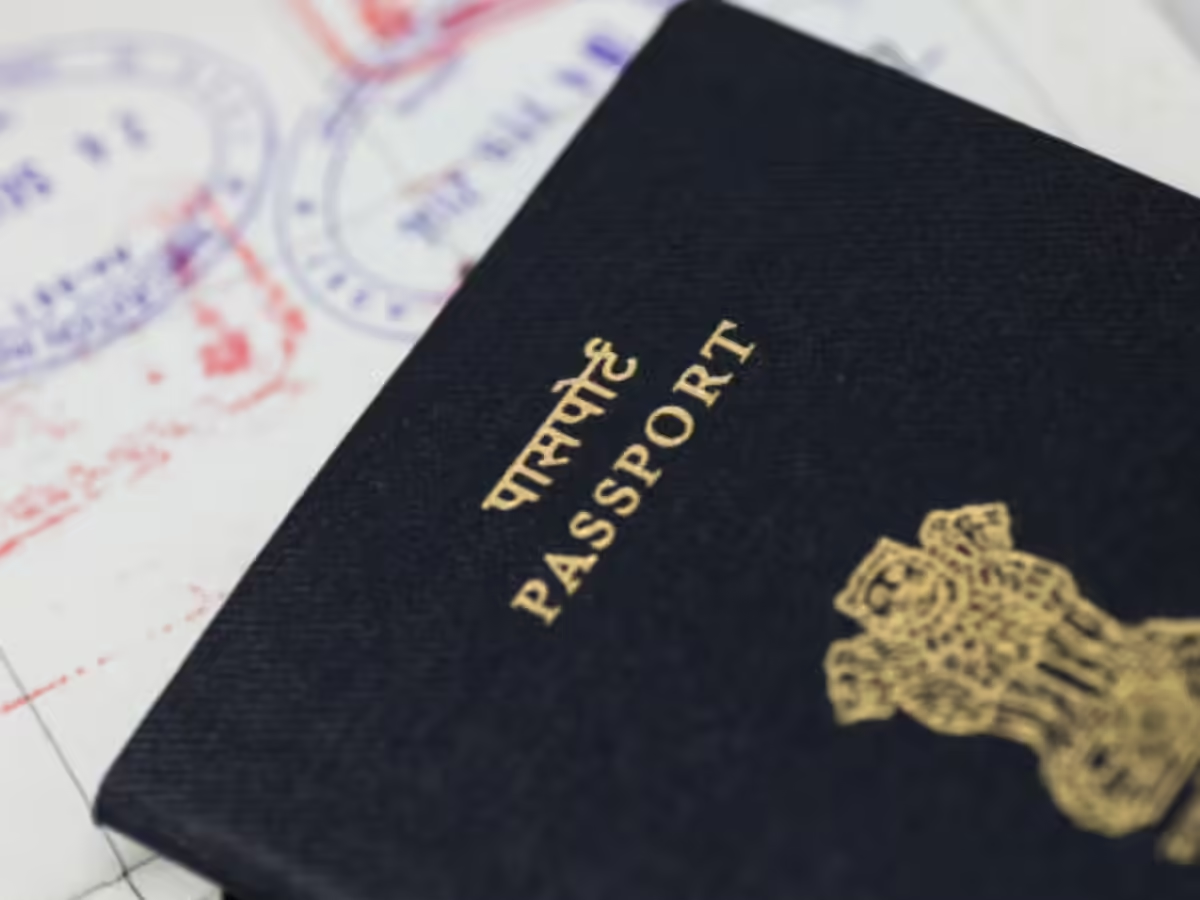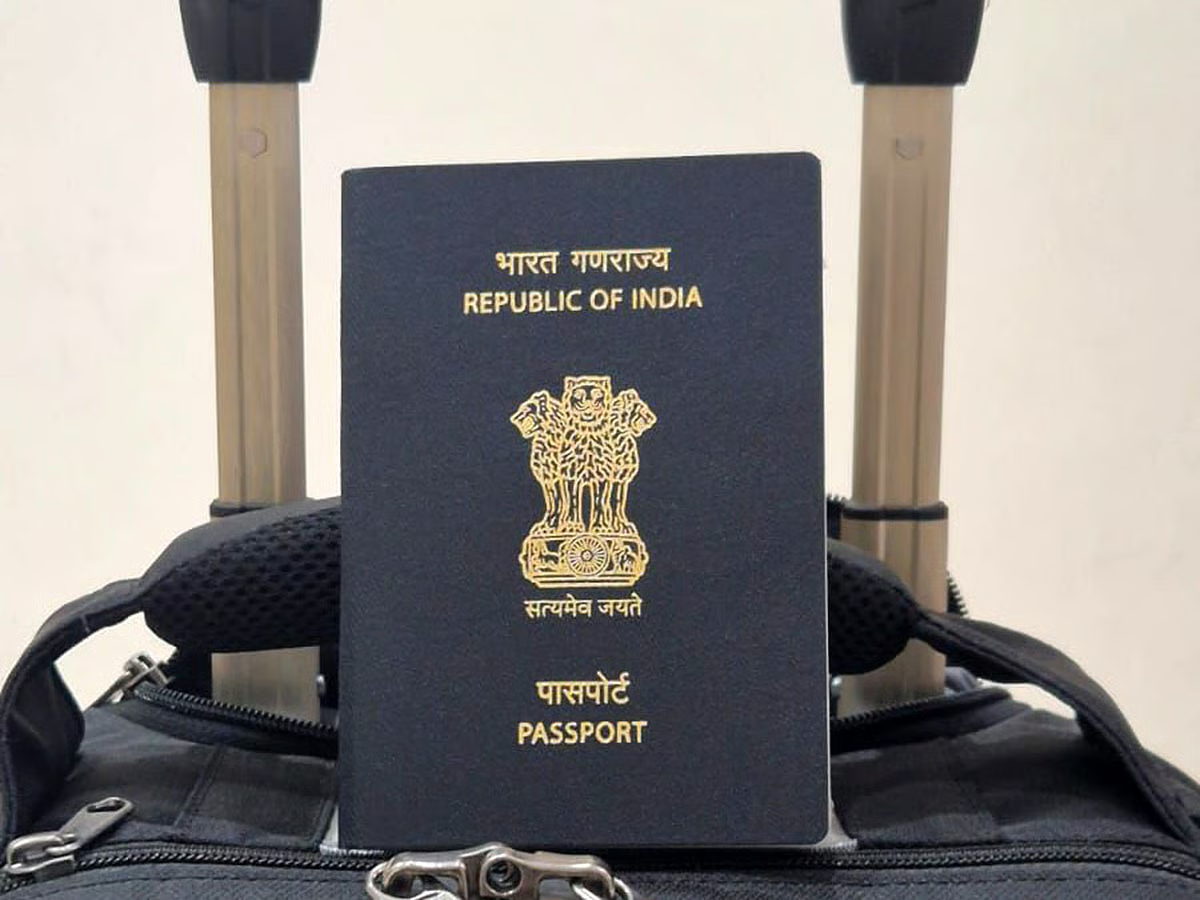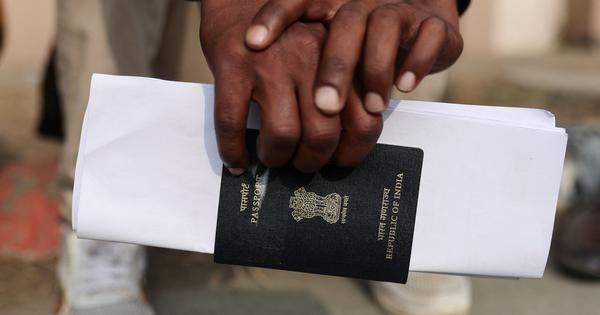
The debate over citizenship and proof of it has grown louder in recent days, powered by anxieties over the ongoing Special Intensive Revision of electoral rolls, and a technically accurate clarification by the external affairs ministry that the passport is a travel document, and nothing more. Retired judges have further muddied the already unclear waters by giving lengthy interviews on what should be, rather than focusing on what is. The government’s position on this is clear (up to a point) and has been articulated repeatedly in Parliament: Citizenship is defined by the Citizenship Act. This is helpful because it clarifies what does not constitute proof of citizenship: Aadhaar numbers (which were never meant to); passports (which many assumed were meant to but, by law, do not); and Voter IDs (which do nothing for those below the voting age). It is not helpful because it does not clarify what does constitute proof. Indeed, a person who applies for Indian citizenship under the provisions of the Citizenship Amendment Act (CAA) and is granted the same is actually better off — for they receive certificates of citizenship, something most Indians do not possess.The government’s position on this is clear (up to a point) and has been articulated repeatedly in Parliament: Citizenship is defined by the Citizenship Act. (HT Archive)It is clear that we are now headed to a point where a National Registry of Citizens becomes inevitable — and given the experience in Assam, that is far from desirable. The Supreme Court’s ruling on Monday, in connection with this exercise, that an individual’s status as citizen must be based on a “fair, lawful, and reasoned process” only serves to highlight why. To be sure, the court was only commenting on the procedure, not the merits of the appeals it was hearing. But the appropriate bench of the Supreme Court, or, even better, the government (for such things are better left to the executive), should clearly articulate what constitutes proof of citizenship. References to an existing law which is itself, unfortunately, short on details, will not suffice — especially because it is now clear that most Indians have no documentary evidence of being Indian citizens despite possessing a profusion of numbers and cards and documents issued by the State.
Who is a citizen of India, after all?
References to an existing law which is itself short on details will not suffice
375 words~2 min read