‘Who am I’ is no longer a mere metaphysical enquiry into the existence of ordinary mortals in India. It is an issue that questions one’s very identity as a citizen of India.
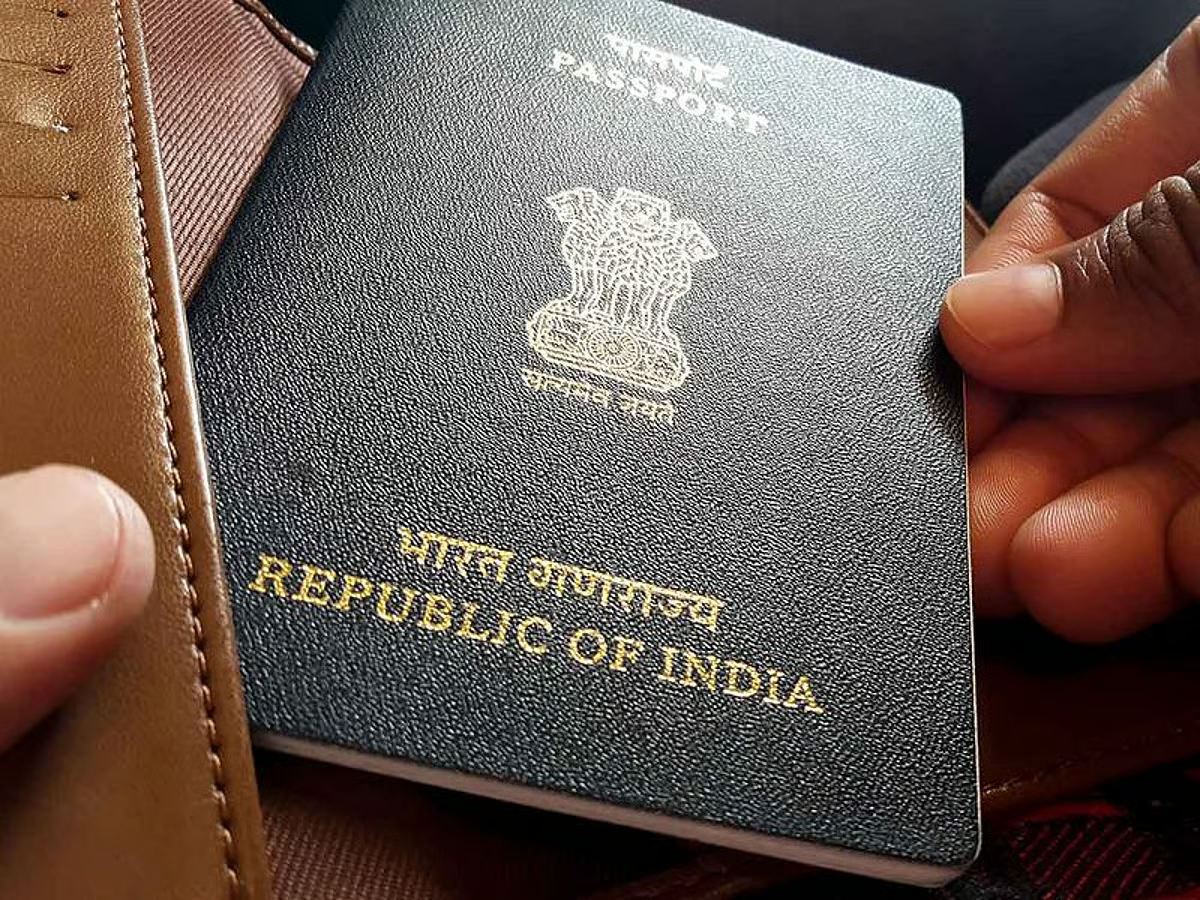
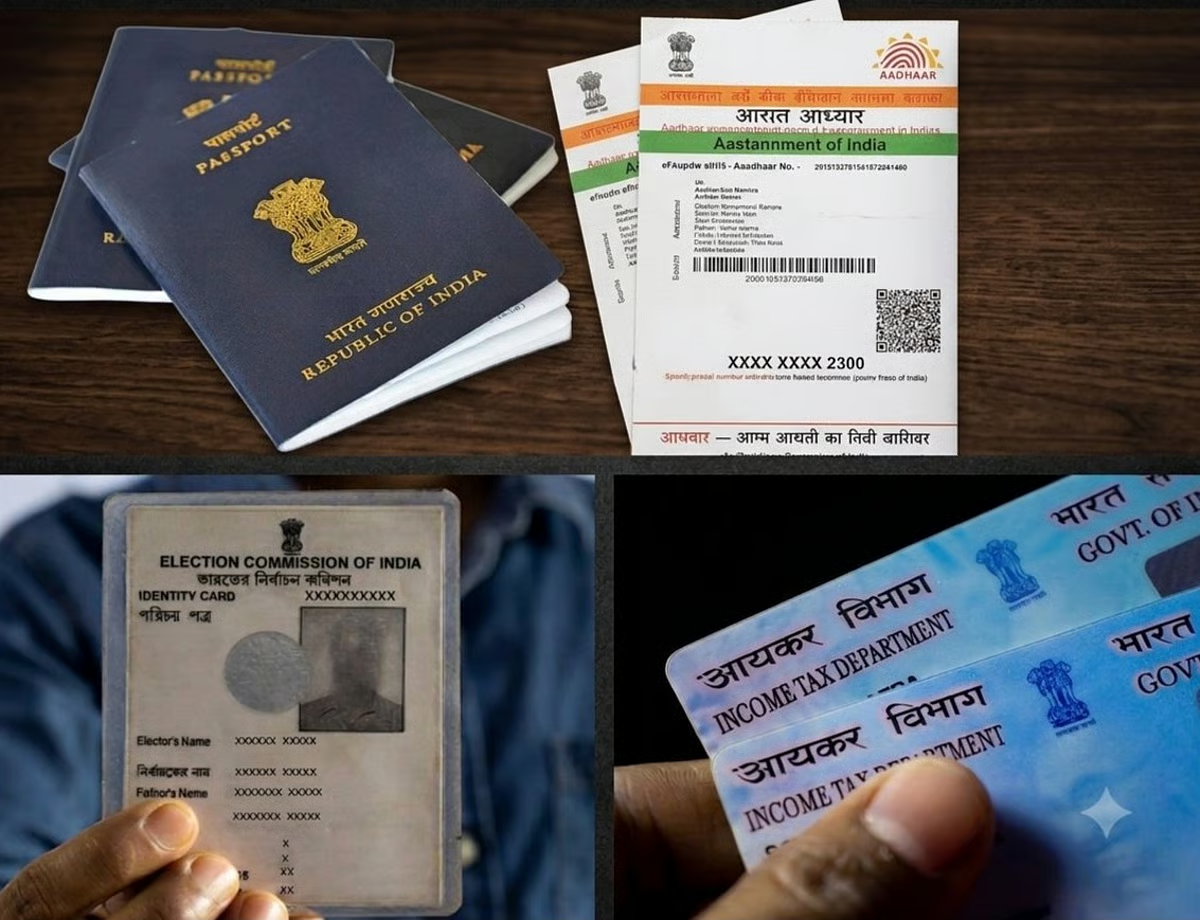
There are different documents one may possess to prove one’s identity, such as the Permanent Account Number (PAN), Aadhaar card, Voter ID card or even the highly coveted passport, ironically issued by the Ministry of External Affairs (MEA), certifying that one is an Indian. Notwithstanding all these, one is still not a bona fide citizen of India.A few weeks ago, the MEA declared that a passport is primarily a travel document and should not be treated as conclusive proof of citizenship. The remarks sparked intense criticism and triggered an avalanche of debate on social media over what determines the citizenship of Indians. Many asked why the government was diluting the value of some of its most trusted documents, all issued after stringent verification and the personal guarantee of the beneficiary, in this case the citizen and/or voter.
The government washed its hands of the issue through a routine statement, saying there was no sudden policy shift and that the legal position on passports was not new. To add to the confusion, MEA officials sought refuge in the Passports Act, 1967, which, according to them, “clearly provides that passports may be issued to non-citizens under certain circumstances.”A passport itself is not granted in a vacuum. It depends on other documents issued by different ministries and departments of the government. While the PAN card is more to do with income tax, it is linked to Aadhaar and bank accounts. These ID proofs are again linked to the issuance of a passport after police verification, which allows the holder a legal claim to be an Indian abroad.The government has a point when it says that a passport alone cannot be considered conclusive proof of citizenship. Nevertheless, proof of citizenship is non-negotiable, and the onus of providing such a certificate lies solely with the government.