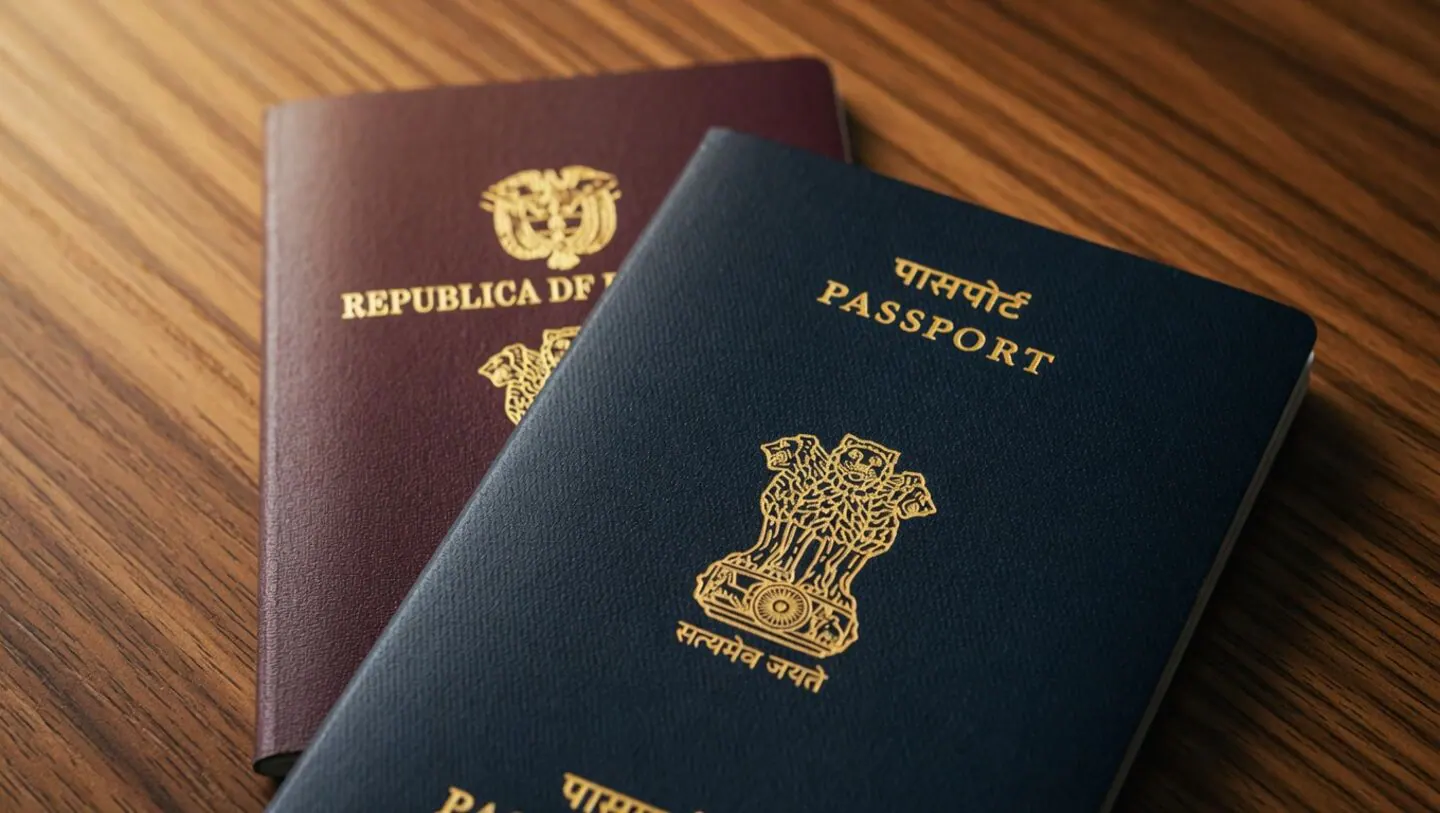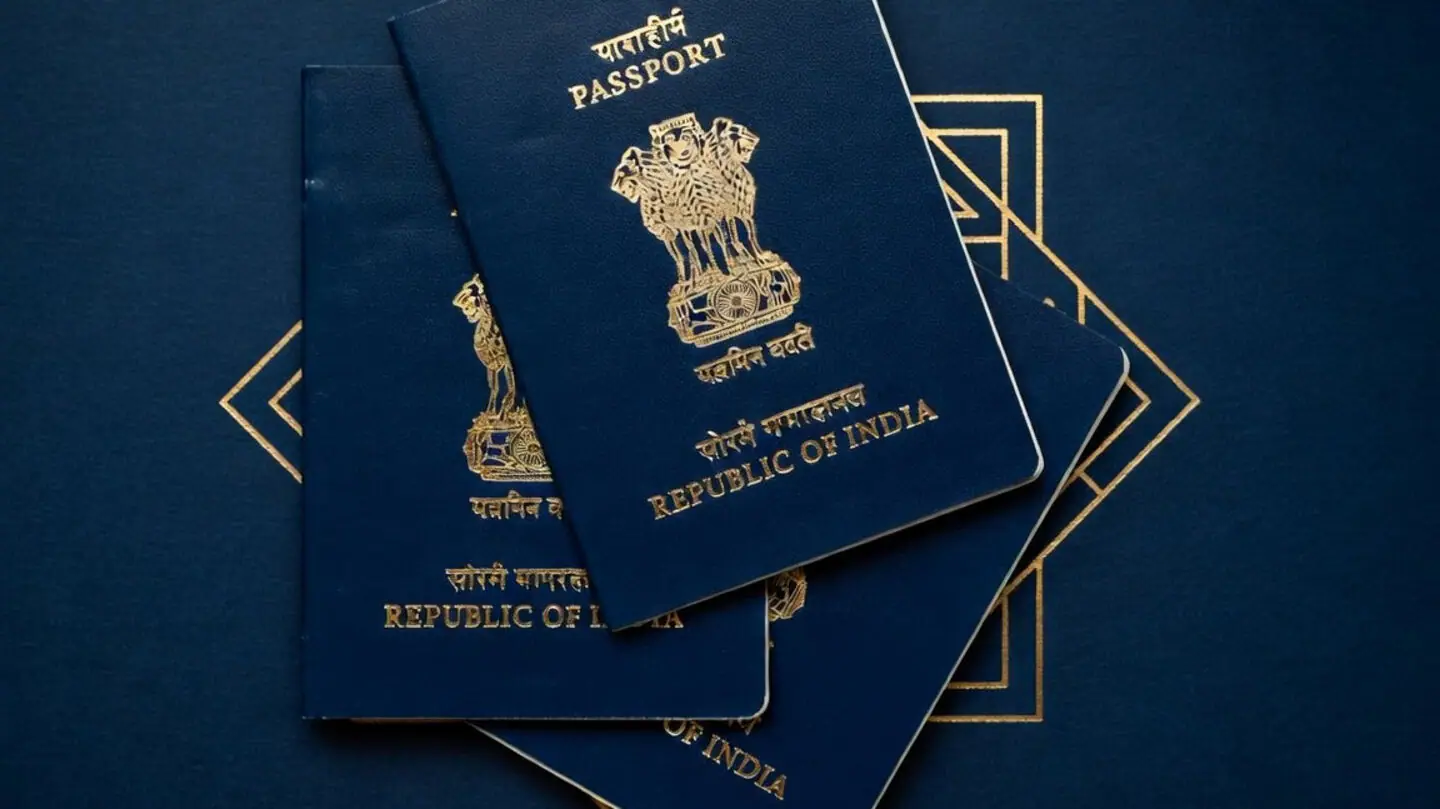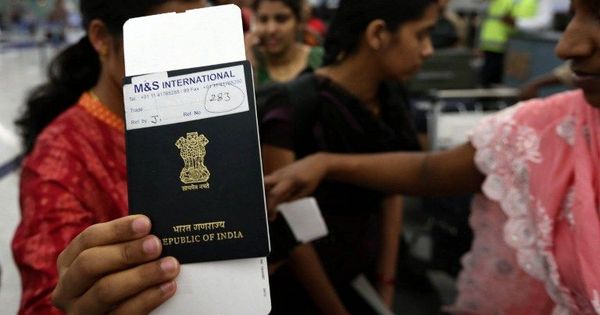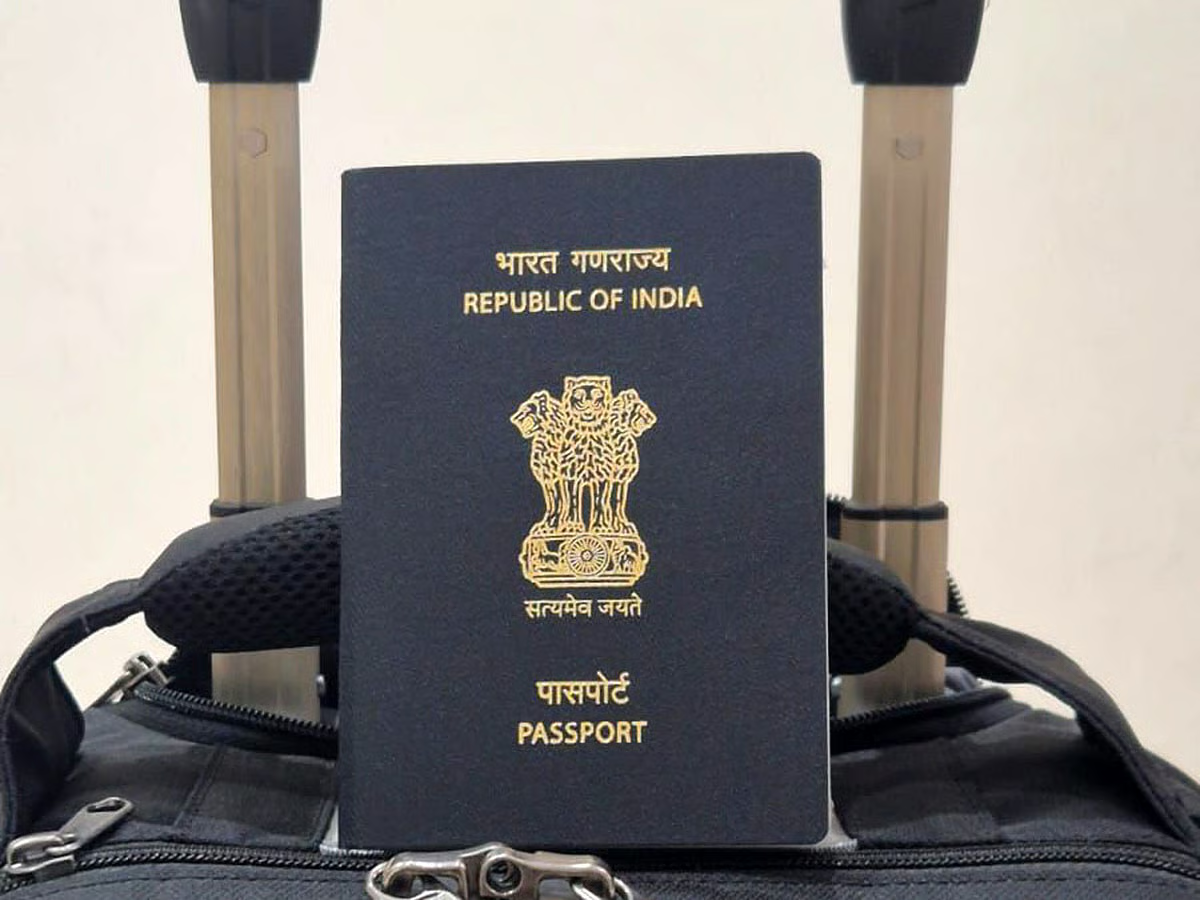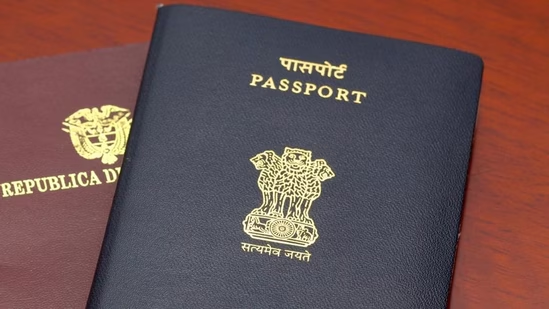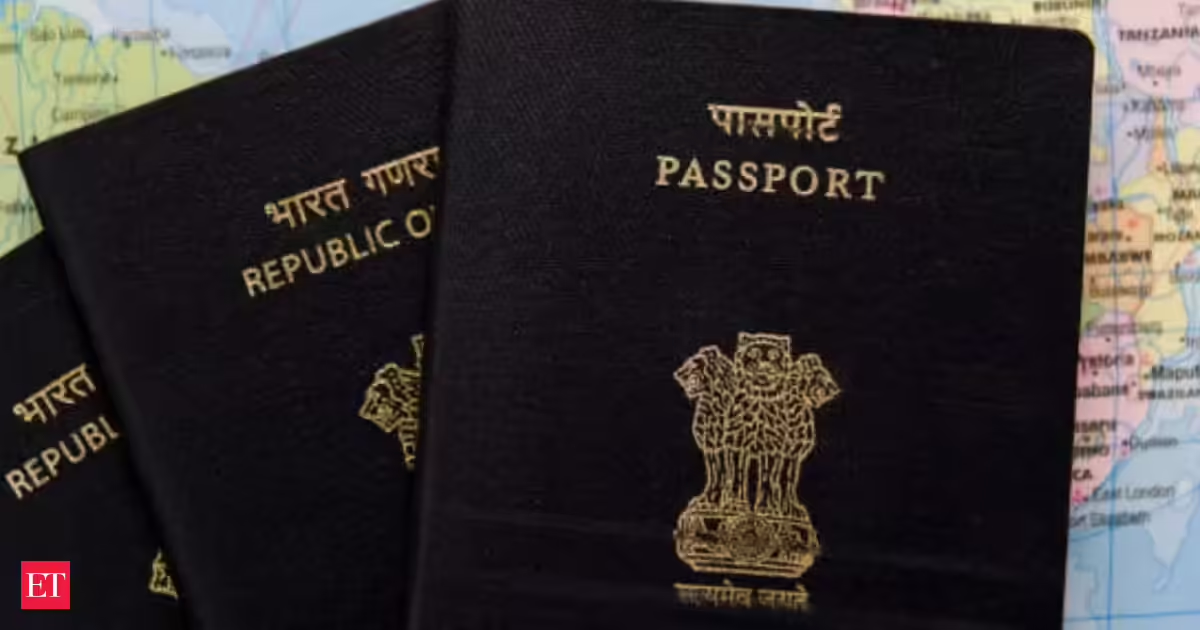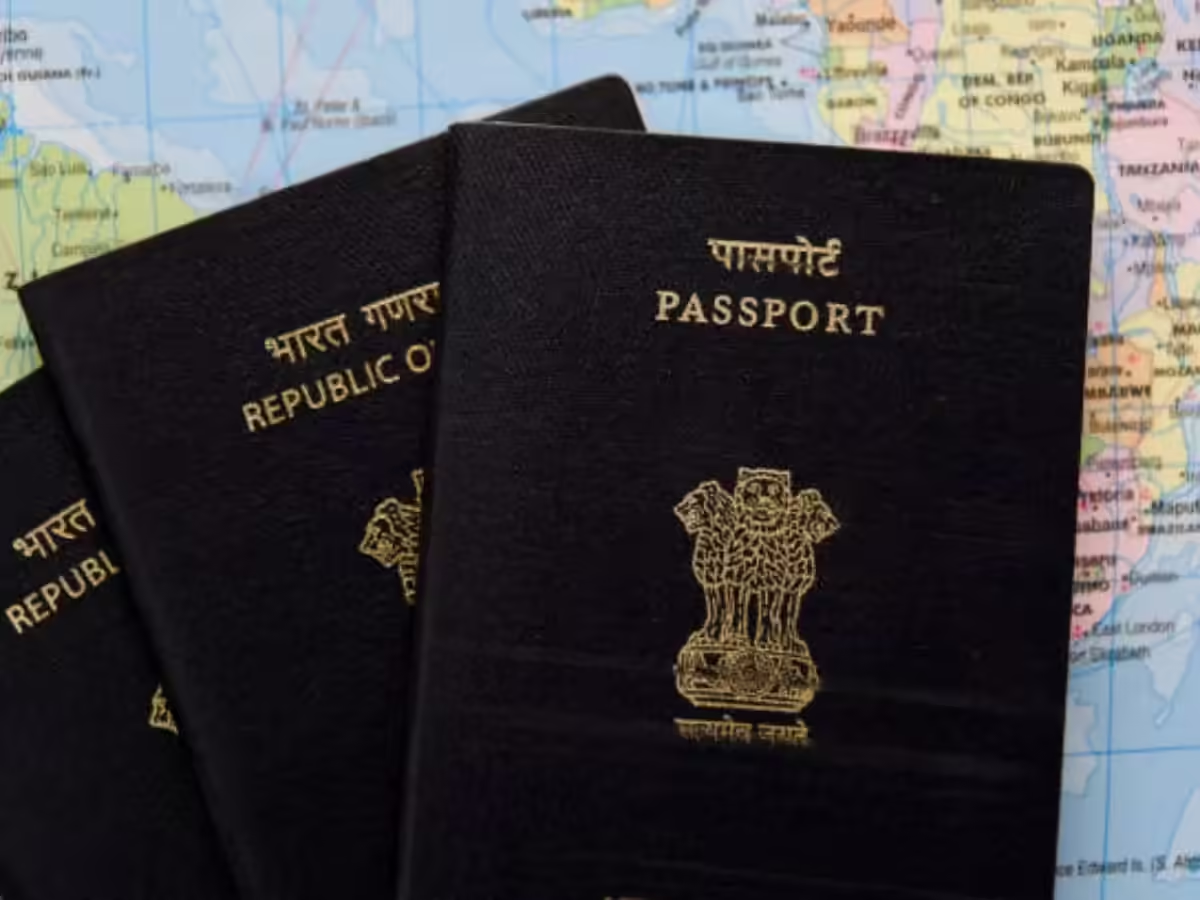
A debate has erupted in India after the government clarified that a passport has never been considered conclusive proof of citizenship. The clarification cited Section 20 of the Passports Act, 1967, which allows passports to be issued in certain cases to non-citizens.The controversy has sparked fresh interest in a document that billions of people carry but few know much about.So, where did passports come from? Who invented them? And how did they become one of the world's most important travel documents?The answer takes us back more than 2,500 years—long before airports, visas and immigration counters existed.History of PassportsThe history of passports begins in ancient Persia, where rulers issued letters granting travelers safe passage through their territories. What started as a simple travel permit eventually evolved into the powerful identity document carried by billions of people today. The world's first passport may have come from ancient ancient Persia Historians trace one of the earliest known passport-like documents to the 5th century BCE. According to the biblical Book of Nehemiah, Persian King Artaxerxes I provided Nehemiah with a letter requesting governors of neighboring lands to allow him to travel safely and provide assistance on his journey. While it looked nothing like the modern passport, the document served the same purpose: proving identity and granting safe passage. Medieval kings controlled who could travel During the Middle Ages, rulers across Europe began issuing travel documents to merchants, diplomats, and messengers. These papers allowed people to pass through city gates, ports, and kingdom borders without being detained. The word "passport" is believed to have originated from the French phrase meaning "to pass through a port" or city gate. There was a time when passports were not required. Surprisingly, passports were not always mandatory. In the 19th century and early 20th century, many people could travel across European borders with little or no documentation. International travel was often easier than many people imagine today.World War I changed everything The modern passport system emerged during World War I. Governments tightened border security to prevent espionage and monitor the movement of people during wartime. Temporary identity checks introduced during the conflict soon became permanent. Countries realized that passports helped control migration, improve security, and verify identities.In 1920, the League of Nations held an international conference to create a common passport format. This led to standardized passport sizes, photographs, personal information pages, and other features that are still used today. The move made international travel more organized and reduced confusion at border crossings. Over the decades, passports evolved from paper documents into sophisticated identity tools. Modern e-passports contain electronic microchips storing biometric data, making them harder to forge and easier for authorities to verify. Many countries now use facial recognition and automated immigration gates linked directly to passport information. More than a travel document A passport is much more than a booklet filled with stamps. It is a symbol of citizenship, identity, and freedom of movement. From a king's letter in ancient Persia to biometric chips in the digital age, the passport's journey spans over two millennia of human history. The next time you pull out your passport at an airport, remember: you're carrying a document whose roots stretch back to one of the world's earliest civilizations.
Passport not proof of citizenship? The 2,500-year-old history behind the travel document
A recent government clarification in India, stating passports aren't conclusive proof of citizenship, has ignited interest in the document's history. Originating over 2,500 years ago in ancient Persia as a safe passage letter, passports evolved through medieval Europe and were standardized after World War I. Today's e-passports, with biometric data, represent a millennia-long journey from simple permits to vital identity symbols.
538 words~2 min read