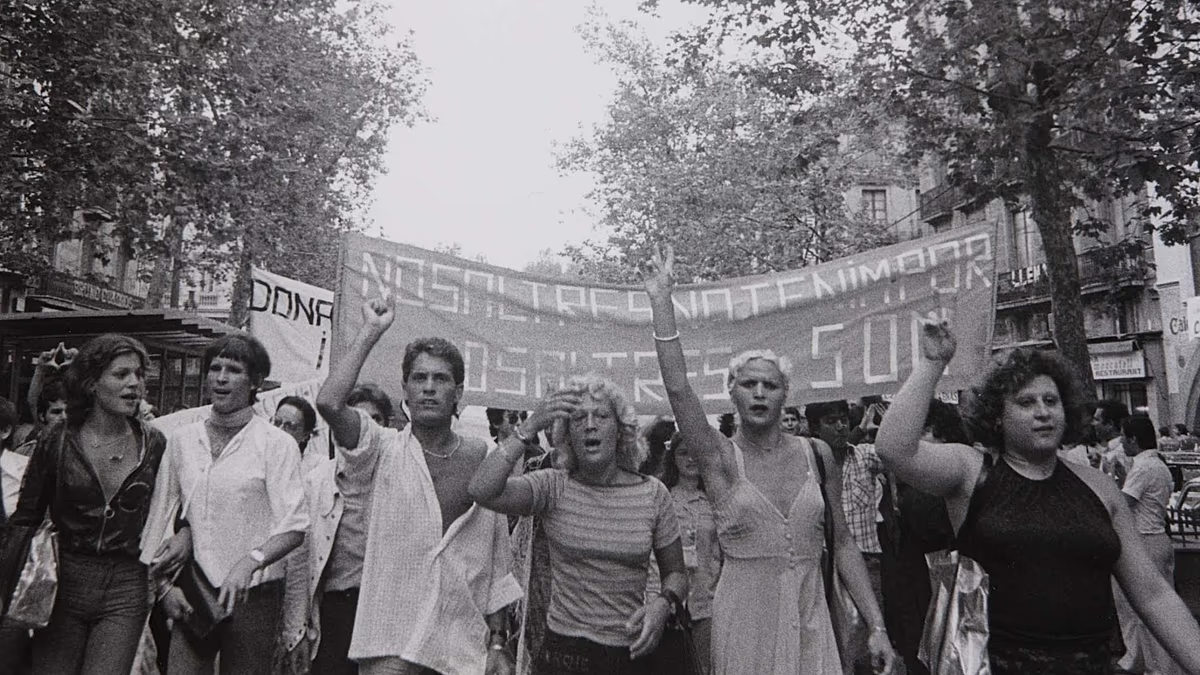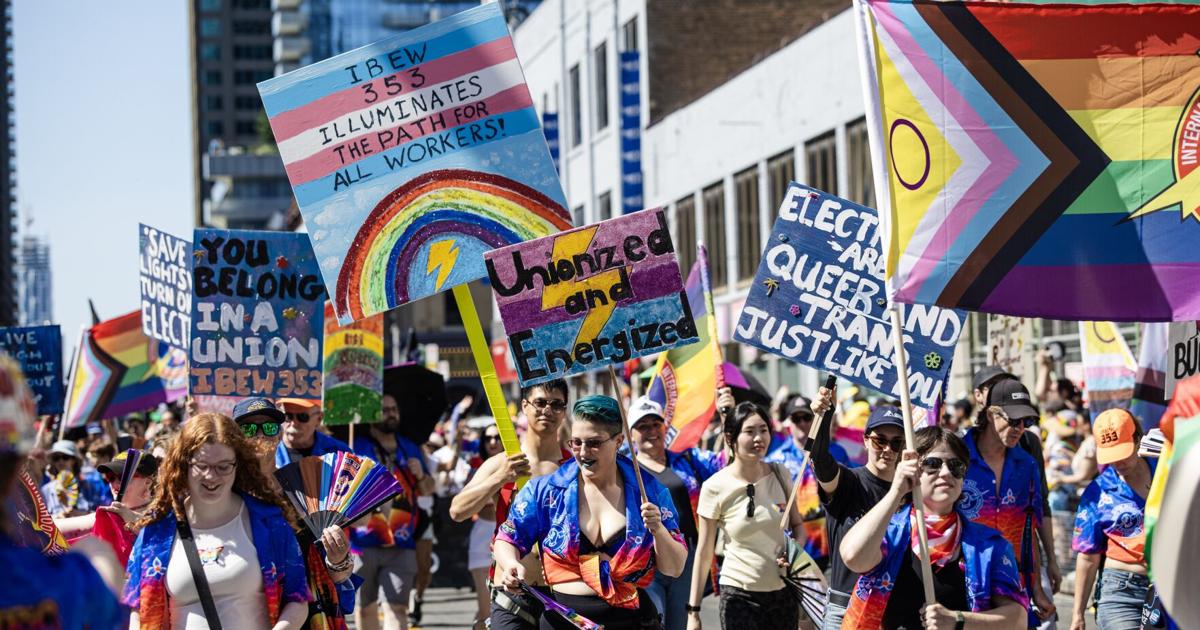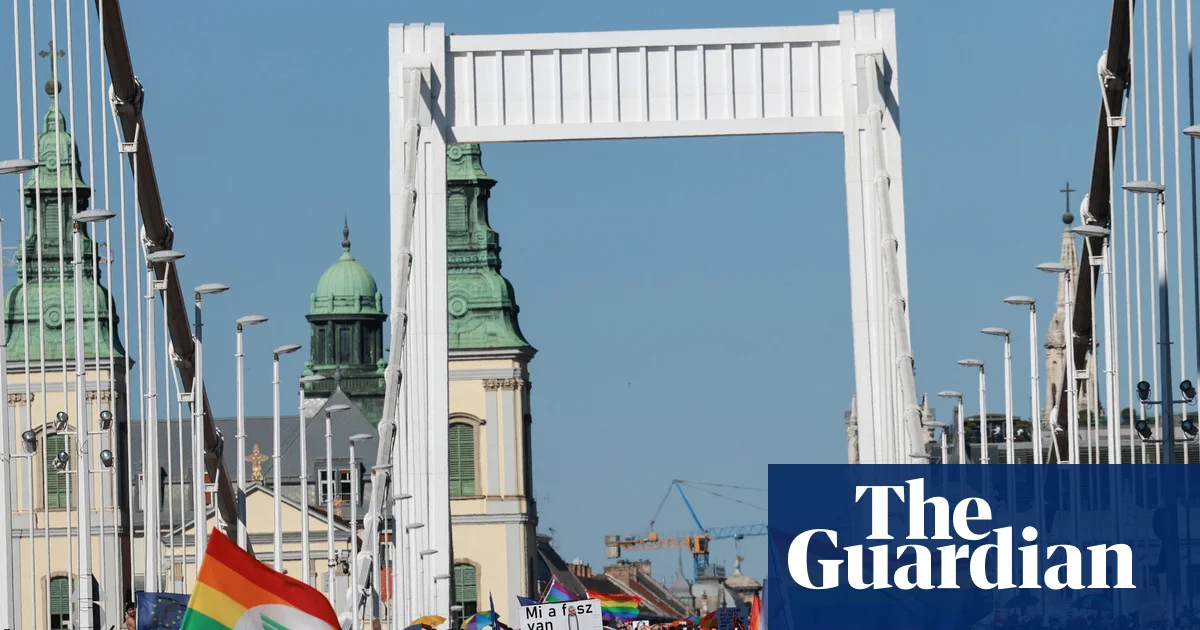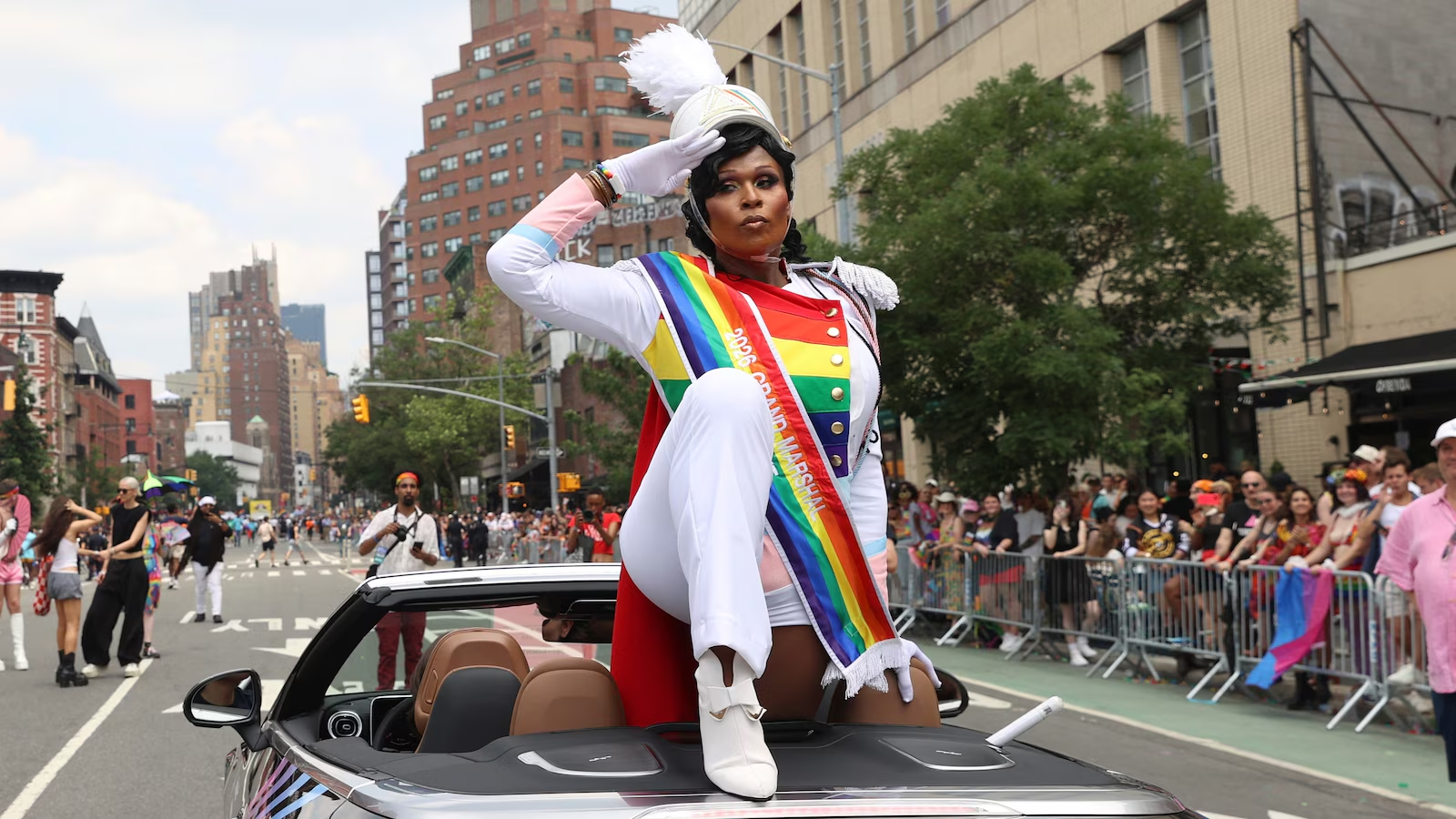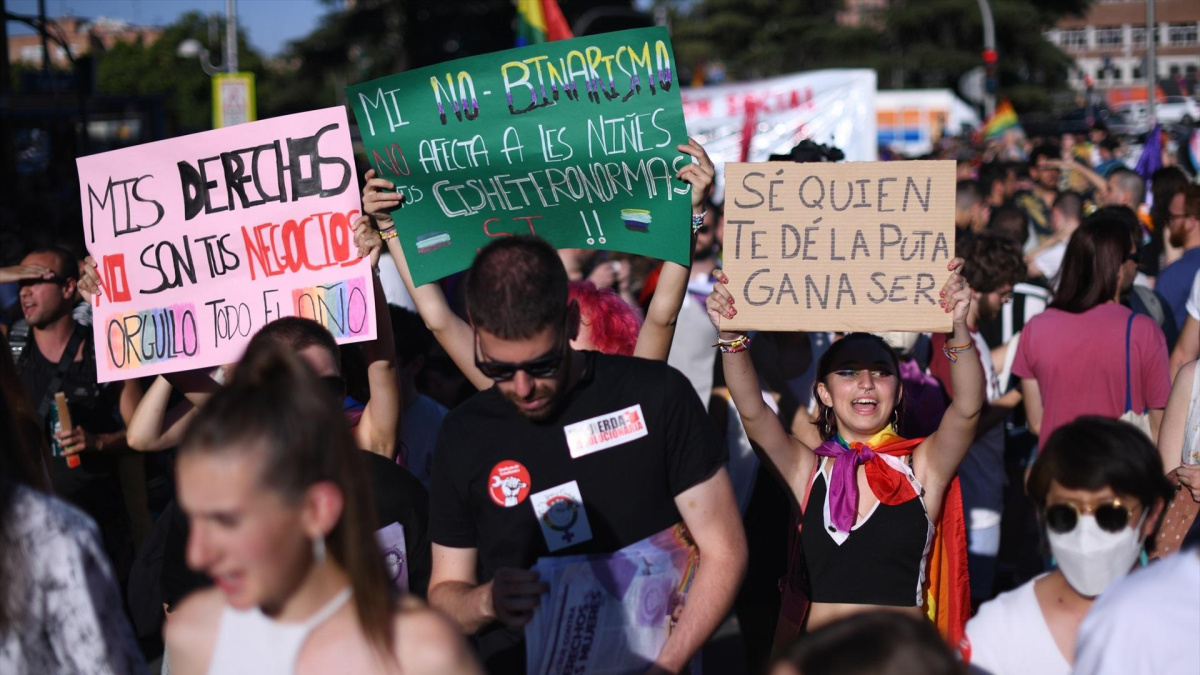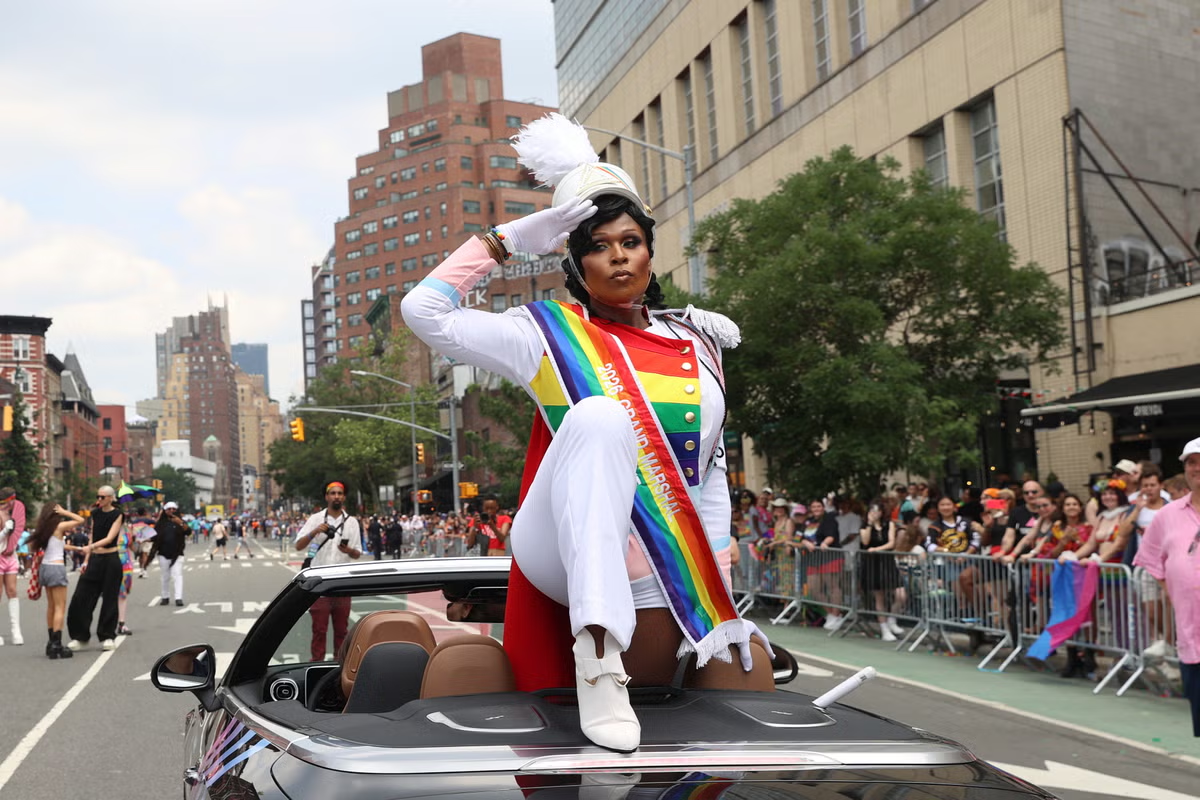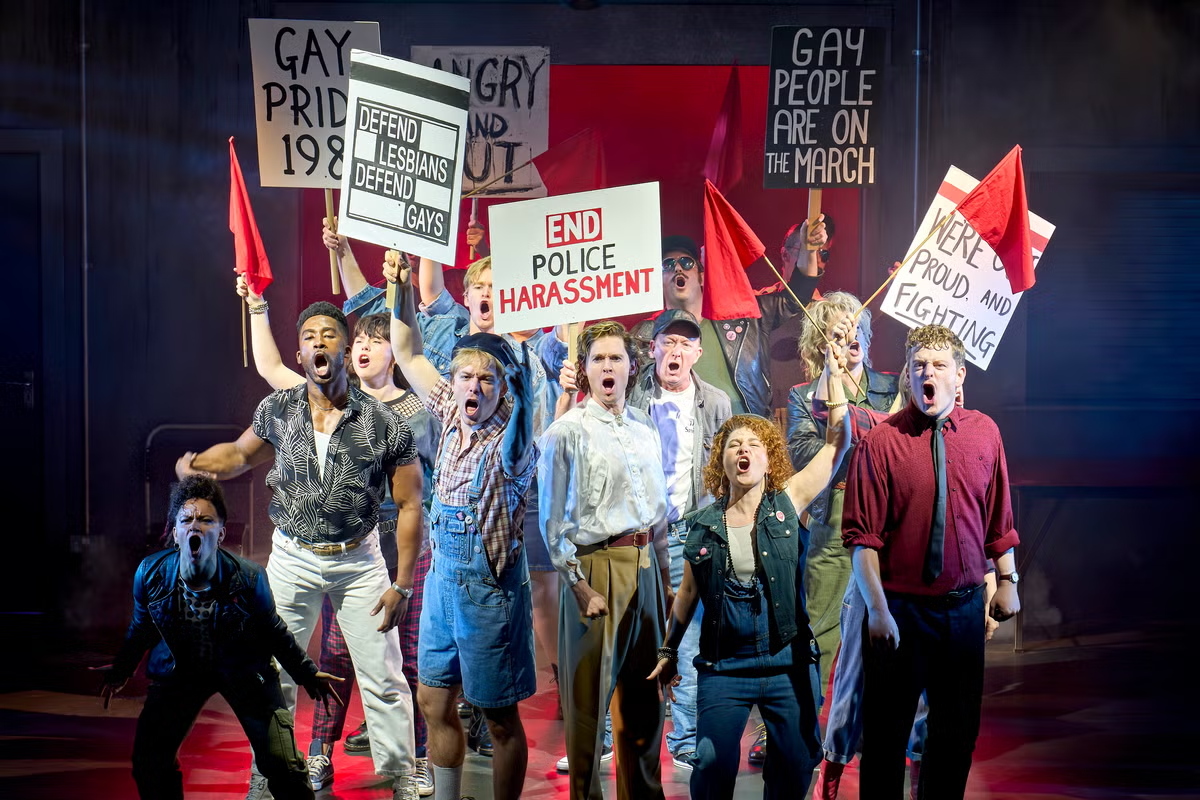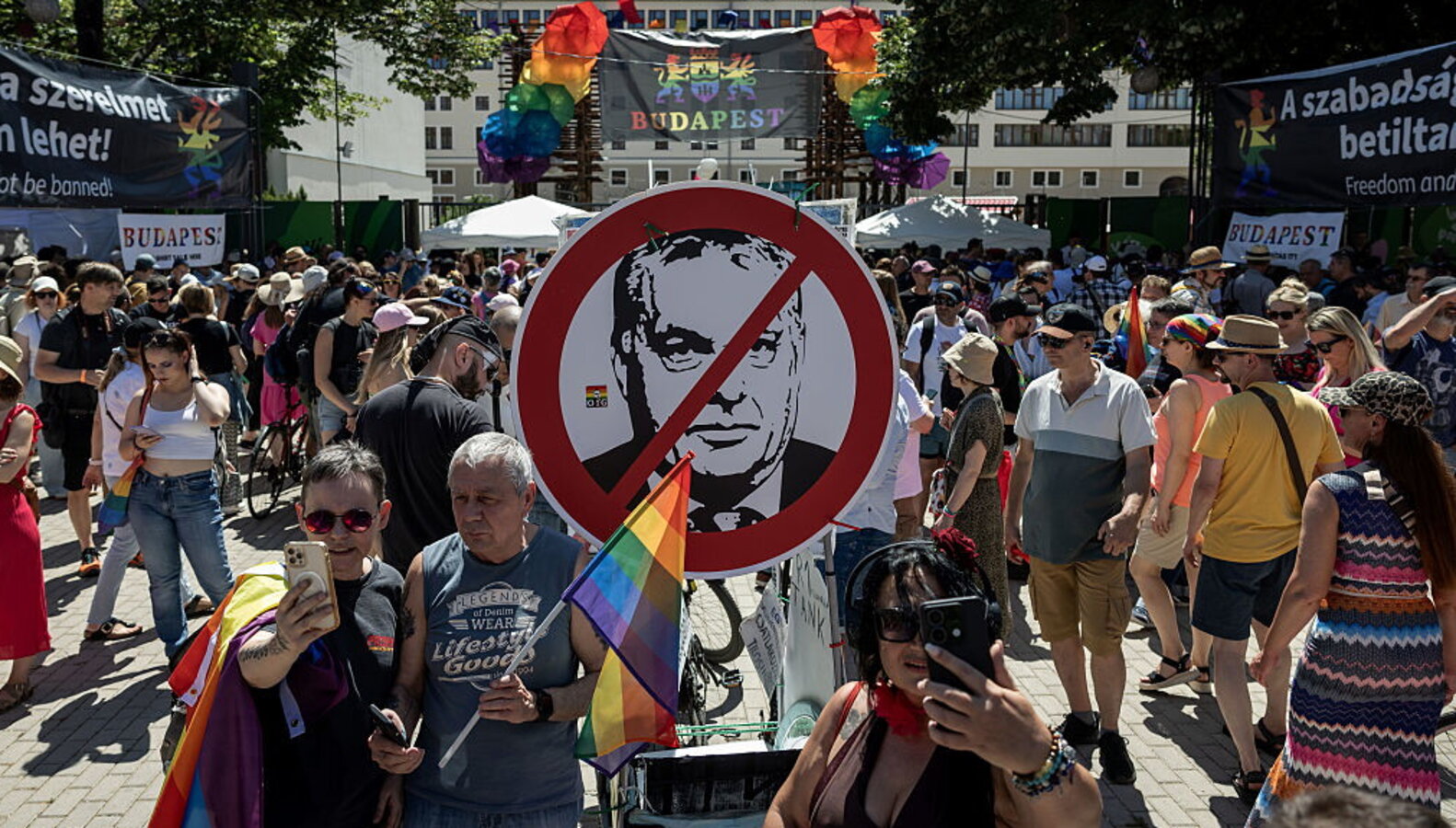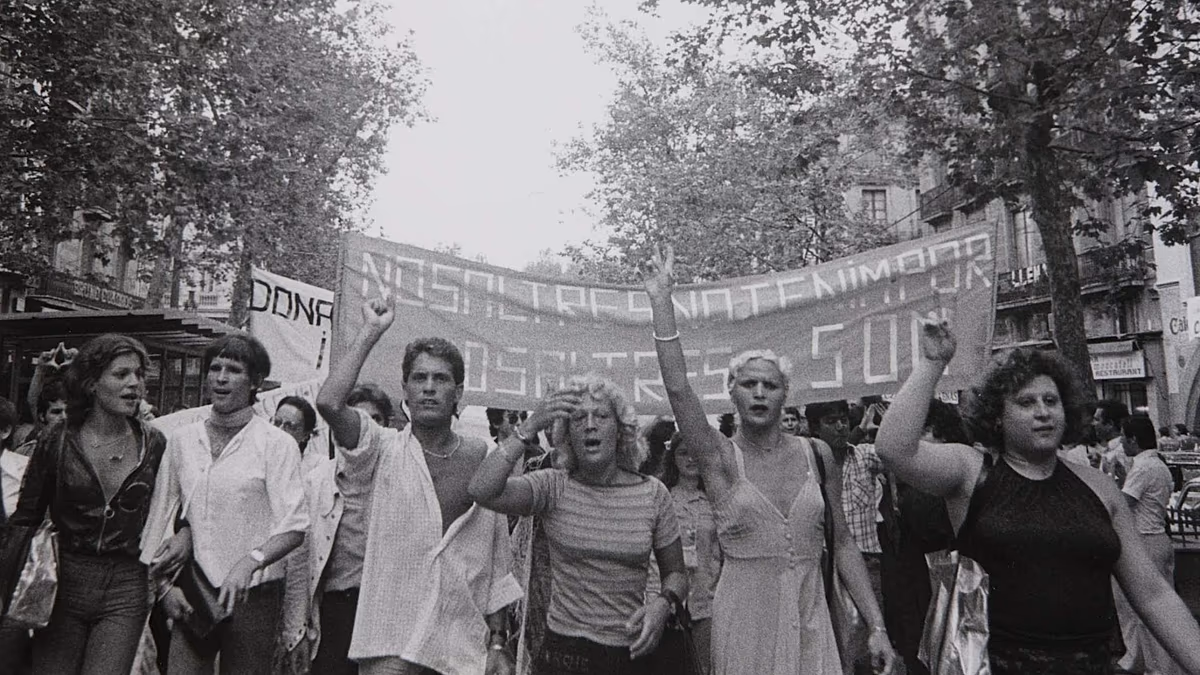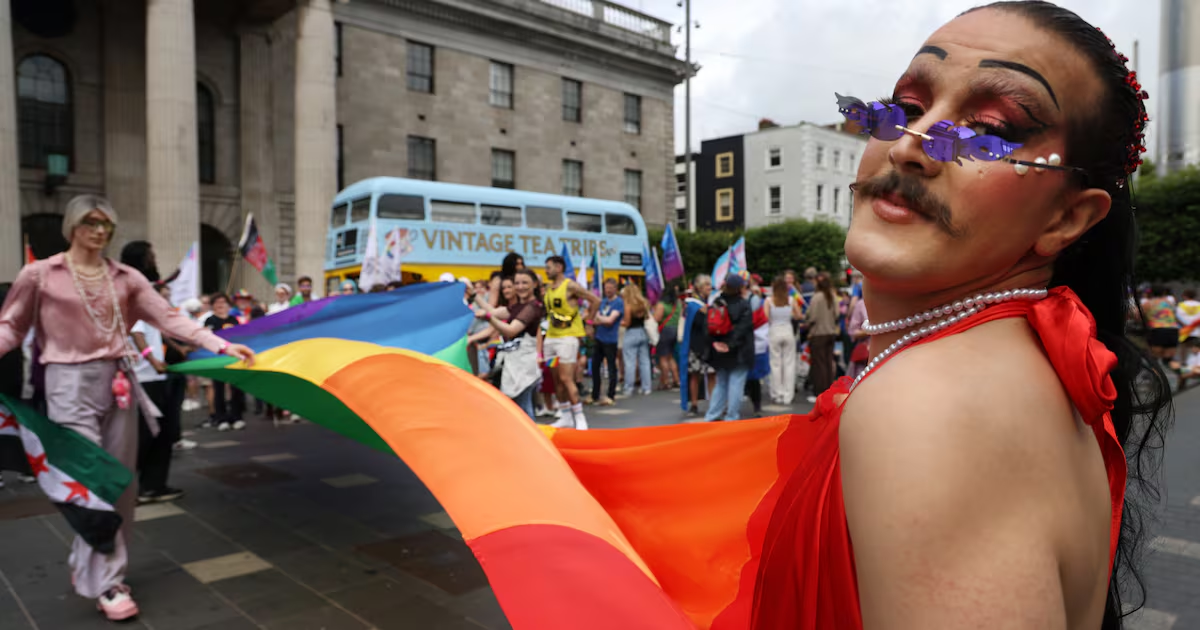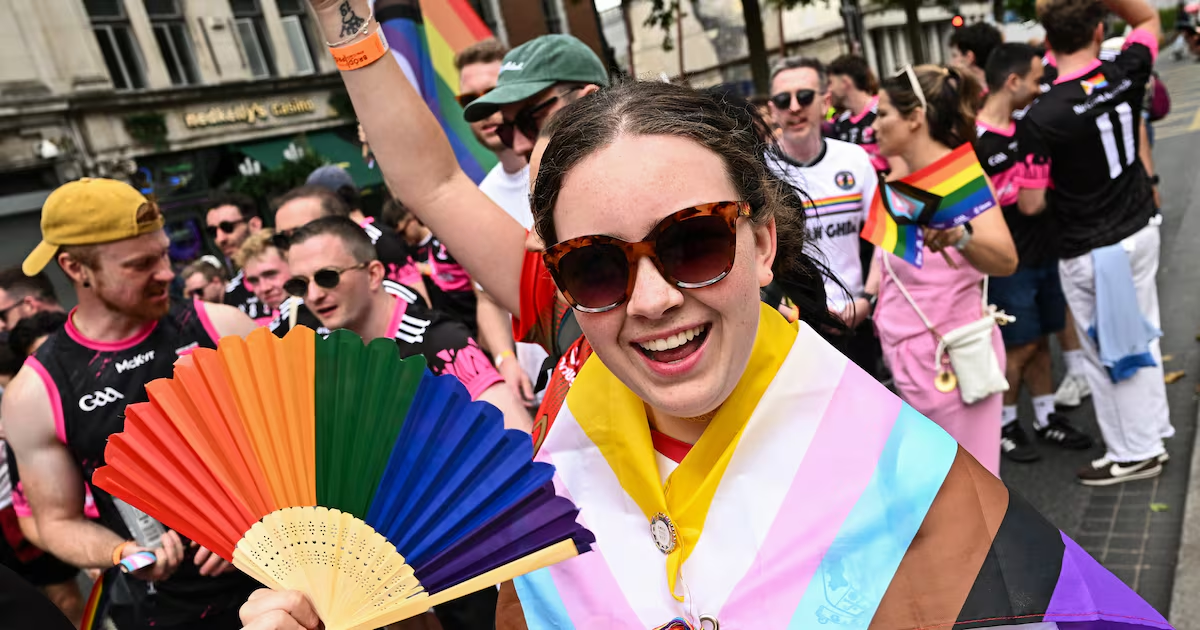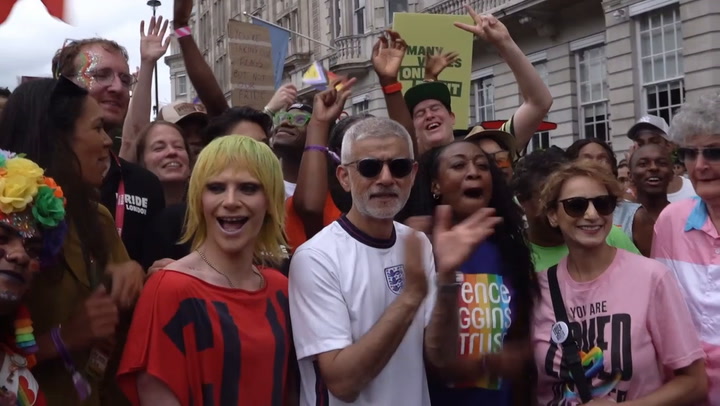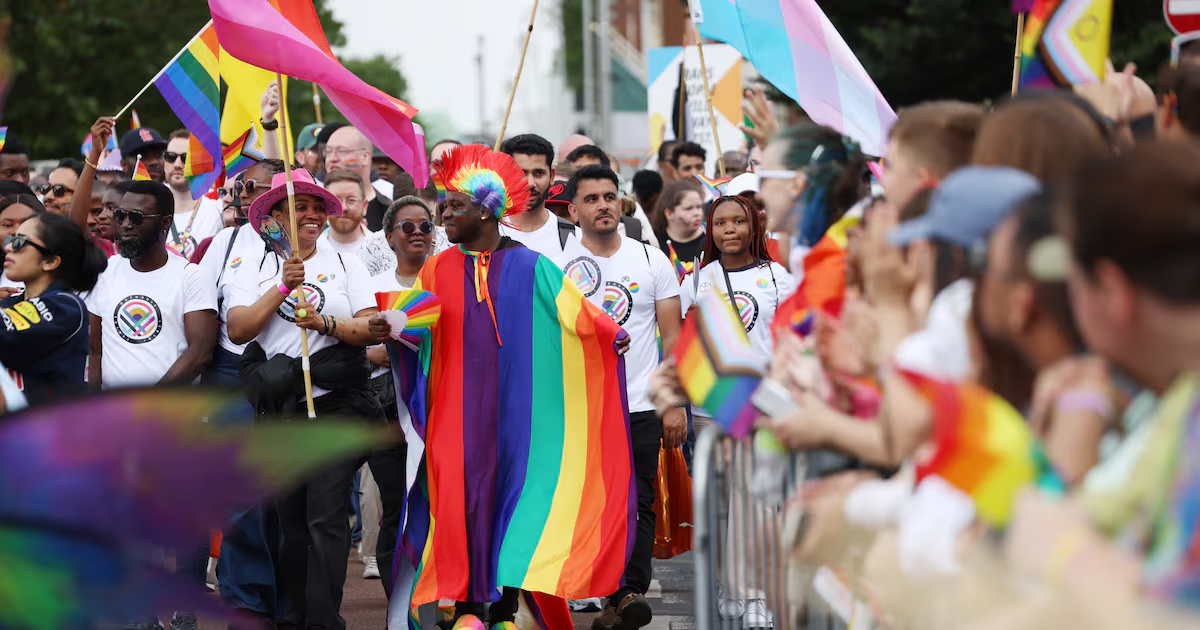
In 1974, the year of the first Gay Pride march in Britain, the Irish Gay Rights Movement (IGRM) was established, and a handful of people marched to the Irish Department of Justice carrying banners, including one that announced, “Homosexuals Are Revolting”. The first Irish Pride march took place in 1983. The IGRM’s campaign for law reform took almost 20 years and culminated in the decriminaliastion of homosexual acts between men in 1993. Employment equality acts from the late 1990s onwards and The Equal Status Act of 2000 were followed by the Civil Partnership Act in 2010, voters’ endorsement of marriage equality in 2015 and the Gender Recognition Act the same year.Despite these milestones on the path to equality, and active Diversity, Equality and Inclusion (DEI) measures from employers, fear arising from sexual and gender diversity has by no means disappeared. The shift to right-wing populism internationally has been accompanied by a resurrection of prejudice and discrimination. In 2025, many major US companies began to row back on DEI policies and the US State Department argued such policies are a violation of human rights.According to research this year from the 30 per cent Club that campaigns for women in corporate leadership, 52 per cent of the businesses in Ireland surveyed have reduced their DEI budgets. The picture in Europe is mixed. The International Lesbian, Gay, Bisexual, Trans and Intersex Association (ILGA) praises Ireland’s LGBTI inclusion strategies, and the commitment to equality in Spain, Denmark and Finland, but it highlights that Poland still lacks fitting legislation on recognition of same-sex couples’ rights. In Austria, a proposal to ban conversion practices remains stalled, while the EU’s Court of Justice has criticised aspects of the law in Hungary.This weekend’s Pride events are a reminder, not just of the road travelled in this country and impressive progress, but also the need for State, employers and citizens to remain active in protecting and promoting equality when it comes to gender and sexual identity.
The Irish Times view on the Pride Festival: the long road to equality
This weekend’s events are a reminder of the road travelled and work still to be done
327 words~1 min read