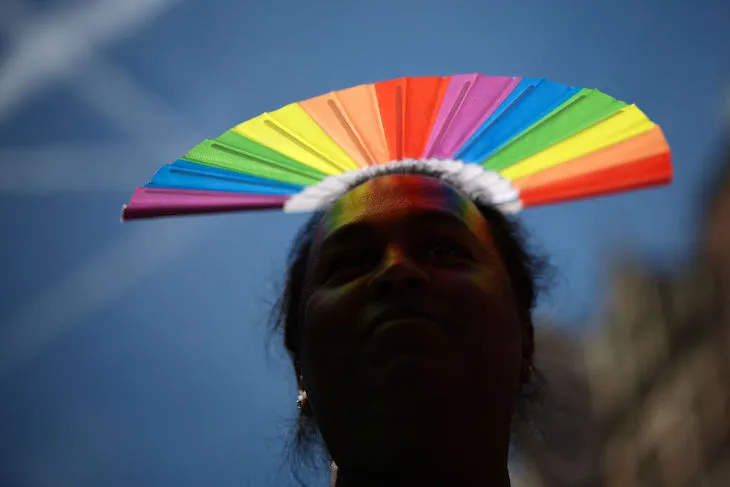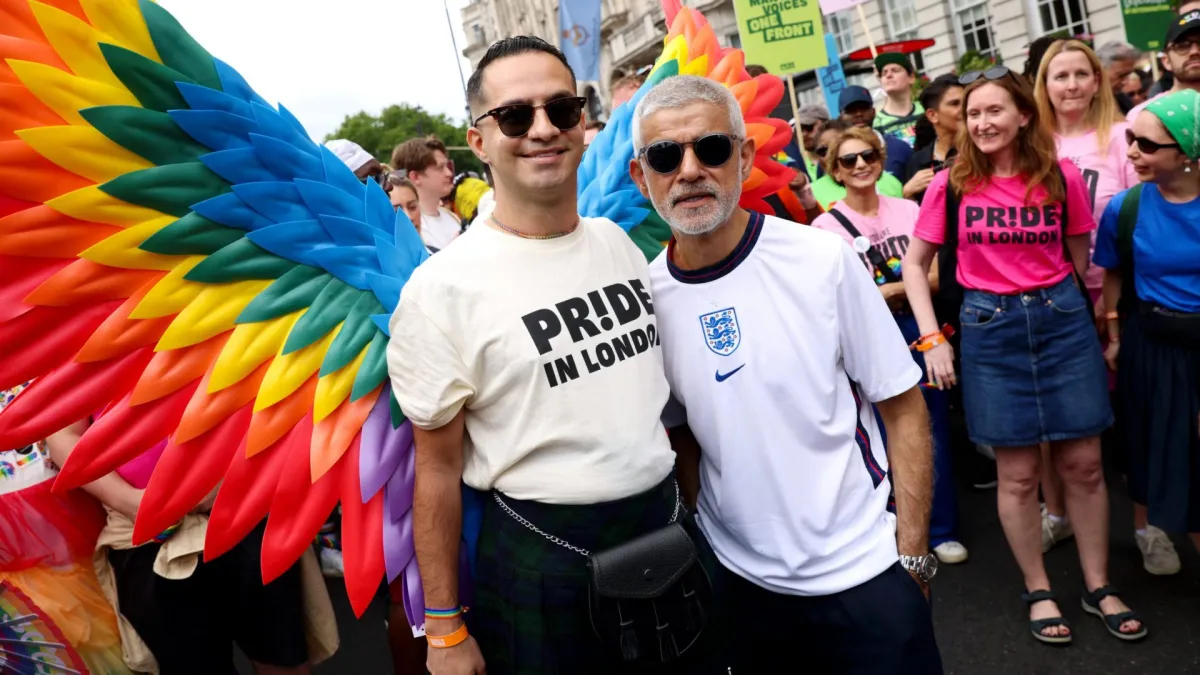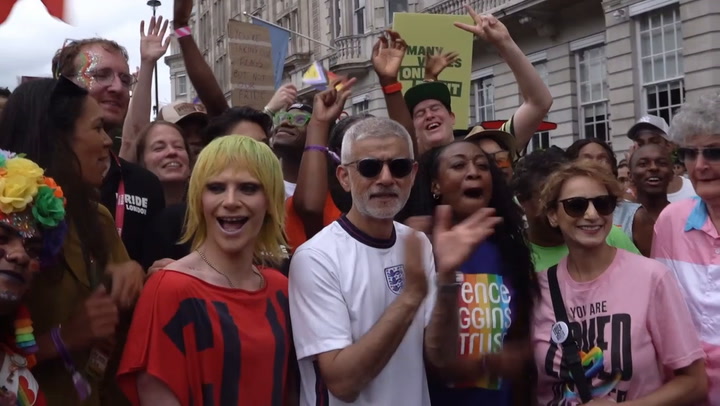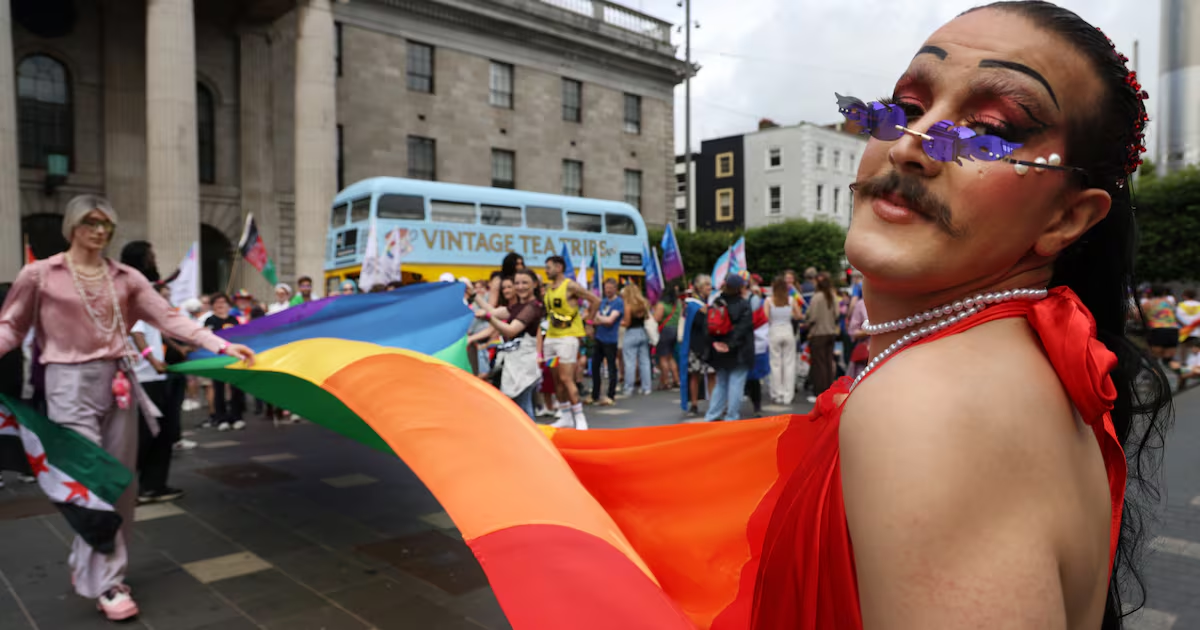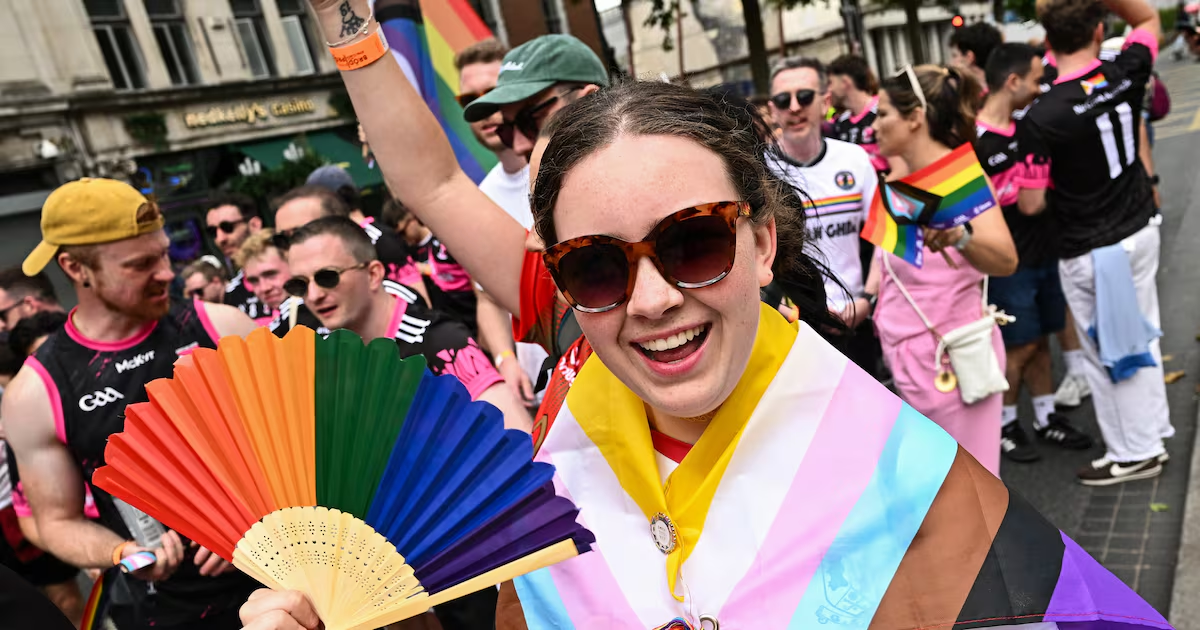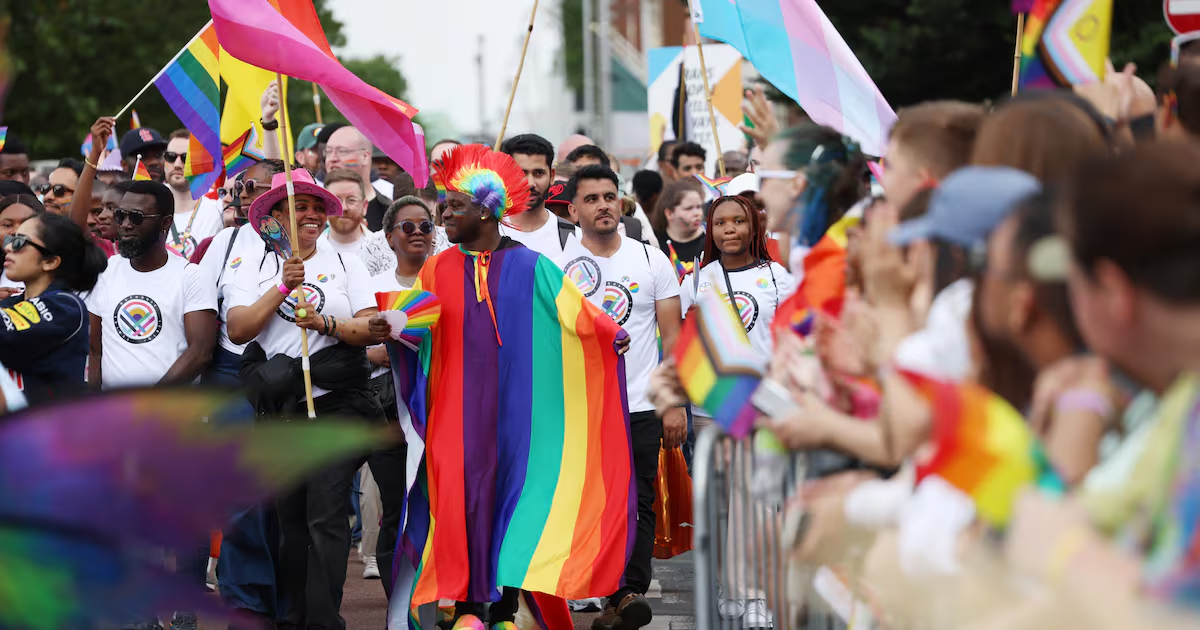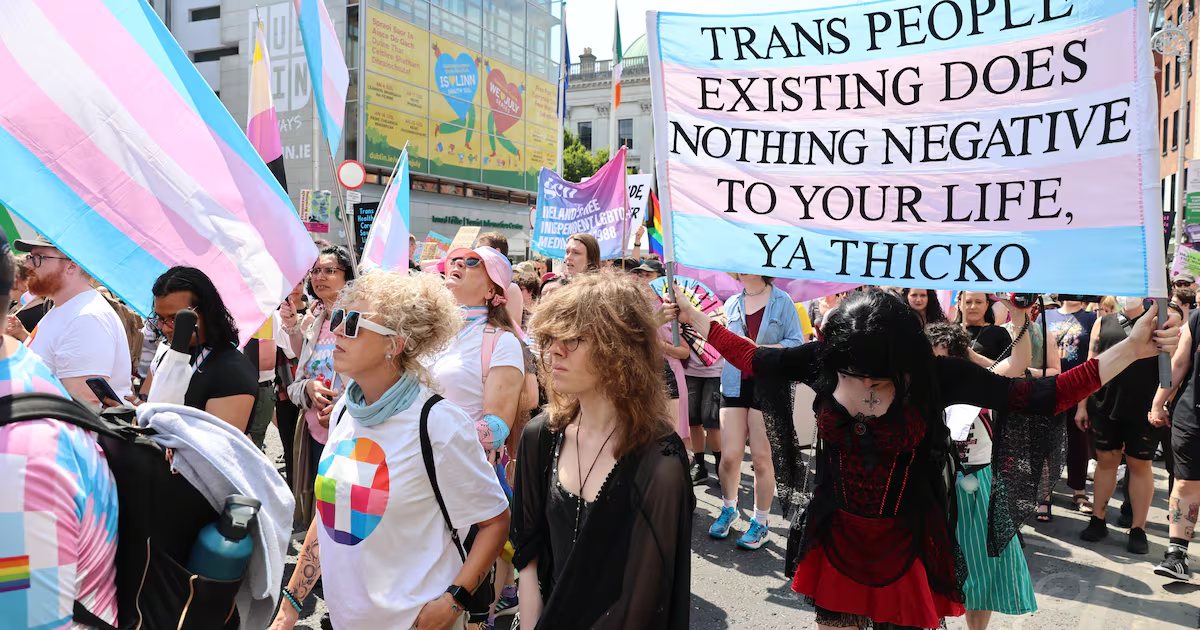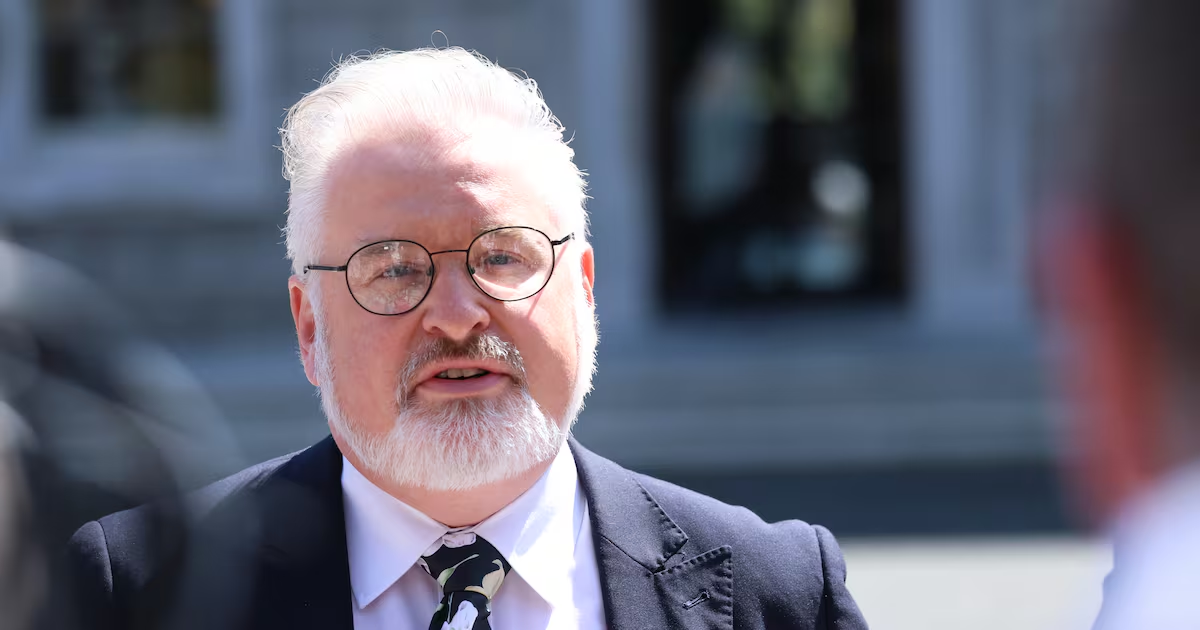
Every year, LGBTQ+ Pride events grow bigger in Ireland. The celebration that took over the capital on the last weekend of June felt more urgent and joyous than ever. And yet these are not universally fun times for the community, particularly for trans people. Those narratives form part of the tangled tapestry of the far-right and rising authoritarianism, especially directed at trans women, and trans and nonbinary youth. A global community contends with many things in many jurisdictions. But community is built locally. Simultaneously, there’s a strong desire to maintain and progress rights and protections and resist regressive rightwing attacks on identity, safety and freedom. In Ireland’s case, the lack of trans healthcare is chronic and profound. But the community is strong, inclusive and appreciates what solidarity means for all its members. This is the strength that built the activism that generated legislative and social progress. Walking Dublin’s streets over the course of Pride weekend, it was once again brought home to me how vital it is for this community to come together. That sounds like a cliched sentiment, but it is true. Dublin’s Pride events may be Ireland’s largest given the size of the LGBTQ+ population in the city, but Pride is ever more vital in smaller cities, towns and villages. This is especially the case when there’s a layer of anti-reality laid over negative discourse: the digital layer. This is particularly evident in the hysterical domain of Elon Musk’s platform, but also in the comment sections of Facebook and Instagram where many people think their homophobia and transphobia is something to be displayed proudly. If the online world was your whole experience, you’d think the community is in some sort of internal crisis, that we’re at each other’s throats and fracturing. But that is not true. The manufactured discourse is at odds with the real experience. But this online discourse has a strange habit of leaking into real life, especially when there’s attention to be sought. The Independent Ireland TD from Cork, Ken O’Flynn, stood up in the Dáil in the days running up to Dublin’s Pride march. Taking a break from submitting an astonishingly high number of parliamentary questions, which the Department of Health believes bear the hallmarks of AI generation, O’Flynn announced, “This movement has been hijacked.” He said: “Does anyone in this house know at this stage what the ‘plus’ even means or stands for any more?” We’ve heard all this kind of stuff before from the kinds of people who robustly fight against the rights O’Flynn enjoys as a gay man who got married. The key issue with it, though, is that what he was saying isn’t actually real. In a speech that was hyperbolic and confused, O’Flynn said flags should not be flown on State buildings for “competitive identity groups”. He did not mention that in 2015, he wanted a then-party colleague in Fianna Fáil, Terry Shannon, sanctioned for suggesting a rainbow flag be removed from flying above City Hall in Cork. At the time, O’Flynn called Shannon’s comments “offensive and hurtful”. I’m not sure what happened to O’Flynn between 2015 and 2026. Back in the real world, Ireland’s LGBTQ+ community was having a ball. Last year, the Dublin Dyke March was resurrected after a 25-year absence. It represents not just a diverse mix of lesbians, nonbinary people, trans people and others, but a sense of grassroots DIY activism and protest devoid of corporate interests.[ Blood donation and living my true authentic self have changed my life foreverOpens in new window ]The most vital bloc marching the day after at the main event were those calling for the gaps in trans healthcare to be addressed. These are the real issues, not the canned talking points that people who do not see themselves as part of the community bluster about.The LGBTQ+ community is not just a bloc of diversity within broader society. It is within itself incredibly diverse. That’s what makes it grow and connect so many different people from different backgrounds and experiences. Our most potent tool is solidarity. Solidarity isn’t just something that happens in the moment. It generates a form of binding memory that travels through time. This year, Durham in the northeast of England held its largest ever Pride march. How could that be? This is a place where Reform won control of the council, removed the rainbow flag from the council building and ended public funding for Pride. But the memory of solidarity is a potent thing. The Durham Miners’ Association stepped up, echoing the solidarity shown by LGBTQ+ people to British miners during the strikes in the 1980s. Along with other trade unions, it raised what was needed and marched alongside the LGBTQ+ community. How beautiful is that?O’Flynn is entitled to his opinions. But most of us live in reality, fighting for genuine issues rather than against spectres, generating connections with authentic allies. Most of us are not cosying up with those who seek to roll back rights for their own painfully obvious and regressive political ends. One of those things is a good time. The other is just a bad party.
Una Mullally: Ken O’Flynn’s Pride flag stance is a sign of the disconnect between online and real life
While the Cork TD complained about Pride flags on state buildings, Ireland’s LGBTQ+ community was having a ball back in the real world
854 words~4 min read