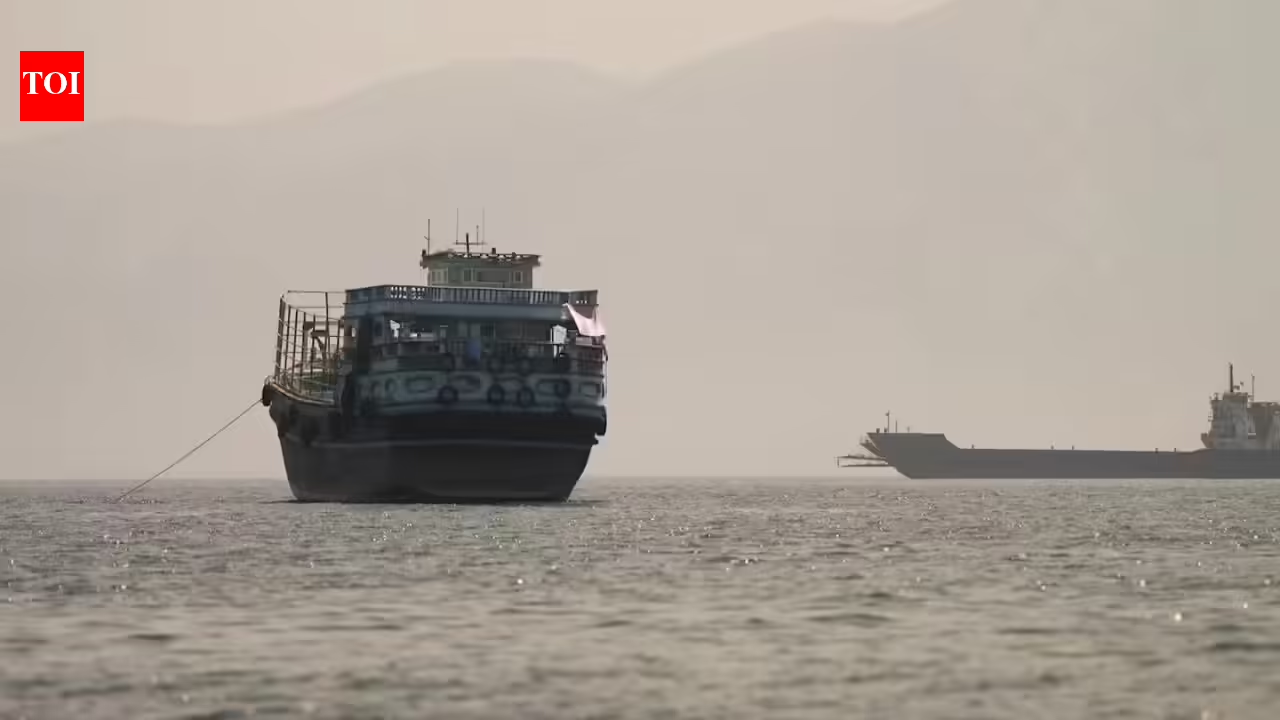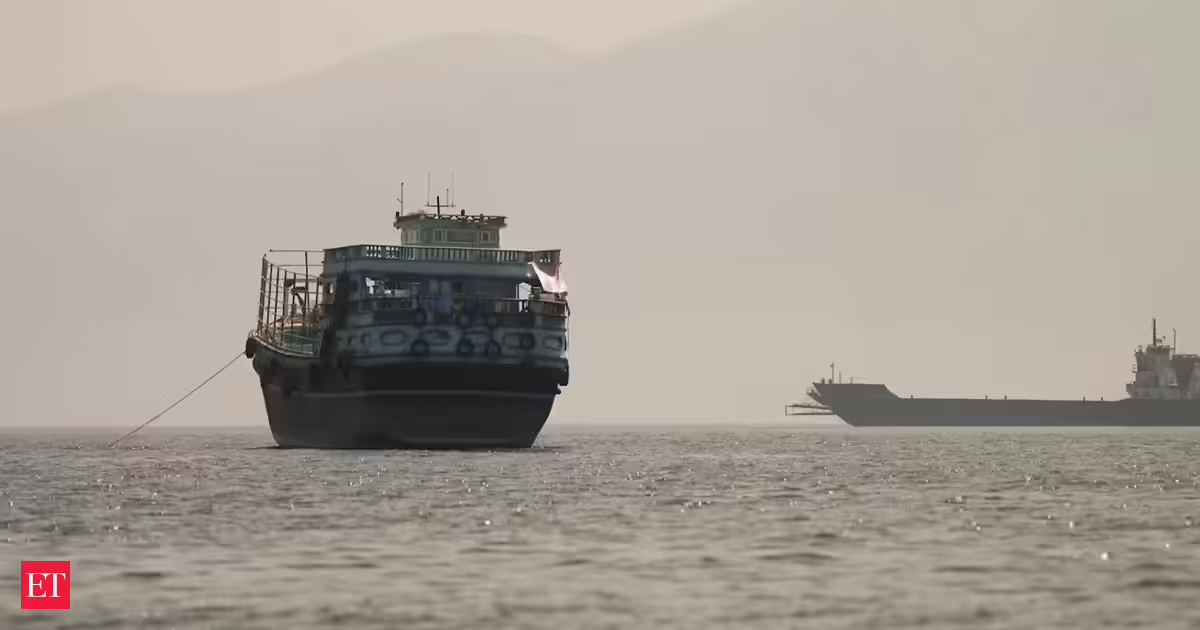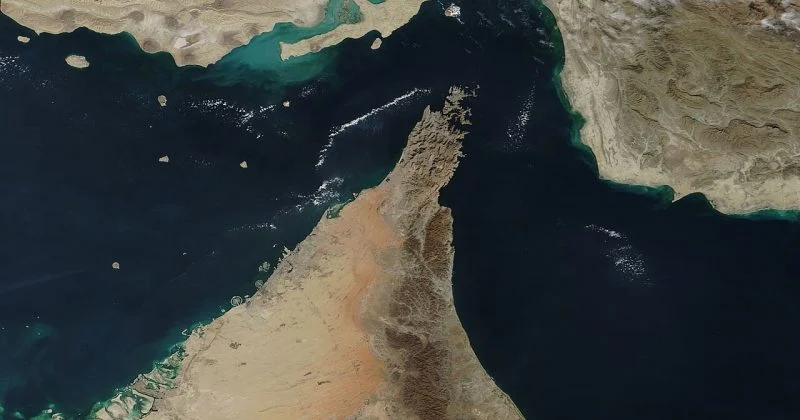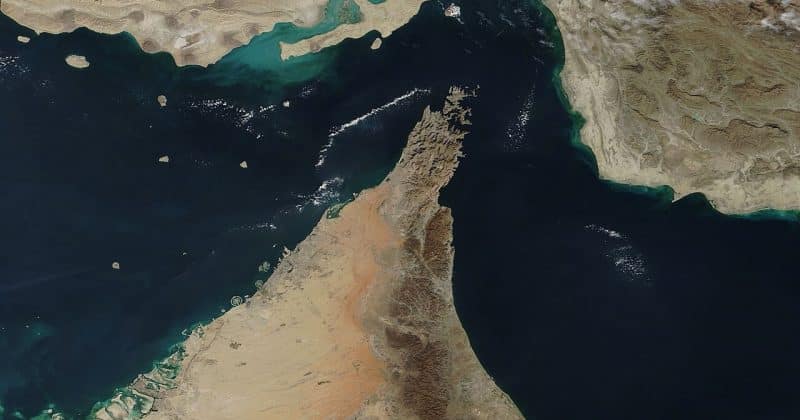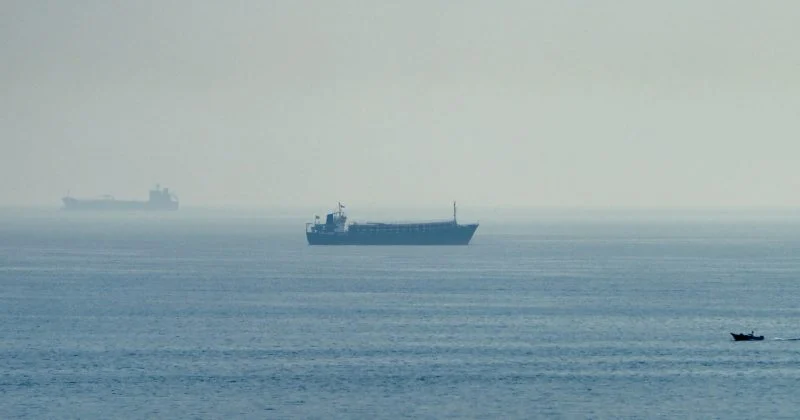
The Strait of Hormuz, a narrow waterway roughly 21 miles wide at its tightest point, handles roughly 20% of the world’s seaborne oil trade. So when reports surfaced that ships passing through might need to start paying fees, the global energy and crypto markets had reason to pay attention.
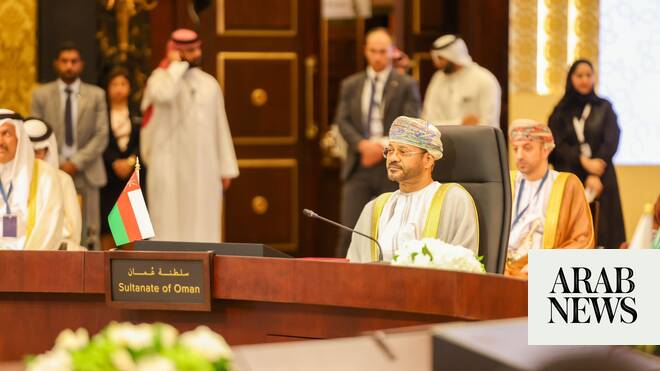
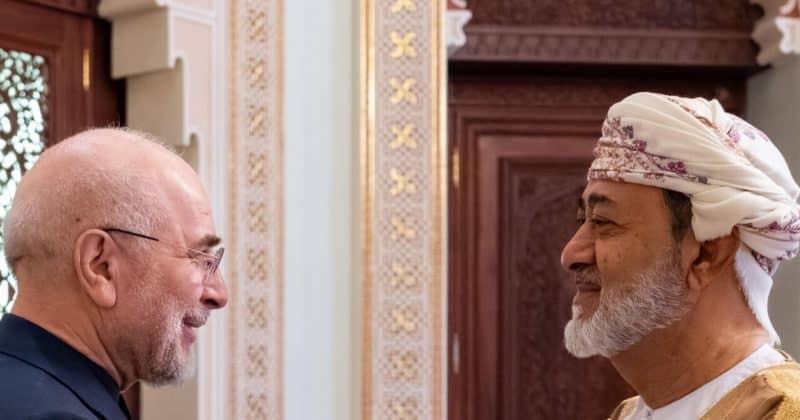
Here’s the thing: the story has already taken a sharp U-turn. Oman’s Foreign Minister Badr Al-Busaidi declared at a Gulf Cooperation Council-United States meeting in Bahrain on June 25, 2026, that future arrangements for the Strait of Hormuz will explicitly not include transit fees or tolls.
From fee threats to diplomatic denials
The timeline here matters. Starting in April 2026, reports indicated that Iran’s Islamic Revolutionary Guard Corps was preparing to impose charges on vessels transiting the Strait. Iran framed these as “service fees,” a linguistic choice designed to sidestep the obvious characterization: illegal tolls on international waters.
The proposed rate was reportedly $1 per barrel.