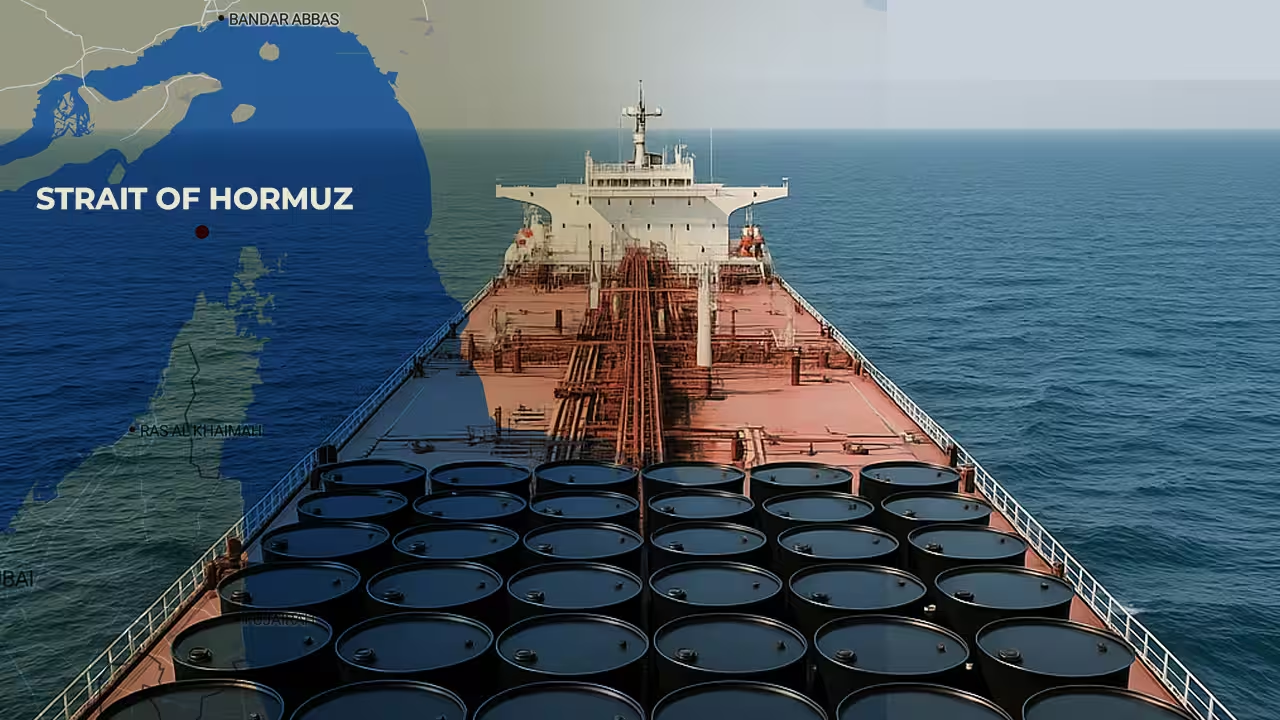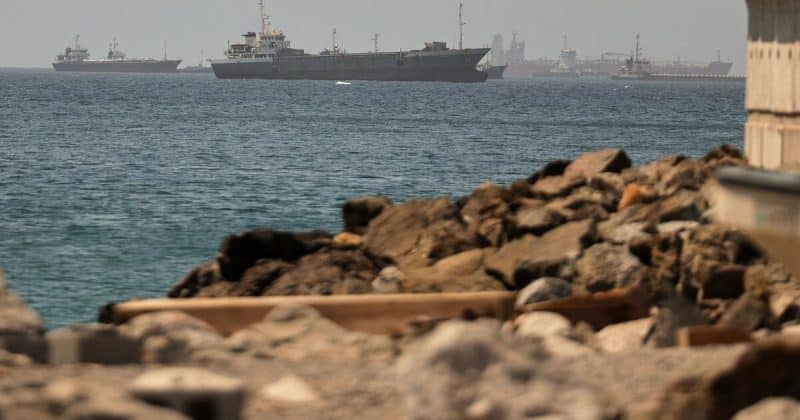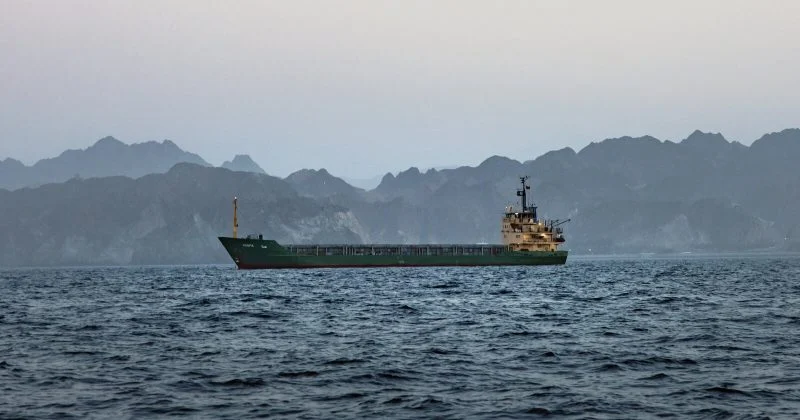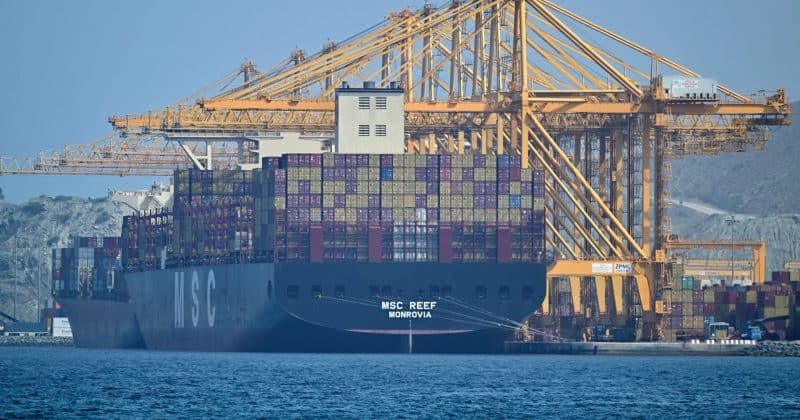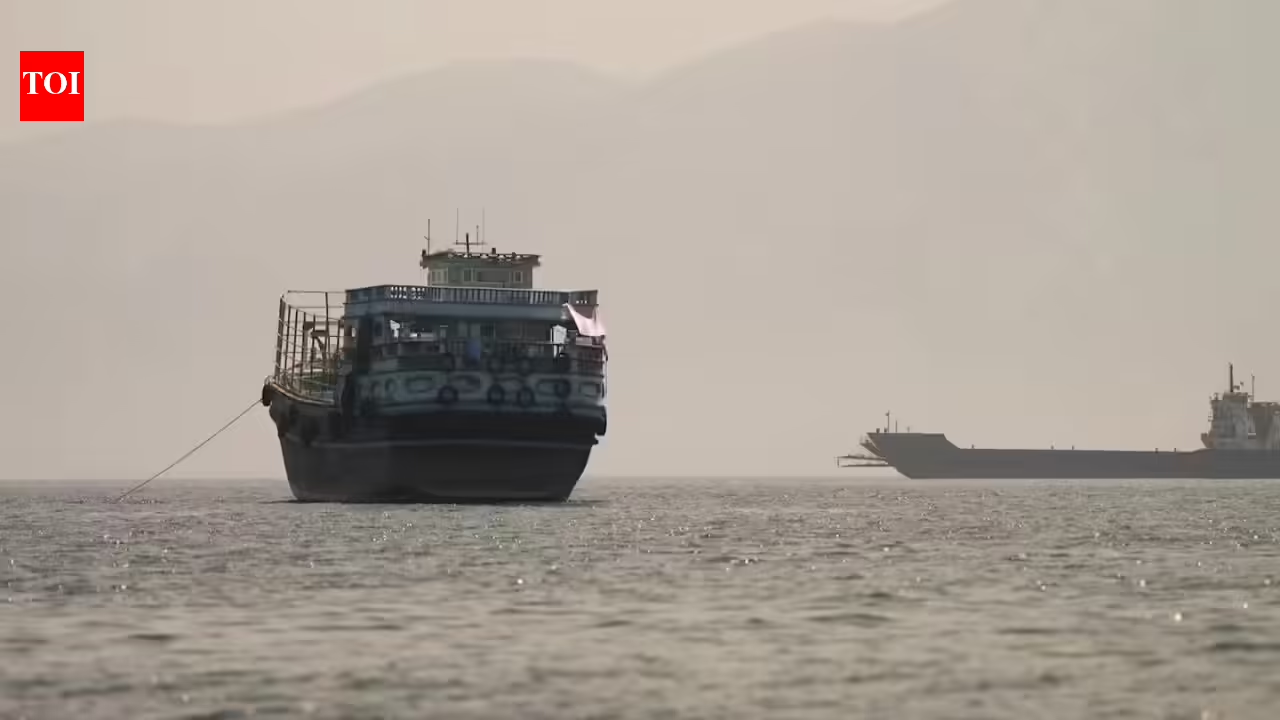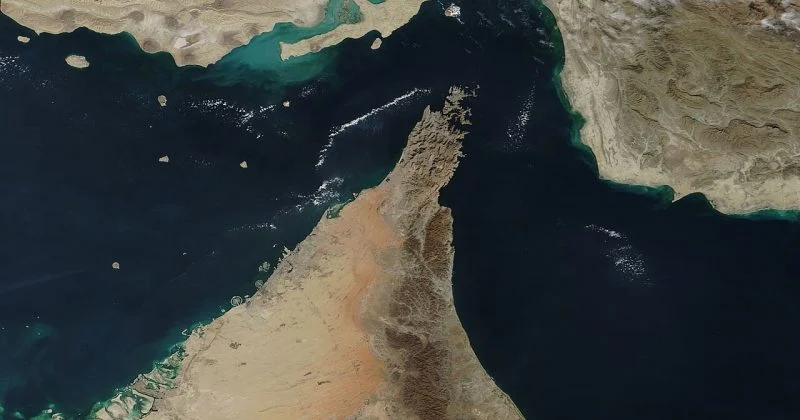
Oman just drew a line in the water. The country’s Foreign Minister Badr bin Hamad Al Busaidi told the United Nations that Oman opposes charging vessels simply for passing through the Strait of Hormuz, calling such tolls illegal under international maritime law. That puts Oman squarely at odds with Iran, which has been pushing for mandatory transit fees on every ship that crosses through the narrow waterway.
What Oman is actually proposing
Instead of mandatory tolls for transit, Oman is advocating for voluntary service fees tied to specific functions: navigational safety, pollution prevention, and emergency preparedness. Oman formally submitted this proposal to the US and its Western allies, framing it as consistent with the United Nations Convention on the Law of the Sea (UNCLOS). That treaty enshrines the principle of “transit passage,” which prohibits fees for simply moving through international straits.
Iran sees it differently. Tehran has been pushing for obligatory tolls as part of a broader administrative framework for managing the strait, a position that would effectively give Iran a revenue stream from every barrel of oil that leaves the Persian Gulf by sea.
The conflict that started this conversation