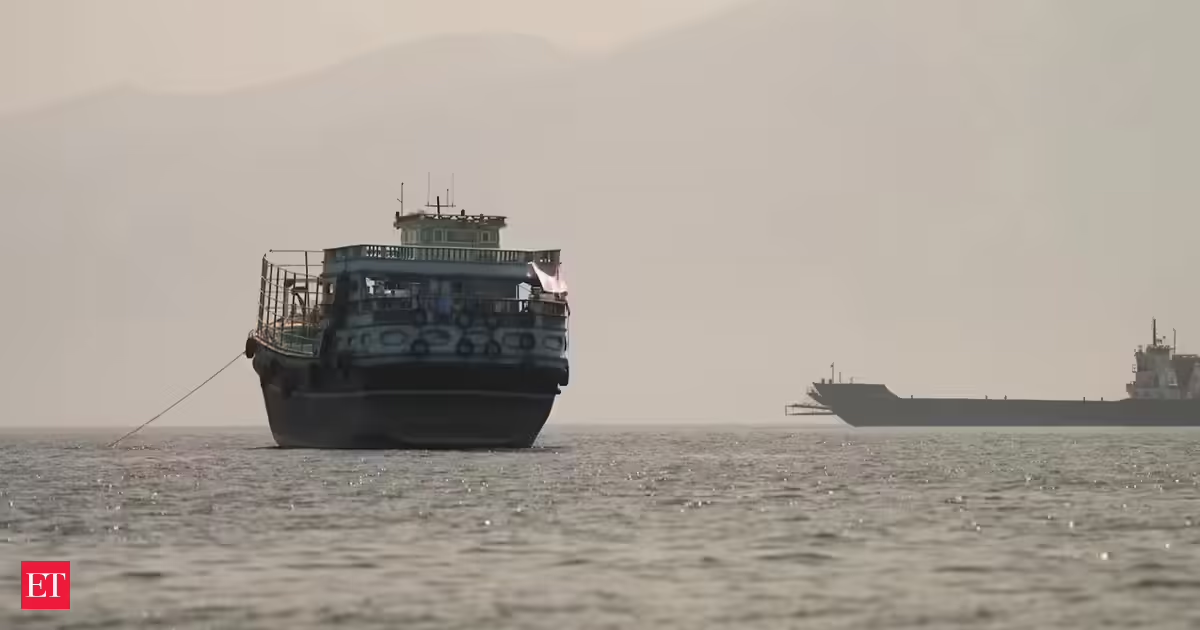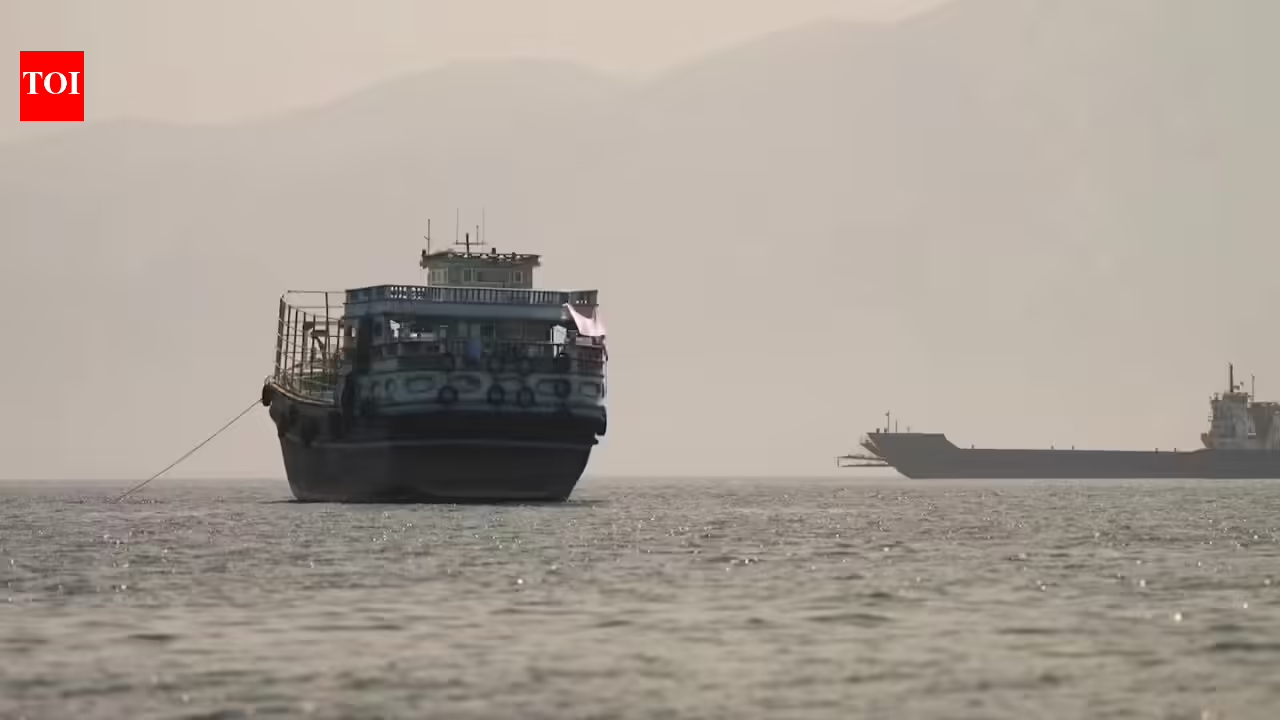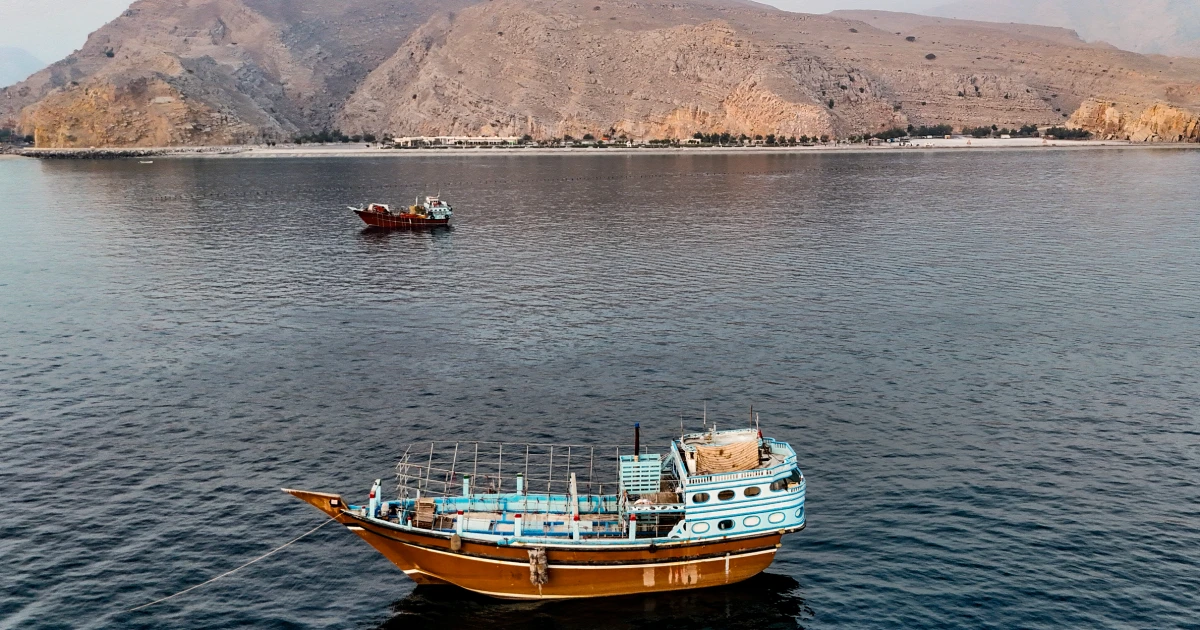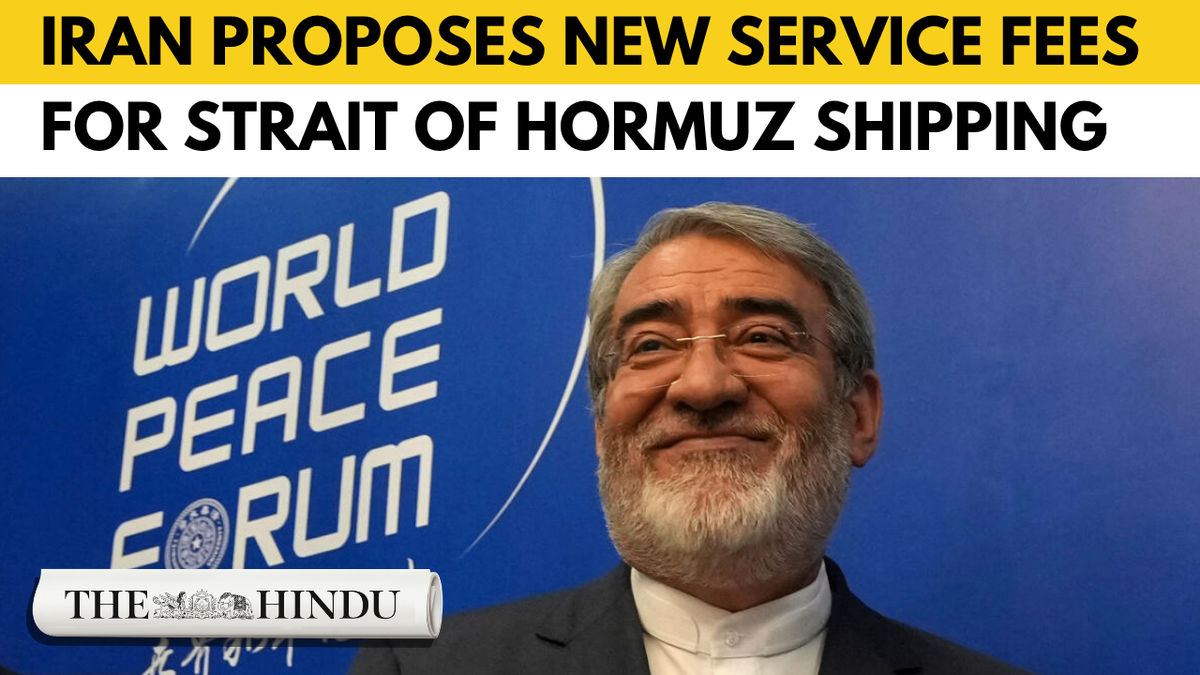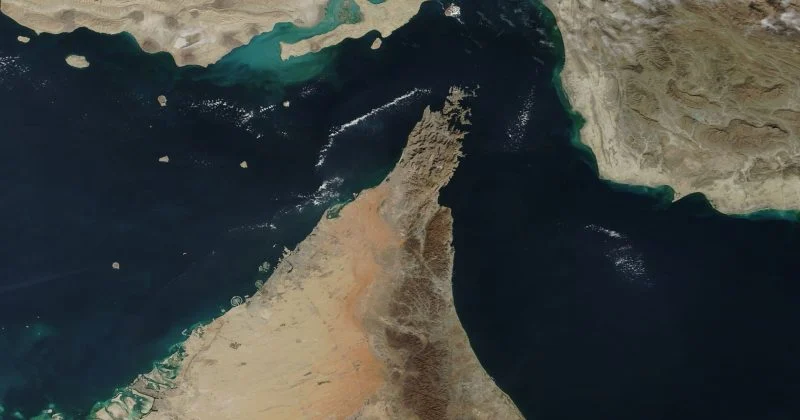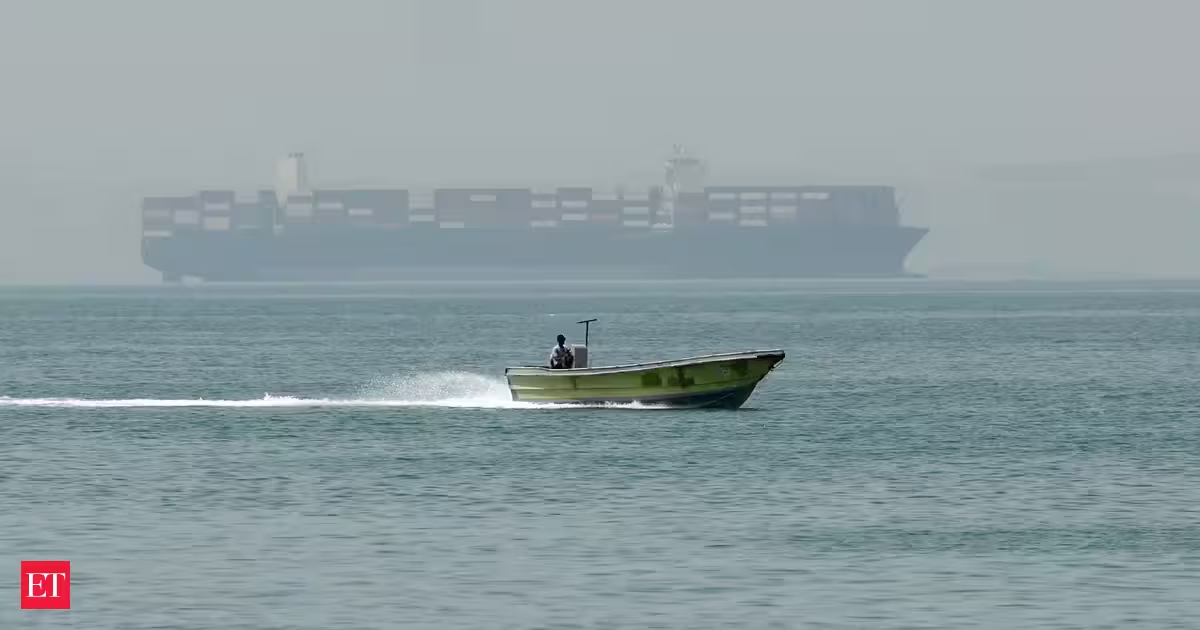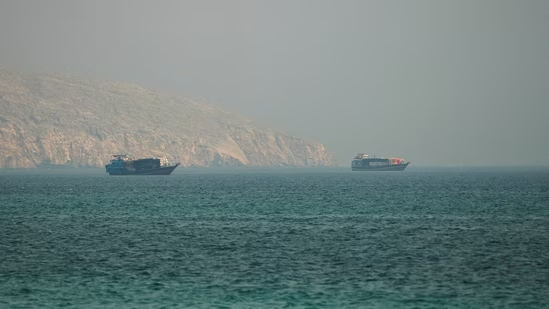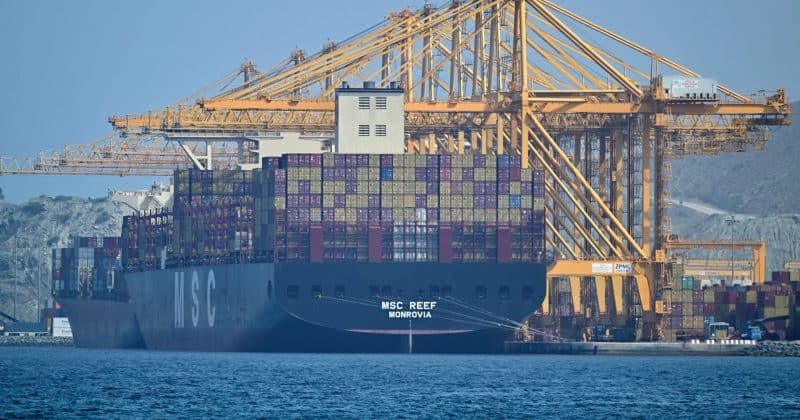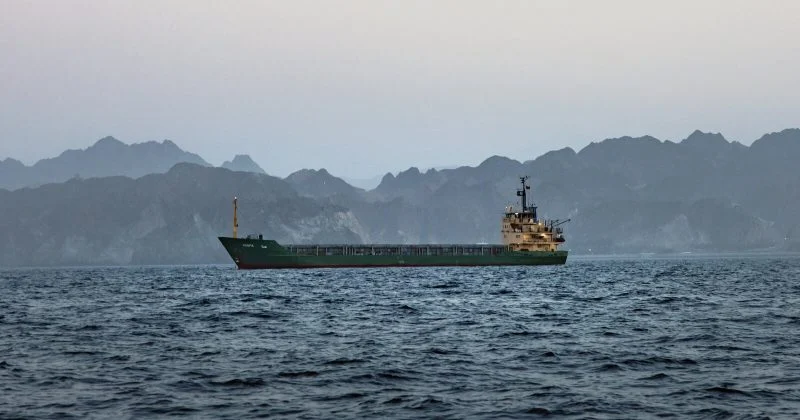
Oman has proposed imposing service fees on ships passing through the Strait of Hormuz, a move that directly challenges the United States and Western nations’ insistence on free, unconditional navigation in the waterway. This development comes amid a two-week ceasefire deal mediated by Pakistan, which would allow both Iran and Oman to charge fees for navigation, security, and rescue services. The Strait of Hormuz, a critical chokepoint in global oil transit, has seen near-zero traffic since Iran closed it in February 2026 following the assassination of its supreme leader and subsequent US naval blockades. The proposal suggests a shift towards reasserting regional control over the strait, escalating tensions with Washington’s position on open maritime transit.
Key Takeaways
The new proposal by Oman appears consistent with scenarios where the Strait of Hormuz remains restricted, affecting market expectations for traffic normalization.
Market pricing suggests a decreased likelihood that commercial traffic through the Strait will return to normal levels by July 15, with current odds at 14.5% YES.
The proposed fees could indicate a strategic move by Oman and Iran to leverage control over the waterway amid geopolitical tensions.