Fructose and glucose are two common sugars found in many foods and drinks. Although they contain the same number of calories, new research suggests the brain responds to them in very different ways.
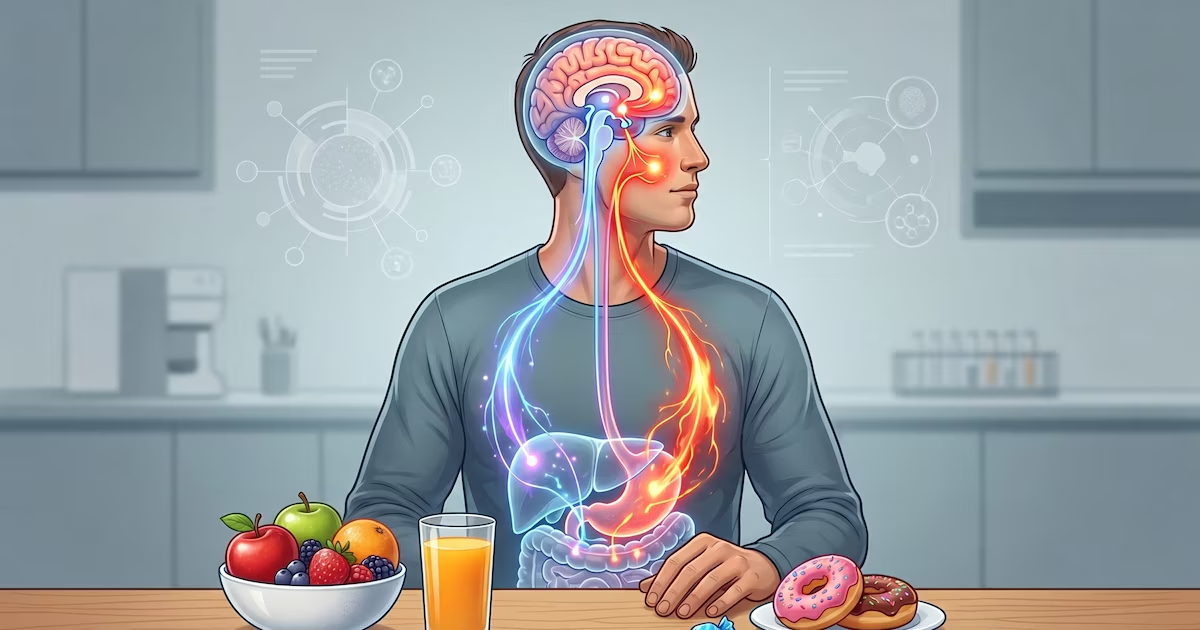
Scientists at the Monell Chemical Senses Center discovered that fructose and glucose communicate with the brain through separate gut-brain pathways. Their findings indicate that these differences may influence food and beverage preferences and could help explain why certain sweetened products are especially appealing.
The study, published June 10 in the journal Neuron, identified a specific signaling route that allows fructose to communicate with the brain. In experiments involving mice, researchers found that this pathway was far less effective than the one used by glucose when it came to reducing activity in neurons associated with hunger.
"This work adds to our growing understanding of how modern diets, especially those high in fructose or high-fructose corn syrup, interact with the neural systems involved in appetite," said senior author and Monell Member Amber Alhadeff, PhD.
How Fructose and Glucose Affect Hunger Neurons