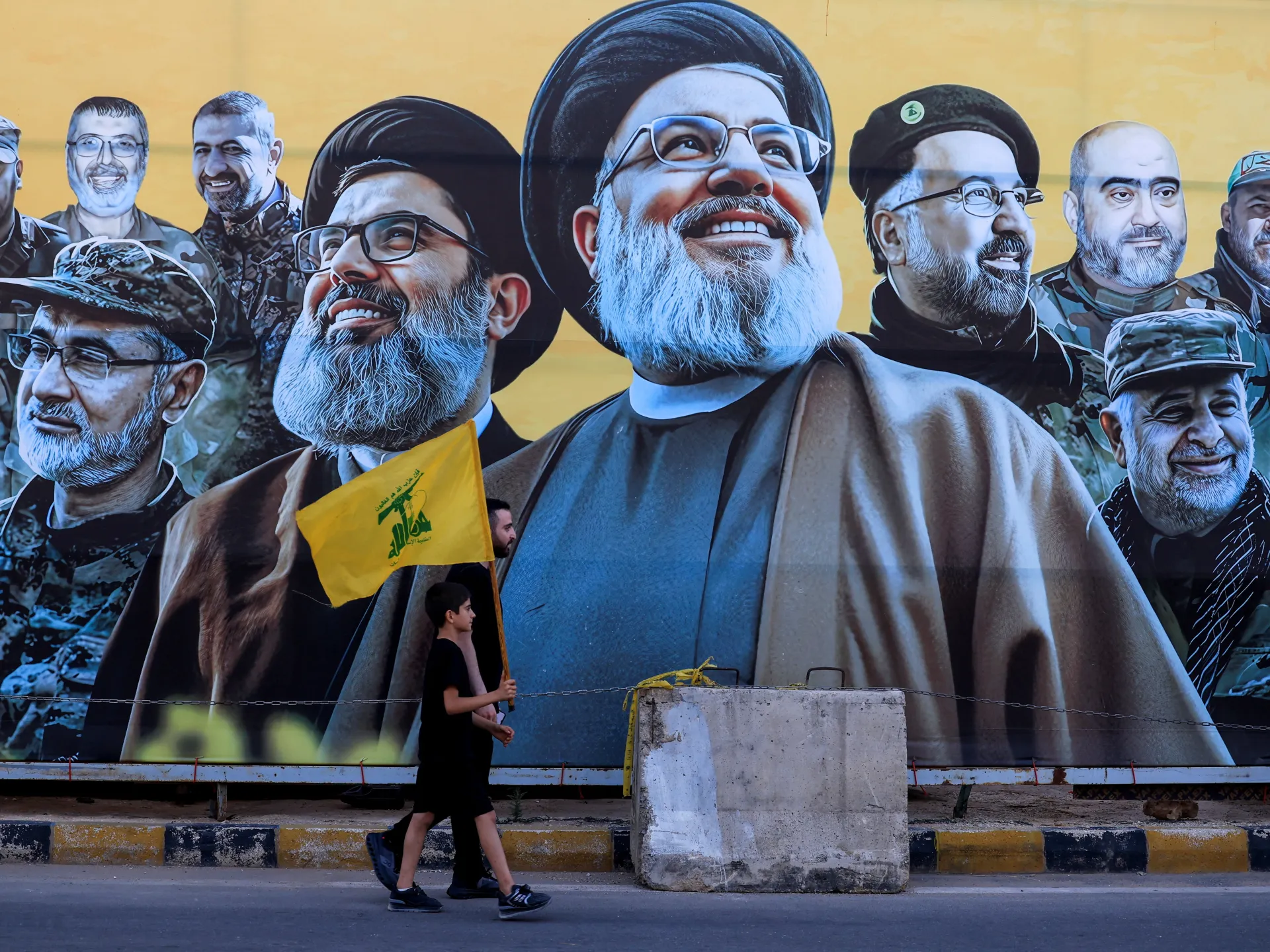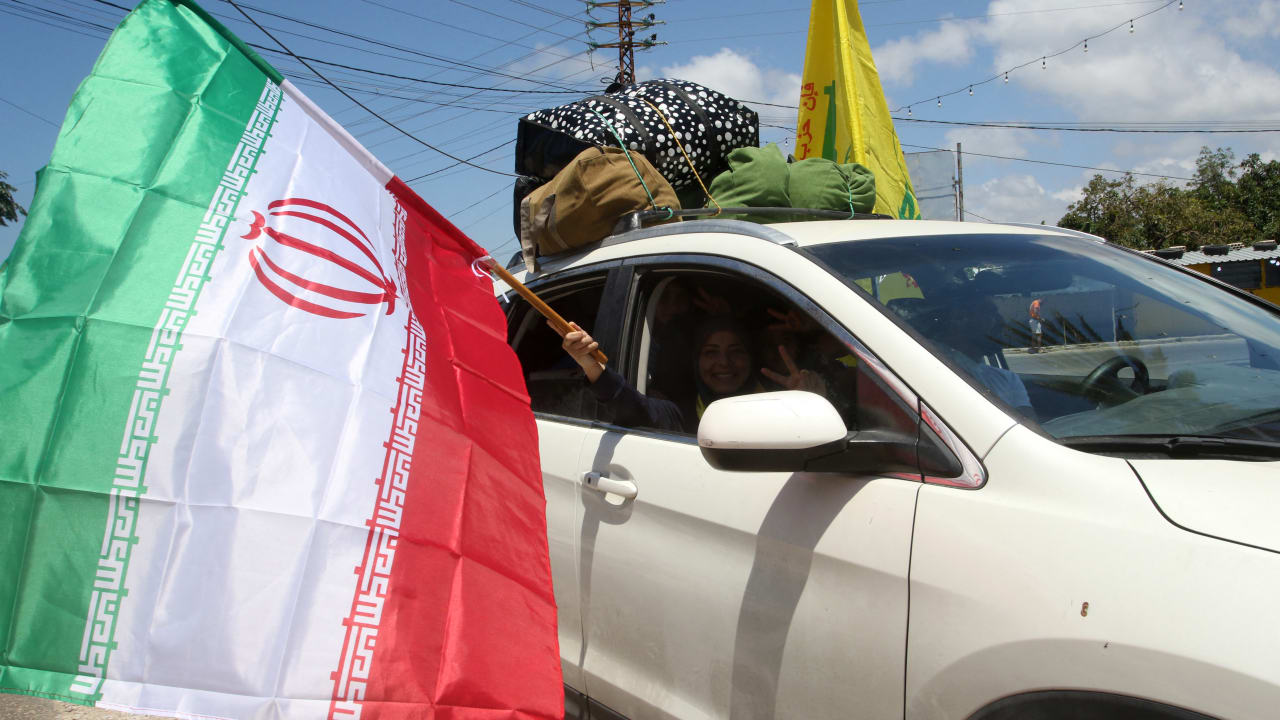
A proposed agreement, aimed at restoring stability to global energy markets, could constrain Israel’s military freedom in Lebanon and test the US-Israel strategic partnershipByJACQUES NERIAHJUNE 26, 2026 13:12The recent announcement of a diplomatic breakthrough between Washington and Tehran has generated shockwaves through the Middle East.Aimed at lifting the 15-week US naval blockade and reopening the vital Strait of Hormuz, the declaration of principles has been hailed globally as an economic lifesaver. Yet beneath the diplomatic mask lies a severe strategic crisis for Jerusalem.Read MoreBy explicitly including Lebanon in the “permanent and immediate halt to fighting on all fronts,” the framework fundamentally shackles Israeli national security. It freezes a conflict that Israel was fiercely trying to dissociate from global diplomacy, leaving an undefeated Hezbollah entrenched on its northern border and testing the limits of the US-Israel alliance.Shattering logicFor months, the Israel Defense Forces (IDF) has conducted a sweeping offensive in southern Lebanon, occupying a strategic buffer zone to guarantee the safe return of northern residents. Israel’s military doctrine relied on the freedom to operate until Hezbollah was permanently neutralized.The recent declaration shatters this logic. By imposing strict limits on Israeli military activities in Lebanon, Washington is effectively preserving Hezbollah’s core military infrastructure. Strikingly, leaked drafts reveal that Iran’s support for regional militant groups and its ballistic missile inventory may be completely excluded from the upcoming negotiations.Forced into an unwanted, premature ceasefire, Israel faces a worst-case containment scenario: its hands are tied behind its back by its chief ally while its most immediate existential threat remains intact, rearming, and shielded by international decree.Windfall for HezbollahBeyond the border, this agreement serves as a major political lifeline for Hezbollah within Lebanon’s internal arena. Domestically, the group will spin the Geneva framework as a supreme victory for the “Axis of Resistance,” boasting that it survived the combined military might of the West and Israel.A giant billboard in Dahiyeh, Beirut’s southern suburbs depicts the late Iranian leader Ayatollah Ali Khamenei (C), and Iranian Supreme Leader Ayatollah Mojtaba Khamenei, with Arabic writing that reads: ‘Thank you Iran’ on June 15. (credit: ANWAR AMRO/AFP VIA GETTY IMAGES)This triumphalism spells disaster for the weak Lebanese caretaker government in Beirut. For years, sovereign Lebanese political factions harbored quiet hopes that international pressure would force the enforcement of UN Resolution 1701, effectively disarming the militia.Instead, with Iran securing non-interference clauses and vast sanctions relief, Hezbollah’s parallel state will further eclipse the official government. Armed with its surviving missile arsenal, the group will solidify an effective veto over Lebanon’s political and military future, reducing the Lebanese state to a mere diplomatic shield for a terror proxy.Testing the allianceThis brings Israel to a scenario in which the US administration, desperate to preserve its wider regional deal with Iran, explicitly “advises” Jerusalem to fully withdraw from southern Lebanon. Should Israel refuse to abandon its security buffer, Washington could take the ultimate step – withholding diplomatic cover at the UN and slowing the resupply of precision-guided munitions.Left largely to its own devices against the Iranian ring of fire, Israel’s traditional military reliance on American backing would be shattered. Stripped of conventional constraints, Israel’s defense doctrine would inevitably shift to a strategy of survivalism. Jerusalem would have to rely heavily on maximum strategic deterrence, including highly disproportionate preemptive strikes to prevent a multi-front invasion.Residents of Ramat Trump/Trump Heights, a moshav on the Golan heights, say they still trust the judgment of its namesake US president, despite a fragile Iran deal that most in Israel view as bad for their country. (credit: JALAA MAREY/AFP VIA GETTY IMAGES)In this ultimate vacuum of American abandonment, Hezbollah’s next steps would be calculated and predatory. It would not immediately launch a suicidal, all-out invasion. Instead, its first phase would be a highly visible, triumphalist march back to the border, claiming the vacated territory as a monument to its resistance.Under the cover of the ceasefire, the group would rapidly rebuild its subterranean attack infrastructure along the Blue Line.Once an open logistics corridor through Syria and Iraq is fully consolidated via billions in Iranian sanctions relief, Hezbollah would wait for the optimal moment of internal Israeli political vulnerability.Its final step would be an overwhelming saturation strike – firing thousands of precision missiles per day to paralyze Israel’s air defenses – paired with localized, cross-border ground incursions designed to permanently break the Israeli home front’s psychological resilience.By treating Lebanon as a secondary theater to global energy markets, the Geneva accord may unintentionally pave the way for the very catastrophic war it claims to prevent.Col. (ret.) Jacques Neriah, a regular contributor to the Jerusalem Center’s blog on the upheavals in the Arab world, was formerly the Foreign Policy Adviser to prime minister Yitzhak Rabin and the deputy head for assessment of Israeli Military Intelligence.
Why Israel fears the Iran accord will strengthen Hezbollah | The Jerusalem Post
A proposed agreement, aimed at restoring stability to global energy markets, could constrain Israel’s military freedom in Lebanon and test the US-Israel strategic partnership
789 words~4 min read