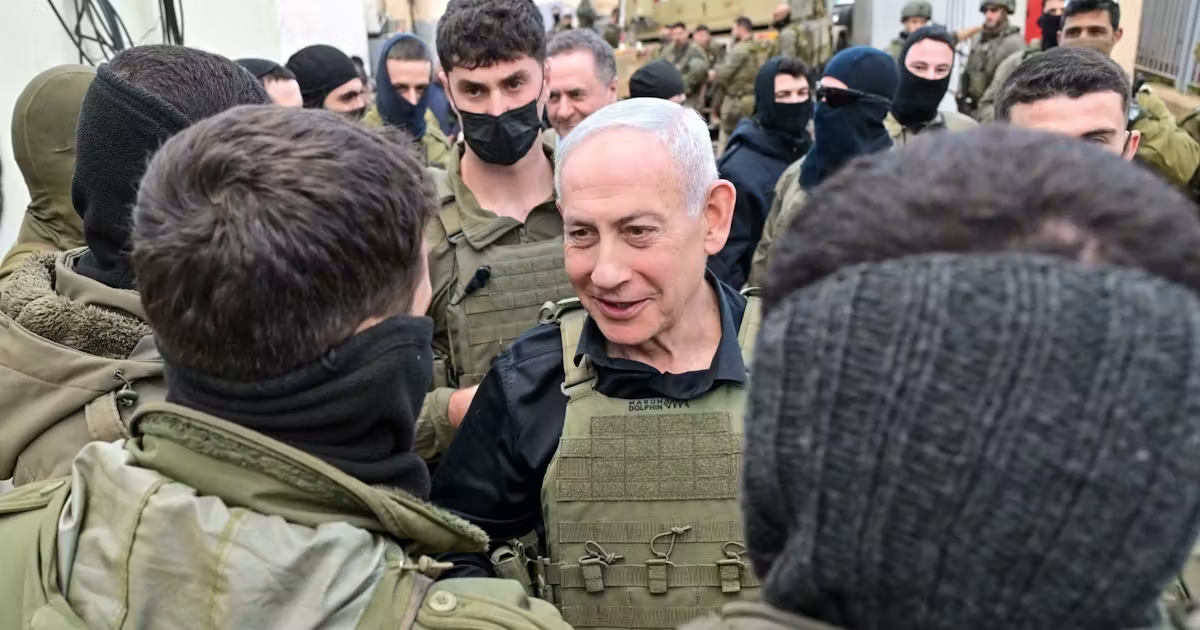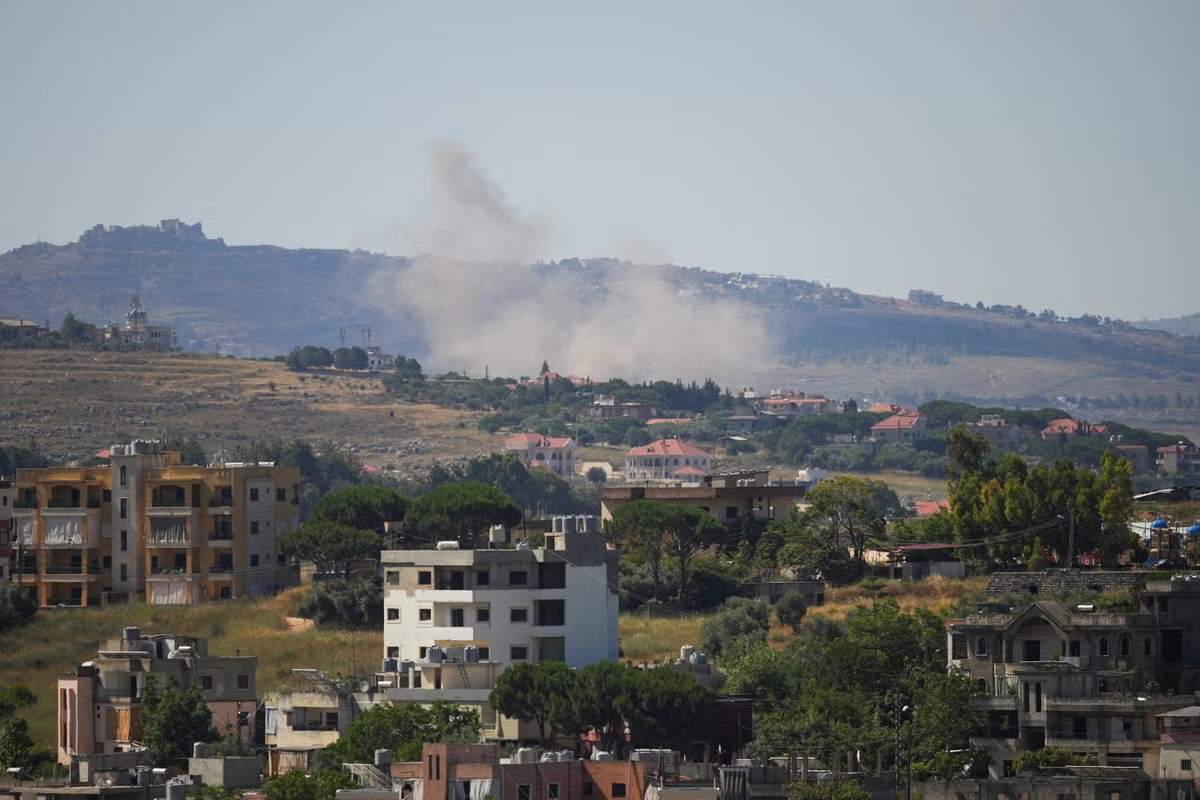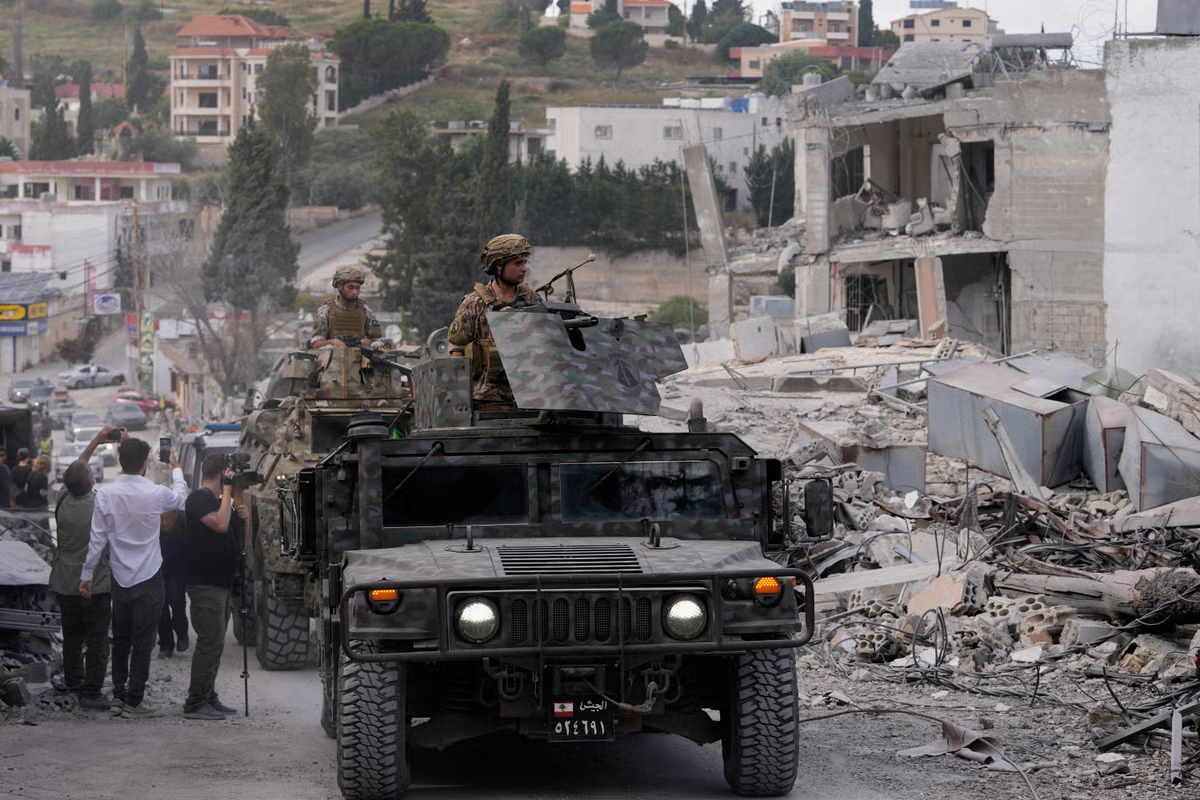
The memorandum of Understanding between America and Iran on ending their war had barely been signed when it faced its first test in Lebanon, as Israeli forces and Hizbullah continued attacking each other, lending weight to intelligence conclusions in Washington, DC that Israel would try to scuttle it. Such fears may, however, be misplaced.
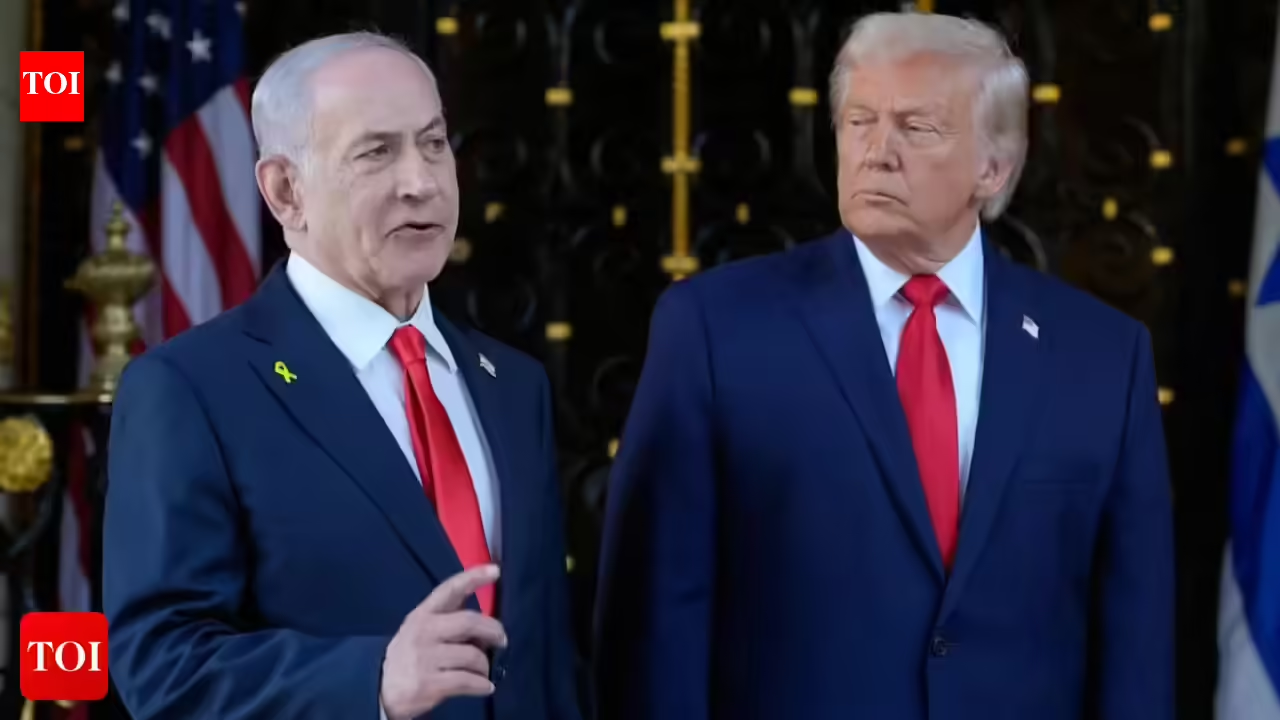
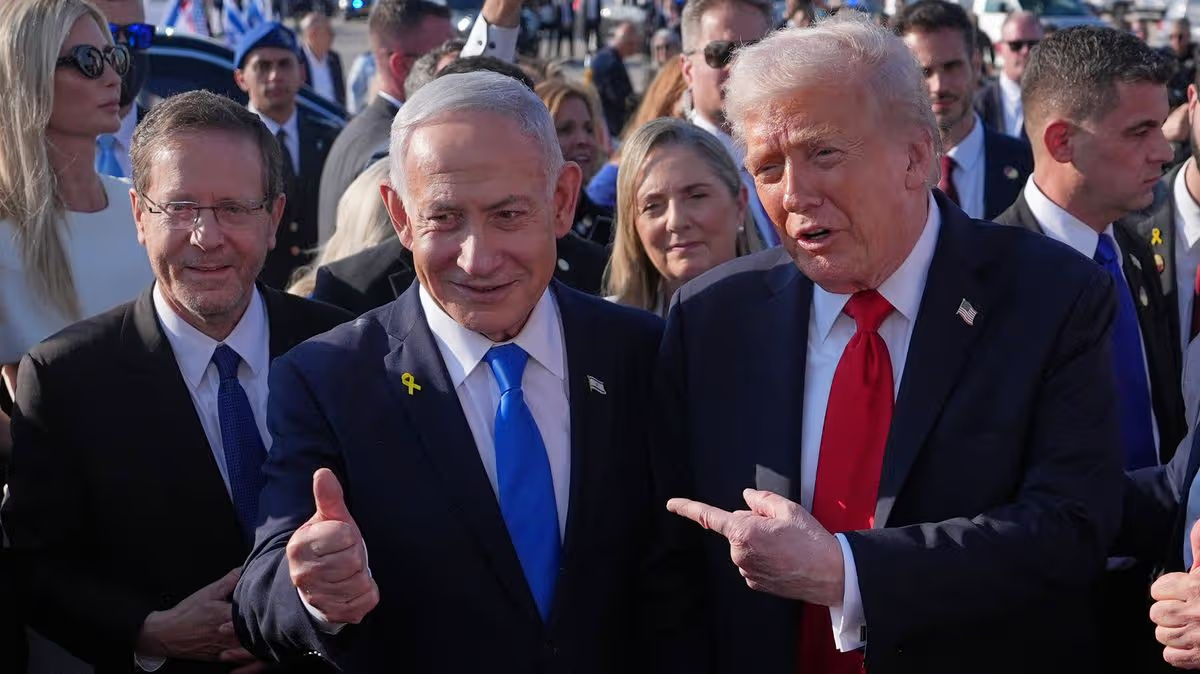
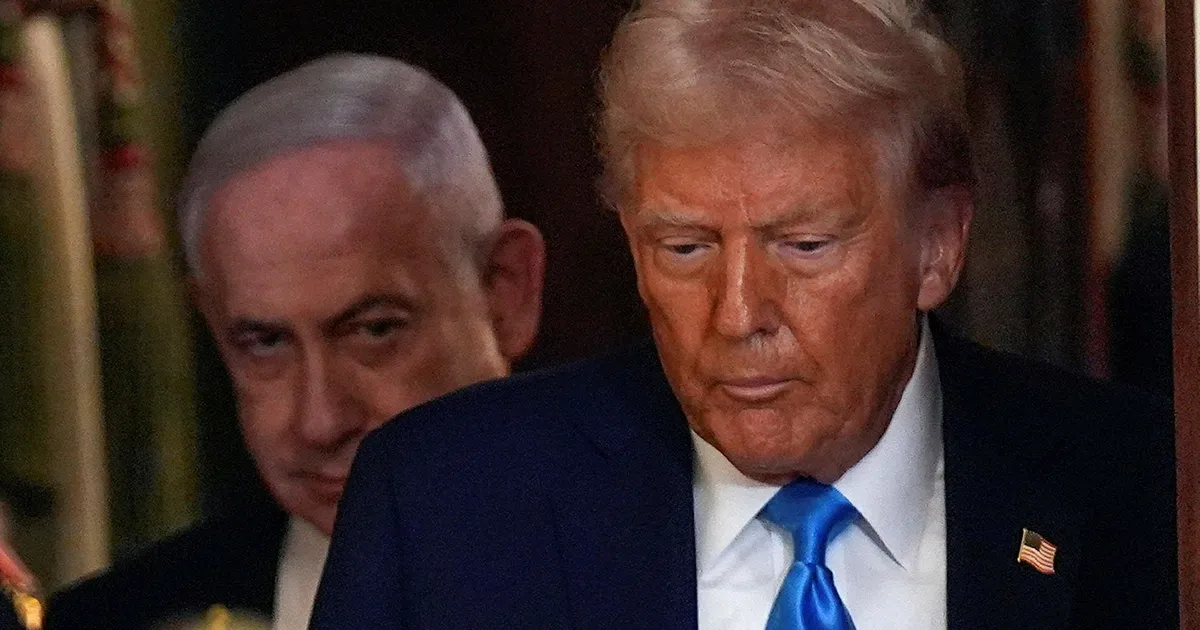
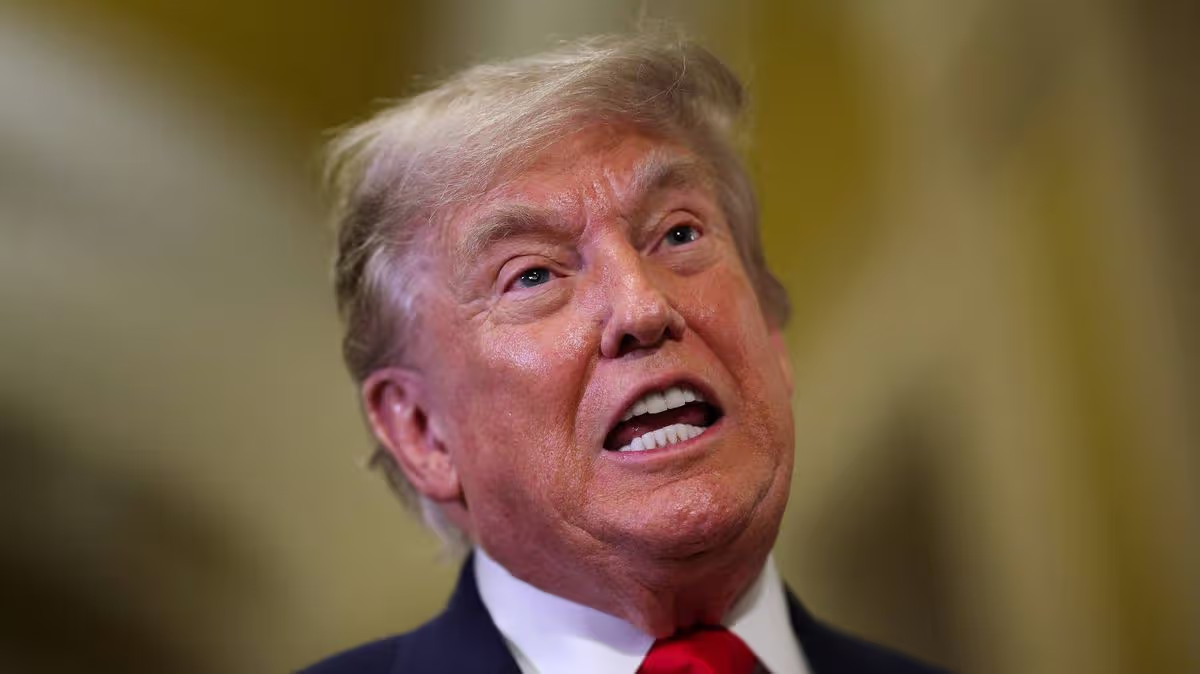
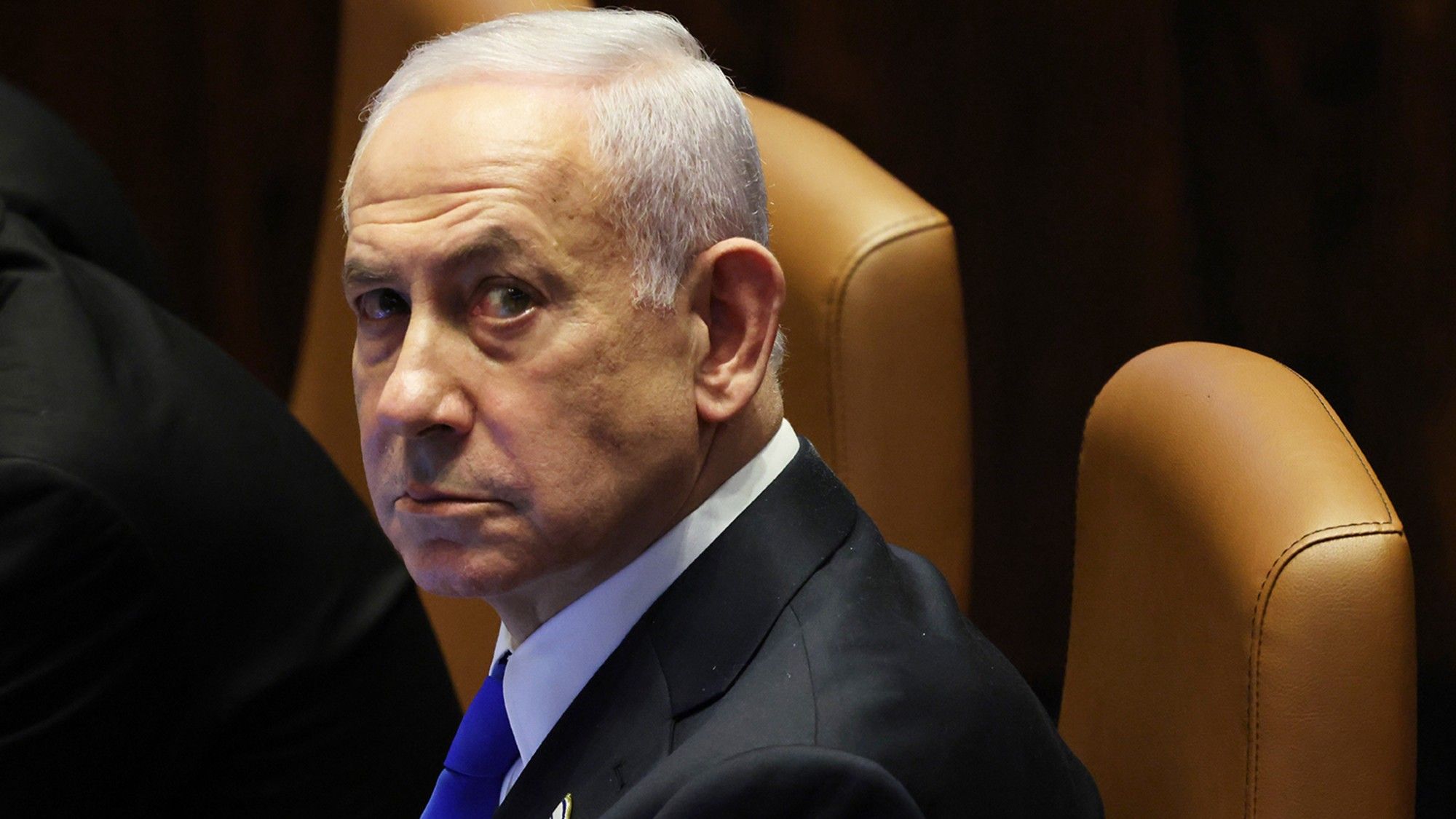
Israelis are dismayed that President Donald Trump—until recently, at least, very popular among them—would strike a deal that they believe disregarded their national-security interests. Their complaints go beyond the MOU’s limits on Israeli action in Lebanon: the nuclear issue is unresolved; it makes no reference to reducing Iran’s missile capabilities or its support for proxies; the sanctions relief and other economic carrots promise a lifeline to a regime many Israelis believe could have been toppled. Binyamin Netanyahu, Israel’s prime minister, did not want to end the war, and certainly not on these terms.
De redactie van NRC selecteert de beste artikelen uit The Economist voor een breder perspectief op internationale politiek en economie.
He will thus have strong motives to undermine the agreement. Since the Hamas attacks on October 7th 2023, Israel has unleashed its military power not only in Gaza but across the region, with little to no pushback from Presidents Biden or Trump. Israel’s political elite largely sees Iran as the source of its gravest security challenges and views diplomacy as futile. Despite American frustration over Israeli strikes, Mr Netanyahu may believe Mr Trump lacks the ability to force Israel to permanently halt military operations or withdraw from southern Lebanon, which it has reoccupied. After all, the president has done little to enforce his own „peace plan” in Gaza and end Israel’s occupation of more than 60% of the strip.