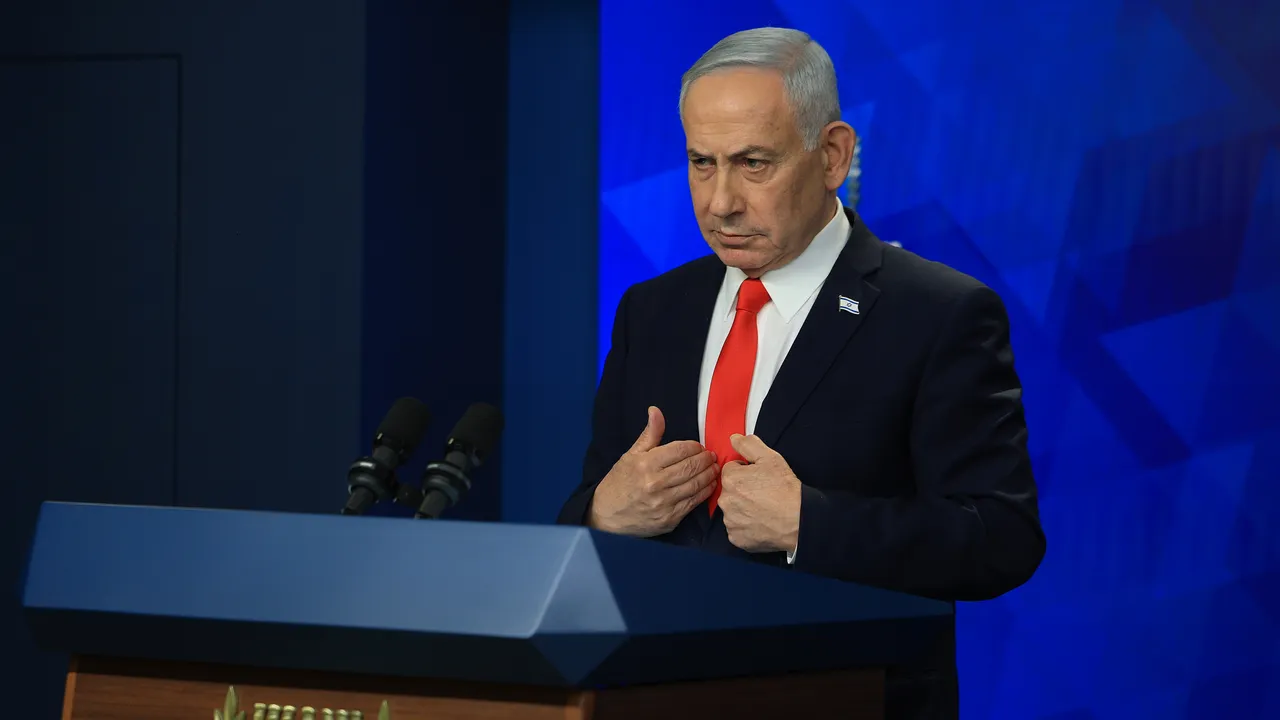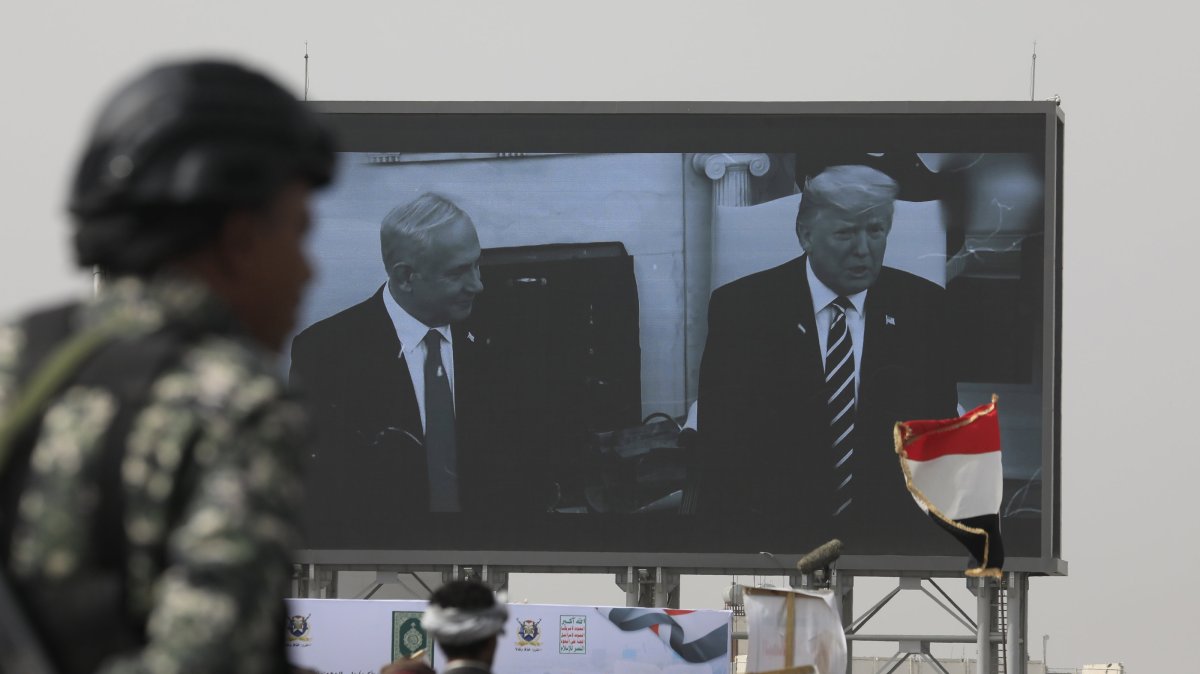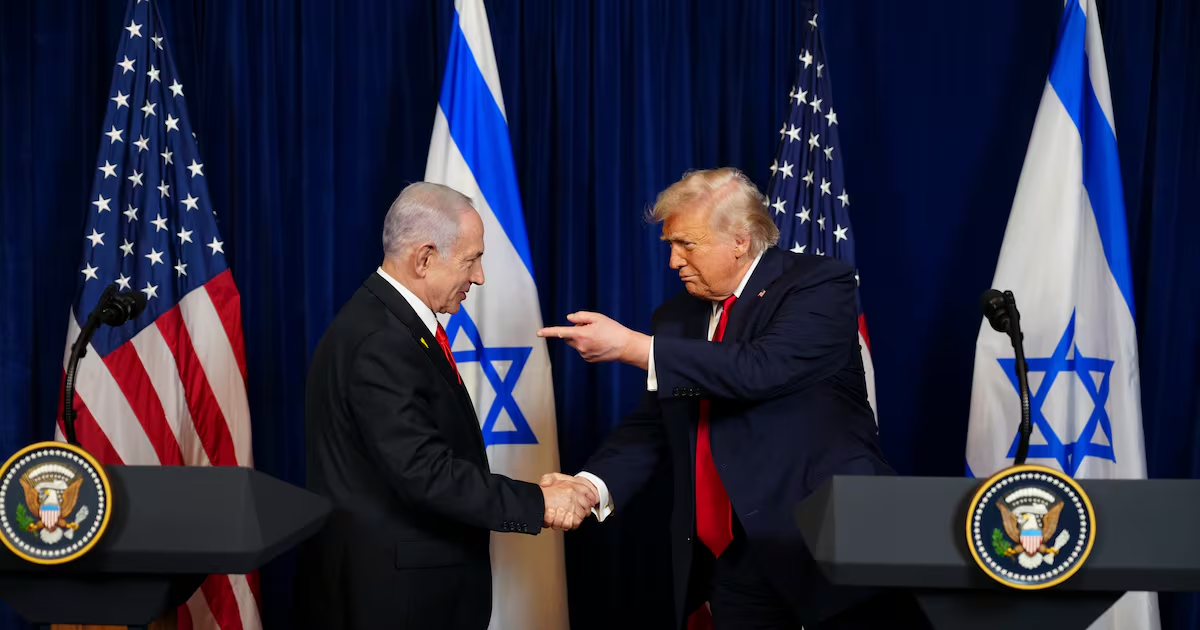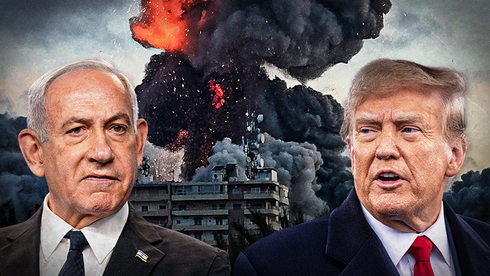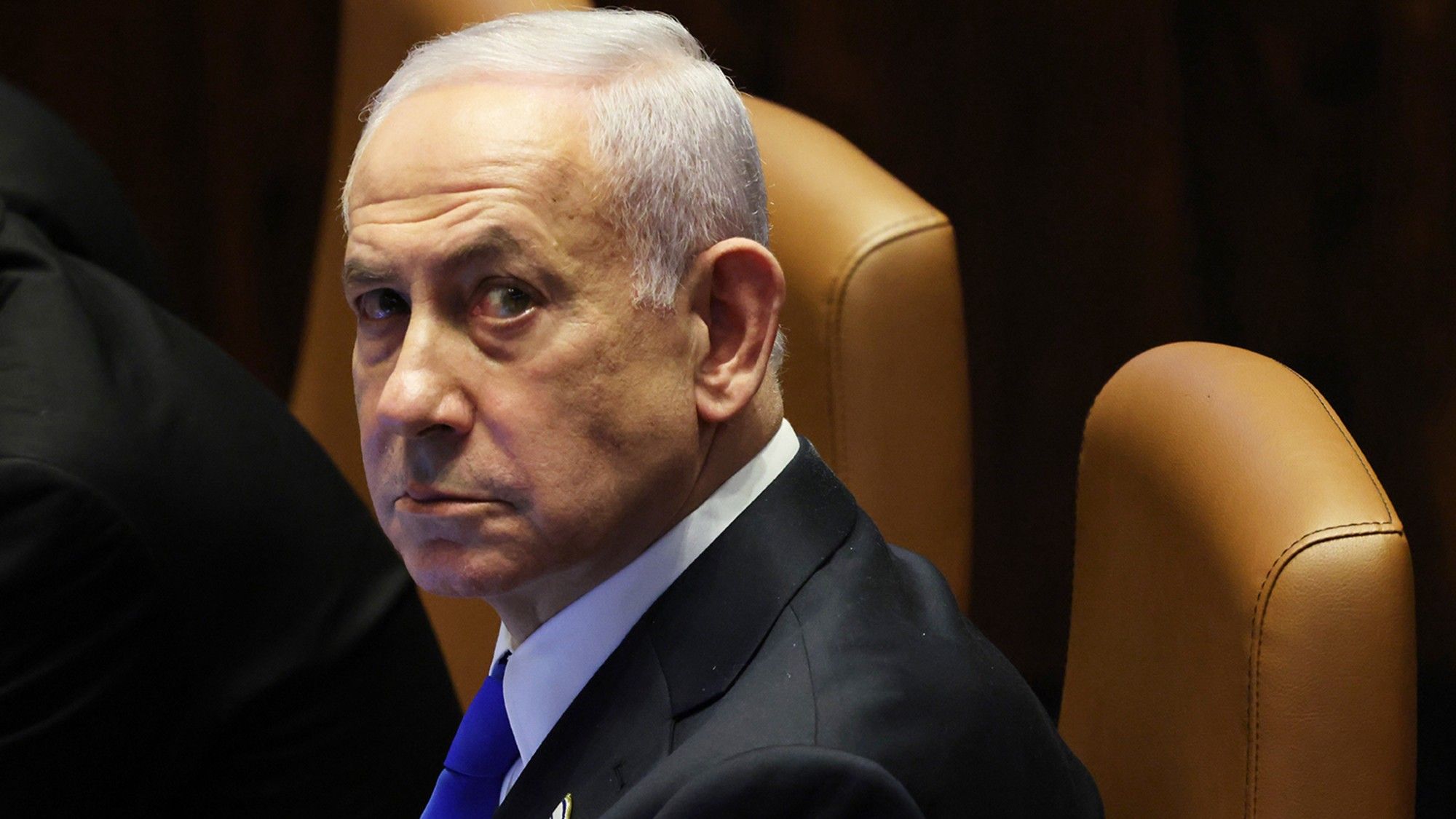
President Trump’s Iran deal-in-progress “is Israel’s disaster,” said Ruth Margalit in The New Yorker. Israeli Prime Minister Benjamin Netanyahu lobbied Trump to launch the Iran war, telling him they could together topple Iran’s Islamist regime, wipe out its ballistic missiles, and end its nuclear threat. Four months later, that war of choice has ended with Trump signing a “memorandum of understanding” with Tehran that not only leaves the hard-liners in charge but also does nothing to address Iran’s arsenal of long-range missiles or its stockpile of highly enriched uranium. “Perhaps most disturbingly for Israel,” said Lazar Berman in The Dispatch, the deal yields to Iran’s demand for a ceasefire in Lebanon, shielding its proxy Hezbollah from attack even as the terrorist group continues to “threaten Israel from the north.” Rubbing salt in the wound are the “gratuitous insults” from Trump, who has called Israel a “very small partner” and Netanyahu a loose cannon with “no f---ing judgment,” while praising the Iranians as “strong,” “smart,” and “very rational.”Vice President JD Vance also had some “harsh words for Israel,” said Aaron Blake in CNN.com. Responding to criticism of the Iran deal from top Israeli lawmakers, he warned the country to tread carefully. He noted the Jewish state’s reliance on U.S. weaponry, and said some Israeli leaders needed to “wake up and smell the reality” and defer to Trump, “the only head of state in the entire world” who’s still in their corner. It’s a stunning turnabout, said Matt K. Lewis in the Los Angeles Times. Broad bipartisan support for Israel was for decades “a law of physics” in the U.S. But Israel’s bloody campaign in Gaza following the Hamas atrocities of Oct. 7, 2023, “repelled” many young Americans. And by allying himself so closely with Trump to “gin up a war against Iran,” Netanyahu alienated mainstream Democrats and Never Trump conservatives and infuriated “America first” populists in the GOP. Today, some 60% of U.S. adults view Israel unfavorably, up from 42% in 2022.
U.S.-Israel: Iran deal upsets the alliance
Tensions are high between Netanyahu and the Trump administration
393 words~2 min read