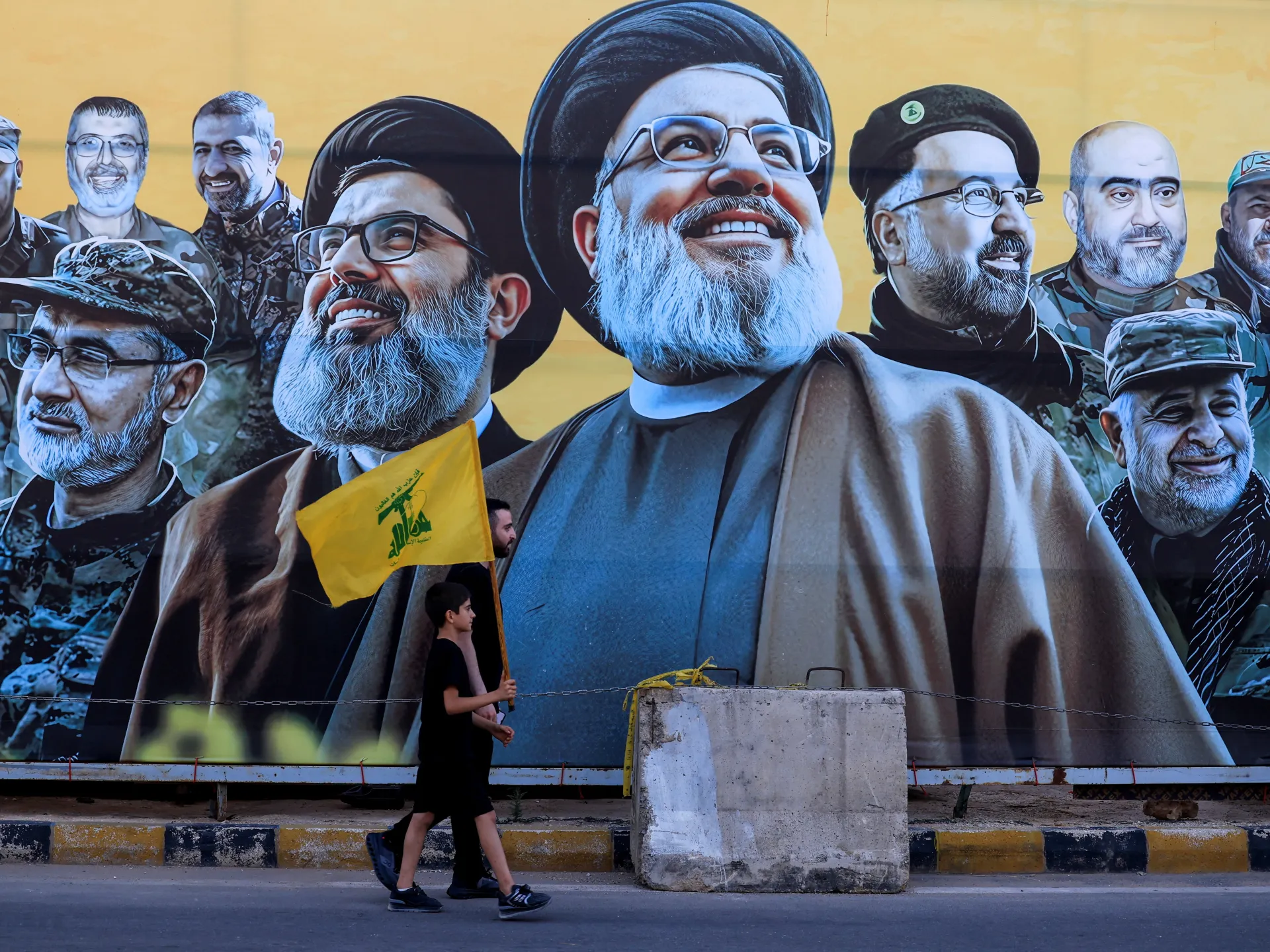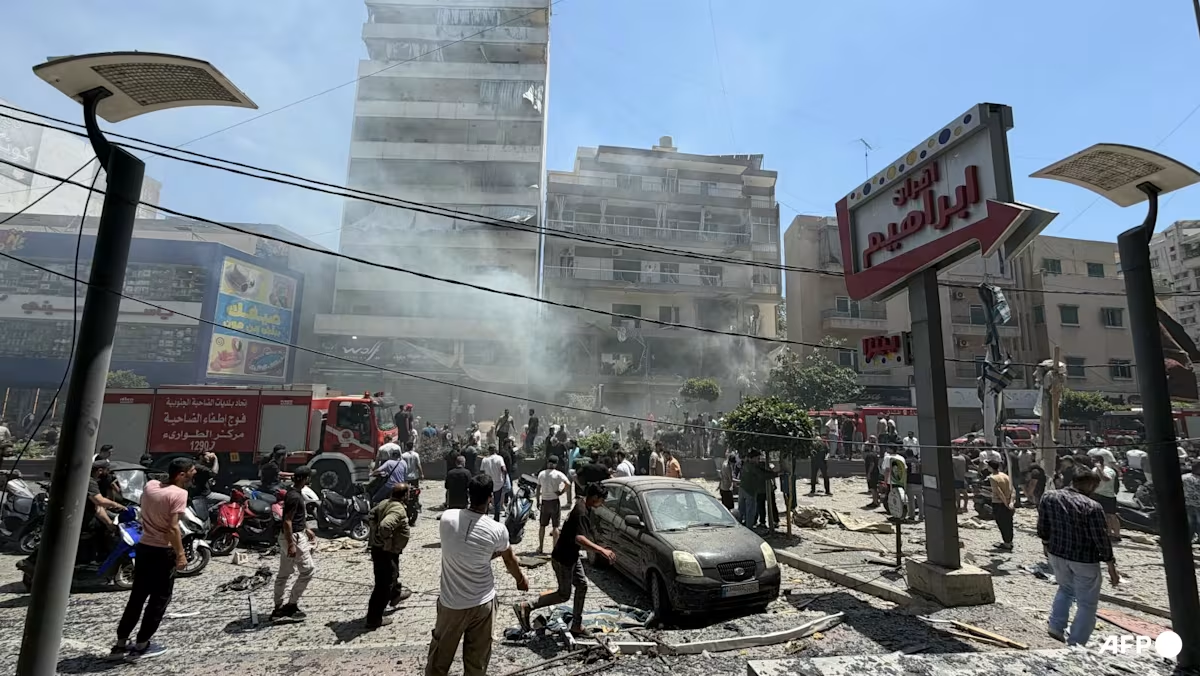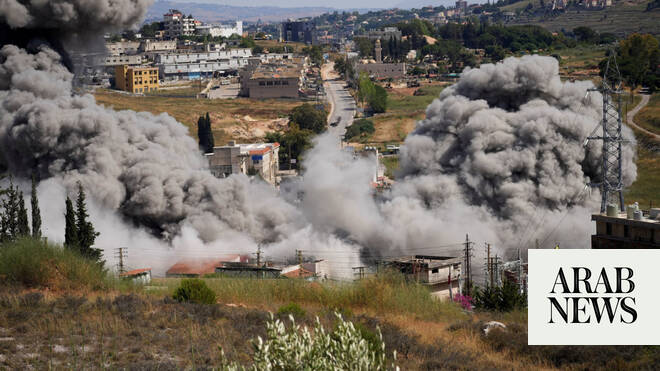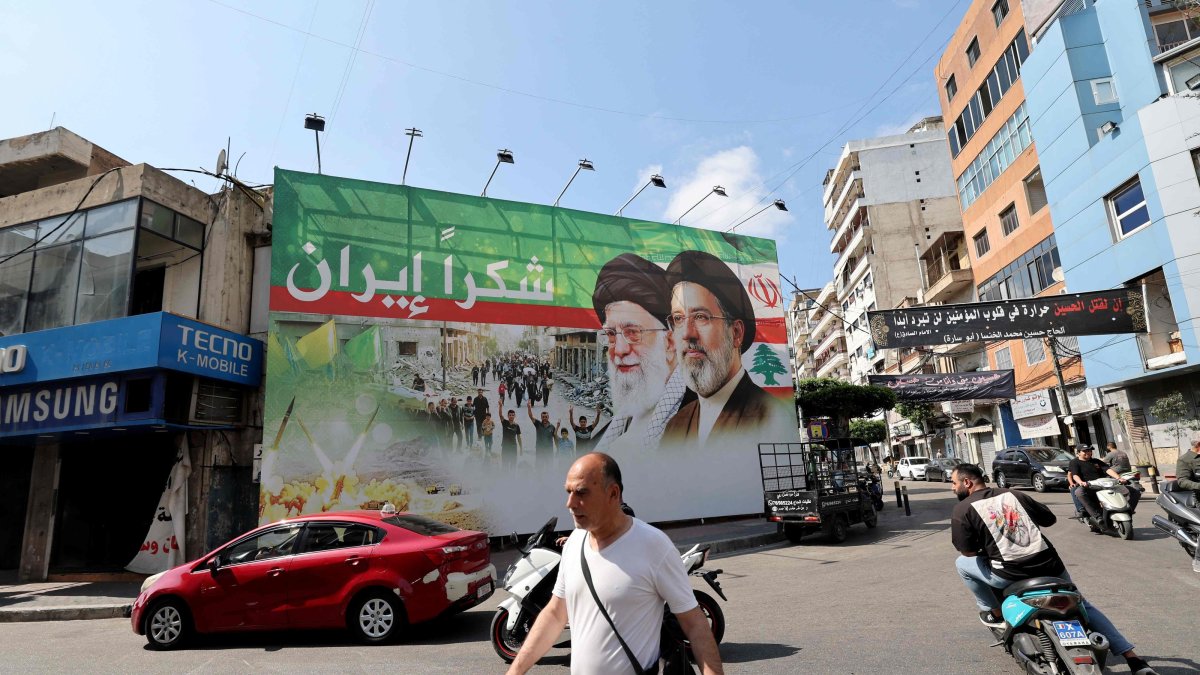
ByJPOST EDITORIALJUNE 18, 2026 05:52The emerging US-Iran Memorandum of Understanding may reduce the immediate danger of a wider regional war. Israel has every interest in serious diplomacy, especially diplomacy that prevents Iran from advancing toward nuclear weapons and keeps the region from sliding into another catastrophic front.But diplomacy cannot become a substitute for security, and on the northern border, that distinction is no longer theoretical. Rather, it is the difference between a family returning to Metula, Kiryat Shmona, Manara, Shlomi, or the Galilee, and another year of empty streets, shuttered businesses, improvised schooling, and lives lived in suspension.The full text of the US-Iran understanding has not been officially published. According to public reporting, Israel was not permitted to review it before the expected signing, even as its reported clauses touch directly on Israeli security.The reported draft is said to call for an end to the war on all fronts, including Lebanon, while other reports describe provisions related to reopening the Strait of Hormuz, sanctioned Iranian funds, and broader economic rehabilitation for Iran.Western diplomats told The Jerusalem Post that the framework is expected to affect Israel-Lebanon negotiations. Previous understandings among Israel, Lebanon, and the United States reportedly conditioned a ceasefire on Hezbollah withdrawing from southern Lebanon and disarming, with the Lebanese Armed Forces entering designated areas as the IDF withdrew from them.Members of the Lebanese army stand at the entrance of Deir Mimas, after an Israeli military spokesperson said on Monday that Israel would keep troops in several posts in southern Lebanon past a February 18 deadline for them to withdraw, in Deir Mimas, Lebanon February 18, 2025. (credit: REUTERS/KARAMALLAH DAHER)That was the correct direction: strengthen the Lebanese state, weaken Hezbollah, and separate Lebanon’s future from Tehran’s agenda.New US-Iran deal risks empowering Hezbollah in negotiationsThe new US-Iran framework risks doing the opposite. By placing Lebanon inside the Iran track, it effectively ties Hezbollah’s fate to Tehran’s leverage. Iranian officials and Hezbollah’s political allies are already treating Israeli withdrawal from Lebanon as part of the next stage of US-Iran negotiations.That is precisely the danger: Israel’s northern border becomes another bargaining chip in a deal whose central parties are not the people who live under Hezbollah’s rockets.This does not mean Israel should reject every diplomatic initiative. Israel needs the United States, needs working ties with neighboring countries, and should support any serious effort to turn Lebanon into a sovereign state capable of enforcing its own territory. If the Lebanese Armed Forces can genuinely replace Hezbollah south of the Litani, that is an Israeli interest.But hope is not a security mechanism. A ceasefire that leaves Hezbollah armed, politically emboldened, and protected by Iranian patronage is not a solution; it is quietly purchased on credit, and the bill will come due in the North.Northern residents have paid too much for temporary quiet. Since October 7, they have endured evacuations, rocket and drone fire, destroyed homes, collapsing local economies, and the humiliation of not knowing when their own state can safely tell them to return. This is not just a military problem – it is a civic failure.For years, the state underinvested in the North, neglected emergency preparedness, and allowed border communities to live with insecurity that would be intolerable in the center of the country. The result is a slow hollowing-out of the Galilee.People leave because they cannot build a future on a warning siren, businesses close because uncertainty is not a business model, and communities meant to embody national resilience become evidence of national neglect.Israel cannot accept less than dismantling HezbollahThis is not new, but today it receives a different kind of validation. When an international framework appears to prioritize regional calm over dismantling Hezbollah’s threat, residents hear the same old message: wait longer, trust more, accept less.Israel cannot accept that.A responsible Israeli position should be firm, not reckless. Any arrangement must include enforceable benchmarks for Hezbollah’s withdrawal and disarmament, a credible Lebanese or international mechanism on the ground, and explicit recognition that Israel retains the right to act against imminent threats. It must not allow Iran to trade Lebanon’s stability for nuclear concessions, or ask Israeli citizens to return home based on diplomatic language that Hezbollah has not implemented.Israel should welcome diplomacy that makes the North safer – and resist diplomacy that merely makes that danger quieter.The people of the North do not need another declaration; they need protection, reconstruction, accountability, and a border secure enough to come home to.Follow us on Google
The US-Iran deal must not tie Hezbollah's fate to Tehran's | The Jerusalem Post
When an international framework appears to prioritize regional calm over dismantling Hezbollah’s threat, residents hear the same old message: wait longer, trust more, accept less.
740 words~3 min read