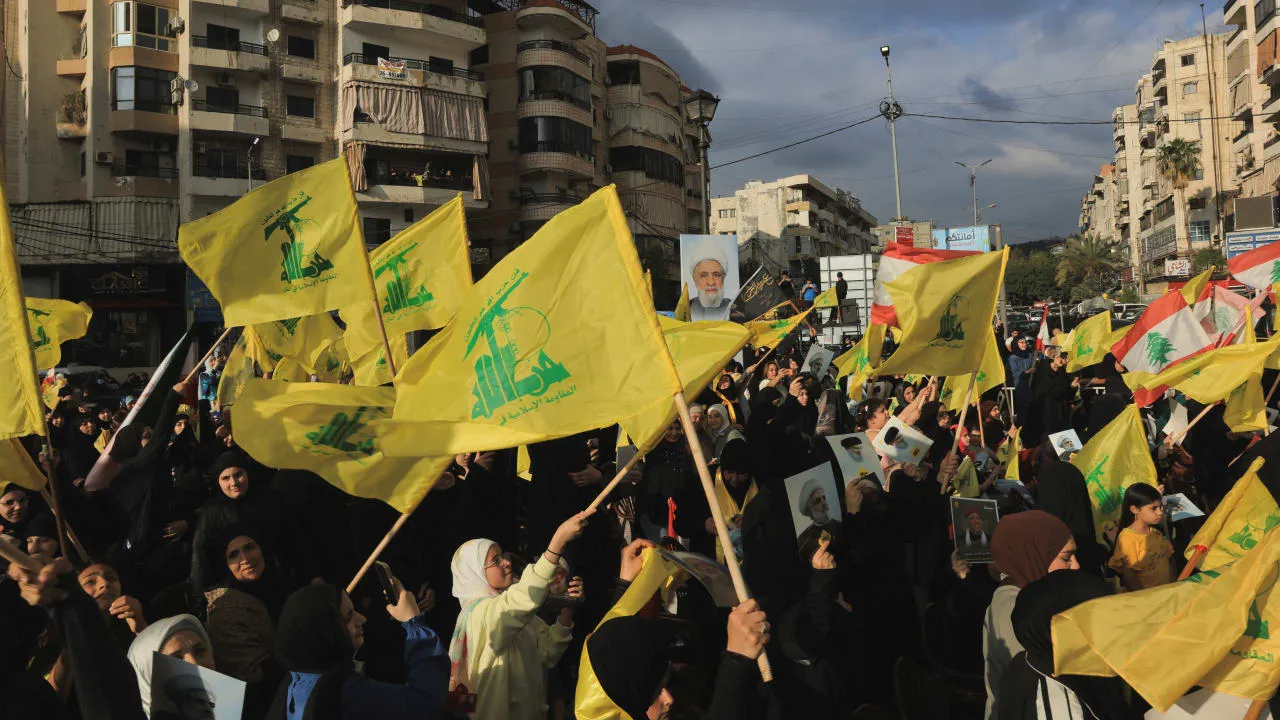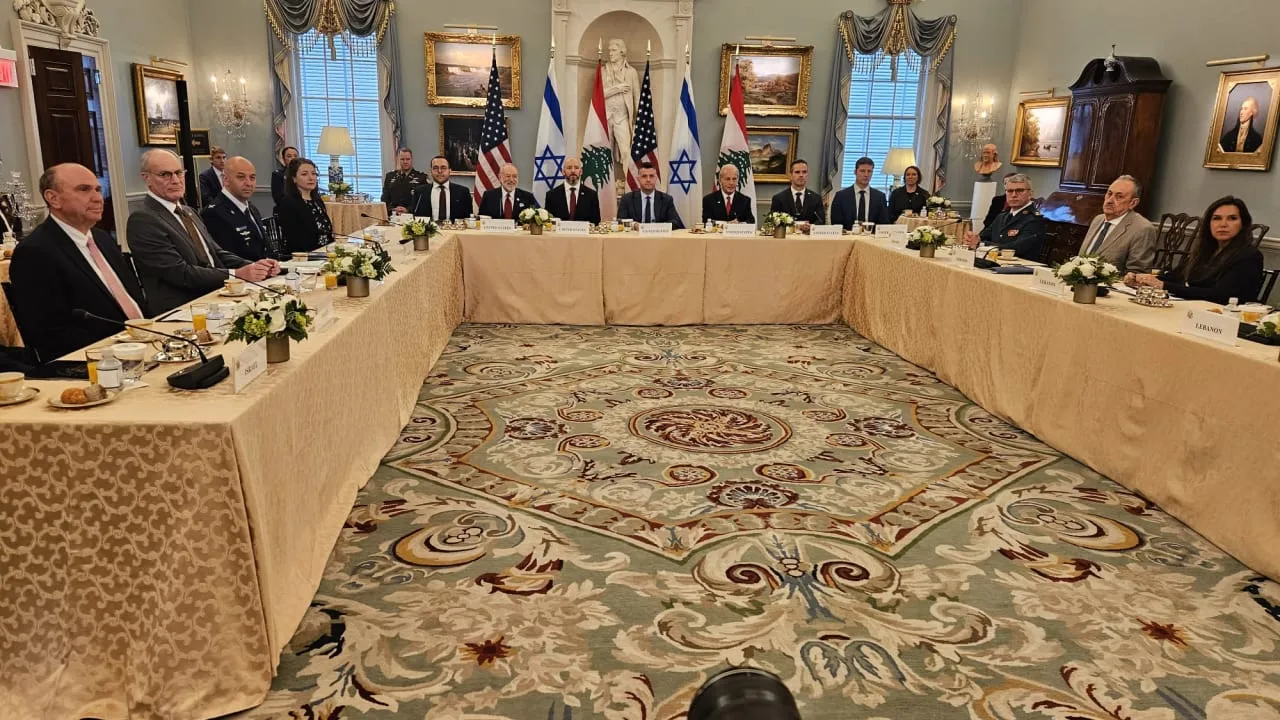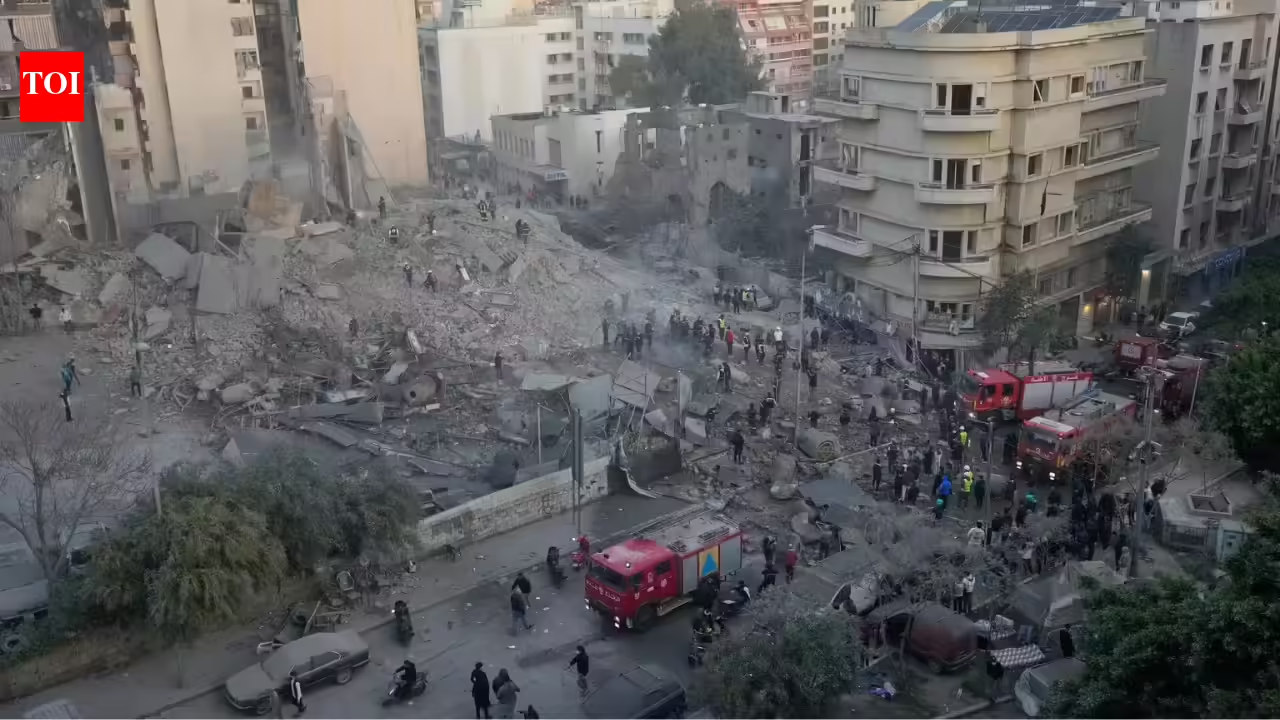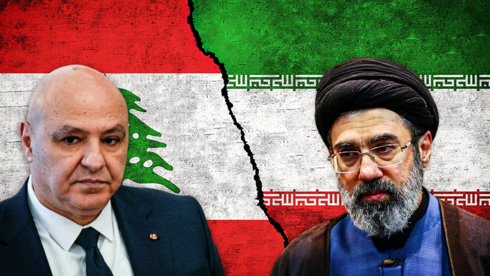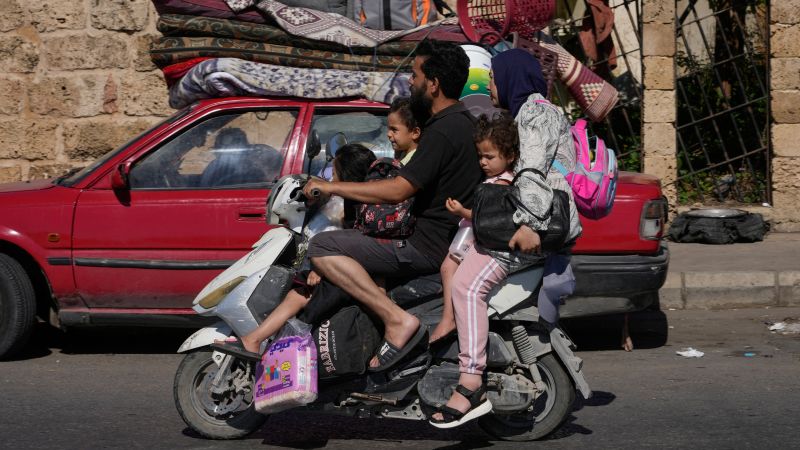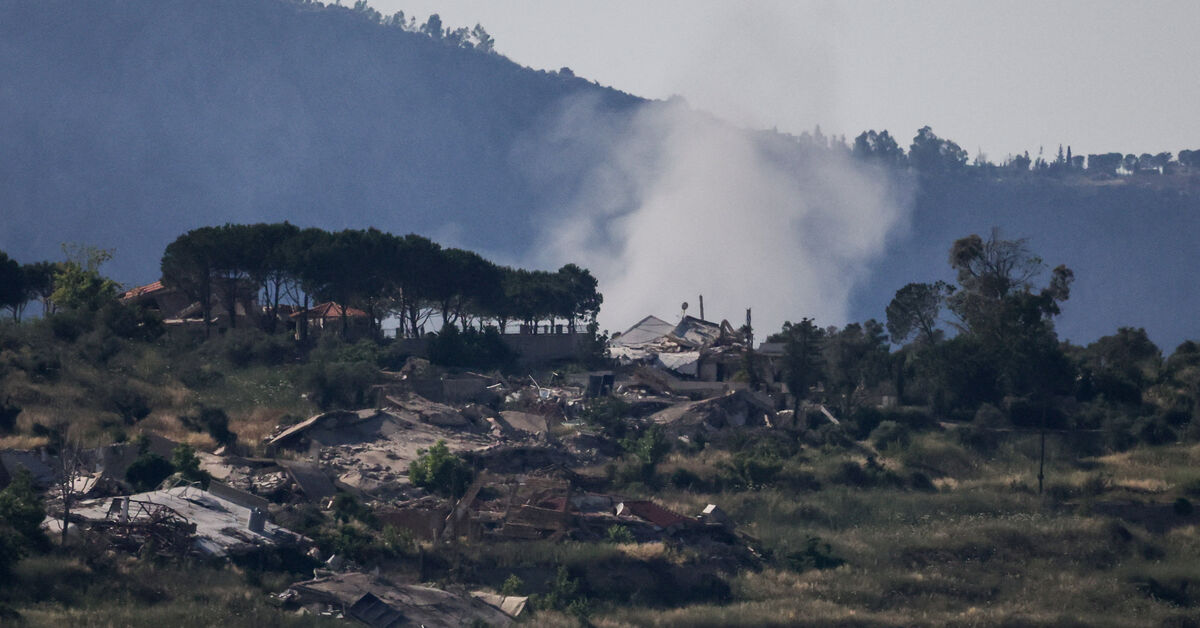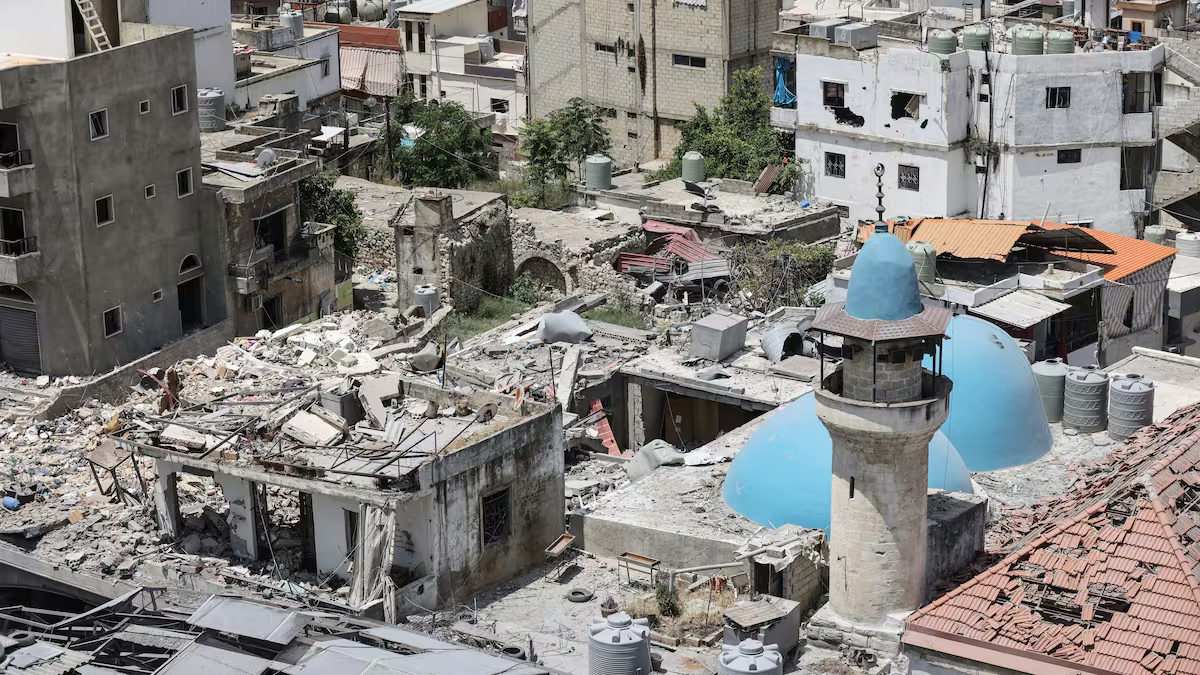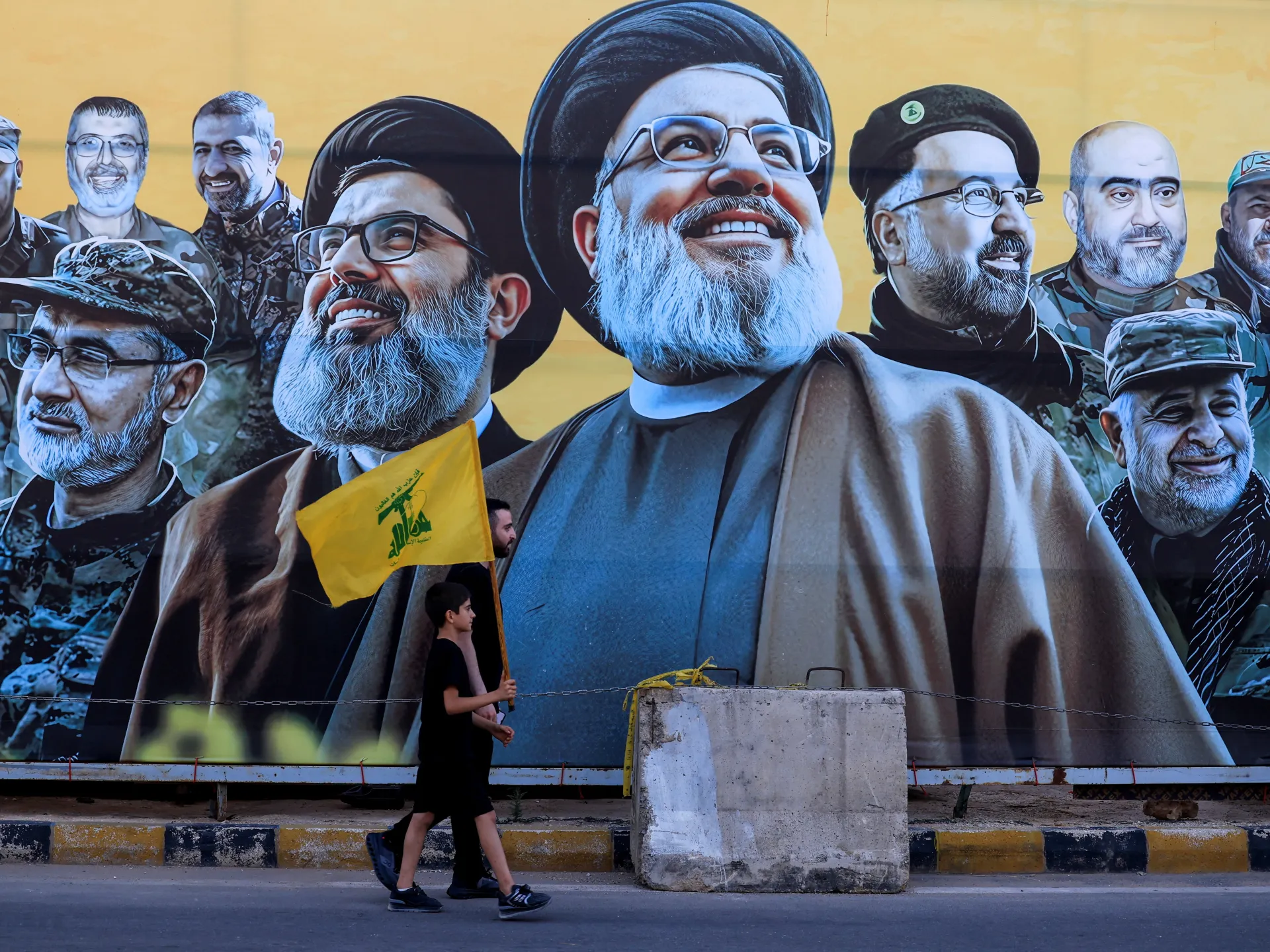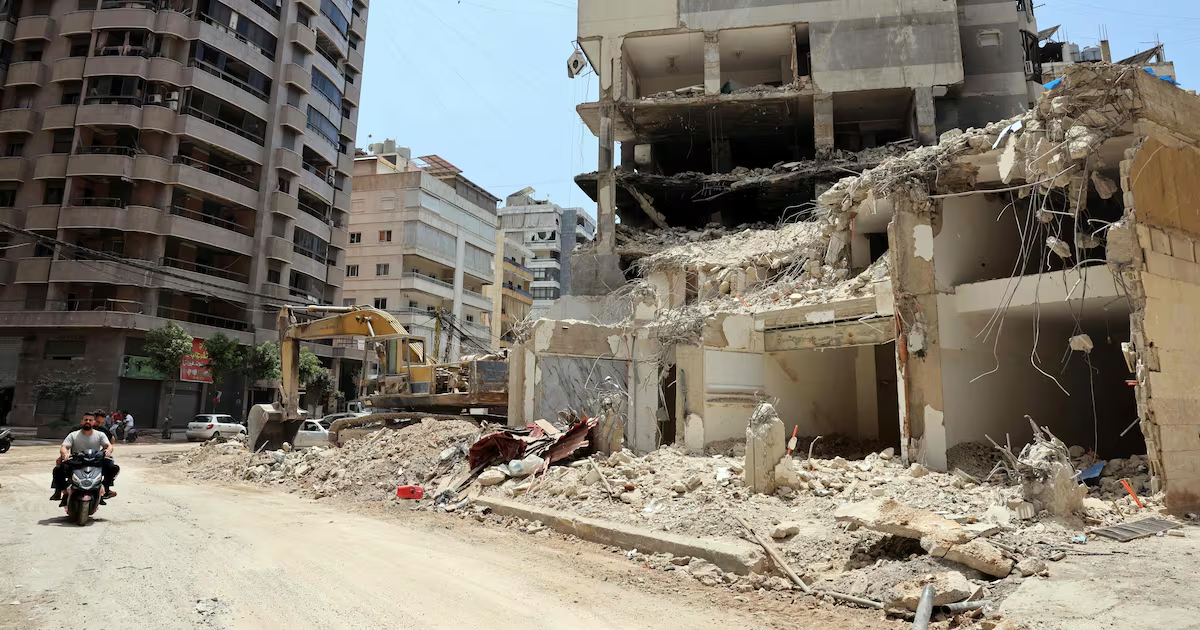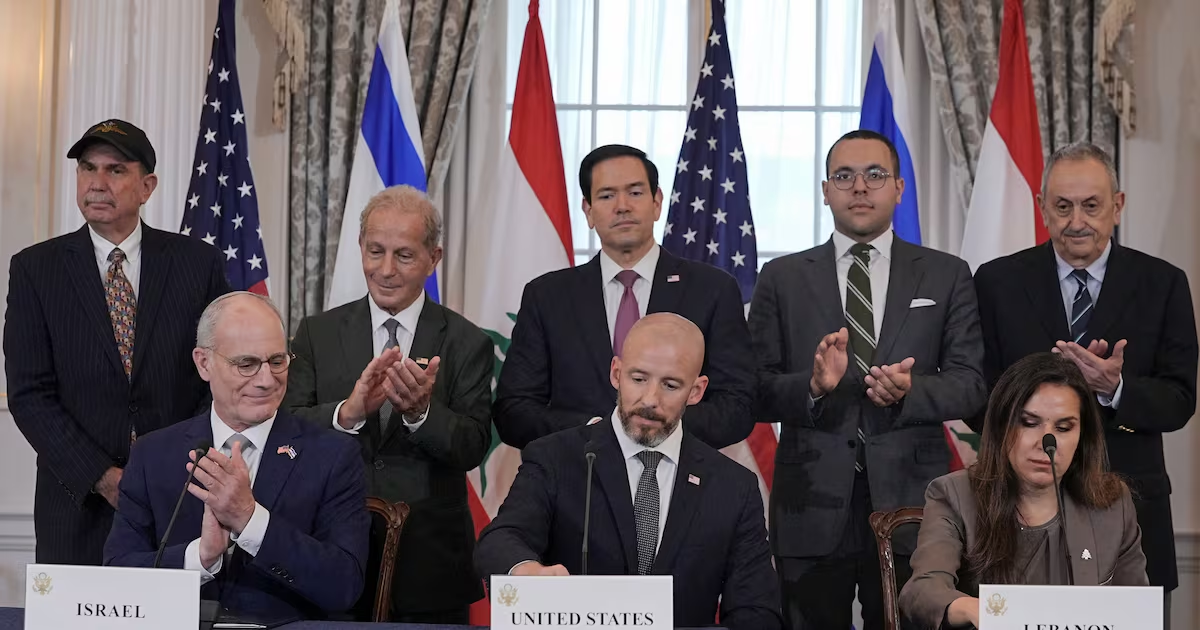
Even as the US and Iran have agreed a peace framework that includes the reopening of the Strait of Hormuz, the conflict between Tehran and Israel in Lebanon shows few signs of abating.Recent exchanges of fire between Hezbollah and Israel had apparently delayed the conclusion of the US-Iran Memorandum of Understanding and contributed to the risk of renewed direct confrontation between Tehran and Israel. As the crisis in the Gulf appears to be drawing to at least a temporary close, the conflict in Lebanon has grown deeper.First, it is important to understand where things stand today in Lebanon. On March 2, Iran’s Islamic Revolutionary Guard Corps and Hezbollah decided on opening a second front against Israel. It was done ostensibly in retaliation for the killing of Iran’s then-supreme leader, Ayatollah Ali Khamenei, but in strategic terms it served Tehran’s interests to open a second front in order to ease the pressure on itself and gain further leverage over Israel.Israel responded to the attacks by undertaking large-scale military operations in Lebanon. These included a re-occupation of a swath of territory in southern Lebanon, evacuated in 2000, and erasing dozens of towns and villages. Israel ordered the evacuation of dozens of other towns and villages north all the way up to, and beyond, the Litani River. Its latest operations include strikes on the town of Nabatiyeh, north of the Litani. It has also threatened, and occasionally hit, the Hezbollah stronghold of Dahiyeh in Beirut’s southern suburbs.Play02:19US and Iran agree peace framework and reopening of Strait of HormuzThis is the largest military incursion and occupation in Lebanon since 1982. That invasion was against the Palestine Liberation Organisation and did not include the erasure of entire Lebanese towns and villages. This invasion is against Hezbollah, and Israel has purposefully targeted the Shiite population, and their towns and villages, among whom are the support base for that group.From Israel’s perspective, the operations in Lebanon are part of its post-October 7, 2023 strategy of forward defence. This includes going after threats wherever they are in the region and occupying territory outside their borders – such as in Gaza, southern Syria and southern Lebanon – in order to prevent any future cross-border attacks such as that of October 7.Israel’s position, made clear in negotiations with the Lebanese government in Washington, is that it has no long-term territorial ambitions in Lebanon, but that it will also not tolerate the threat from Hezbollah. In effect, this means that it is willing to discuss withdrawal from Lebanon only in the context of an effective dealing with the threat from Hezbollah, initially through a full eviction of the group from areas in southern Lebanon and finally through disarmament.From Iran’s perspective, the activation of the Lebanese front serves its strategic interests, in pinning Israeli forces and resources and maintaining a proximate threat against Israel. While Hezbollah’s old strategic role of “deterring” Israeli or American attacks on Iran itself is no longer effective, the group is still useful to Iran.Tehran has pressed Hezbollah to resist the Lebanese government’s demands to give up its arms and integrate into the state, much as it is urging allied militias in Iraq to do the same. There is little doubt that as Iran gets billions of dollars of revenue in the coming weeks and months following the framework agreement with the US, it will try to funnel some of these resources to Hezbollah.For what remains of the Lebanese leadership of Hezbollah – and that leadership has been greatly annihilated in the past two years – the calculations are more complex.On the one hand, it must continue to adhere to the directives of its IRGC commanders and to the Islamic Republic to which it owes sworn loyalty (it is also displeased that the renewed fighting and occupation in Lebanon gives its narrative of “resistance” a new lease on life). On the other hand, it is aware that the decisions of the recent months – and indeed of the past three years – have led to the historic devastation of its sustaining community. There are more and more voices rising up from that community questioning and criticising the wars that Hezbollah and the IRGC have led the community into.From the US side, President Donald Trump is focused on opening the strait, relieving the pressure on the global and US economies and trying to salvage some sort of a deal on the nuclear issue. His administration has encouraged and hosted direct talks between Lebanon and Israel, and it is eager to help both sides reach a ceasefire and make progress against Hezbollah. It also seeks to strengthen the Lebanese army against Hezbollah and towards deployment in the south in order to bring about Israeli withdrawal.But the administration is aware that Israel’s leadership is unhappy with how limited the US-Iran framework is. And so, it is giving it a fair amount of leeway in Lebanon to deal with Hezbollah. Both the US and Iran have only drawn the line on Israeli strikes against the suburbs of Beirut; large-scale Israeli operations have proceeded throughout the south.Caught between the pincers of Iran and Israel, the Lebanese government has been desperate to bring the latest round of fighting in the country to an end. It has sought to strengthen its own governance and military capacities and to urgently negotiate a redeployment of the Lebanese army to the south as well as the activation of a phased Israeli withdrawal from there.US Secretary of State Marco Rubio speaks ahead of working-level peace talks between Lebanese and Israeli officials in Washington in April. AFPInfoBeirut was already struggling to tackle the Hezbollah challenge and deal with a seven-year-old economic, fiscal and banking collapse. Now it also has to struggle with the displacement of a quarter of Lebanon’s population, the demolition of dozens of towns and villages and the risk of a new three-month occupation turning into one of many years.As work continues to end the crisis in the Gulf, to open the Strait of Hormuz once again and to rebuild regional security and stability, it is important for leaders in the Middle East and internationally not to enable what is essentially a side-front of the wider war – the Lebanese front – to continue unresolved and to provide the conditions for continued armed conflict that not only devastates Lebanon and its people, but could over time send sparks that re-ignite broader conflict in the region.The US-Iran framework is a welcome beginning, but it won’t resolve the broader conflict on its own. It is an opening towards de-escalation and will enable diplomatic efforts to forge a better future for the region. In that effort, the situation in Lebanon, let alone Israel’s recent occupation of southern Syria and its still-unresolved occupation and devastation of Gaza, must also be part of the next round of hard diplomacy.If war is the continuation of politics by other means, then the next round of politics must be geared towards preventing the continuation of war in the coming months.
Lebanon runs the risk of becoming a forever front in the Iran-Israel conflict | The National
The Washington-Tehran framework agreement is promising, but it won't resolve the broader regional conflict on its own
1,164 words~5 min read