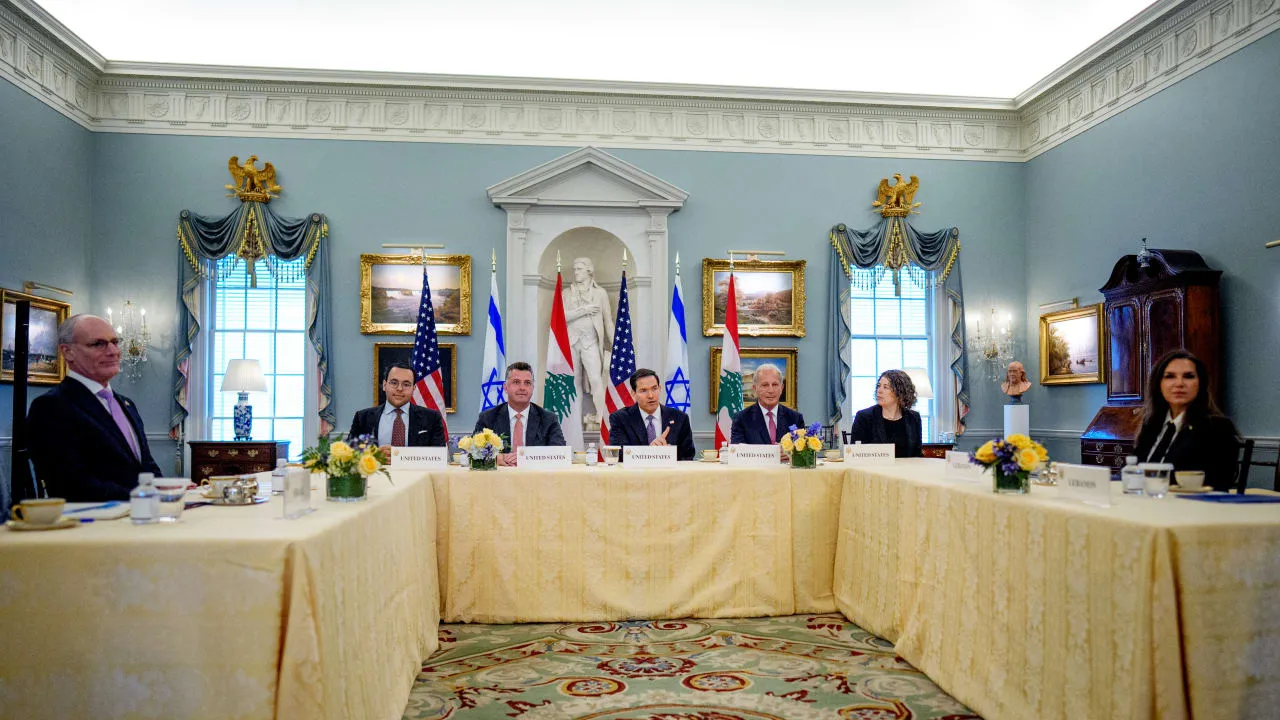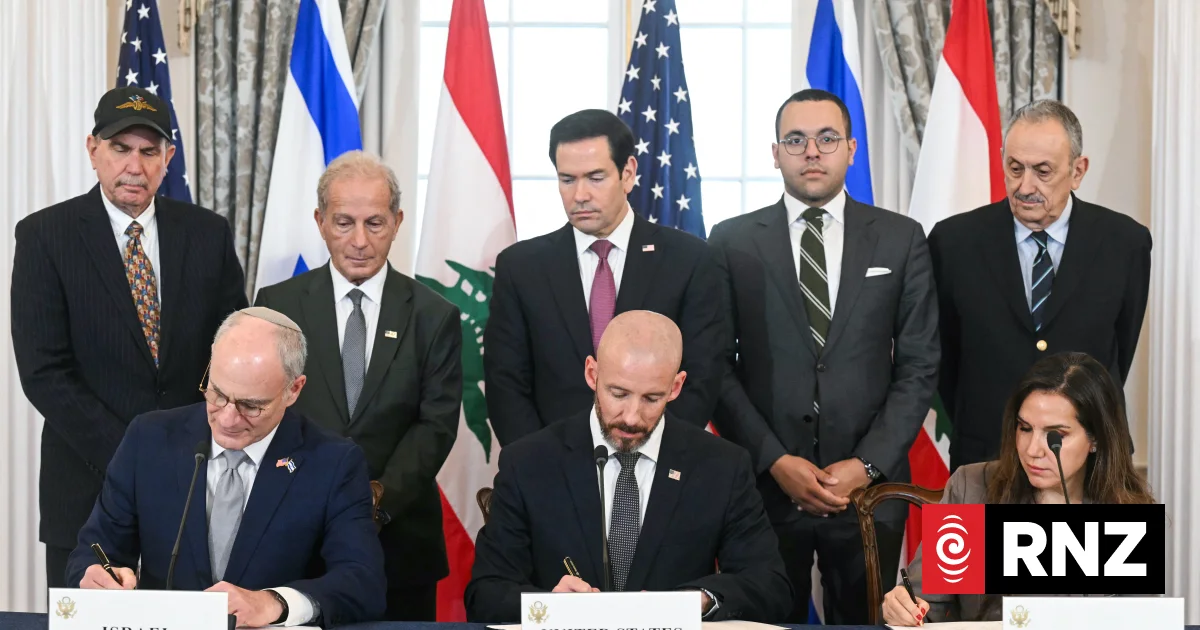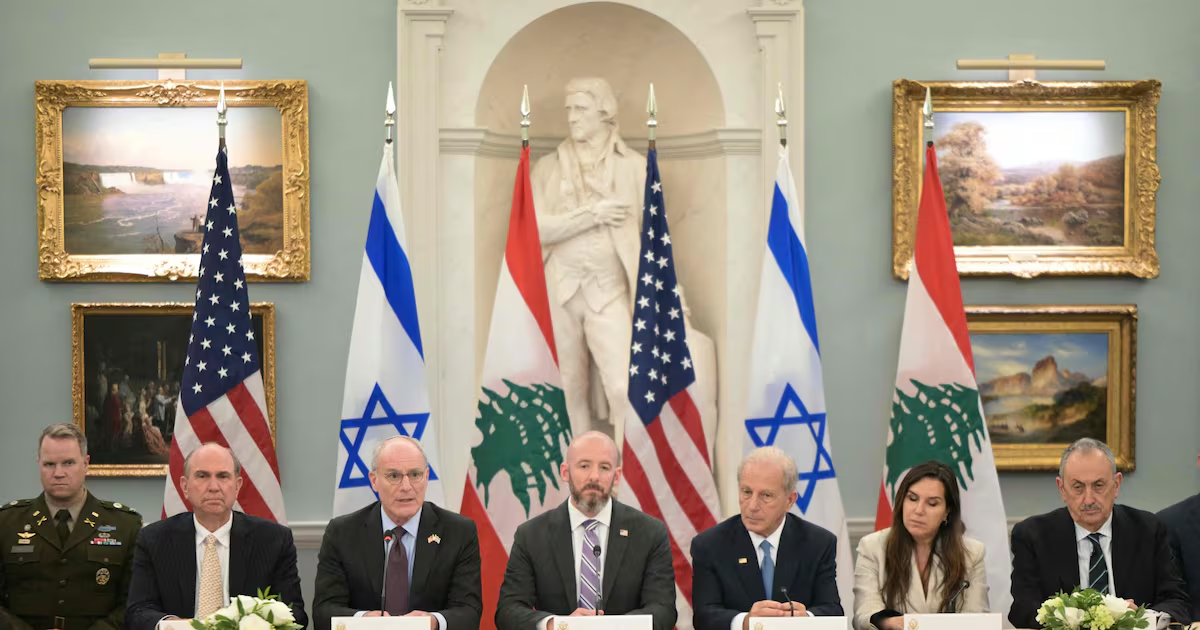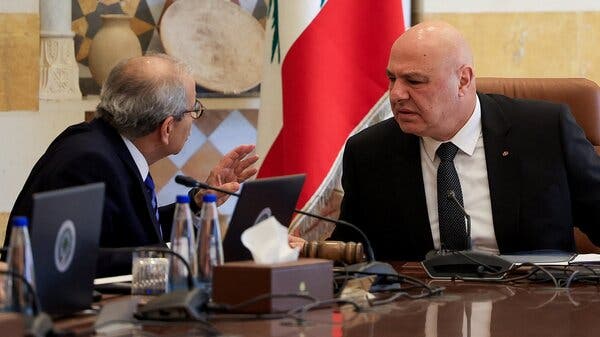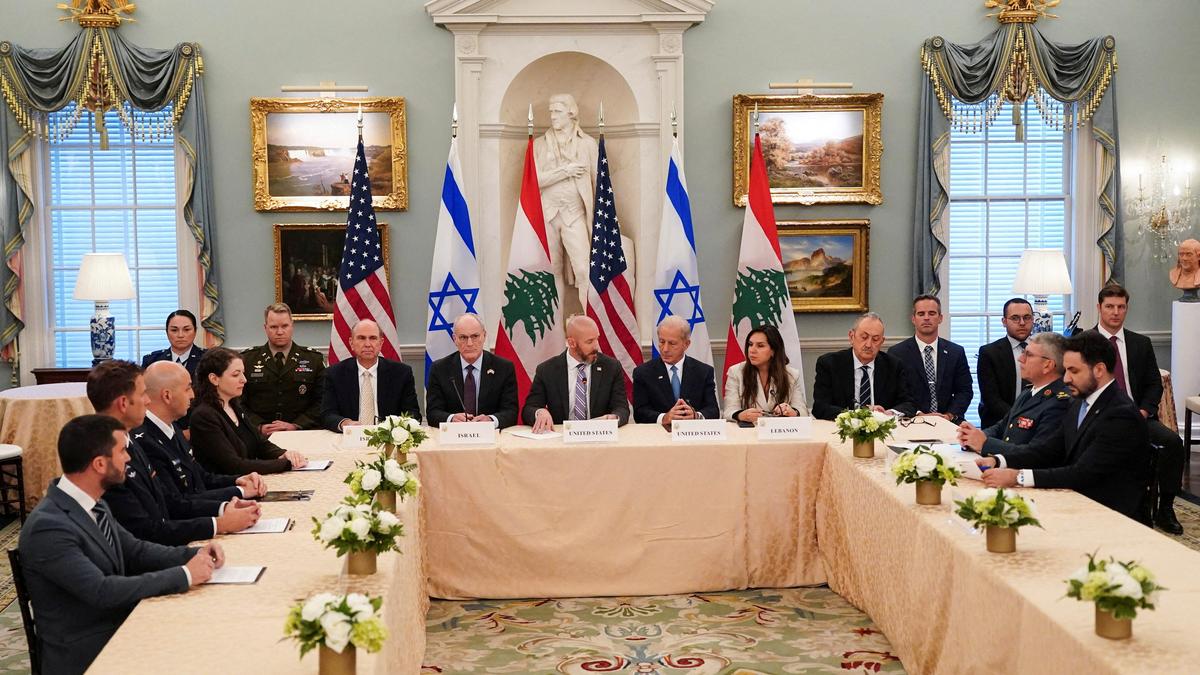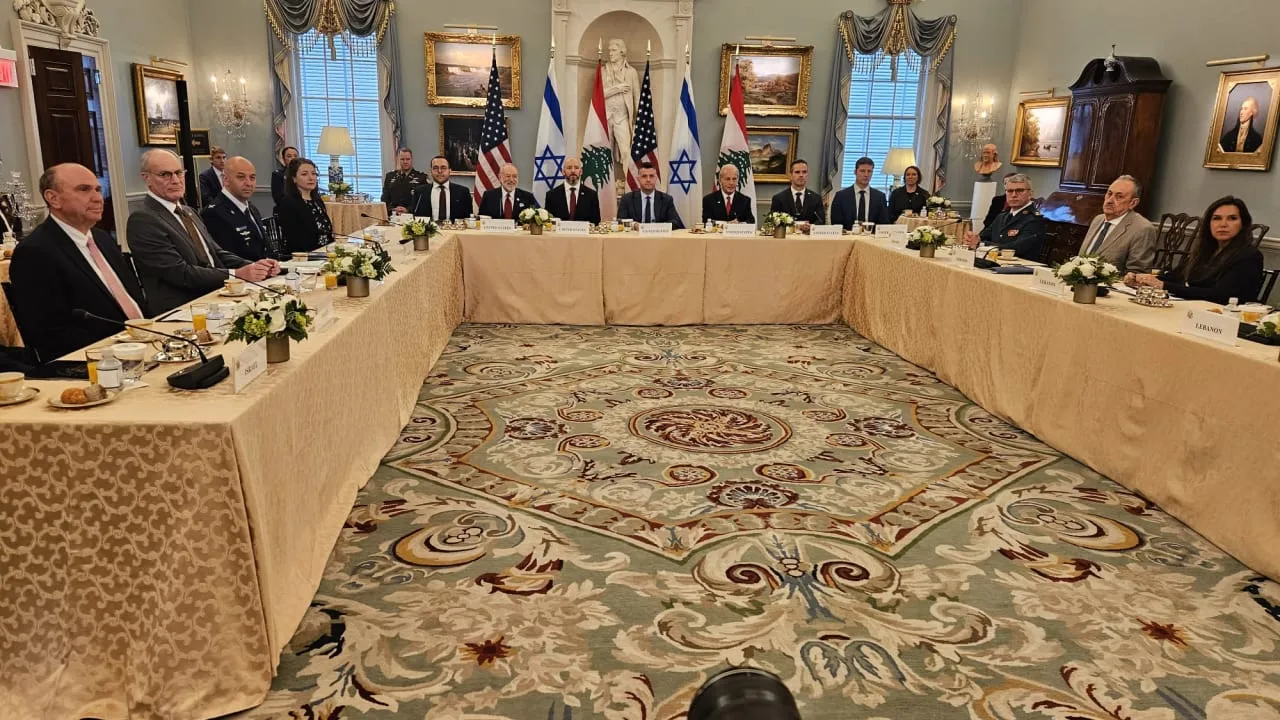
ByAMICHAI STEINJUNE 16, 2026 22:15Western diplomats told The Jerusalem Post that the framework agreement between Iran and the United States, which includes a ceasefire in Lebanon, is expected to affect the negotiations currently taking place between Israel and Lebanon.Next week, an Israeli delegation headed by Israeli Ambassador to Washington Yechiel Leiter is scheduled to meet in Washington with the Lebanese delegation led by Lebanon’s Ambassador to the United States, Nada Hamadeh Mawad, and former Ambassador Simon Karam.The talks will focus on the possibility of normalization between the two countries and on the continued implementation of the agreement reached earlier this month.At the conclusion of the previous round of discussions, Israel, Lebanon, and the United States issued a joint statement declaring a ceasefire between Israel and Lebanon, on the condition that Hezbollah withdraw from southern Lebanon and disarm. The agreement also established the launch of a pilot program under which the Lebanese Armed Forces would enter designated areas and begin disarming Hezbollah, while the IDF would simultaneously withdraw from those same locations.President Joseph Aoun (R) chairs the first meeting of Lebanon's new government, along with Premier Nawaf Salam, at the Baabda presidential palace, east of Beirut, on February 11, 2025 (credit: ANWAR AMRO/AFP VIA GETTY IMAGES)Iran 'instrumental' in securing current ceasefire in LebanonDiplomats told the Post that the perception that Iran was instrumental in securing the current ceasefire in Lebanon - and the fact that the US administration has linked the negotiations between Tehran and Washington to developments in Lebanon - has weakened the Lebanese government on one hand, while failing to persuade Hezbollah to accept any measures aimed at dismantling the organization on the other.Lebanese Parliament Speaker Nabih Berri, a close ally of Hezbollah, said on Tuesday that “the priority now is to secure an Israeli withdrawal from Lebanon, and this issue will be addressed during the 60-day negotiation period between Iran and the United States.”Berri emphasized that he opposes the establishment of “pilot zones” (a reference to the Lebanese government’s Hezbollah disarmament initiative), arguing that such an arrangement would prolong the withdrawal process for “two years.”The memorandum of understanding explicitly states that upon signing, the ceasefire entered into effect “including in Lebanon.”This was widely viewed as an Iranian achievement because it effectively linked Lebanon’s situation to that of Iran, contrary to Israeli efforts to separate the various regional fronts.On Monday, for the first time since the outbreak of the war involving Iran, Iranian Foreign Minister Abbas Araghchi held a conversation with Lebanese President Joseph Aoun, signaling a renewed and public Iranian engagement in the Lebanese arena.According to a statement released by the Lebanese presidency following the call, President Aoun emphasized that “Lebanon’s stability and sovereignty remain at the top of the national agenda.” The statement added that Araghchi expressed hope that all parties would respect Lebanon’s sovereignty.At the same time, Iranian Parliament Speaker Mohammad Bagher Ghalibaf spoke with Lebanese Parliament Speaker Nabih Berri, Hezbollah’s key political ally in Lebanon.US President Donald Trump said on Tuesday during the G7 summit in France that “Netanyahu needs to act more responsibly regarding Lebanon.”Trump suggests Syria should take responsibility for dealing with HezbollahTrump also stated that he had suggested that Syria take responsibility for dealing with Hezbollah. “I think they would do a good job,” the president said.The proposal has faced opposition not only from Israel but also from the Lebanese government. Moreover, Syrian President Ahmed al-Sharaa has reportedly conveyed that he prefers, at this stage, not to become involved in Lebanese affairs.Talking points circulated by the US administration to various stakeholders over the past 24 hours explicitly stated that “the conflict between Israel and Hezbollah has been the most dangerous source of tension in the region, and President Trump incorporated it into the memorandum of understanding.”The document further stressed that “the ceasefire must be preserved before any additional steps can move forward.”Follow us on Google
US-Iran framework seen impacting Israel-Lebanon negotiations | The Jerusalem Post
The talks will focus on the possibility of normalization between the two countries and on the continued implementation of the agreement reached earlier this month.
643 words~3 min read