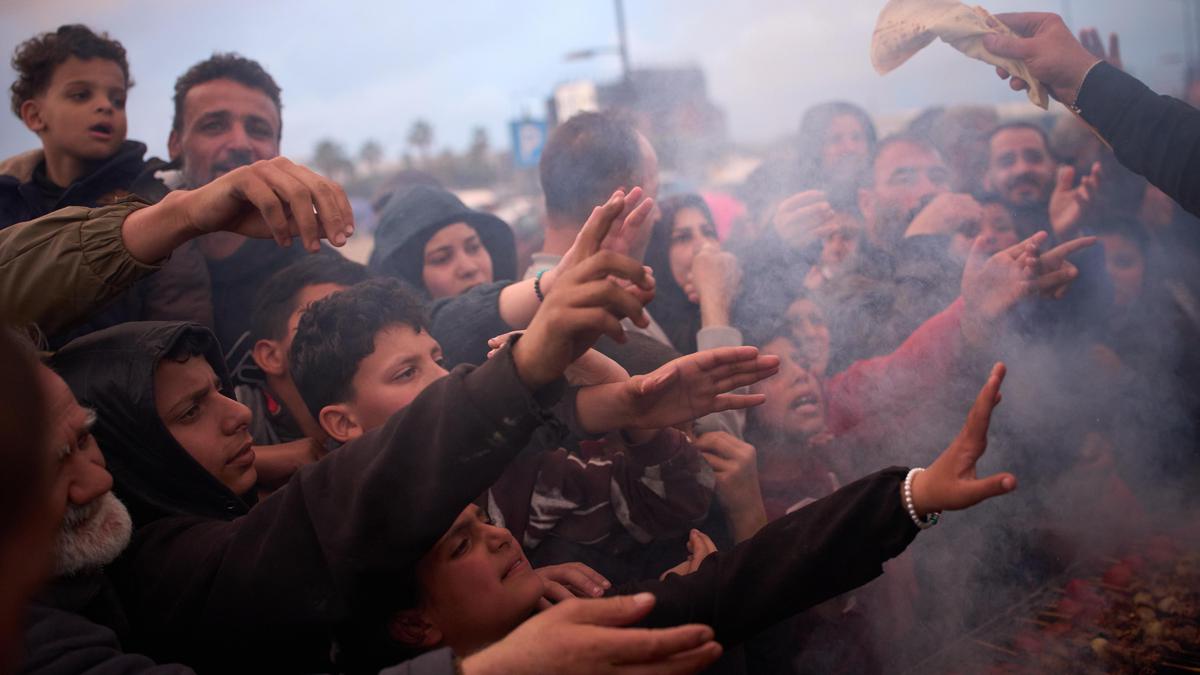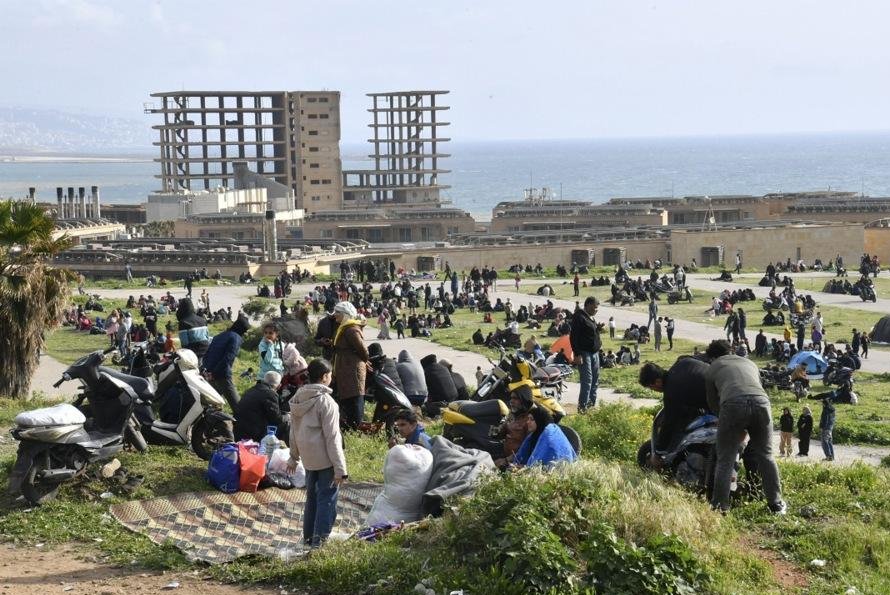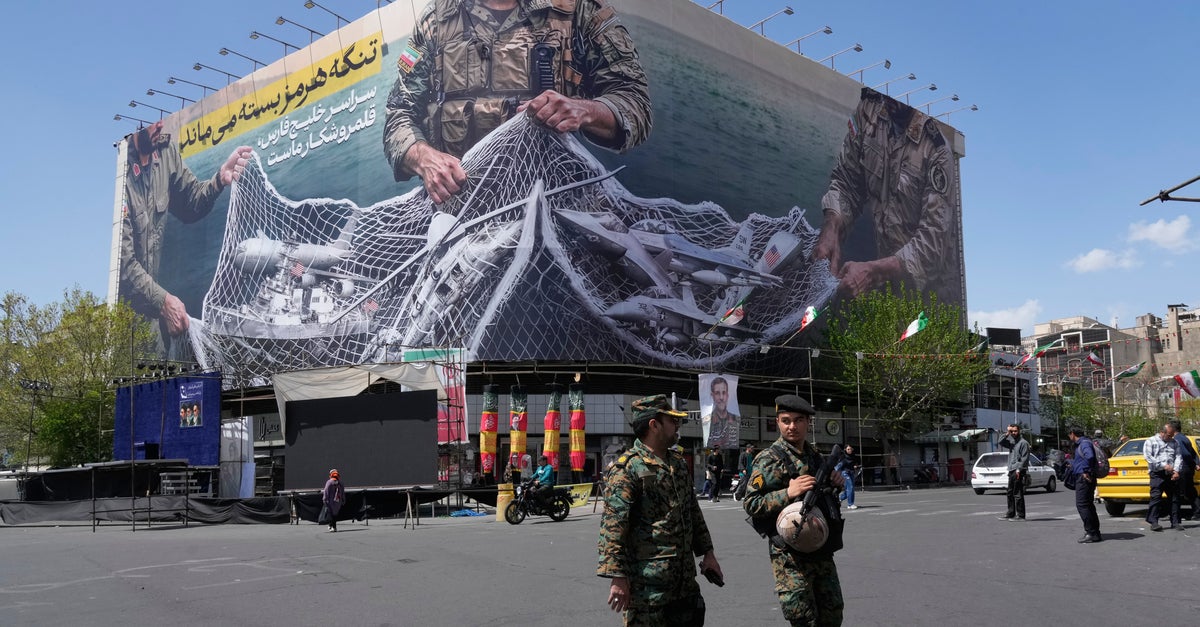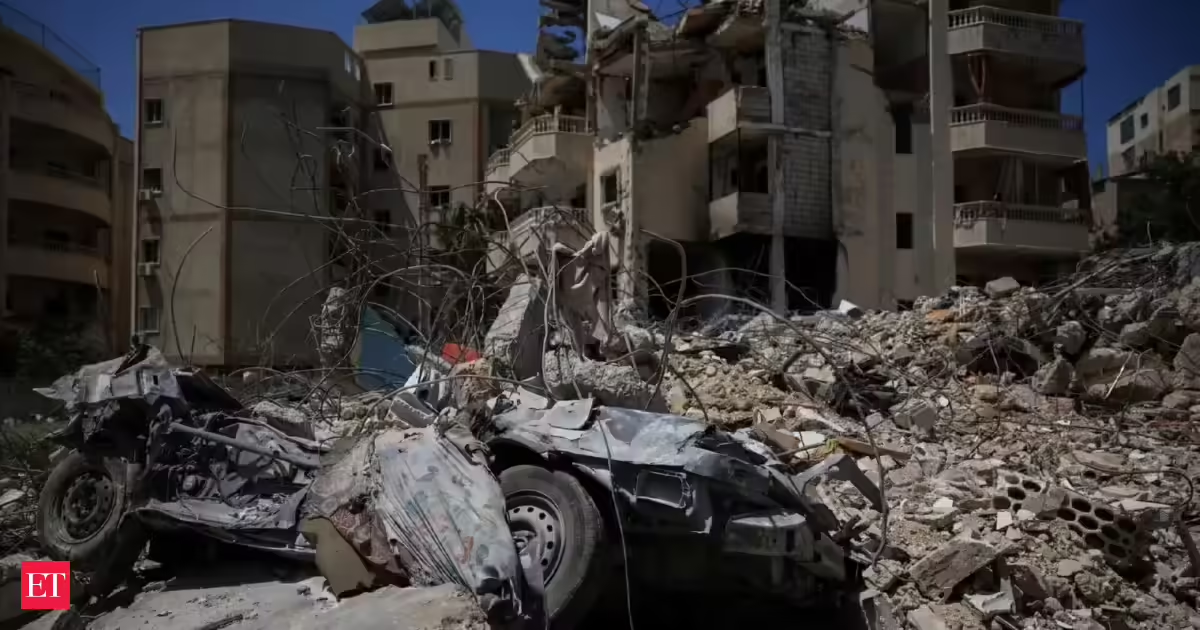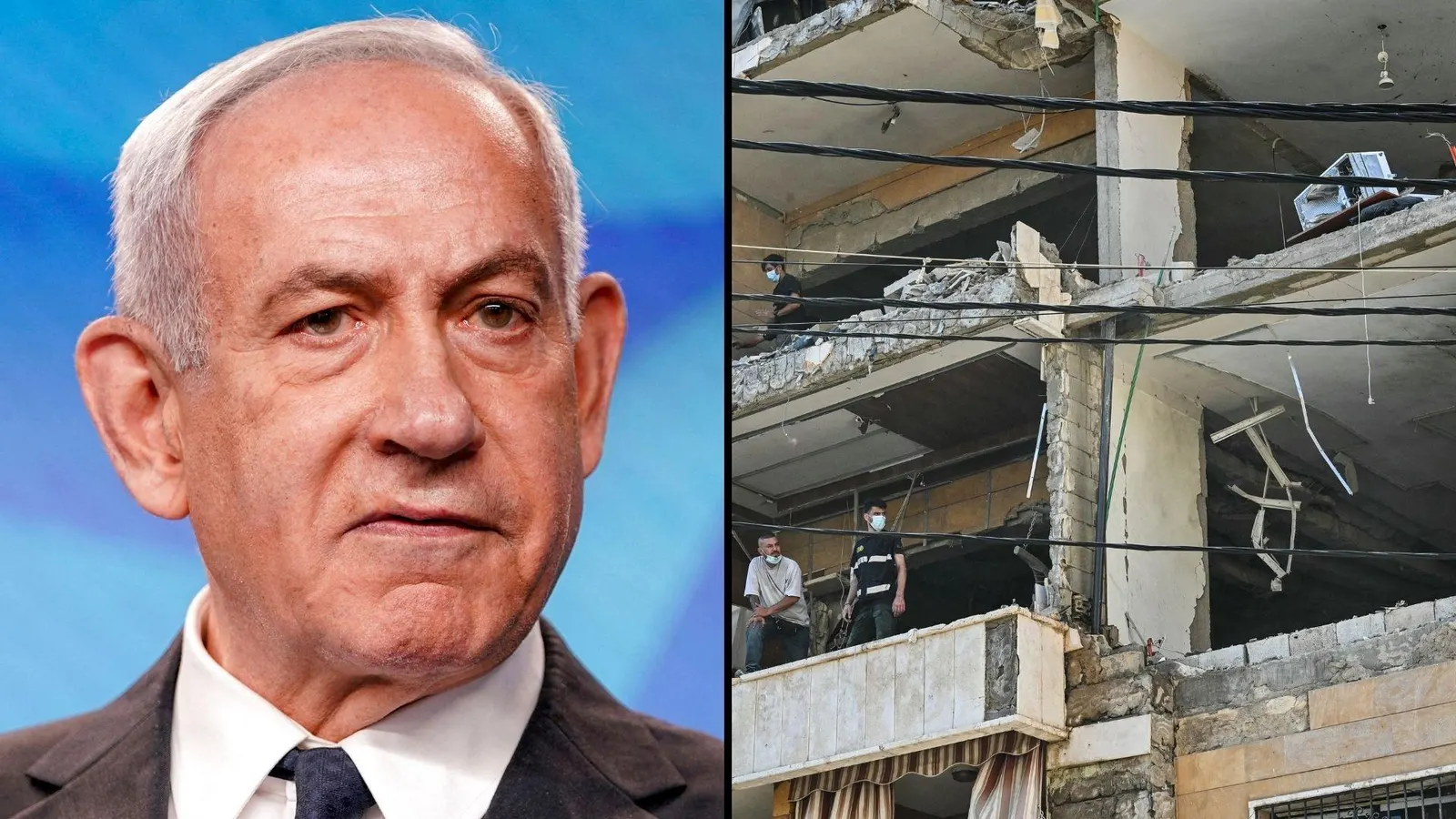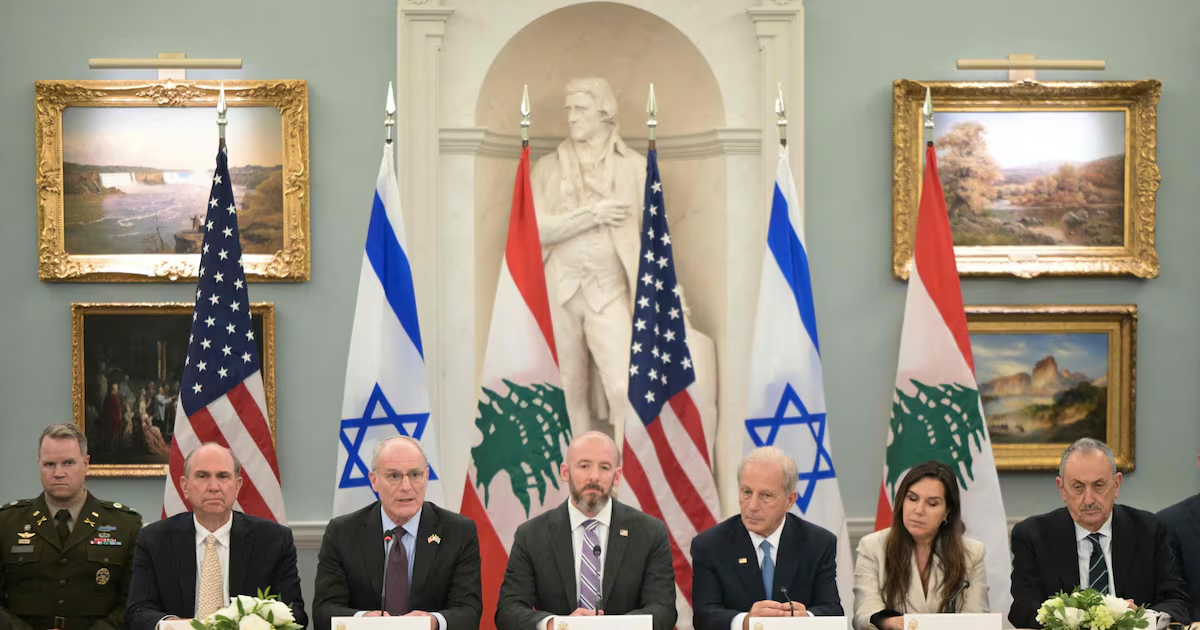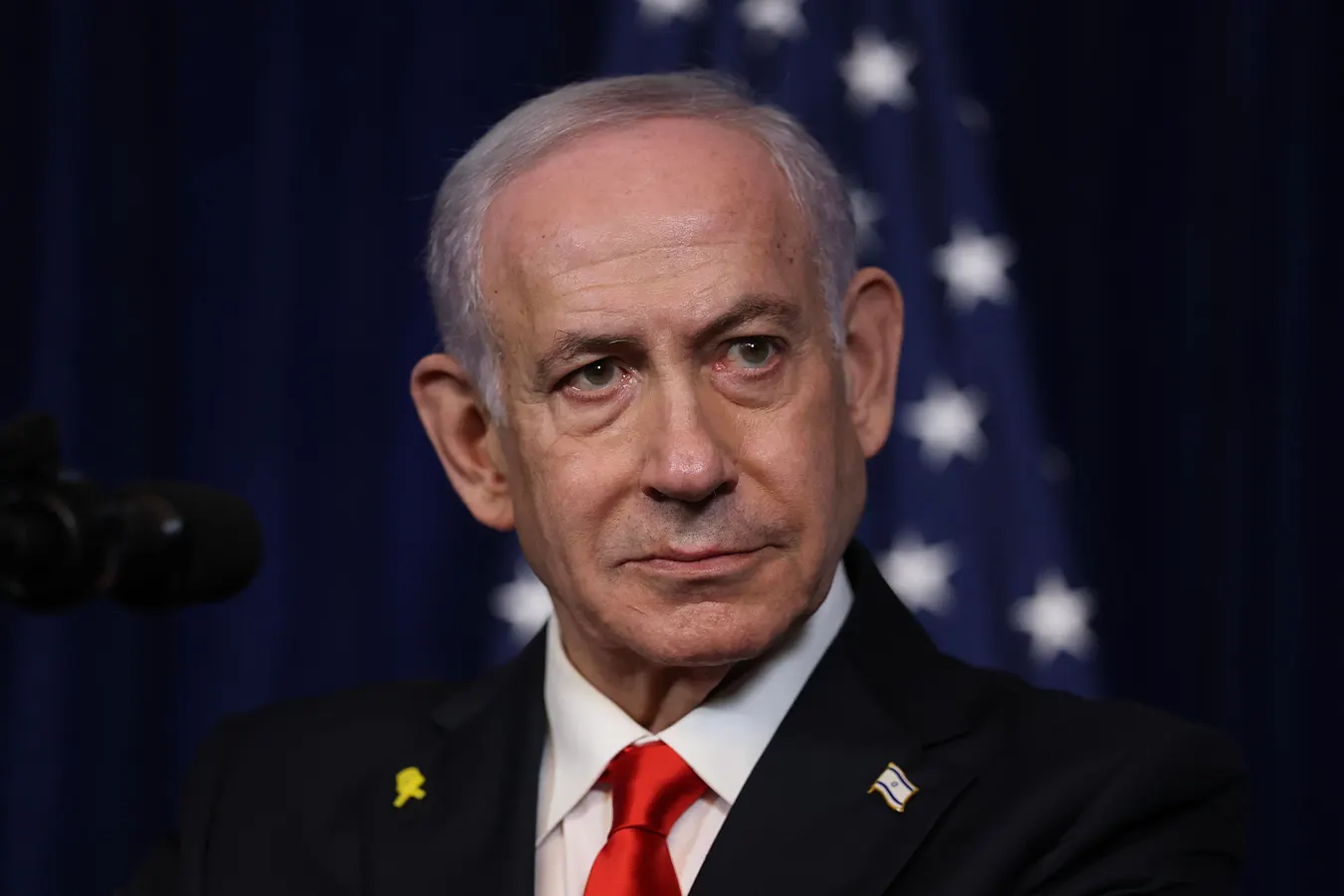
ToplineDirect negotiations between Israel and Lebanon are expected to begin next week in Washington, D.C., according to the Associated Press, potentially improving U.S.-Iran ceasefire efforts thrown into turmoil after Israeli strikes against Lebanon.Netanyahu confirmed Thursday that negotiations would start soon.Photo by Joe Raedle/Getty ImagesKey FactsThe negotiations between Israel and Lebanon, which technically have been at war since Israel’s founding in 1948, will take place at the State Department, the AP reported.Israeli Prime Minister Benjamin Netanyahu said Thursday he will “open direct negotiations with Lebanon as soon as possible,” claiming the country has made “repeated requests” for talks.Netanyahu said the disarmament of the Lebanese militant group Hezbollah will be the focus of peace talks, adding, “Israel appreciates the call made today by the Prime Minister of Lebanon to demilitarize Beirut.”Lebanese Prime Minister Nawaf Salam called for a ban against Hezbollah’s military activities last month.In a video statement posted Thursday afternoon, Netanyahu said there is no ceasefire in Lebanon and that Israel will continue striking “Hezbollah with force and will not stop until we restore” security.TangentPresident Donald Trump confirmed to NBC News he asked Netanyahu on Wednesday to reduce strikes in Lebanon to improve the chances of successful negotiations, telling NBC News that Israel was “scaling back” its operations in Lebanon. Trump also said he was “very optimistic” a peace deal with Iran was possible, adding, “If they don’t make a deal, it’s going to be very painful.” Key BackgroundTrump announced a ceasefire between the U.S. and Iran on Tuesday and that the countries would “work closely” on regime change and nuclear security. The ceasefire came after Trump threatened further strikes against Iran, saying “a whole civilization will die tonight, never to be brought back again.” Less than a day later, Iran accused the U.S. of breaking the ceasefire following Israeli strikes against Lebanon that killed at least over 300 people and injured 1,165, according to Lebanon’s civil defense. Iran then closed the Strait of Hormuz, a crucial shipping route Trump has sought to capture or at least reopen for trade amid the war. Responding to Iran, Trump and Vice President JD Vance claimed Iran misunderstood the ceasefire and that Lebanon was not included in the agreement. Vance said the Lebanon dispute “comes from a legitimate misunderstanding” with Iran believing Lebanon was part of the ceasefire, but that the U.S. “never made that promise.”Further ReadingTrump Says Ceasefire Doesn’t Include Lebanon—After Iran Says It Does, And Closes Strait Of Hormuz (Forbes)Trump Mulls Pulling U.S. Troops Out Of NATO Countries Opposing Iran War, Report Says (Forbes)
Israel-Lebanon Peace Talks Planned—Could Boost U.S.-Iran Ceasefire
A ceasefire agreement struck between the U.S., Israel and Iran was thrown into question after Israel conducted strikes against Lebanon this week.
422 words~2 min read