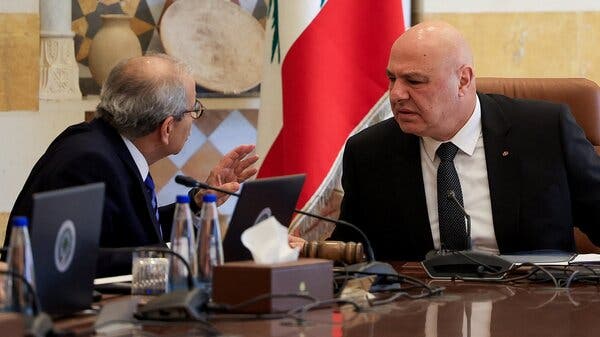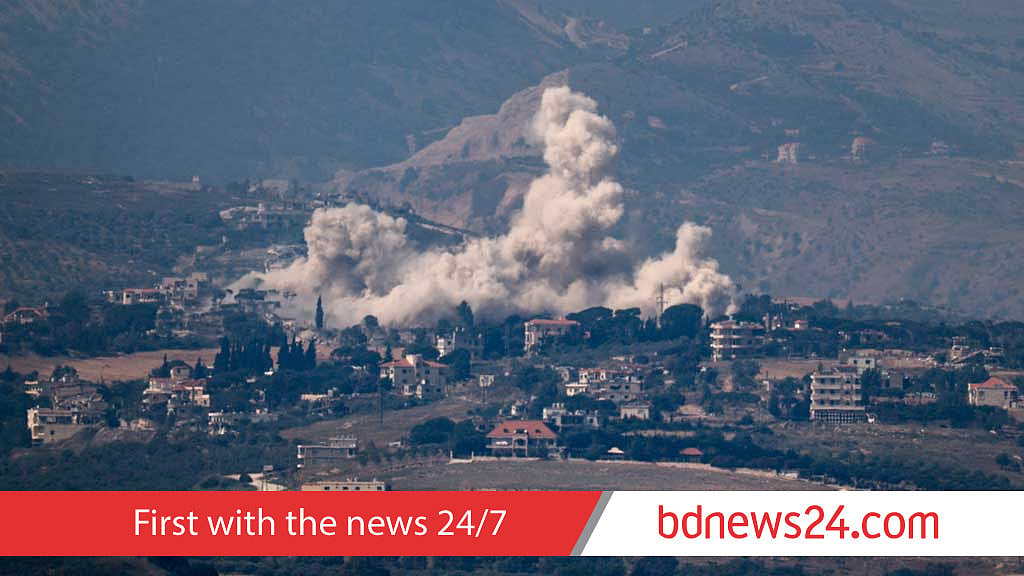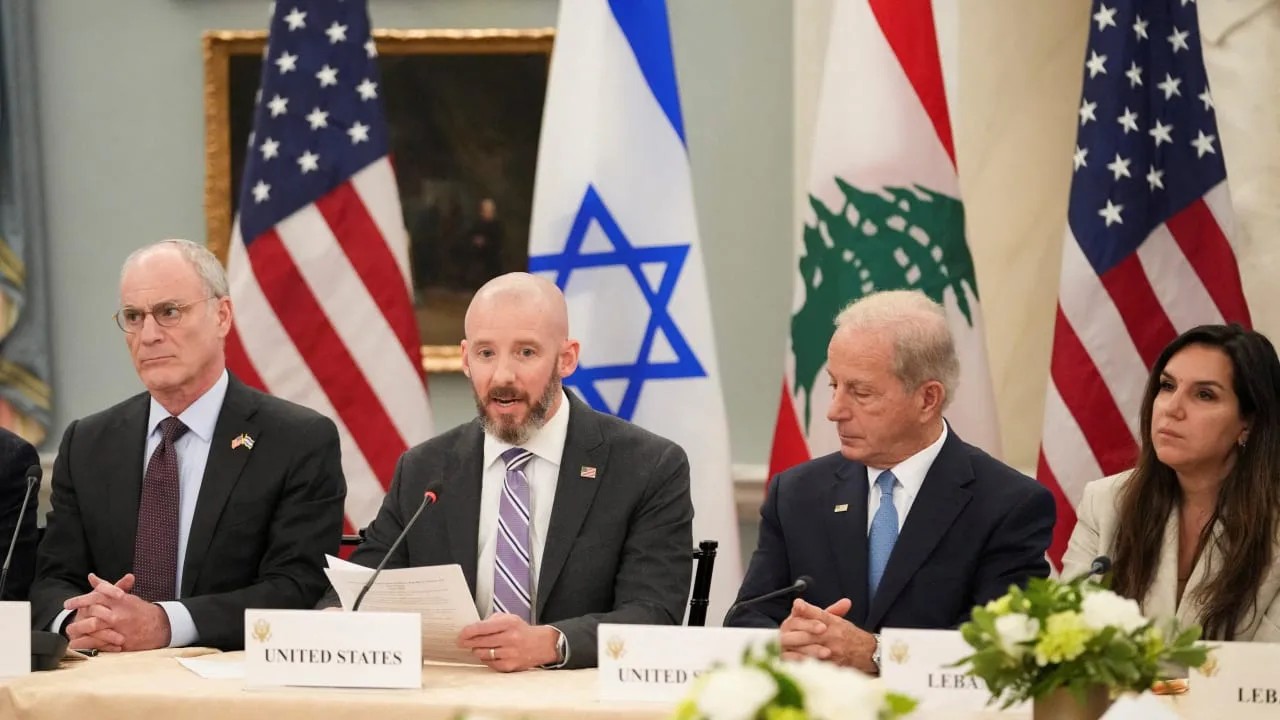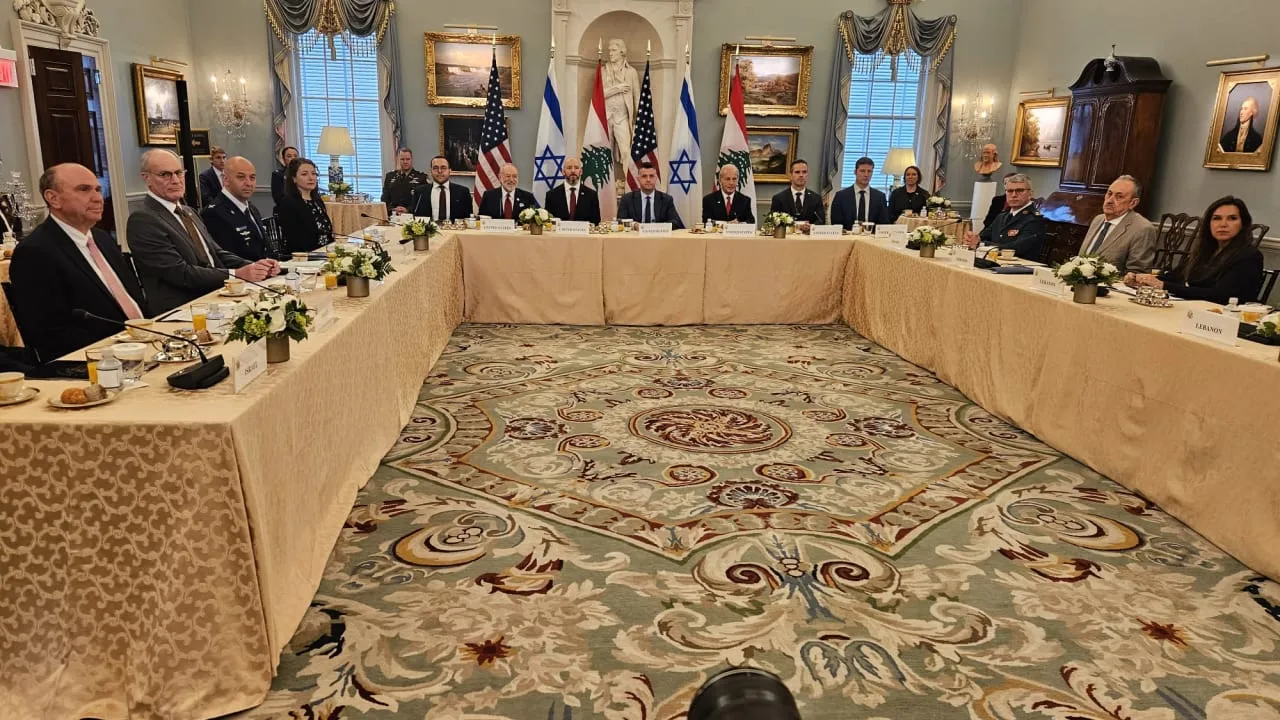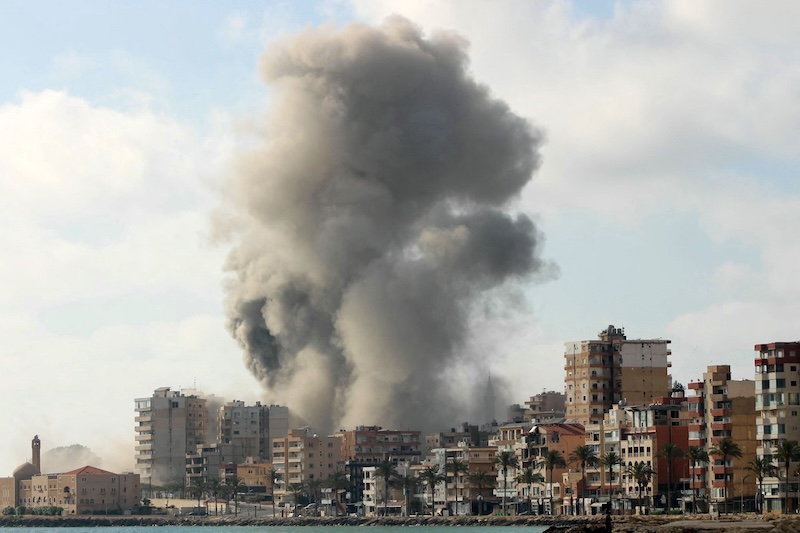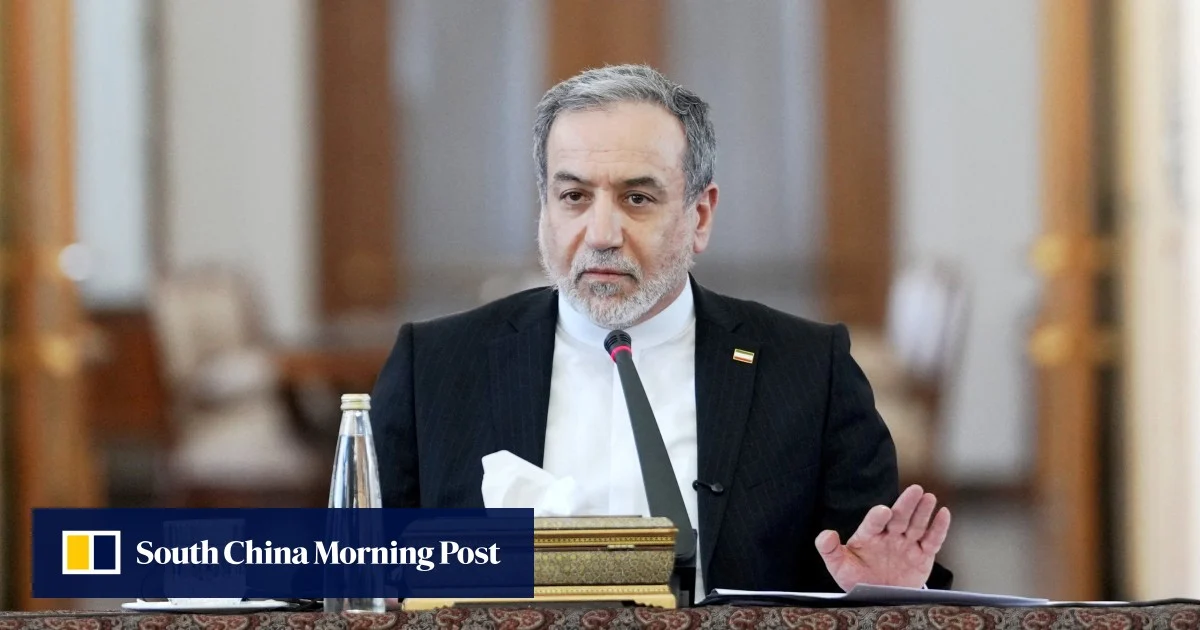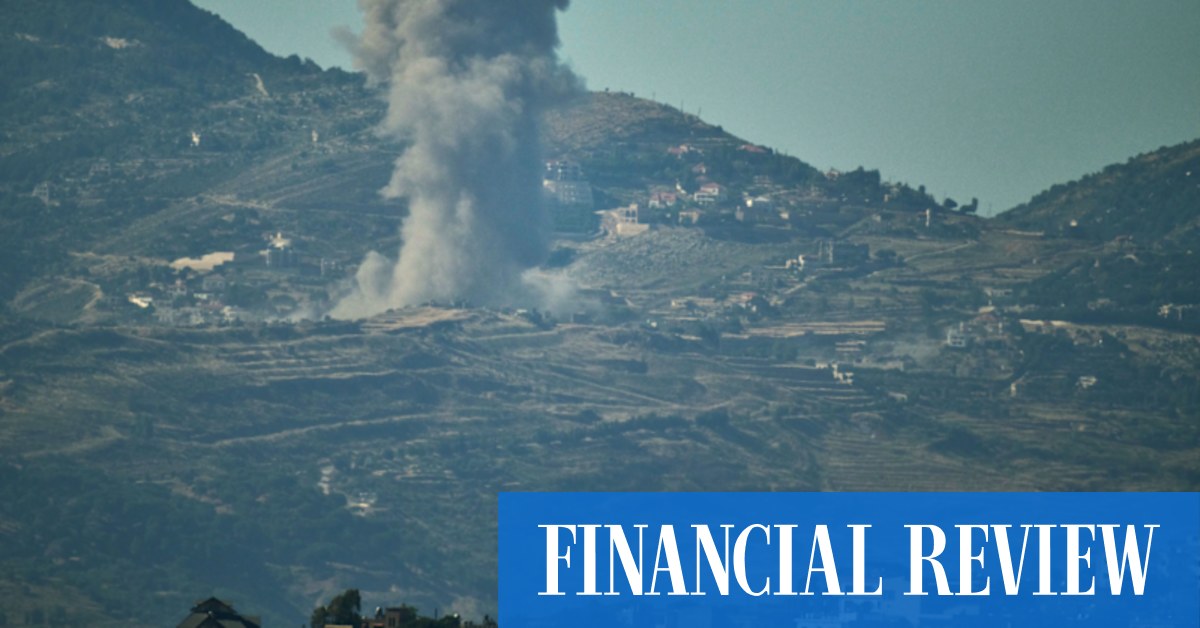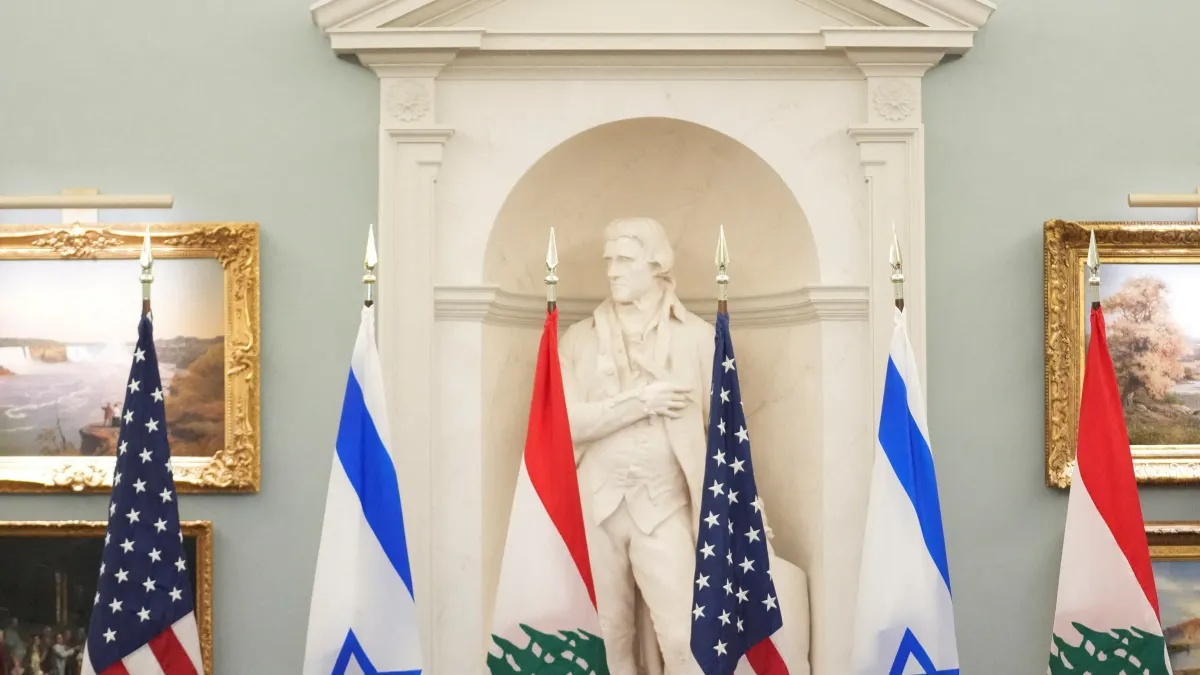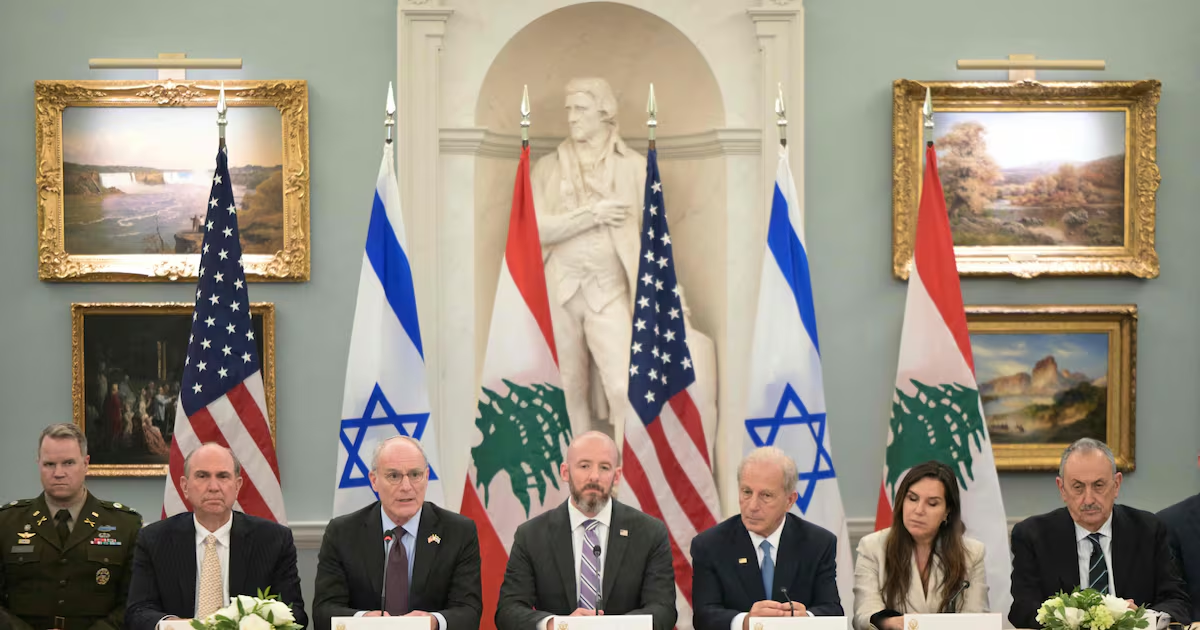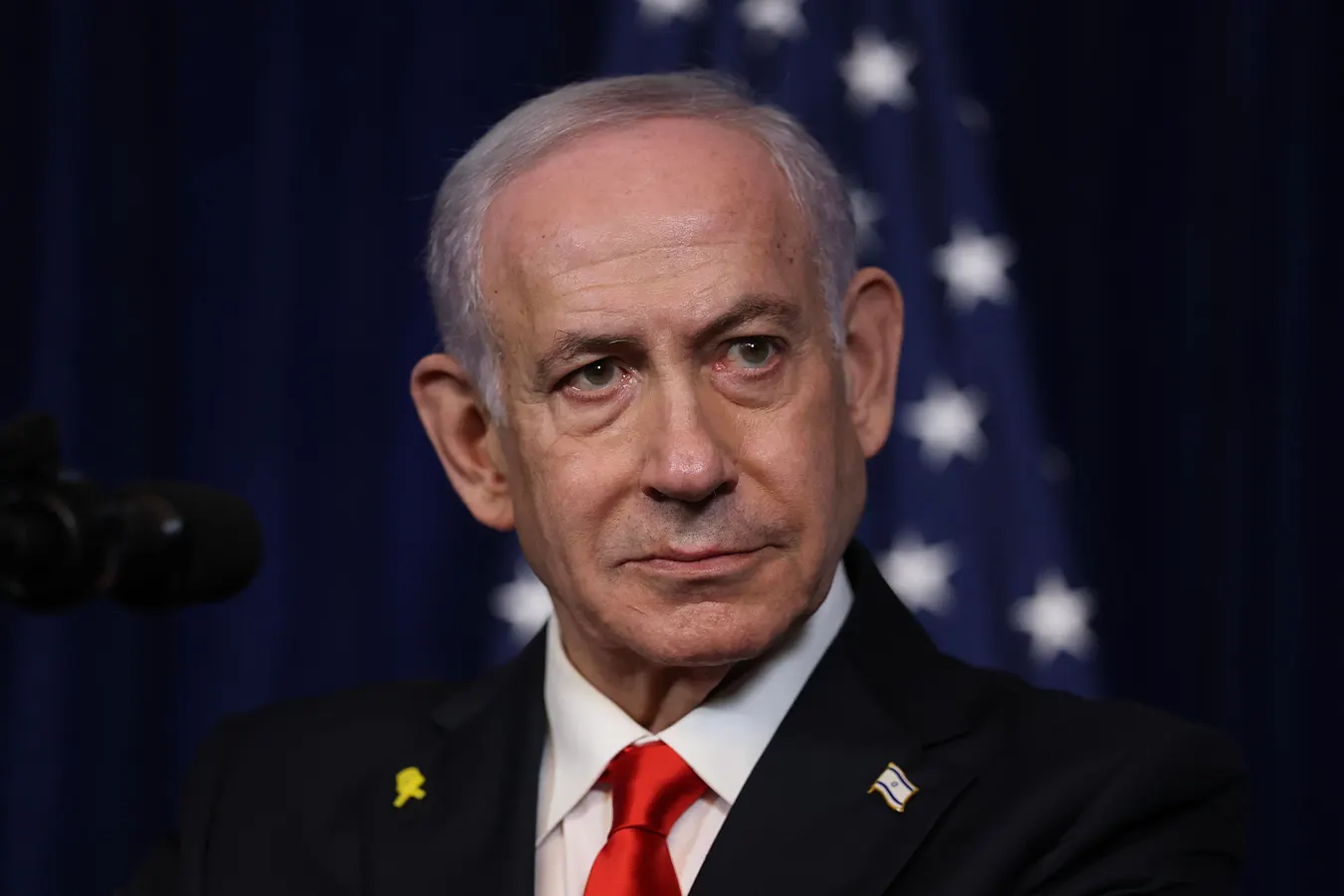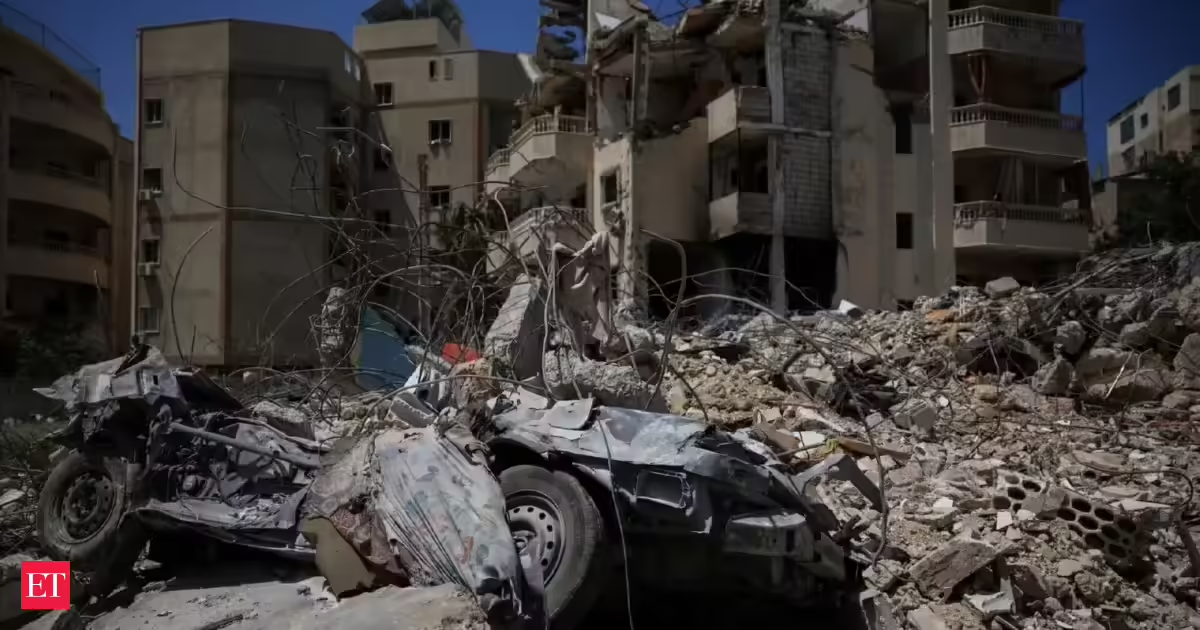
Talks between Lebanon and Israel aimed at negotiating a ceasefire and cementing border security are expected to continue and could accelerate, as Washington and Tehran move towards signing a memorandum of understanding on Friday to end the war, a senior Lebanese official has said.“Lebanon wants to rush and take advantage of the ceasefire in the Gulf to make progress on a de-escalation on the Israel-Lebanon front that will lead to an agreement on a ceasefire as soon as possible,” the official told The National, referring to continuing negotiations in Washington.The official said Beirut's objective was an Israeli withdrawal from southern Lebanon and the restoration of state authority through the Lebanese Armed Forces, including ensuring that Hezbollah and other armed groups do not return to the area. Such a process would pave the way for the return of displaced residents and reconstruction efforts, the official added.The comments came as Lebanon's President Joseph Aoun and Prime Minister Nawaf Salam discussed preparations on Tuesday for a new round of direct talks with Israel in Washington, expected from June 22-25, according to a statement from the presidency.The diplomatic push comes amid efforts by the US and Iran to finalise a framework agreement intended to end months of conflict and open the door to broader regional negotiations. Israeli tanks gather on the border with Lebanon after the announcement of a US-Iran-mediated preliminary framework to end hostilities. EPAInfoRanda Slim, non-resident fellow at the Johns Hopkins University School of Advanced and International Studies, said the success of the talks would depend on whether the Lebanese government can secure tangible gains that demonstrate diplomacy is delivering results.“Hezbollah's argument to the Lebanese government is essentially: deliver Israeli withdrawal,” Ms Slim told The National. “If negotiations can achieve that, it would strengthen the government's hand.”She said proposed pilot zones – under which Israeli forces would withdraw from specific areas, the Lebanese army would deploy and displaced residents would be allowed to return – could provide the short-term progress needed to sustain negotiations.Play03:36How Israel is erasing south Lebanon from map during 'ceasefire'“Absent that, it's going to be very hard to maintain,” said Ms Slim. “It's going to be very hard to push back against what's going to become increasing contestation inside the country of these bilateral negotiations and the usefulness of these bilateral negotiations.”Iranian Foreign Minister Abbas Araghchi said on Tuesday that any agreement with Washington would require Israel to withdraw from Lebanon. He described an end to the conflict in Lebanon as inseparable from a broader settlement.Israel has signalled that it does not share that interpretation. Prime Minister Benjamin Netanyahu said Israeli forces would remain in Lebanon “for as long as necessary”, underscoring resistance to any arrangement that could limit Israel's military operations against Hezbollah.The US-Iran agreement has not been made public, and Israel is not a party to the deal. Israel joined US strikes against Iran on February 28 and has since continued military operations against Iran-backed Hezbollah in Lebanon, while maintaining a military presence in parts of the south.David Schenker, who served as US assistant secretary of state for Near Eastern affairs from 2019 to 2021, said linking Lebanon to the broader US-Iran agreement could strengthen Iran and Hezbollah, complicate the Lebanon-Israel talks and undermine Lebanon's efforts to assert its sovereignty. A destroyed building in the village of Al Shaabiyeh, southern Lebanon. EPAInfoHowever, he did not believe Washington would grant long-term protection to Iran-backed groups in the region.“No US administration, Republican or Democrat, would agree to provide immunity to Iran's proxies in Lebanon, Iraq and Yemen in perpetuity in exchange for opening [the Strait of] Hormuz,” he said. “That's not going to happen.”US President Donald Trump has also floated an alternative approach to Hezbollah, suggesting Israel could allow Syria's new government to take the lead.Speaking during a meeting with Qatar's Emir, Sheikh Tamim, a key mediator in US-Iran negotiations, Mr Trump argued that Damascus could deal with the group more effectively than Israel.“To be honest with you, I think they would do a better job,” Mr Trump told reporters in France on the sidelines of the G7 meeting. “You don't have to knock down an apartment house every time you are looking for somebody. There are a lot of people in those houses, and they are not all Hezbollah.”The proposal was met with scepticism from regional analysts. David Daoud, a senior fellow at the Foundation for Defence of Democracies, said Syria’s new leaders have neither the ability nor the intention to extend their influence into Lebanon.“I don't think [President Ahmad Al] Shara has the desire to occupy Lebanon,” Mr Daoud said. “His army barely has the ability to hold Syria, let alone hold Lebanon as well.”Robert Satloff, an expert on Arab and Islamic world politics and executive director of the Washington Institute for Middle East Policy, also dismissed the idea, urging the US instead to support the continuing diplomatic track between Israel and Lebanon.“Whoever sold you on this crazy scheme is not serving you well,” Mr Satloff wrote on social media. “There is another way – embrace Lebanon-Israel negotiations, embolden the legitimate Lebanese government in Beirut, and work with these partners to do the job that needs to be done.”
Lebanon-Israel talks set to accelerate as US and Iran near deal | The National
The new round of direct talks with Israel are set for June 22-25
862 words~4 min read