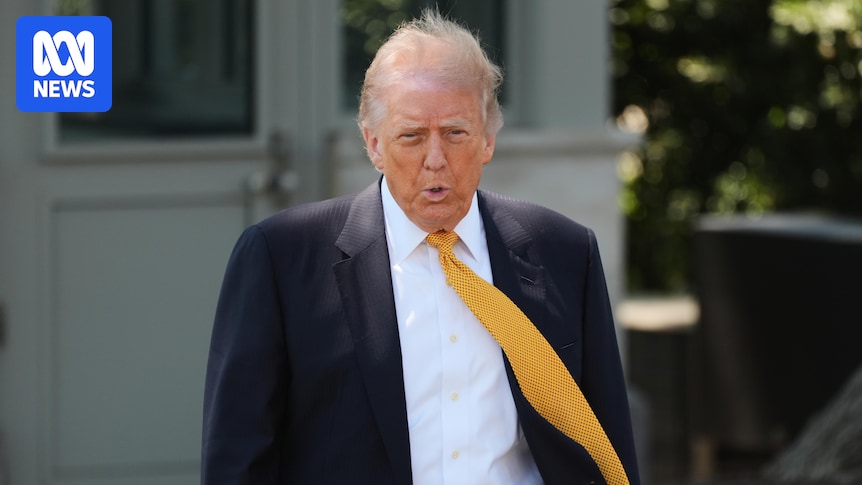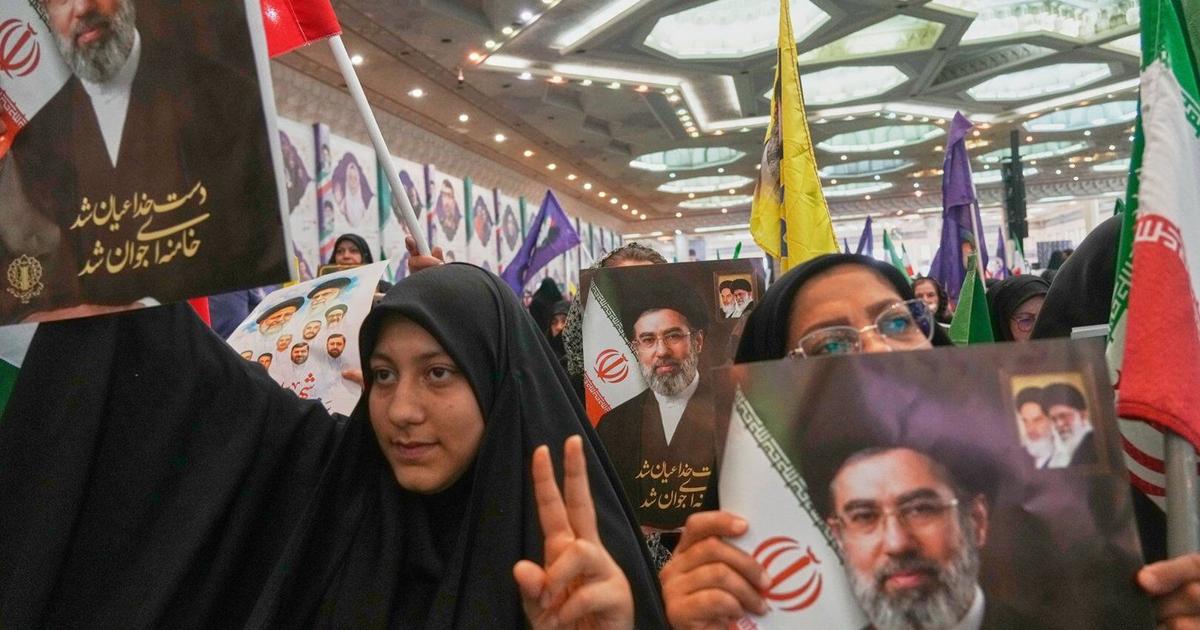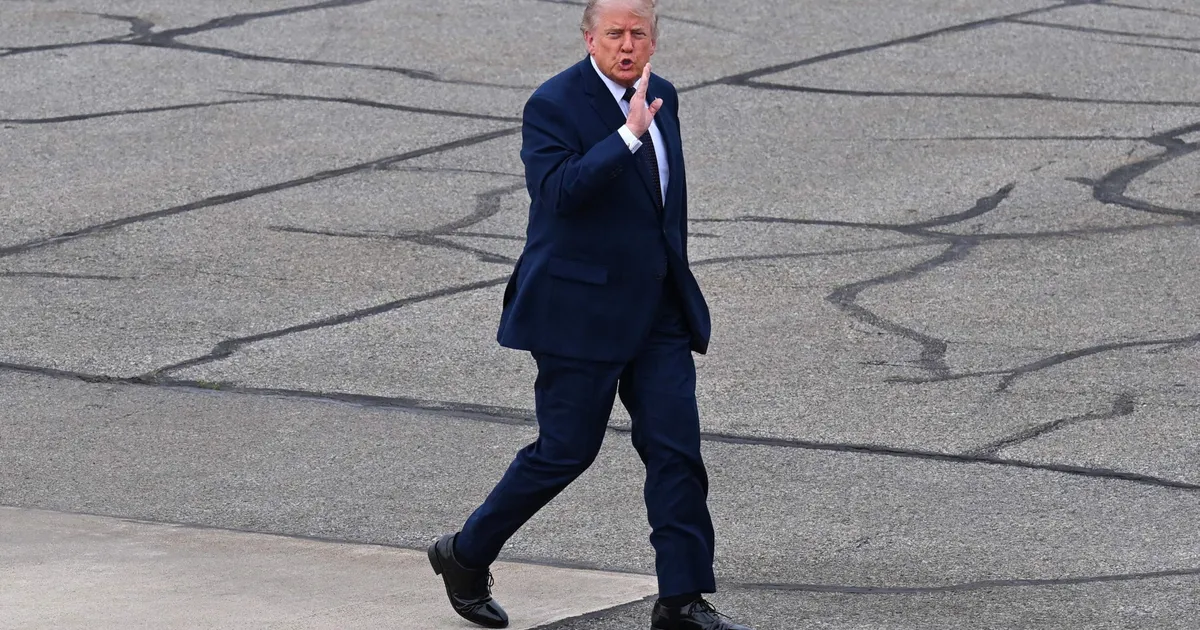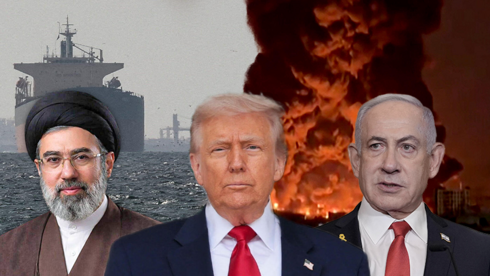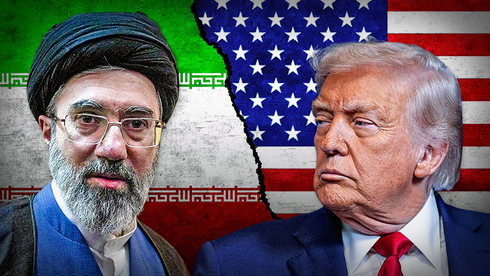
US officials say the deal could reopen Hormuz and launch 60 days of nuclear talks, but questions remain over uranium, sanctions relief, oil prices, Lebanon and Israel’s freedom to actynet|Senior US officials told several American media outlets that while a deal with Iran appears to be getting closer, it is not expected to be finalized Sunday, even as President Donald Trump said publicly that he had instructed his representatives not to rush into an agreement.Trump wrote on Truth Social that the negotiations were “proceeding in an orderly and constructive manner” and that he had told his representatives “not to rush into a deal,” saying “time is on our side.” He added that the US blockade would remain “in full force and effect” until an agreement is “reached, certified, and signed.”2 View gallery (Photo: Hamed Jafarnejad/ISNA/WANA (West Asia News Agency) via REUTERS, shutterstock, AP/Alex Brandon)The emerging framework has not been fully disclosed, but US and regional officials say it would include steps to reopen the Strait of Hormuz and eventually require Iran to relinquish its stockpile of highly enriched uranium.Key issues remain under negotiation, including how Iran’s enriched uranium would be removed, where it would be sent and how long Tehran would agree to freeze future enrichment.According to US officials, sanctions relief and the unfreezing of Iranian assets would take place only if Hormuz is reopened and Tehran meets its commitments to negotiate restrictions on its nuclear program. If those conditions are met, Iran would be able to sell oil more freely and inject money into its struggling economy.A US official told CNN that the amount Iran could receive as part of the deal was still under discussion. CBS reported that the Trump administration is mainly seeking a significant Iranian commitment to give up uranium enrichment, with enforcement mechanisms seen as more important than whether the commitment lasts 20 or 30 years.Trump has also tried to link the emerging Iran deal to a broader expansion of the Abraham Accords. So far, however, there has been no official comment from Israel or from any other country that might be expected to sign a normalization agreement.Sen. Lindsey Graham has said Trump is pushing Saudi Arabia, Qatar and Pakistan toward such a move, but it remains unclear whether those countries are prepared to take that step or how advanced any such effort may be.US officials say Mojtaba Khamenei has apparently agreed in principle to the framework, which includes the eventual removal of Iran’s enriched uranium stockpile from the country. They also say Iran now appears more willing to compromise than it was before the war began.The current arrangement is expected to last 60 days.US Secretary of State Marco Rubio said there had been “significant progress, although not final progress,” and that Washington was prepared to enter serious talks during that period if the Strait of Hormuz is opened.Rubio said the immediate priority is reopening Hormuz, followed by negotiations on uranium enrichment, Iran’s enriched uranium stockpile and a commitment that Tehran will not obtain a nuclear weapon. He also indicated that the process could not be completed instantly but should not drag on for years.Rubio also signaled that Trump would retain other options if negotiations fail during the 60-day period.If signed, the agreement may achieve only one of the war’s declared goals: dismantling Iran’s nuclear program. Even that outcome remains temporary and uncertain at this stage.Other objectives, such as toppling the regime or limiting Iran’s ballistic missile program, are not expected to be achieved under the current framework. Iran is also expected to gain access to billions of dollars, which could strengthen its economy and allow it to increase support for proxy groups loyal to Tehran.The emerging agreement has drawn criticism from within Israel’s security establishment.Security officials warned that it could amount to a return to a policy of buying quiet at the price of a long-term threat.One security official said the IDF believes recent military achievements against Iran and Hezbollah have created a rare strategic opportunity, and that Tehran must not be allowed to emerge from the crisis strengthened.Expectations are that oil and gas prices will not immediately return to prewar levels, even if the agreement is signed.Even if the Strait of Hormuz is reopened, it will take time to ease the bottleneck created during the crisis. Many energy facilities were also damaged during the war and will need repairs before production can fully resume.2 View gallery (Photo: REUTERS/Stringer/File Photo)The price of crude oil has not fallen below $94 a barrel since mid-March, while Brent crude futures closed Friday at just over $100 a barrel. Analysts at JPMorgan, who expect the strait to reopen by early June, estimate that oil will average $97 a barrel for the rest of the year.The longer the calm holds, and the more evidence there is that production is resuming, the more room there may be for oil prices to decline. But that still depends on several uncertain factors.As details of the possible deal emerged, Democrats expressed unease over Trump’s approach, while Republicans largely backed the president’s plan.Sen. Chris Van Hollen, a Democrat, said the reported terms appeared to resemble the prewar status quo with Iran and criticized the administration’s direction.Some Republican hawks have also warned that the emerging deal could empower Iran and fail to adequately address its nuclear program.Prime Minister Benjamin Netanyahu says the agreement will not restrict Israel’s ability to act against Hezbollah in Lebanon. In practice, however, the IDF already faces operational constraints and has largely avoided deep airstrikes inside Lebanon, except for one strike that killed a Radwan Force commander.Hezbollah terrorists, meanwhile, continue to launch explosive drones at Israeli forces, a threat for which no adequate solution has yet been found.Despite objections within the military, Israel appears set to continue along the diplomatic track, including public and direct talks with Lebanon. For now, however, those talks do not appear likely to produce a breakthrough on the central issue: Hezbollah’s significant armed presence in the country.
Explainer: what’s in the emerging Iran deal, and why Israel is worried
US officials say the deal could reopen Hormuz and launch 60 days of nuclear talks, but questions remain over uranium, sanctions relief, oil prices, Lebanon and Israel’s freedom to act
991 words~5 min read