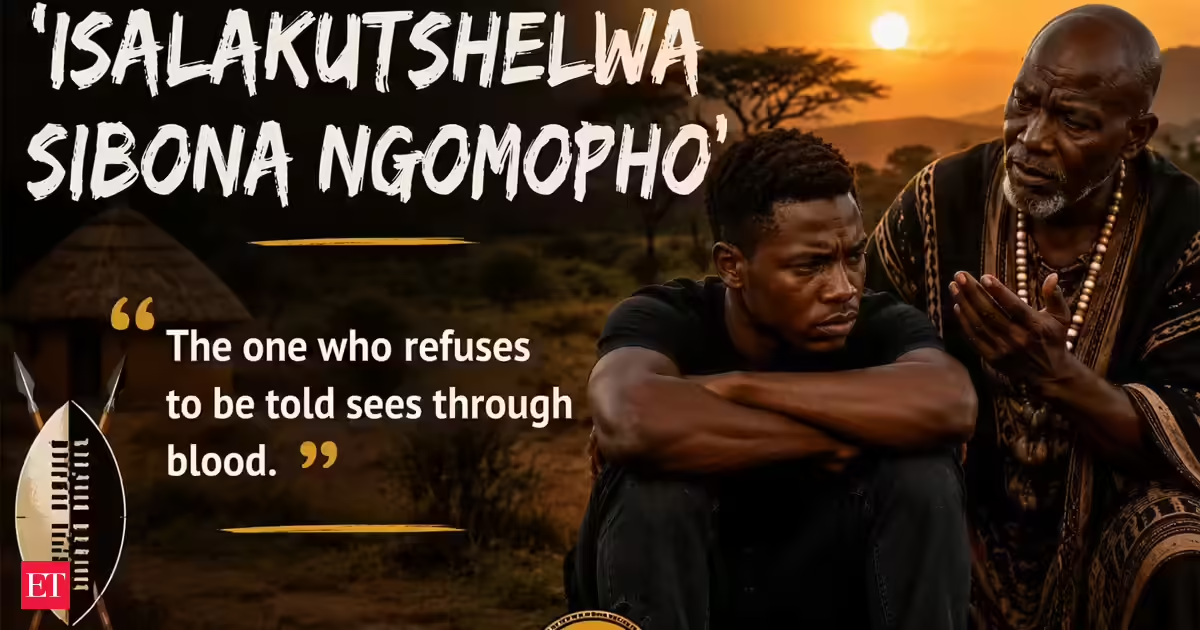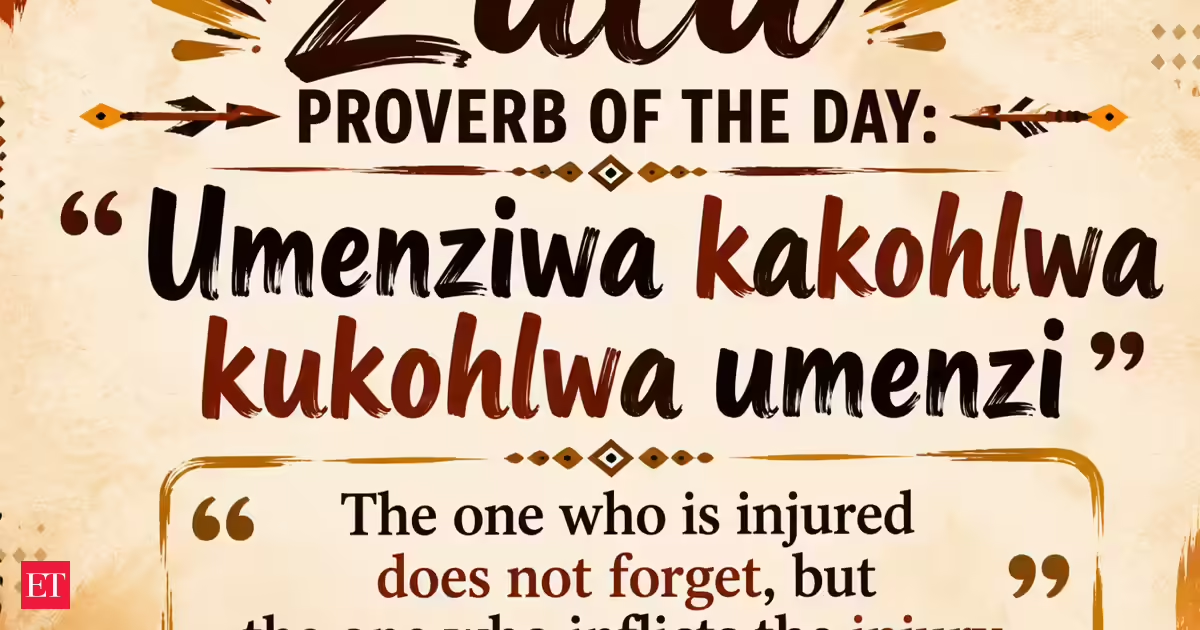
Many old proverbs continue to feel meaningful because they speak about human emotions that have not changed over time. One powerful Zulu proverb says, "Umenziwa kakohlwa kukohlwa umenzi," which translates to, "The one who is injured does not forget, but the one who inflicts the injury forgets." The proverb gives an important message about pain, memory, and human relationships. People often remember emotional wounds for years, while those who caused the pain may move on without realizing the lasting effect of their actions. The proverb reminds us that words and behaviors can leave marks that are not always visible but can stay with people long after the moment has passed.ZULU PROVERB OF THE DAY"Umenziwa kakohlwa kukohlwa umenzi" - "The one who is injured does not forget, but the one who inflicts the injury forgets."WHAT THIS ZULU PROVERB MEANSThe proverb highlights a common truth about human behavior. People who experience emotional pain, betrayal, rejection, or unfair treatment often remember those experiences for a long time. The person responsible for the hurt may not think much about it afterward because, to them, it may have been a small moment or an action that seemed unimportant. For example, a careless comment, harsh criticism, broken promise, or disrespectful action may stay in someone's memory for years. Meanwhile, the person who said or did it might forget the event completely.You Might Also Like:This difference happens because emotional pain often leaves a deeper impact on the person receiving it than on the person causing it. The proverb encourages people to think carefully before acting or speaking because actions can affect others in ways that may not be immediately obvious.WHY THIS ZULU PROVERB STILL MATTERSEven in today's world of social media, fast communication, and daily interactions, the proverb remains highly relevant. People communicate constantly through messages, comments, and online conversations, sometimes speaking without considering the impact of their words. A single hurtful comment or action can affect friendships, families, workplaces, and relationships. While the person responsible may quickly move on, the individual who was hurt may continue carrying that emotional burden.You Might Also Like:The proverb also teaches empathy. It reminds people to pause and think about how their actions may affect others. Kindness, respect, and understanding often have lasting effects, just as hurtful actions can. The lesson remains simple but powerful: people may forget what they said, but others may remember how they made them feel.
Zulu Proverb of the Day: 'Umenziwa kakohlwa kukohlwa umenzi' - 'The one who is injured does not forget, but the one who inflicts the injury...'
Zulu Proverb of the Day: A timeless Zulu proverb, "The one who is injured does not forget, but the one who inflicts the injury forgets," powerfully illustrates how emotional wounds linger for the recipient while the perpetrator often moves on. This ancient wisdom remains remarkably relevant today, urging us to consider the lasting impact of our words and actions.
399 words~2 min read