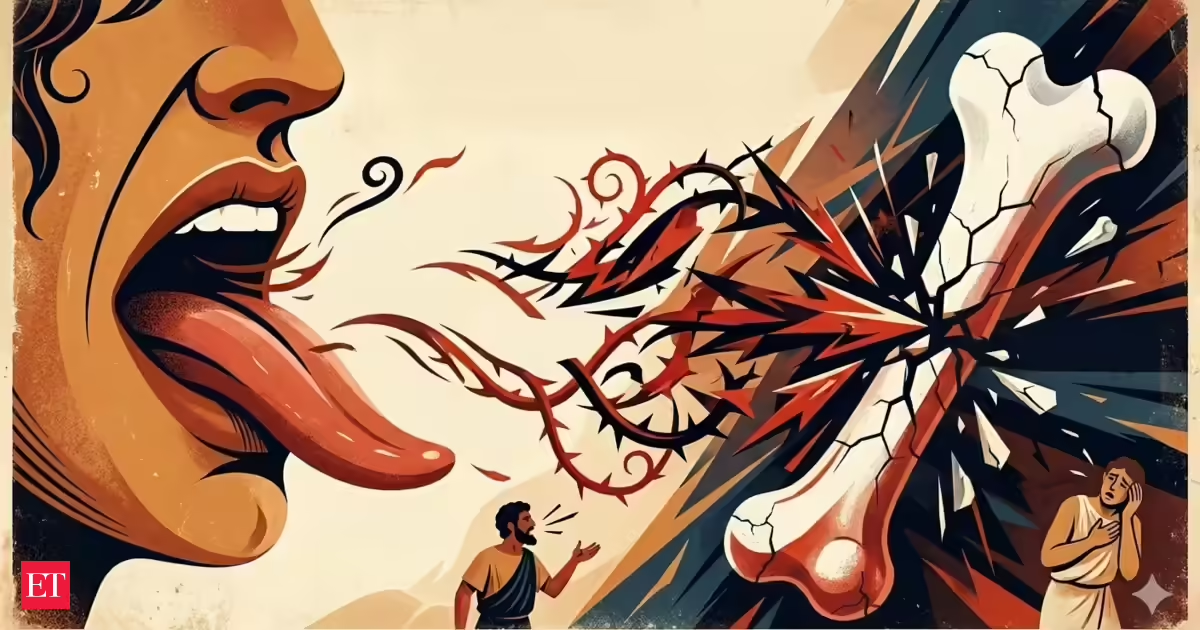
Indian proverbs have been passed down through generations as valuable lessons on life, relationships, human behaviour, and wisdom. Though often expressed in simple language, these sayings carry profound meanings that remain relevant even today. They teach people about kindness, patience, honesty, respect, and the consequences of their actions. Many proverbs draw from everyday experiences, making their messages easy to understand yet powerful enough to leave a lasting impact. Their timeless appeal offers guidance, helping people navigate life's challenges with awareness and understanding. Today's Indian proverb of the day highlights the power of words and why they should be used mindfully Deeper meaning of Indian proverb: Temporary nature of physical painToday’s Indian proverb of the day goes like this, ‘A wound from a sword heals, but a wound from words does not’. The first part of the proverb focuses on physical injury and the human ability to recover from it. A wound caused by a sword may be painful, severe, and life-altering in the moment, but with time, treatment, and care, the body gradually heals. The scars may remain, yet the pain often fades and life moves forward. On a deeper level, this part of the proverb highlights the resilience of human beings. People possess a remarkable capacity to endure hardships, recover from setbacks, and rebuild after difficult experiences. Physical suffering is often visible, making it easier for others to acknowledge and address.In the real world, people frequently overcome injuries, illnesses, and other physical challenges through determination and support. Athletes return after serious injuries, accident survivors rebuild their lives, and patients recover from health conditions that once seemed overwhelming. While physical pain can be intense, it is often measurable and treatable. The proverb uses the image of a sword wound to remind us that many forms of suffering are temporary and can heal over time. However, by introducing this idea first, it prepares the reader for a deeper comparison, suggesting that some wounds are far more difficult to overcome because they affect not the body, but the mind and heart.Modern relevance of Indian proverb: Lasting impact of emotional scarsThe second half of the proverb carries its most powerful message. Unlike physical wounds, emotional wounds caused by cruel, careless, or hurtful words can remain with a person for years. Words have the ability to shape self-esteem, influence relationships, and affect how people see themselves. A harsh comment spoken in anger may be forgotten by the speaker within minutes, but the person who hears it may carry its impact for a lifetime. This proverb reminds us that language possesses immense power, capable of both healing and harming.Its relevance is especially evident in today's world, where communication happens constantly through conversations, social media, text messages, and online platforms. Cyberbullying, public criticism, verbal abuse, and insensitive remarks can leave deep emotional scars that are not visible to others. Children who are repeatedly criticised may struggle with confidence as adults, while hurtful words in personal relationships can damage trust and emotional well-being. Unlike physical injuries, emotional pain often remains hidden, making it harder to recognise and heal. The proverb encourages empathy and mindful communication, urging people to think carefully before they speak. It serves as a timeless reminder that kindness costs little, yet it can prevent wounds that might otherwise last far longer than any physical injury.
Indian proverb of the day: ‘A wound from a sword heals, but a wound from words does not’ - How words can leave deeper scars than physical pain
Indian proverb of the day offers timeless wisdom. One such proverb states that sword wounds heal, but word wounds do not. Physical injuries mend over time. Emotional scars from cruel words can persist for years. This ancient lesson remains relevant today. Mindful communication prevents lasting harm. Kindness costs little but prevents deep pain.
551 words~3 min read