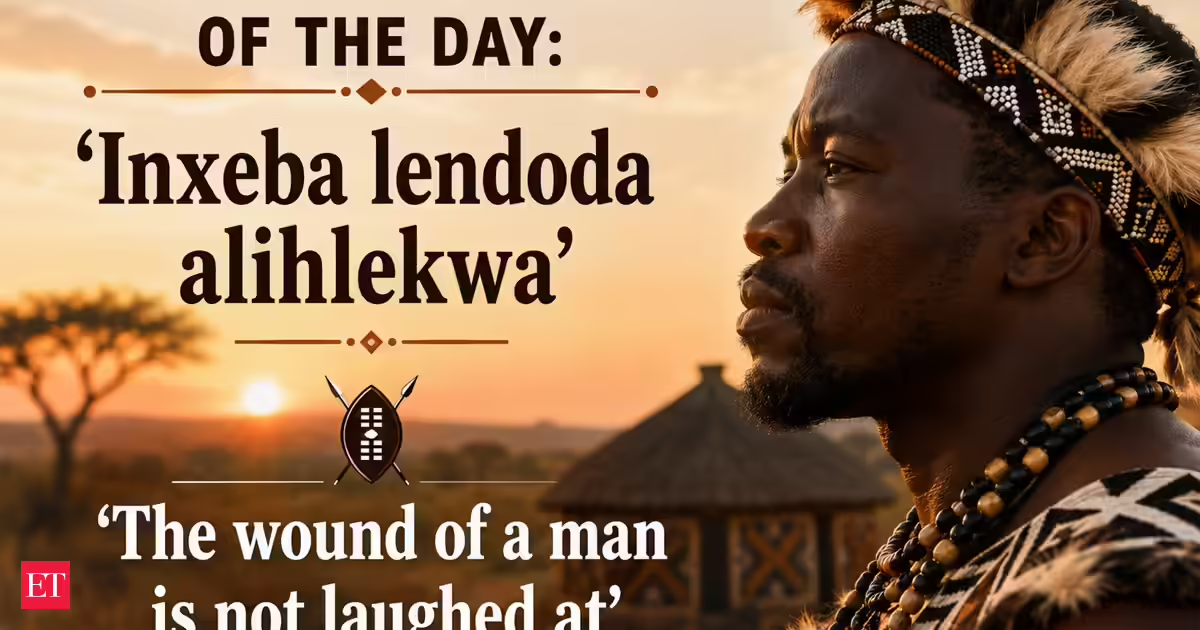
Proverbs often carry wisdom that can stay meaningful for generations, and the Zulu saying, "Inxeba lendoda alihlekwa" is one of those powerful examples. Translated into English as "The wound of a man is not laughed at," the proverb delivers a message about empathy, dignity, and respect. The proverb carries a deeper lesson about how people should treat others during difficult moments. Physical wounds may heal with time, but emotional pain, personal struggles, and hidden battles can leave lasting effects. The proverb reminds us that suffering should never become a reason for mockery or judgment.ZULU PROVERB OF THE DAY"Inxeba lendoda alihlekwa" - "The wound of a man is not laughed at"WHAT THIS ZULU PROVERB MEANSAt its core, the proverb teaches people not to laugh at or dismiss another person's pain. The 'wound' in the saying can represent more than a physical injury. It may also refer to emotional hurt, failure, disappointment, loss, or personal hardship. The message suggests that every person experiences pain differently, and struggles that may seem small to one person can feel overwhelming to someone else. The phrase also touches on the idea of human dignity. People often hide pain behind smiles or silence. In many cultures, especially for men, there can be pressure to appear strong and avoid showing vulnerability. Because of this, many individuals suffer quietly. The proverb encourages compassion instead of criticism and understanding instead of judgment. Rather than making fun of another person's weakness, mistakes, or hardships, the saying teaches us to respond with kindness. It reminds us that everyone carries unseen burdens and deserves respect.WHY THIS ZULU PROVERB STILL MATTERSEven though this proverb comes from traditional Zulu wisdom, its message feels highly relevant today. Social media and online platforms have made it easier for people to quickly judge, criticize, or mock others. Public mistakes and personal struggles often become entertainment for strangers. This proverb serves as an important reminder that behind every post, headline, or public moment is a real human being with emotions and experiences. Mental health conversations have also become more common, showing how emotional wounds can affect people's lives in serious ways. The lesson remains timeless: people should not find humor in another person's pain. Showing empathy and respect creates stronger relationships and healthier communities. Sometimes understanding someone's struggle can have a greater impact than laughter ever will.
Zulu Proverb of the Day: 'Inxeba lendoda alihlekwa' - 'The wound of a man is not laughed at'
Zulu Proverb of the Day: A powerful Zulu proverb, "The wound of a man is not laughed at," underscores the importance of empathy and respect for others' struggles. It teaches that pain, whether physical or emotional, should never be a source of mockery. In an era of online judgment, this timeless wisdom urges compassion, reminding us that everyone carries unseen burdens and deserves kindness, fostering stronger communities and relationships.
388 words~2 min read