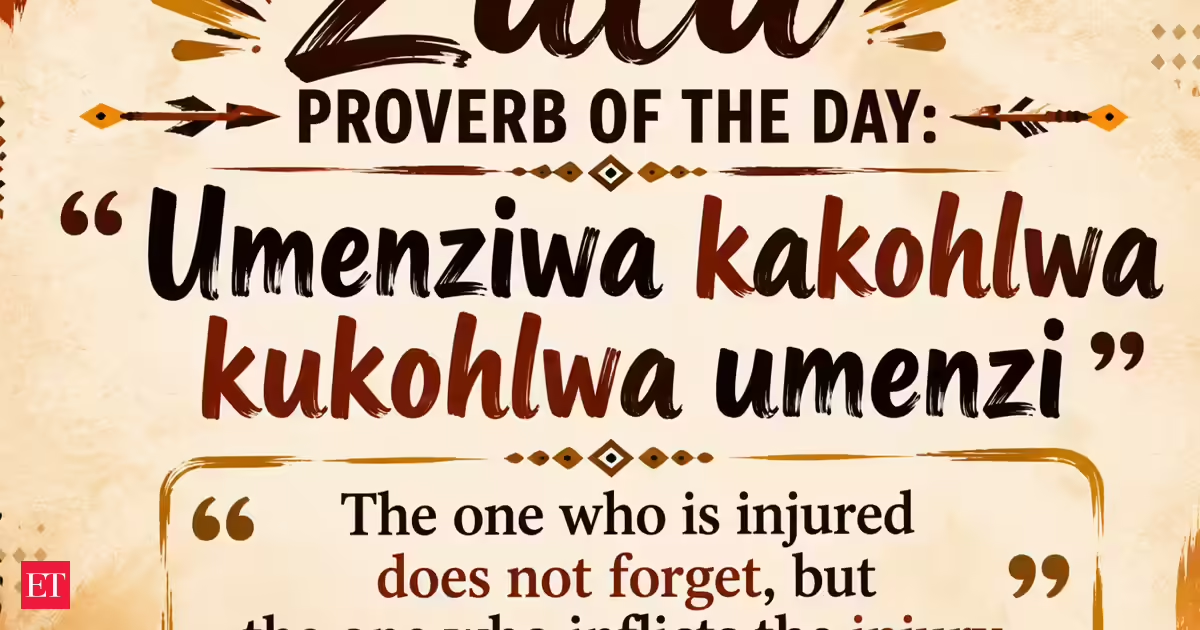
Best proverb of the day focuses on the saying, "A wound inflicted by a friend does not heal." The proverb reminds people that emotional pain caused by someone they trust often leaves a deeper impact than harm caused by strangers. It speaks about friendship, trust, betrayal, emotional attachment, healing, and personal growth. Although the saying suggests that these wounds never disappear, many people believe recovery is possible through acceptance, healthy boundaries, forgiveness, and learning from experience. The proverb continues to be discussed because relationships remain an important part of everyday life across cultures and generations.The proverb is, "A wound inflicted by a friend does not heal." Meaning and origin of the proverbThe proverb "A wound inflicted by a friend does not heal" is commonly classified as an African proverb. It is frequently linked to the oral traditions of the Afar people and communities in Djibouti. It explains that emotional pain caused by someone trusted often lasts much longer than pain caused by an enemy or stranger.The saying is also connected with an ancient Pashto tradition in Afghanistan, where it has long been used to express the emotional damage caused by betrayal within close relationships. Because of these different cultural traditions, the proverb has been shared and adapted across many regions over time. Its central message remains the same. Betrayal from someone you trust creates emotional wounds because it breaks confidence, security, and emotional attachment.You Might Also Like:Similar teachings found in other culturesThe idea behind this proverb is not limited to one culture. Similar expressions appear in many parts of the world. An Arabic proverb shares a comparable thought by stating that the wound caused by a friend is deeper than the wound caused by an enemy. This reflects the belief that trusted relationships carry emotional responsibility.The Bible also discusses friendship and wounds, but with a different meaning. Proverbs 27:6 says, "Faithful are the wounds of a friend, but the kisses of an enemy are deceitful."This biblical teaching is different from the African proverb. It explains that honest advice or correction from a loyal friend may hurt temporarily but is ultimately given for a person's benefit. The African proverb, however, warns about the lasting pain created by betrayal from someone close.You Might Also Like:Best Proverb of the Day and what it teaches about betrayalThe proverb explains why betrayal hurts so much. Friends are people with whom we share personal thoughts, memories, struggles, and hopes. We expect them to protect our trust instead of breaking it.When that trust is violated, the emotional impact becomes much greater than a disagreement with someone we never trusted. Many people remember emotional betrayal for years because it changes the way they view future relationships. While the emotional pain may reduce over time, the experience often leaves an important lesson about choosing relationships carefully.Why betrayal from a friend hurts more?Psychologists and relationship experts often explain that betrayal affects people because it damages emotional safety. Several reasons explain this experience.Violated trustPeople willingly become emotionally open with friends. When that trust is broken, the same openness becomes a source of pain.You Might Also Like:Cognitive conflictIt becomes difficult to understand how someone who once cared could suddenly become the source of emotional hurt. This creates confusion and emotional conflict.Loss of emotional safetyFriendship often provides comfort and support. Betrayal removes that feeling of safety and can make people cautious in future relationships.Important life lessons from the proverbThis proverb offers several lessons that remain useful in everyday life.Trust takes time to buildTrust grows slowly through honesty and consistency. Once broken, rebuilding it requires effort from both people.Expectations influence emotional painFriends are expected to provide support and understanding. When those expectations are broken, the disappointment becomes greater.There is a difference between hurt and helpful honestyNot every painful conversation is betrayal. Sometimes a genuine friend gives honest advice that may feel uncomfortable but is intended to help someone improve. This is different from betrayal, which is based on dishonesty or broken trust.Every difficult experience teaches somethingAlthough betrayal causes pain, it can also help people understand relationships, identify healthy boundaries, and make better decisions in the future.Can emotional wounds heal?The proverb suggests that wounds caused by friends never heal. However, many people believe emotional healing is possible. Healing usually does not happen immediately. It often requires time, patience, reflection, and support from trusted family members or friends.Instead of forgetting what happened, many people learn to accept the experience and move forward without allowing it to control their future relationships. The emotional scar may remain as a memory, but the pain can become smaller with time.Steps that can support healingPeople recovering from betrayal often benefit from practical emotional steps.Accept your feelingsIgnoring emotional pain usually makes recovery take longer. Accepting sadness, disappointment, or anger allows healing to begin.Separate your value from another person's actionsA friend's betrayal reflects their decisions, not your worth as a person.Create healthy boundariesIf trust cannot be repaired, creating emotional distance may protect future well-being.Forgiveness can helpForgiveness does not always mean restoring the friendship. It may simply mean letting go of ongoing anger so emotional recovery becomes possible.Learn from the experienceEvery relationship teaches valuable lessons about trust, communication, and respect.Why this proverb remains relevant today?Modern communication has made friendships easier to build but also easier to damage. Social media, online conversations, misunderstandings, and broken promises continue to affect personal relationships.People still experience disappointment when trust is broken by someone close. Because of this, the proverb continues to speak to readers across different cultures and generations.Its message reminds people to value honesty, protect trust, communicate openly, and choose relationships carefully. Rather than encouraging fear, the proverb encourages awareness about the importance of building friendships based on respect and sincerity.Inspiring African proverbs you should knowMany African proverbs continue to offer guidance about life and relationships."Wisdom is like a baobab tree; no one person can embrace it.""Rain does not fall on one roof alone.""When there is no enemy within, the enemies outside cannot hurt you.""Knowledge is like a garden. If it is not cultivated, it cannot be harvested.""A wound inflicted by a friend does not heal."These sayings continue to teach lessons about wisdom, community, responsibility, trust, and personal growth.You Might Also Like:
Best proverb of the day: 'A wound inflicted by a friend...' Life lessons from African proverb on emotional attachments, trauma, betrayal and trust
Best proverb of the day highlights the saying, "A wound inflicted by a friend does not heal." This proverb explains how betrayal by someone close creates emotional pain that lasts longer than harm caused by strangers. It explores the meaning of trust, friendship, trauma, emotional healing, personal growth, boundaries, forgiveness, and why this message continues to remain relevant across cultures and generations.
1,025 words~5 min read