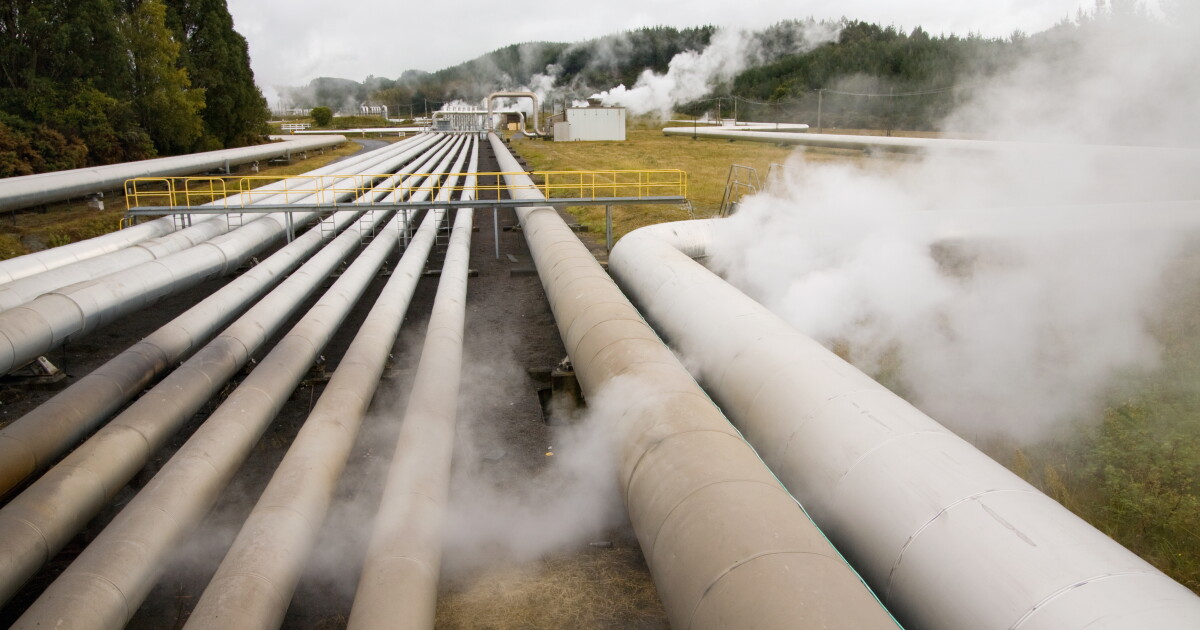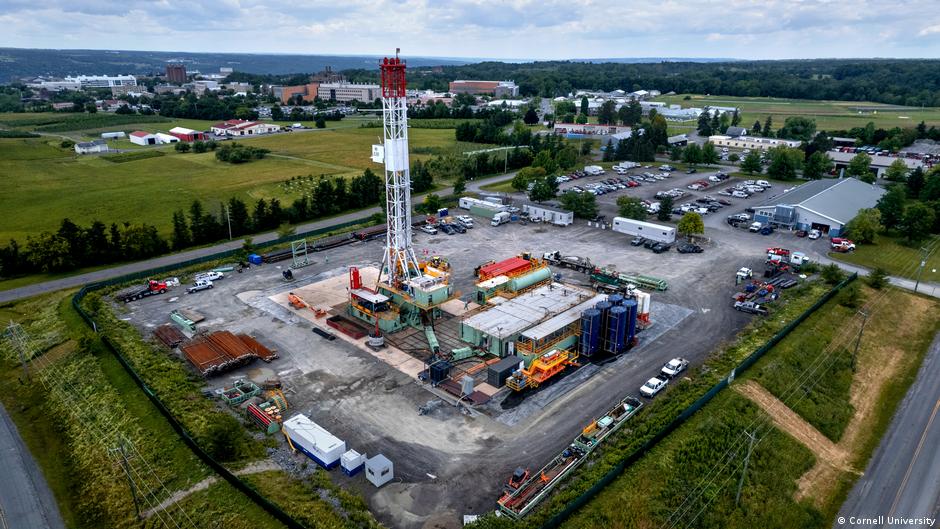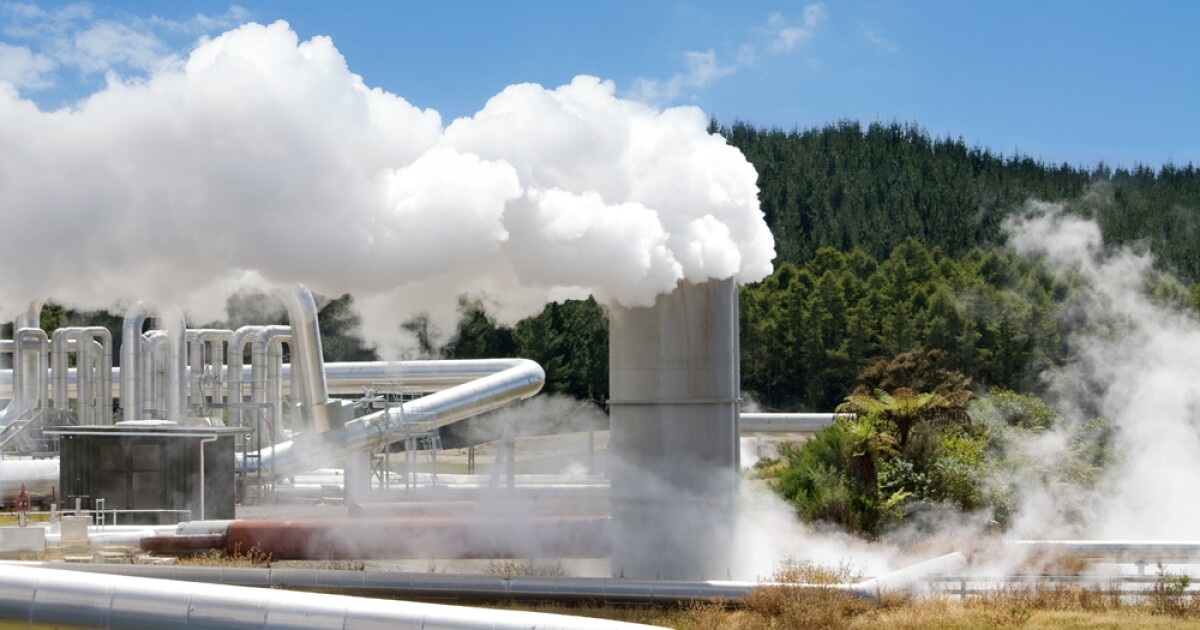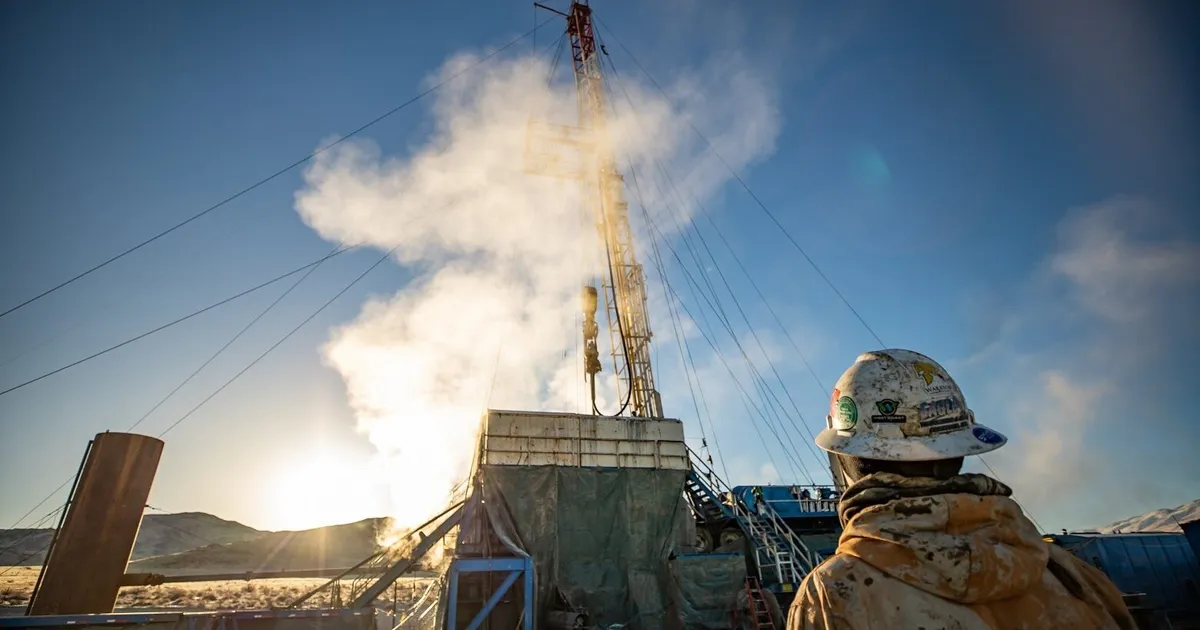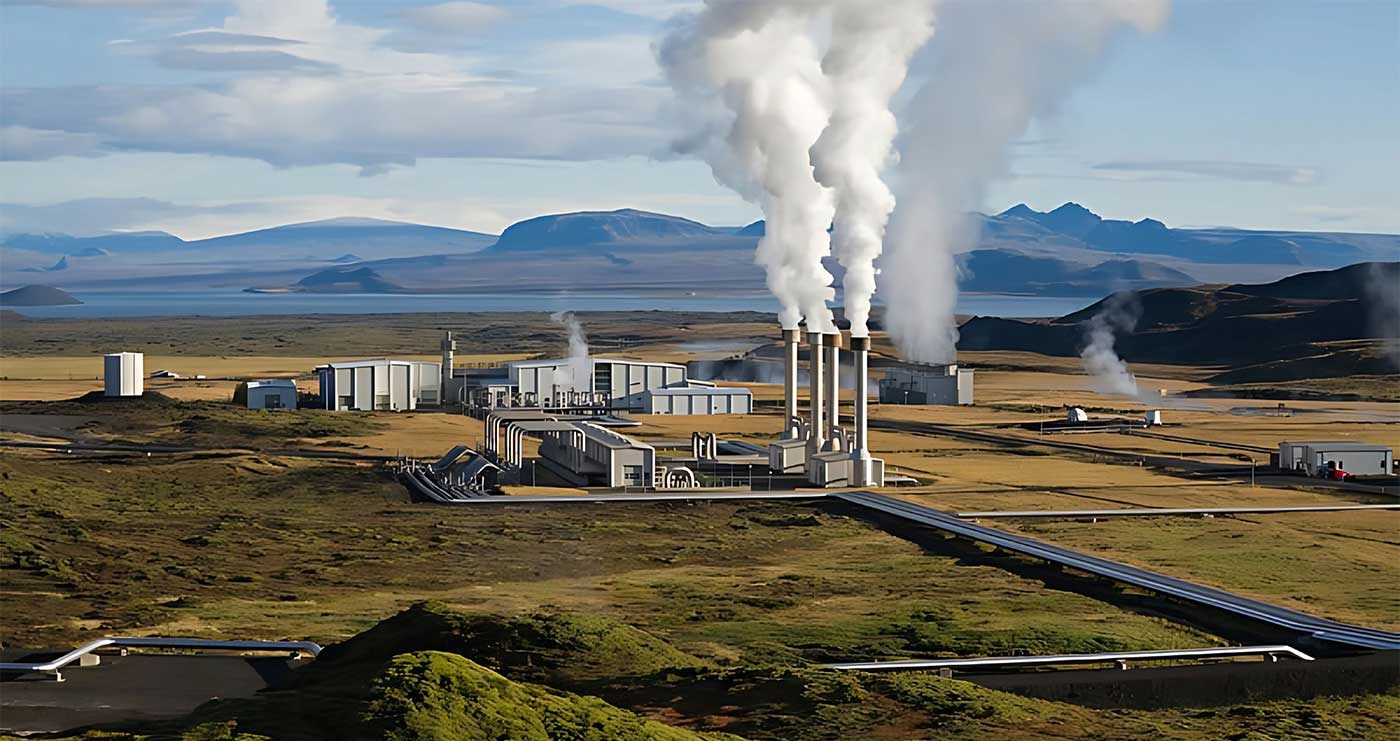
“It’s going to be the decade of geothermal,” Cindy Taff, chief executive of geothermal company Sage Geosystems, told The Hill in February of 2025. Over a year later, it is becoming increasingly evident that Taff is definitely onto something. Although geothermal energy is still a tiny sector and faces some significant headwinds when it comes to its up-front installation and development costs, it has numerous competitive edges over other, more common energy sources. It’s clean, it’s constant, it’s politically popular, it’s finally feasible in nearly any geological context, and it’s probably coming very soon to a grid near you. Until recently, geothermal energy, which captures the heat that naturally emanates from the Earth's core and converts it into electricity, was only applicable in geologically anomalous places where that heat escapes to the surface of the Earth naturally, such as through geysers. For this reason, geothermal still accounts for just a tiny fraction of the global energy mix. But if you dig deep enough, the heat from the Earth's core can be accessed from nearly anywhere in the world. As such, recent breakthroughs in drilling technologies and methods could make geothermal energy a practical approach with enormously disruptive consequences for global energy markets.‘Enhanced’ geothermal energy – that which uses enhanced drilling technologies – is increasingly capturing the attention of the public and private sectors alike. As energy demand projections skyrocket, driven by the AI boom and data center hyperscalers, an all-of-the-above approach to energy security has become paramount. Geothermal energy could be a critical part of an increasingly diversified energy landscape, as it can produce energy around the clock all while producing no greenhouse gas emissions. Somewhat ironically, the technological breakthroughs that make this veritable holy grail of clean energy possible are largely borrowed from the oil and gas industry. The hydraulic fracturing industry has made leaps and bounds when it comes to advancing and refining drilling technologies, and a workforce with a fracking background has therefore been instrumental in making geothermal more feasible and cost-effective.For example, Mike Matson, the CEO and cofounder of a startup called Birch Geothermal, is applying his background in drilling and reservoir management in the oil and gas industry and applying that expertise directly to geothermal energy innovation. “Birch plans to make use of sensors and autonomous systems to better control how water moves through geothermal wells, ensuring that heat remains steady for reliable electricity generation,” Forbes recently wrote in a profile of Birch Geothermal. “The team is also focused on optimizing reservoir design using techniques originally developed for the oil and gas industry.”This marriage of clean energy outlooks with fossil fuel expertise gives the United States a major opportunity to become a world leader in enhanced geothermal. “The U.S. has a number of different superpowers and putting holes in the ground and taking things out of those holes is one of them — and doing so more economically and more efficiently than basically any other place on Earth,” Drew Nelson, vice president of Project InnerSpace, was quoted by Cipher News.Plus, the nascent clean energy sector is one of very few to enjoy broad bipartisan support in the United States, and Trump has made enhanced geothermal research and development a noted priority of his administration’s energy strategy. Buoyed by investments from the federal government as well as from Silicon Valley, the United States is poised to become a major frontrunner in the global geothermal energy sector. Projections from the United States Department of Energy state that enhanced geothermal projects could provide about 90 gigawatts of carbon-free energy in the U.S. by 2050, or approximately enough to power a minimum of 65 million homes. By Haley Zaremba for Oilprice.comMore Top Reads From Oilprice.comADNOC Brings BP, TotalEnergies Into Abu Dhabi’s Biggest Gas Cap ProjectChina to Increase Fuel Export Allowances for JulyADNOC Cuts Murban Crude Price to $101.48 as Hormuz Tensions Ease
Geothermal Could Power 65 Million U.S. Homes by 2050, DOE Says | OilPrice.com
Enhanced geothermal is gaining momentum in the US, powered by oil and gas drilling expertise and rare bipartisan political backing.
643 words~3 min read