He noted that, in some markets, developers and utilities are striking long-term agreements for “firm,” or on-demand, power that are two to three times higher than they were in 2021, incentivizing more geothermal companies to pursue new projects.
The recent momentum is also thanks to the geothermal drilling advances that have emerged in the years since Ormat launched its first Desert Peak pilot.
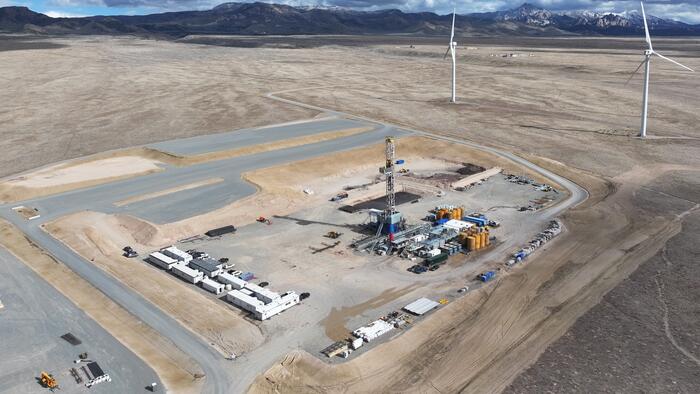
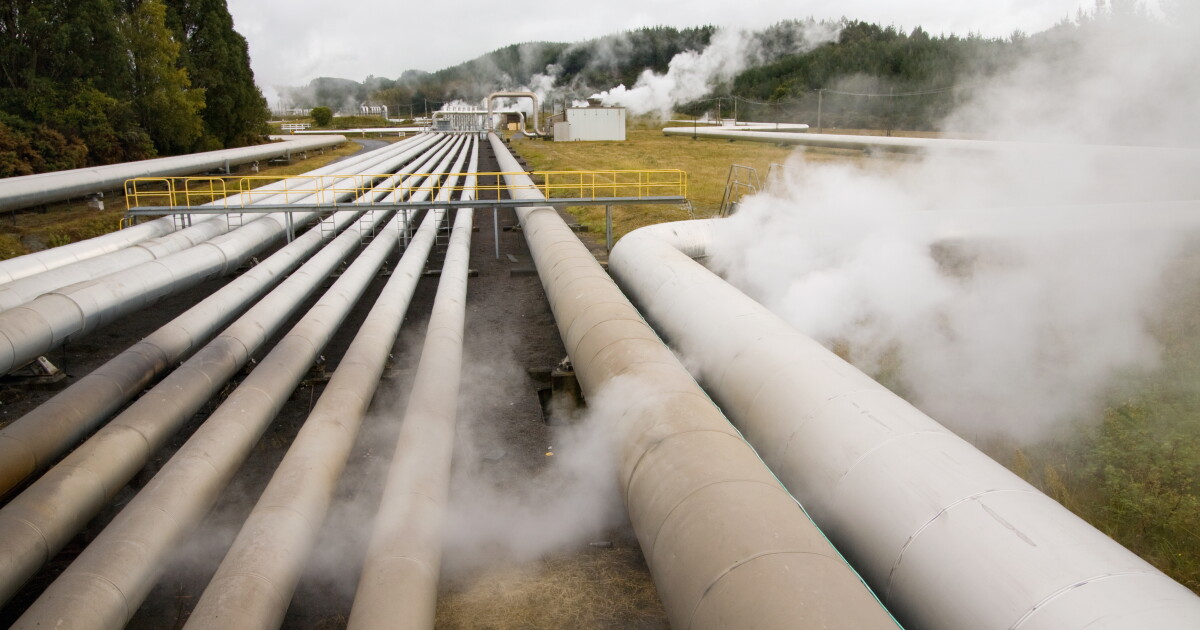
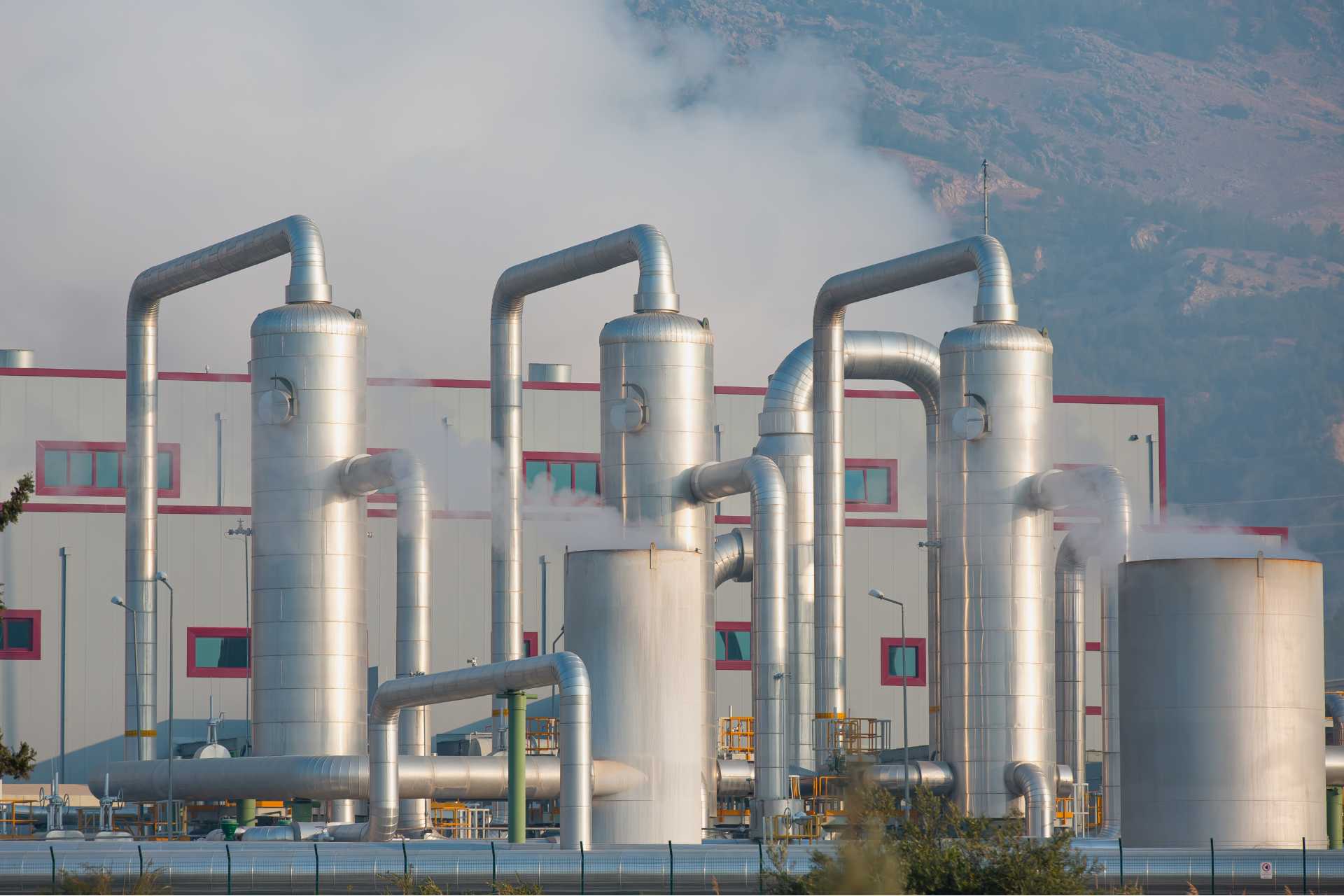
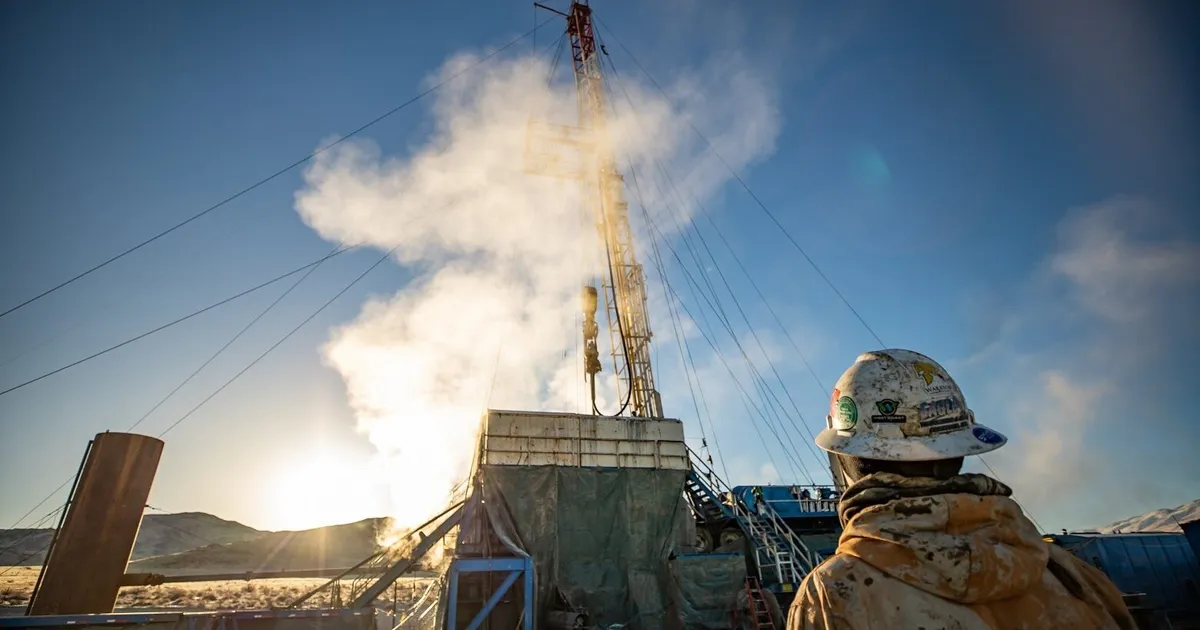
Fervo Energy, for example, uses horizontal drilling techniques and fiber-optic sensing tools from the oil and gas industry to fracture hard, impermeable rocks and create artificial reservoirs. In 2023, the Houston-based startup turned on a first-of-a-kind enhanced geothermal system in Nevada. The 3.5-MW project sends electricity to the grid to help satisfy some of Google’s power appetite in the state.
Simultaneously, Fervo has been developing its 500-MW Cape Station project in Utah, which is set to become the world’s largest enhanced geothermal system when fully completed, potentially by 2028. While developing the project, the company said it reduced drilling times by about 75% and slashed per-foot drilling costs by about 70% between 2022 and 2025, marking a significant achievement for the nascent industry.