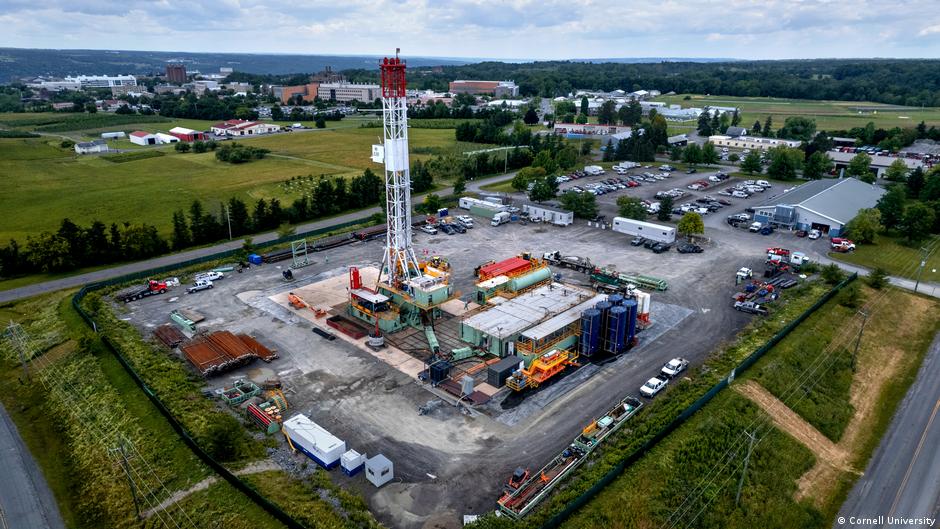
At Cornell University in upstate New York, researchers are testing how a deep geothermal system can work far from the tectonic boundaries and volcanoes that have long defined where the energy is viable.
By tapping into the planet's internal warmth, the project, known as Earth Source Heat, could supply the 2,300-acre (931-hectare) campus in Ithaca with fossil fuel-free heat to help the university become carbon neutral by 2035.
"We are developing the tools to do geothermal where the people are, not making people go out to where the rocks are hot," said Wayne Bezner Kerr, project program manager.
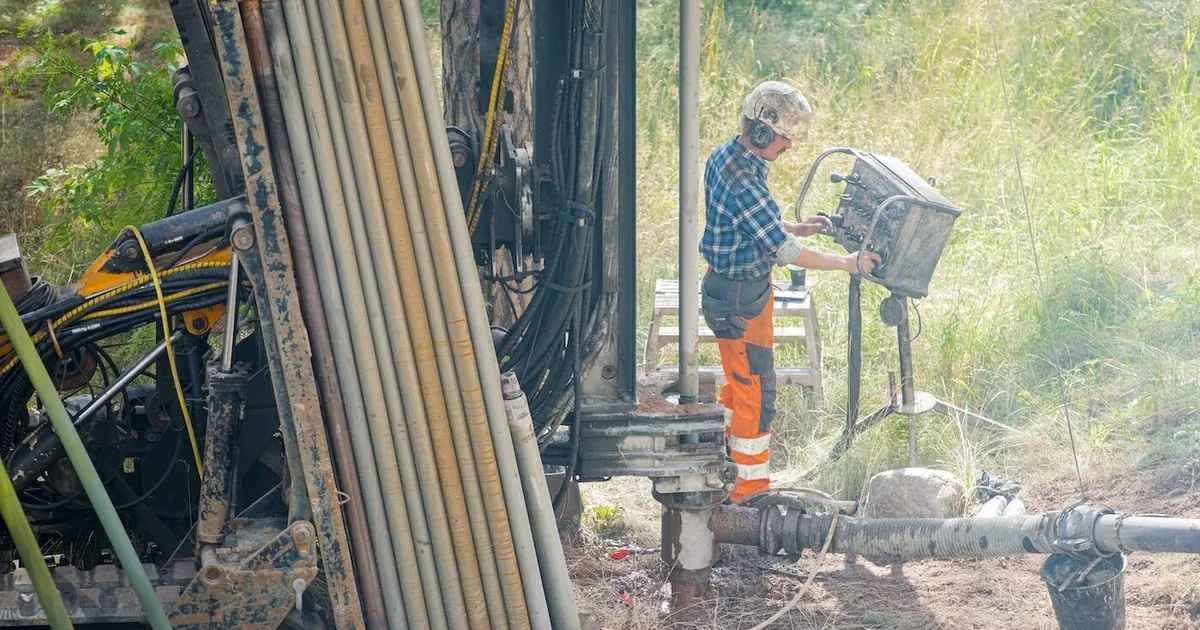
If it succeeds, it could serve as a blueprint for scaling geothermal heating across New York and the cold, densely populated northeastern United States. That would be a departure because conventional geothermal systems depend on naturally occurring underground reservoirs of hot water, largely limiting development to the west of the country.A researcher takes samples of rock chips from Cornell's drill site for geological evaluationImage: Jason Koski/Cornell University
What makes the Cornell project different is that it's an enhanced geothermal system (EGS). It works by drilling deep into hot, hard rock, fracturing it and circulating water through the cracks to capture heat for energy.