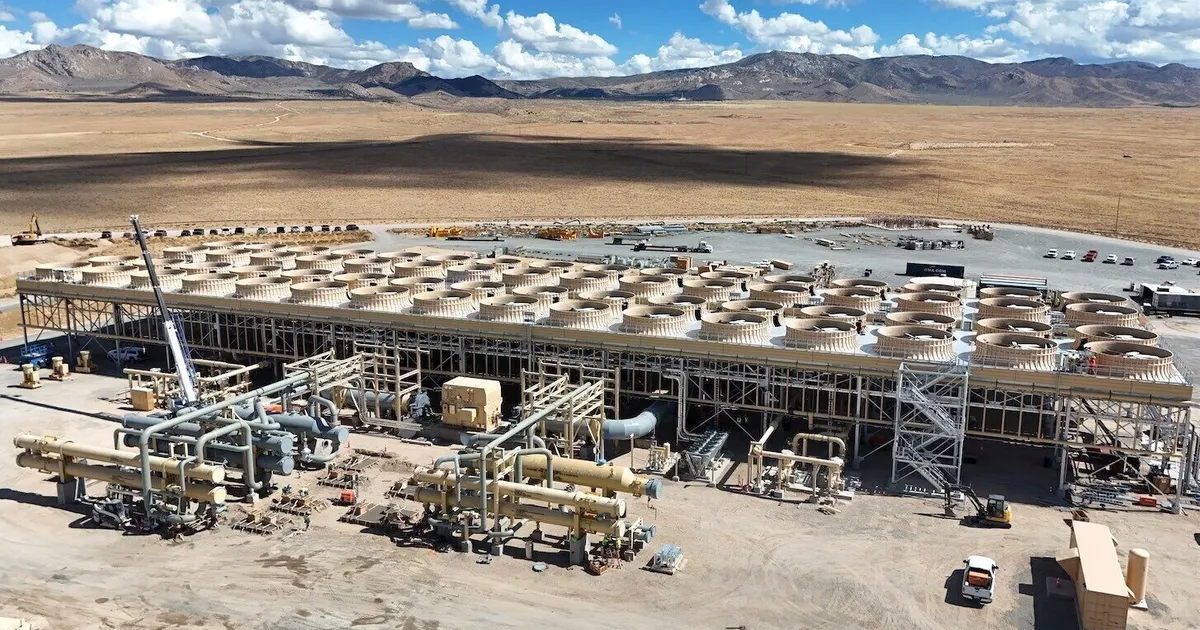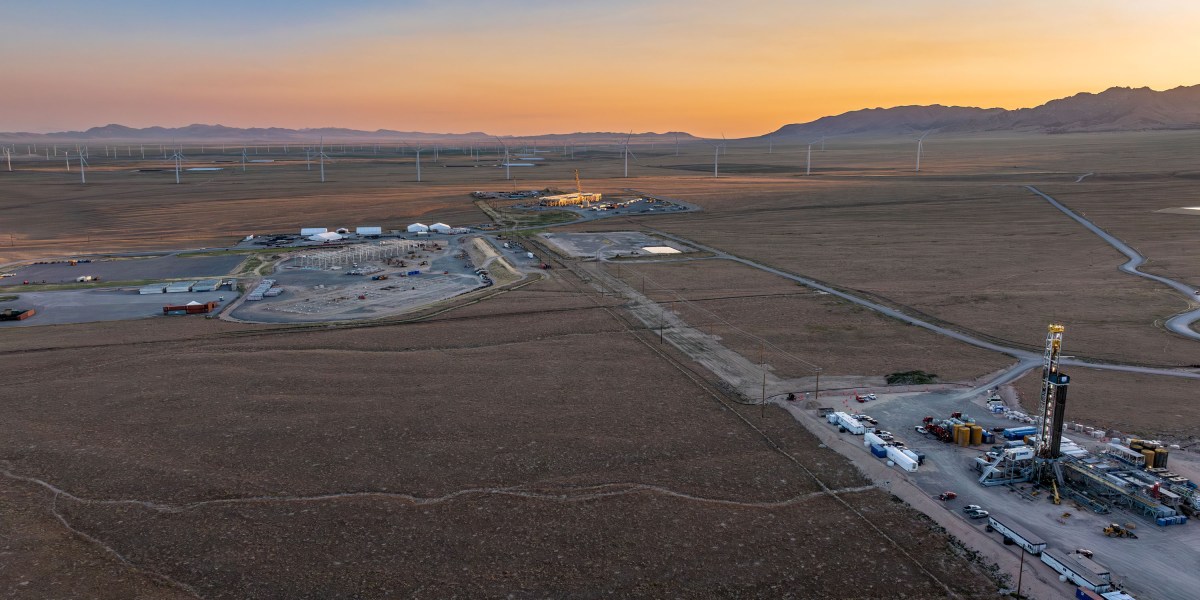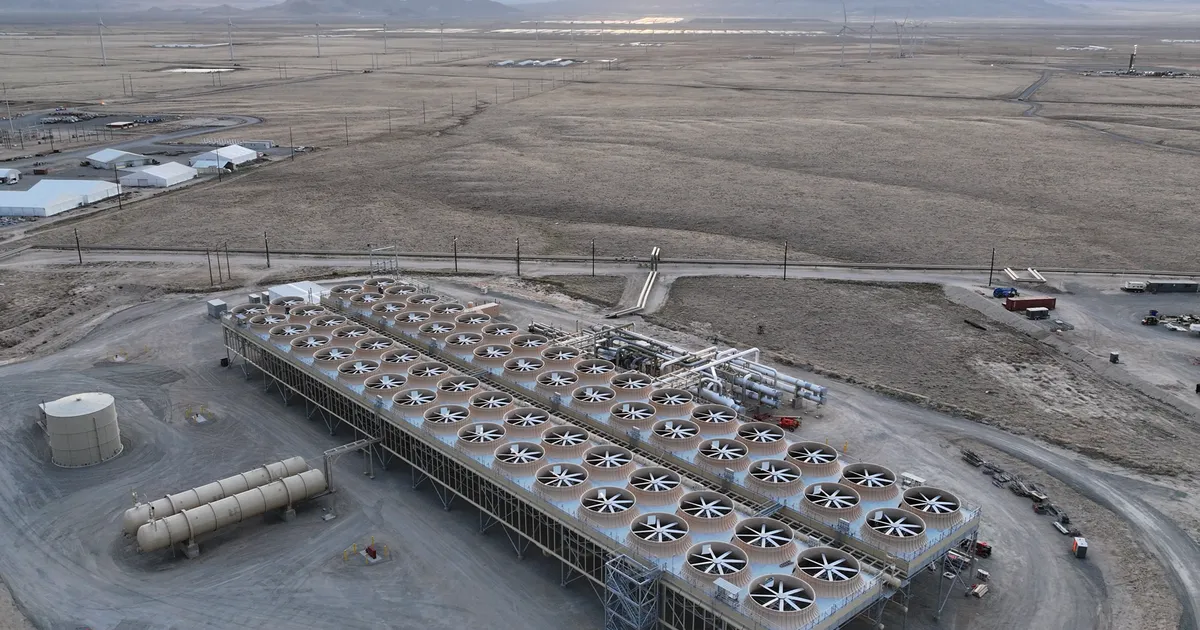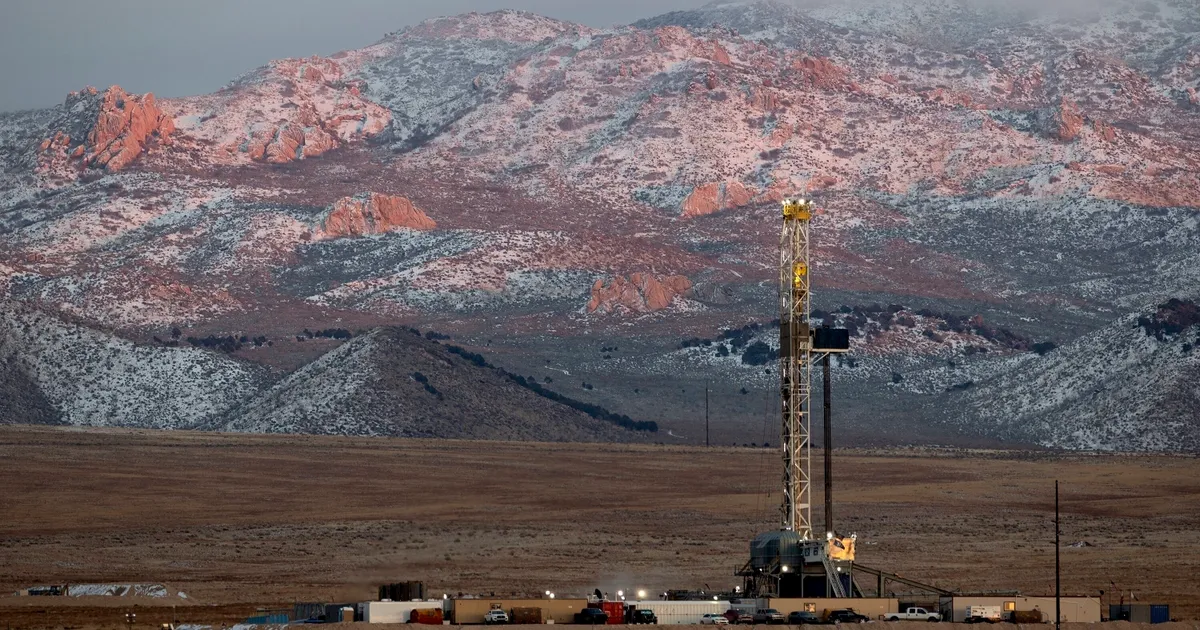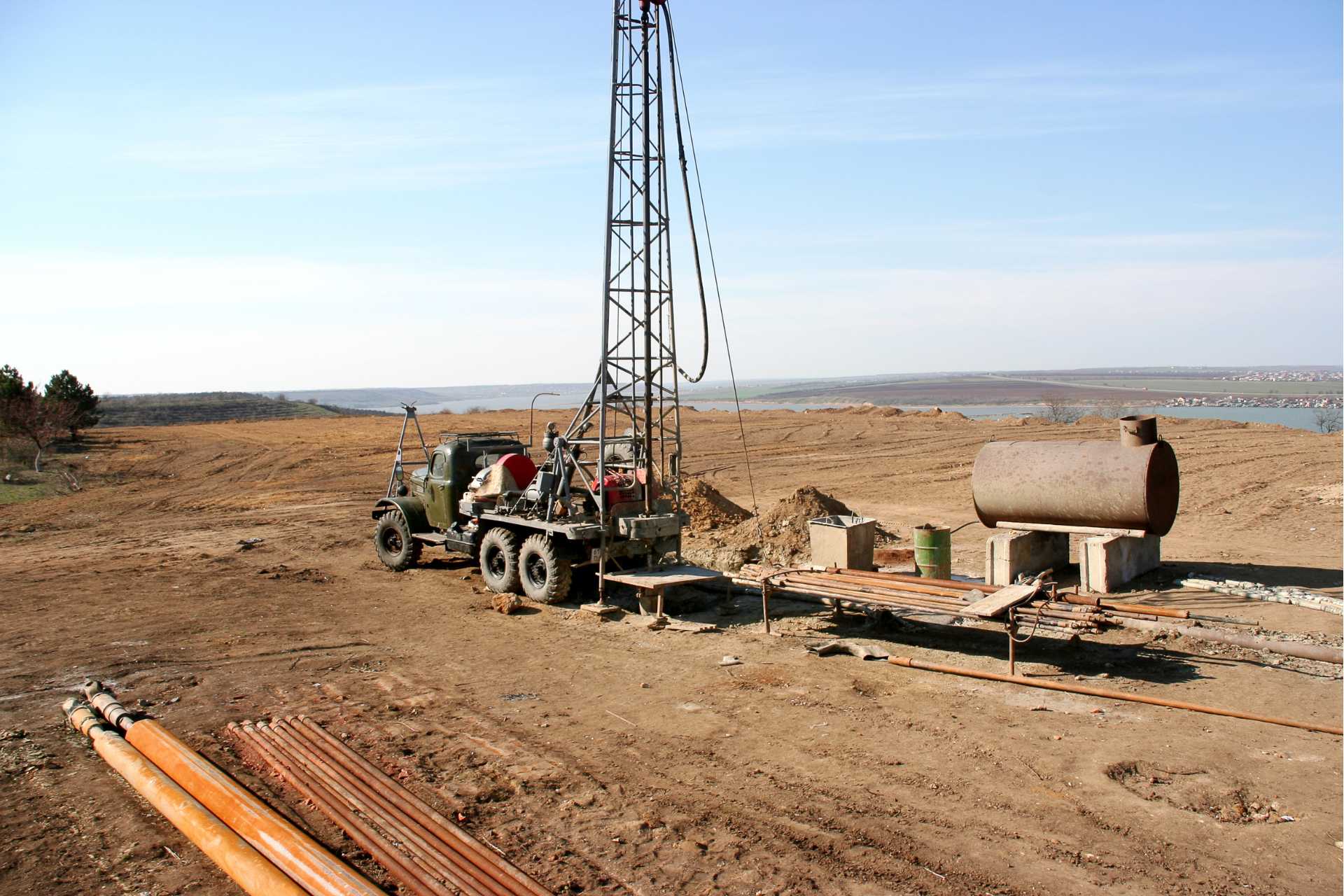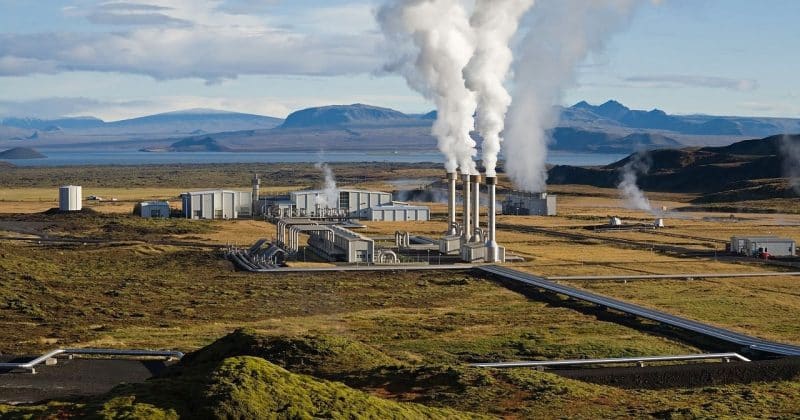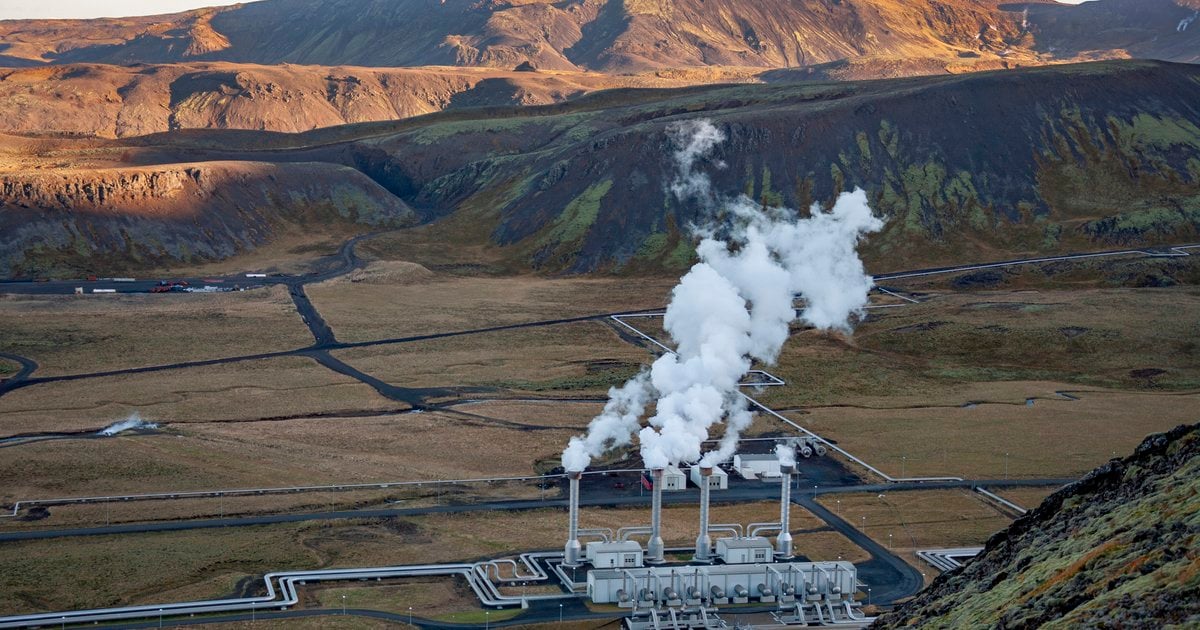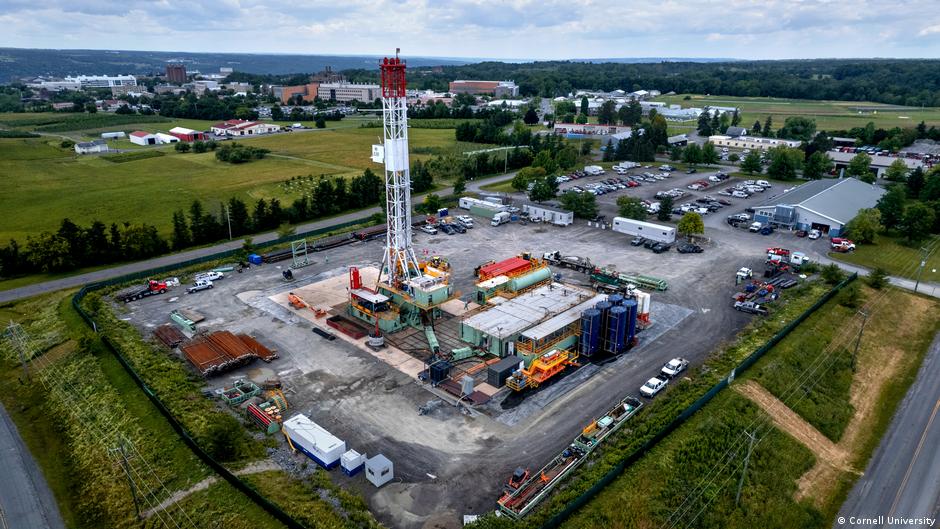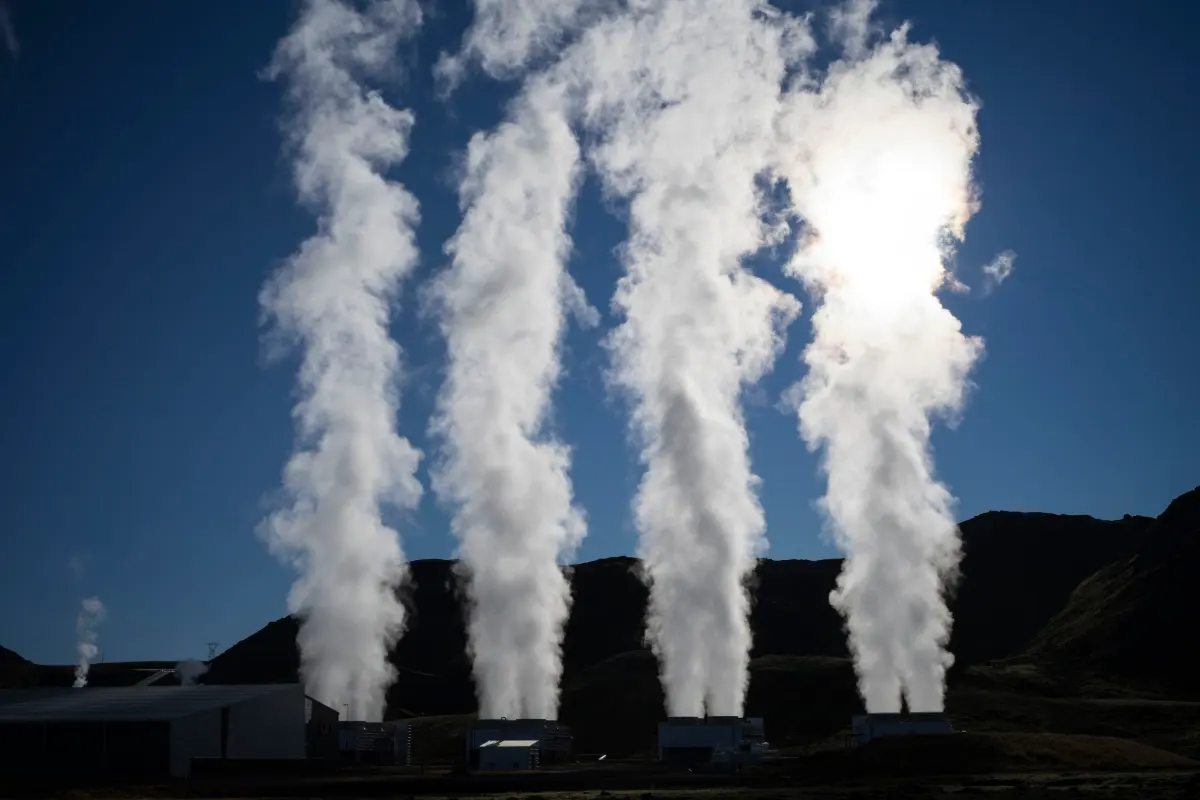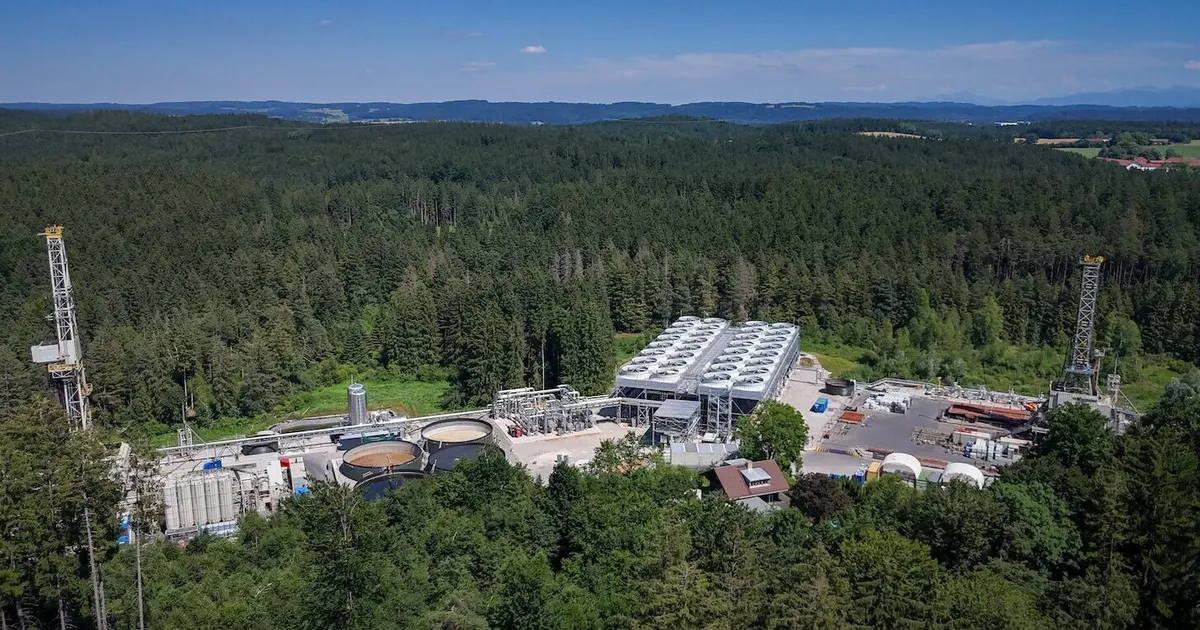
In the United States, another next-generation technology — an enhanced geothermal system, or EGS — has been gaining the most traction among developers. The startup Fervo Energy is building what will become the world’s largest EGS project in Utah, using fracking and horizontal drilling techniques to create artificial reservoirs. The first phase of this 500-megawatt project is set to start producing power this fall.
As a technology, enhanced systems are considered more advanced and relatively less costly than closed-loop systems for power generation. The loops are generally less efficient at extracting heat from the earth, since their fluids don’t directly touch rocks, and they can be lengthier and more complex to drill. But EGS has its own trade-offs: The approach carries the risk of inducing earthquakes and straining local water supplies, though experts say both issues can be mitigated.
“Closed-loop just leapfrogs over those challenges” because of its contained design, Pope said, adding that the systems could be a better fit for harnessing heat in dense urban areas and in water-scarce regions. In the U.S., the companies XGS Energy, GreenFire Energy, and Vero Geothermal are also pursuing closed-loop projects in places like California and New Mexico.