Support CleanTechnica's work through a Substack subscription or on Stripe.
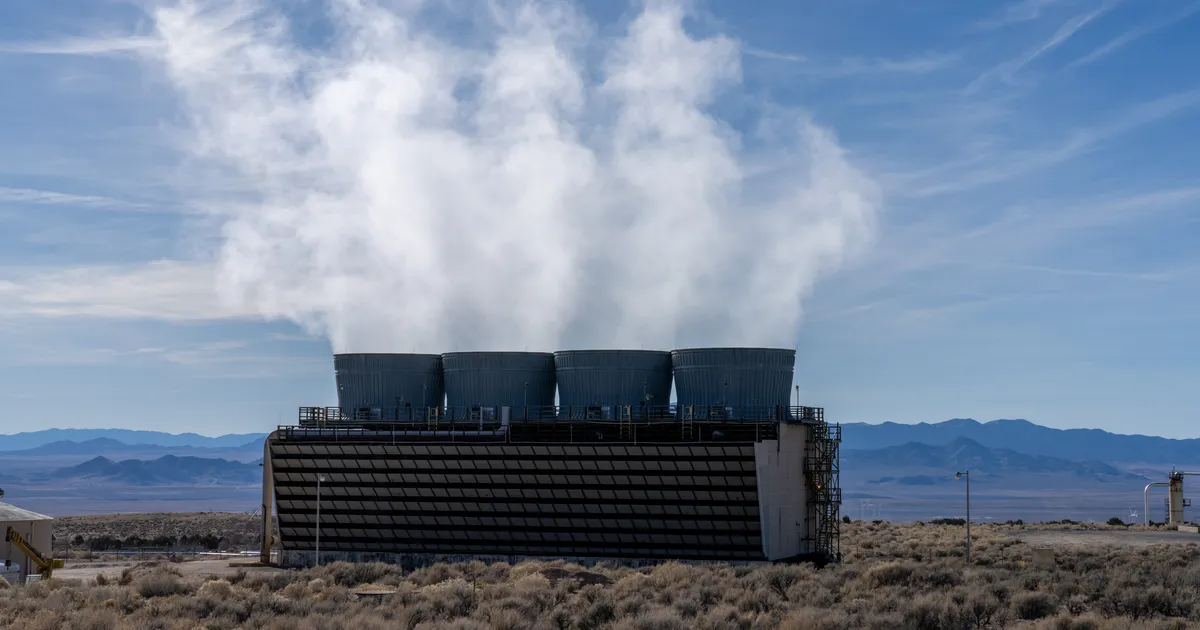
When US President Donald Trump introduced his fossil-friendly energy policy last year, wind and solar were the only resources to get the short end of the stick. The new policy also made room for hydropower, biomass, and geothermal energy, and now it’s off to the races. Four Western US states with copious geothermal potential — Arizona, Colorado, New Mexico, and Utah — have formed the Mountain West Geothermal Consortium, aiming to take the Trump administration up on the offer.
Why Geothermal?
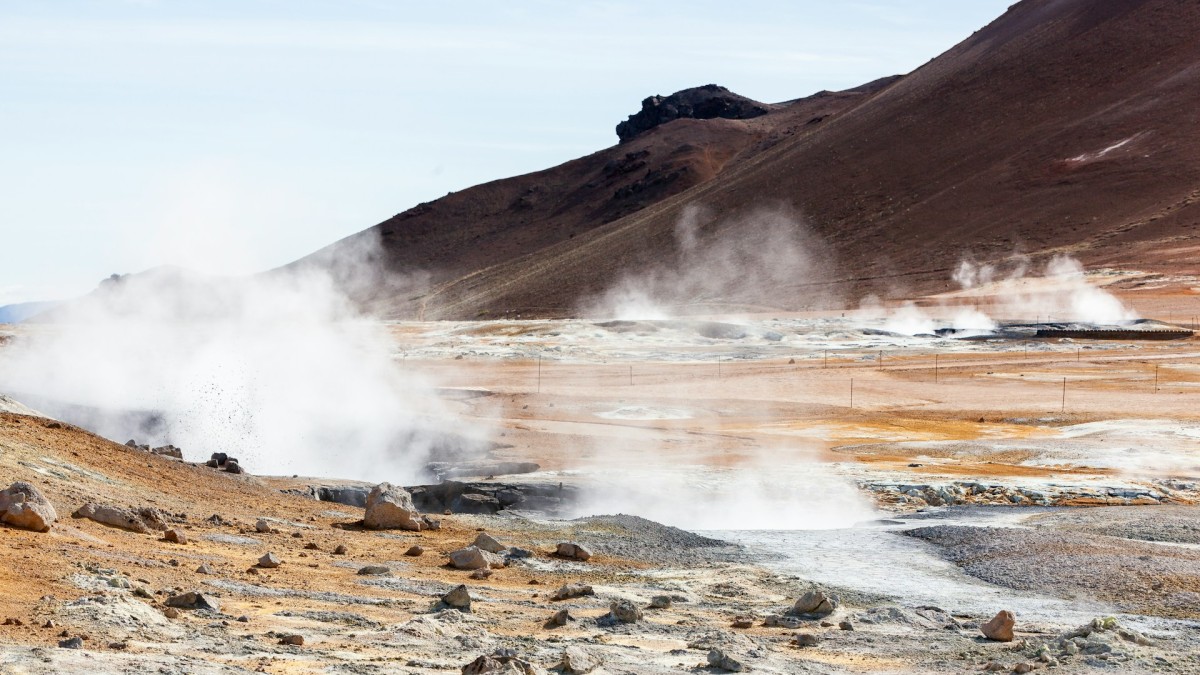
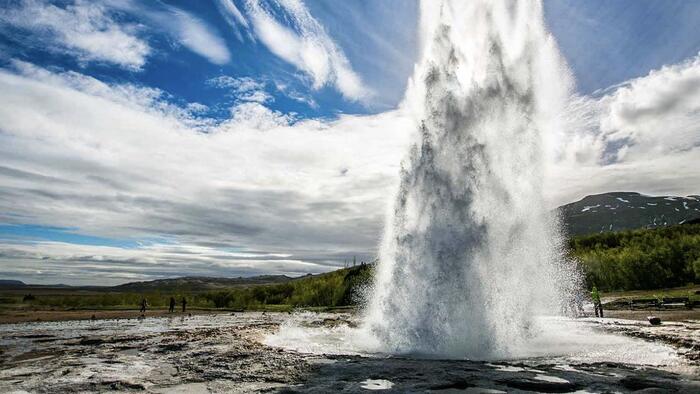
Why, indeed. Throughout the energy history of the US, the ideal geothermal conditions for power generation — heat, rock, and water — have been concentrated in just a few scattered locations in the Pacific Northwest and other regions west of the Rocky Mountains, leaving the industry to claim just a pinhead-sized fraction of total installed generating capacity in the US, hovering around 1% or so.
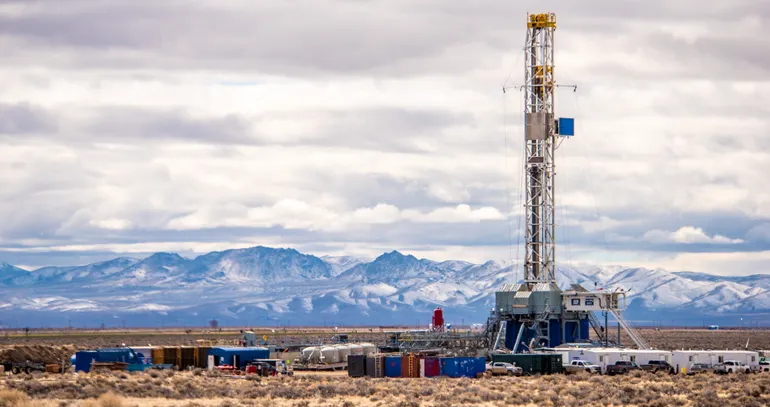
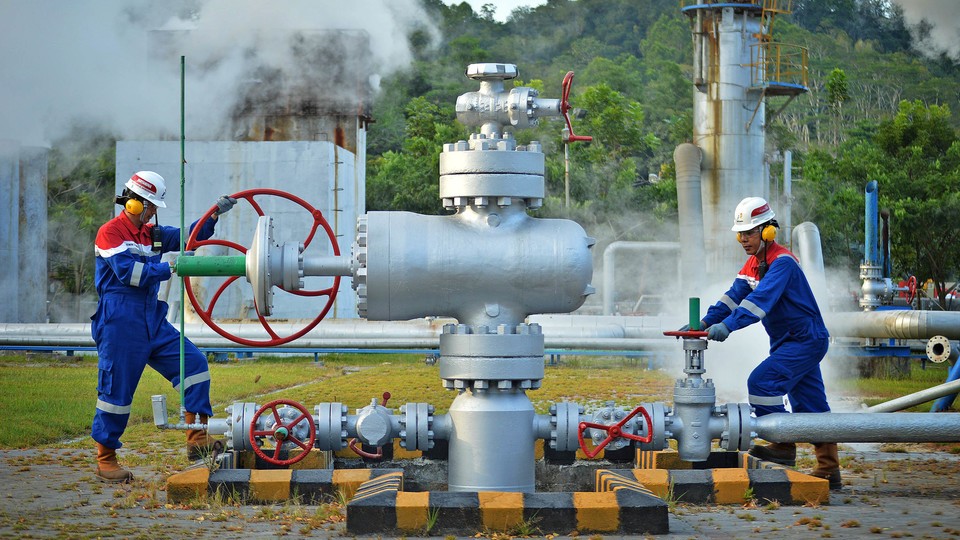
A more competitive picture began to emerge in the early 2000’s, after geothermal innovators began tinkering around with new drilling techniques and other systems borrowed from the oil and gas industry. The new systems are designed to generate new efficiencies and create human-made geothermal conditions where nature has fallen short, opening up the potential to recover resources that would otherwise be uneconomical or impossible to pursue in broader swaths of the US.