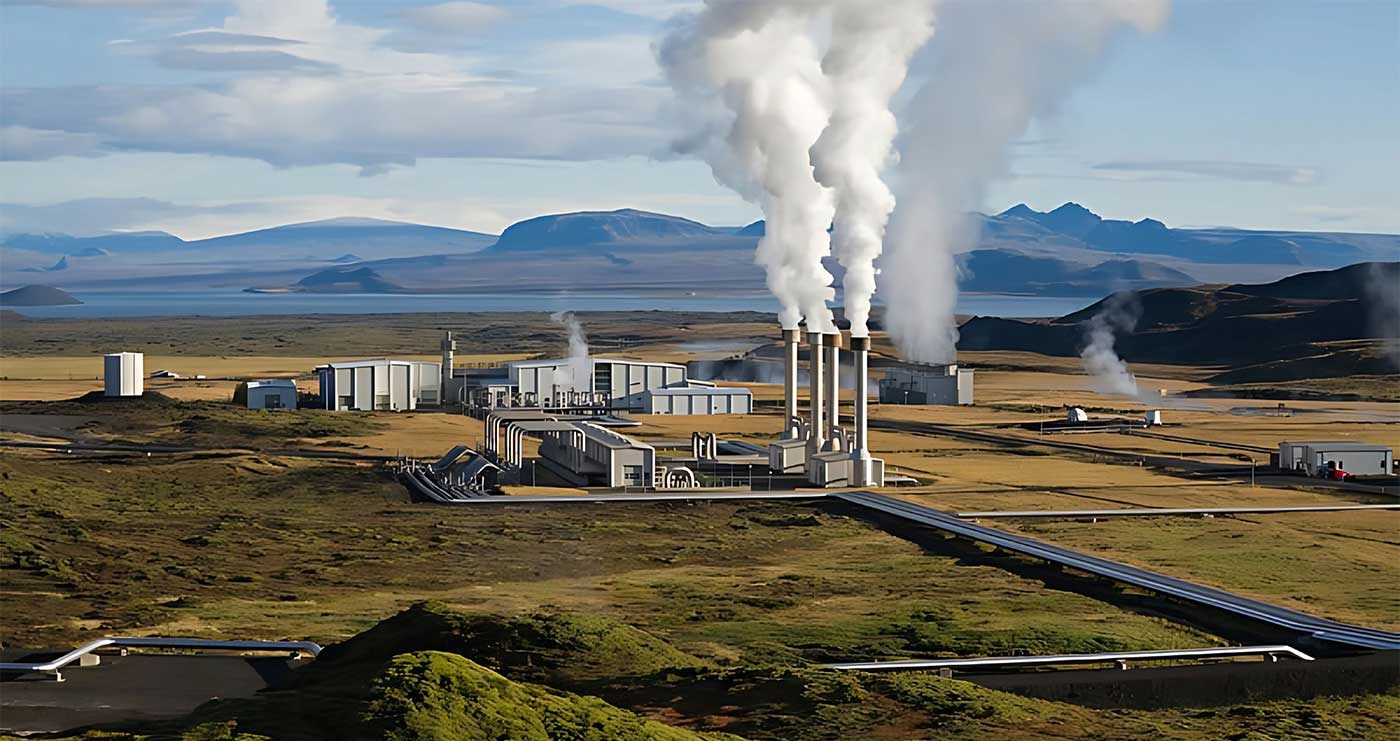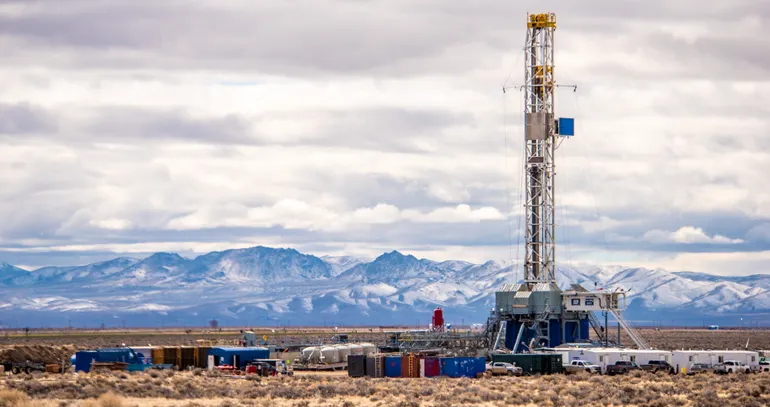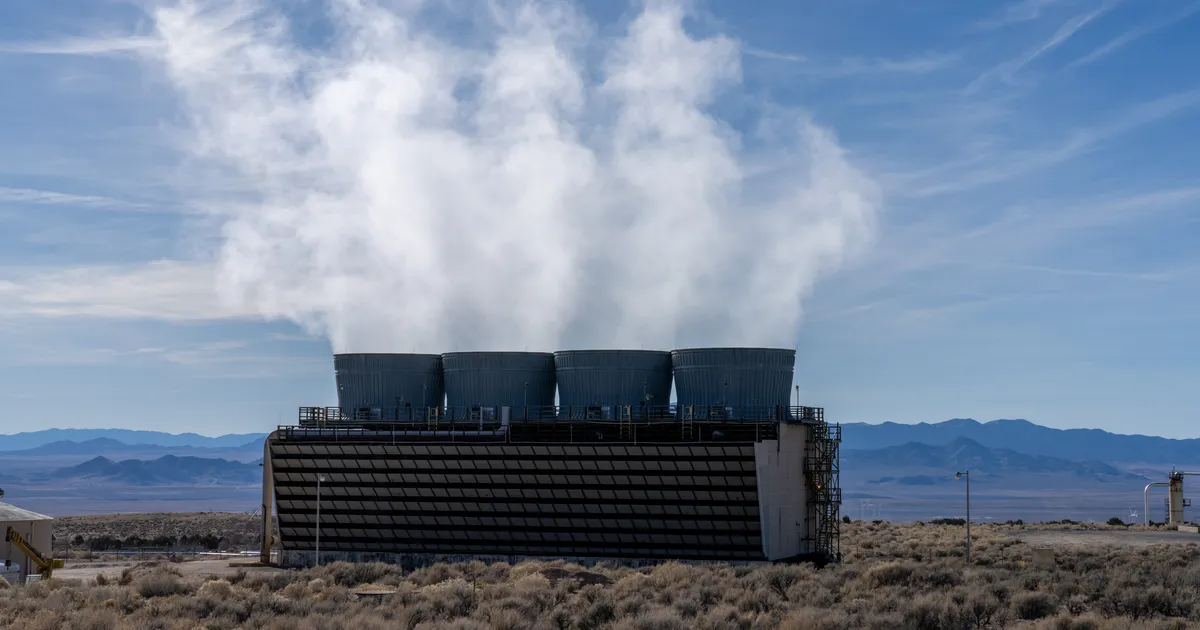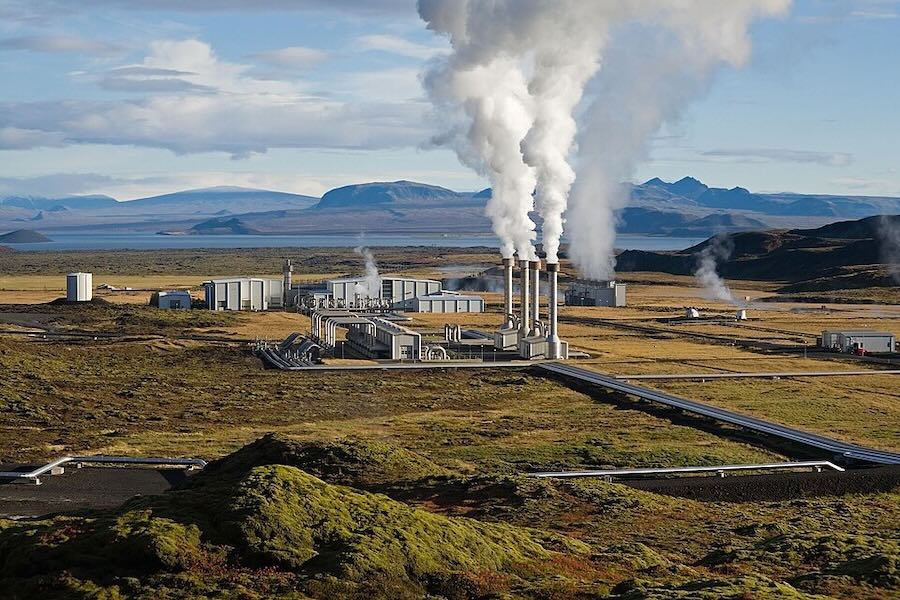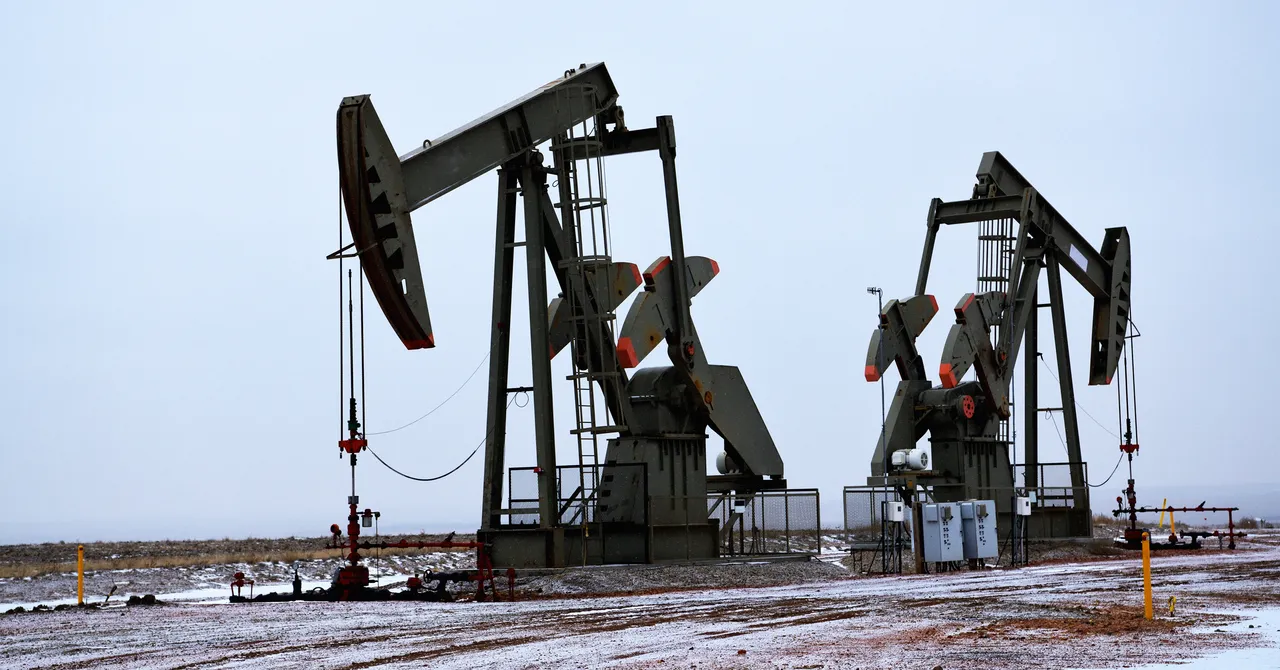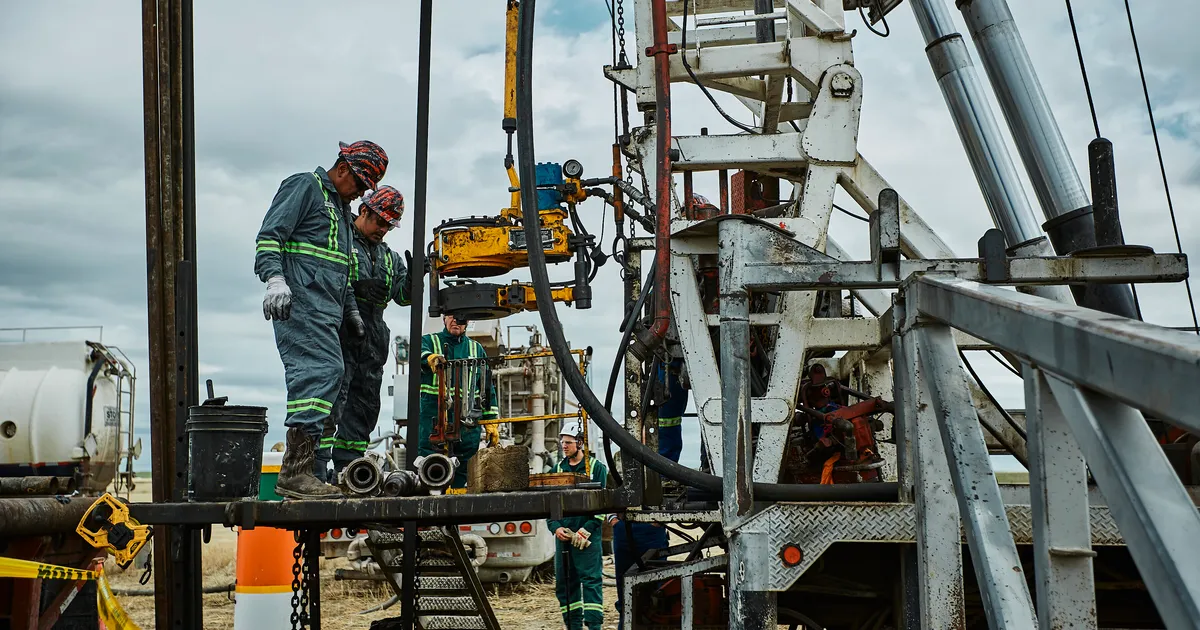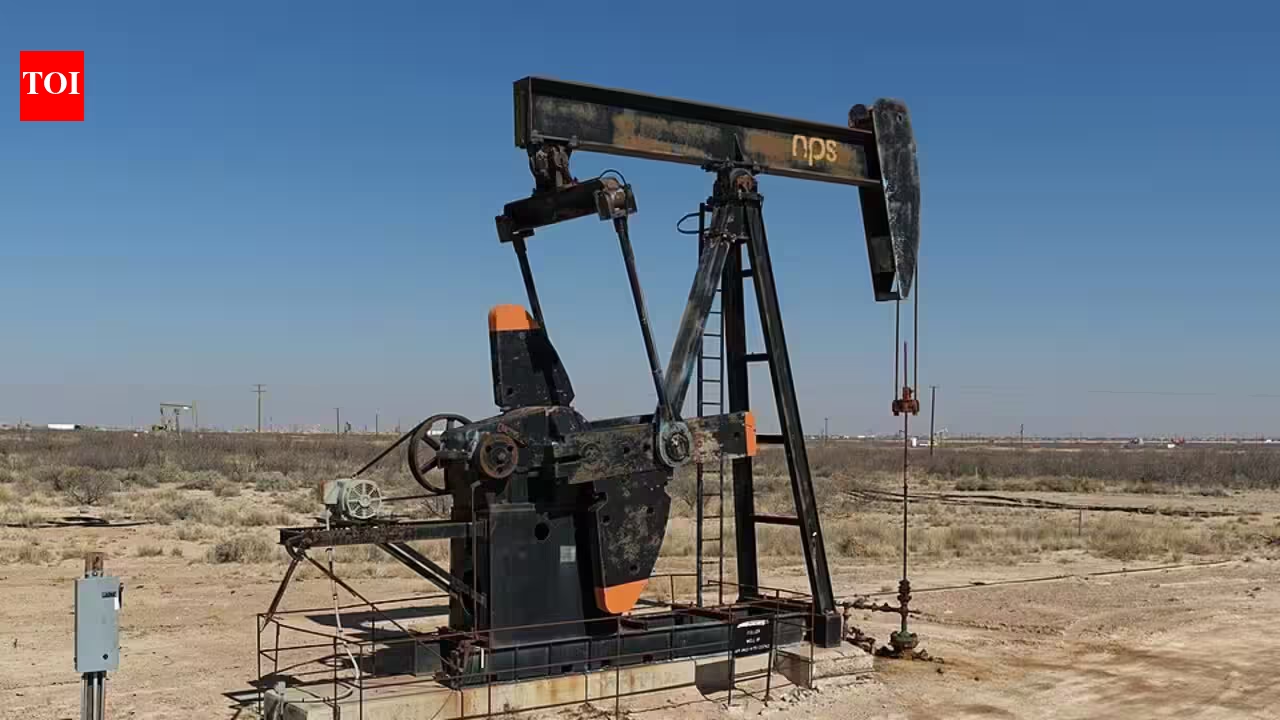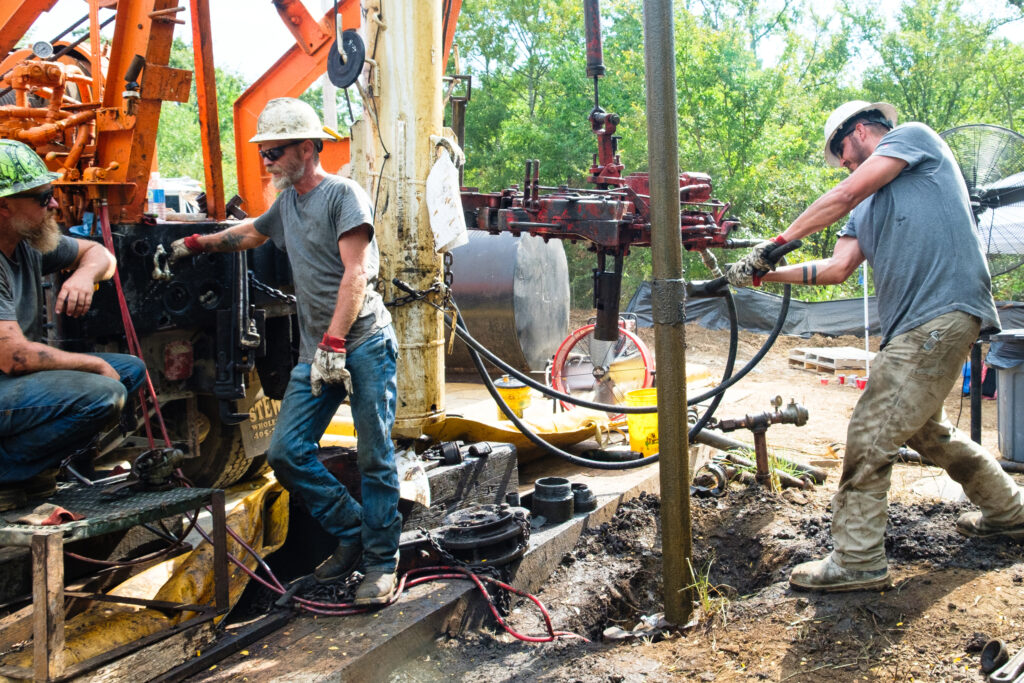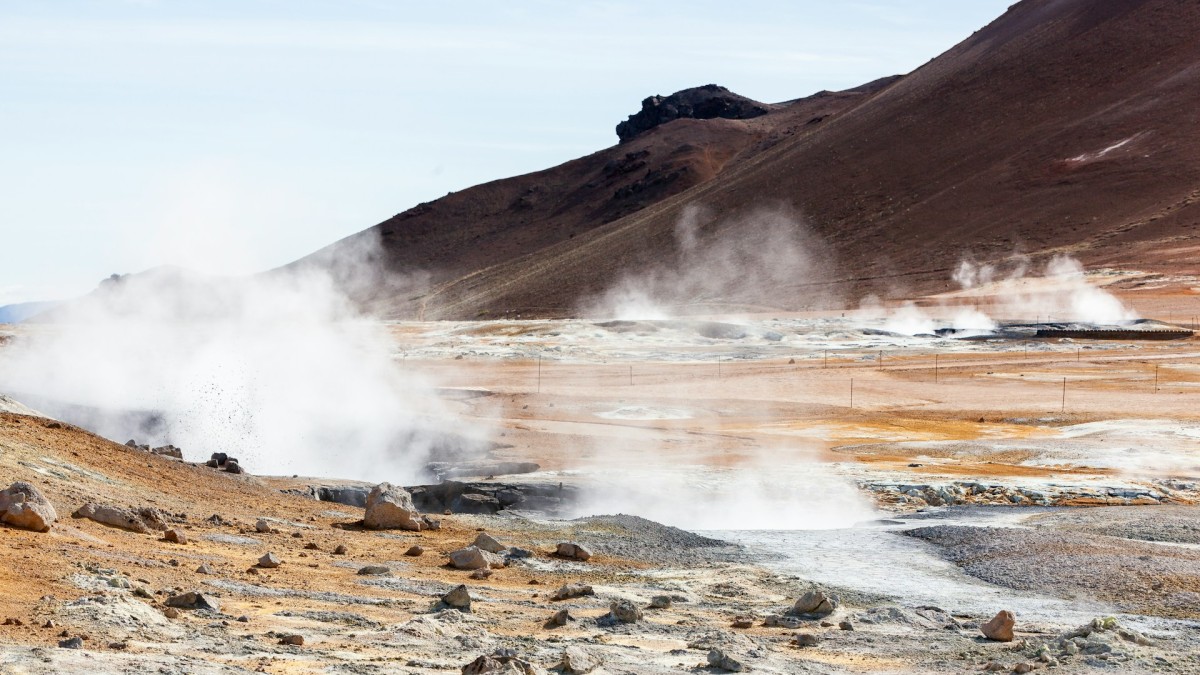
As the United States continues to explore its vast geothermal potential, researchers are exploring the possibility of using abandoned oil wells to produce clean energy. A growing body of literature is emerging on the topic, with many hopeful scientists worldwide promoting the potential for well conversion for geothermal energy production. Geothermal energy is produced by drilling into underground heat pockets in the Earth’s surface to access heat. The Earth’s core has a temperature of roughly 5,200°C, while rock and water in the Earth’s crust can reach temperatures of around 370°C. To produce geothermal energy, operators normally drill reservoirs just a few miles underground to access thermal energy in the rocks, as well as warm water deposits, using the heat to power turbines for carbon-free electricity production.Enhanced geothermal drilling has been made possible thanks to the adoption of fracking techniques used in oil operations, which have been popular for crude extraction in the United States, which is well-suited to fracking. Following over a century of oil production, there are now hundreds of thousands of abandoned wells across the United States, which are no longer suitable for oil production.Policymakers across several states are now exploring the possibility of converting the disused wells into new wells that are suitable for geothermal energy production. The holes have already been drilled, making for easier access. However, researchers are still uncertain whether these wells are suitable for geothermal energy production. Several states have already eased regulatory hurdles and are conducting in-depth studies to determine whether new geothermal operations could go ahead using these wells.In Oklahoma, the state Senate has discussed a potential new bill that would allow companies to purchase abandoned oil and gas wells to repurpose them for geothermal energy production or underground energy storage. Over 20,000 wells have been identified in Oklahoma alone, which state regulators say could take 235 years and hundreds of millions of dollars to plug using conventional techniques.Despite strict regulations on the decommissioning of disused wells, which oil companies are expected to follow, many firms have failed to plug disused wells correctly due to a range of reasons, from companies going bankrupt to small oil activities falling under the radar. The U.S. government is now spending millions on gradually plugging these “orphan wells”, which is detracting resources from other potential energy projects. Therefore, selling these wells to companies to be repurposed could help to fix the problem as well as bring in a new form of revenue.In March, Oklahoma passed the Well Repurposing Act, which follows the blueprint of a similar law passed in New Mexico in 2025, addressing the state’s 2,000-plus orphan wells. Meanwhile, Alabama passed a law in April that allows the state to approve and regulate the conversion of oil and gas wells for other energy production purposes, including geothermal. In 2025, North Dakota also established a bill that requires the legislative council to study the feasibility of using abandoned wells for geothermal energy production.In Colorado, Gradient Energy announced in March that it would be supporting a technical study to evaluate the potential to repurpose orphaned oil and gas wells across the state for geothermal energy production, as well as assess synergies between geothermal development and carbon capture and sequestration. Gradient’s CEO, Benjamin Burke, stated, “This study represents an important step in turning orphaned wells from environmental liabilities into community assets… Repurposing existing infrastructure for geothermal energy can reduce methane emissions, create local jobs, and deliver reliable, low-emission power to Colorado communities.”Since coming into office last year, President Donald Trump has strongly attacked several renewable energy sectors, including solar and wind power. Trump has repeatedly referred to the most far-reaching U.S. climate policy to date – the Inflation Reduction Act – introduced under former-President Biden in 2022, as the “green new scam”. The Trump administration has introduced several policies aimed at restricting the deployment of new renewable energy projects while making it easier to expand fossil fuel production.However, one sector that President Trump has not attacked is geothermal energy. This has encouraged several states to turn their attention to the clean energy source, particularly as many state governments look to diversify the energy mix to ensure their energy security. At the federal level, the Department of Energy’s Wells of Opportunity (WOO) Initiative, introduced in 2021, explores the potential retrofitting and co-production of oil and gas wells.However, significantly more research and development is required to make the conversion of oil and gas wells into geothermal energy-producing wells a reality. Emily Pope, the geologist author of a recent study on next-generation geothermal power, explained, “Oil and gas well conversion presents an enormous opportunity, … but it’s pretty far away technologically from being a reality.” Pope added, “There are some hurdles that are still pretty immense… [but] it is worth doing some R&D to try and grow.”By Felicity Bradstock for Oilprice.comMore Top Reads From Oilprice.comIEA: Oil Shock Sparks Surge in EV SalesGermany Launches Formal Sale Process for UniperIran’s Floating Oil Stockpile Jumps 65% as U.S. Naval Blockade Bites
America’s Abandoned Oil Wells Could Power the Next Geothermal Boom | OilPrice.com
States across the U.S. are exploring whether abandoned oil and gas wells can be repurposed for geothermal energy production, potentially transforming environmental liabilities into clean energy infrastructure.
828 words~4 min read