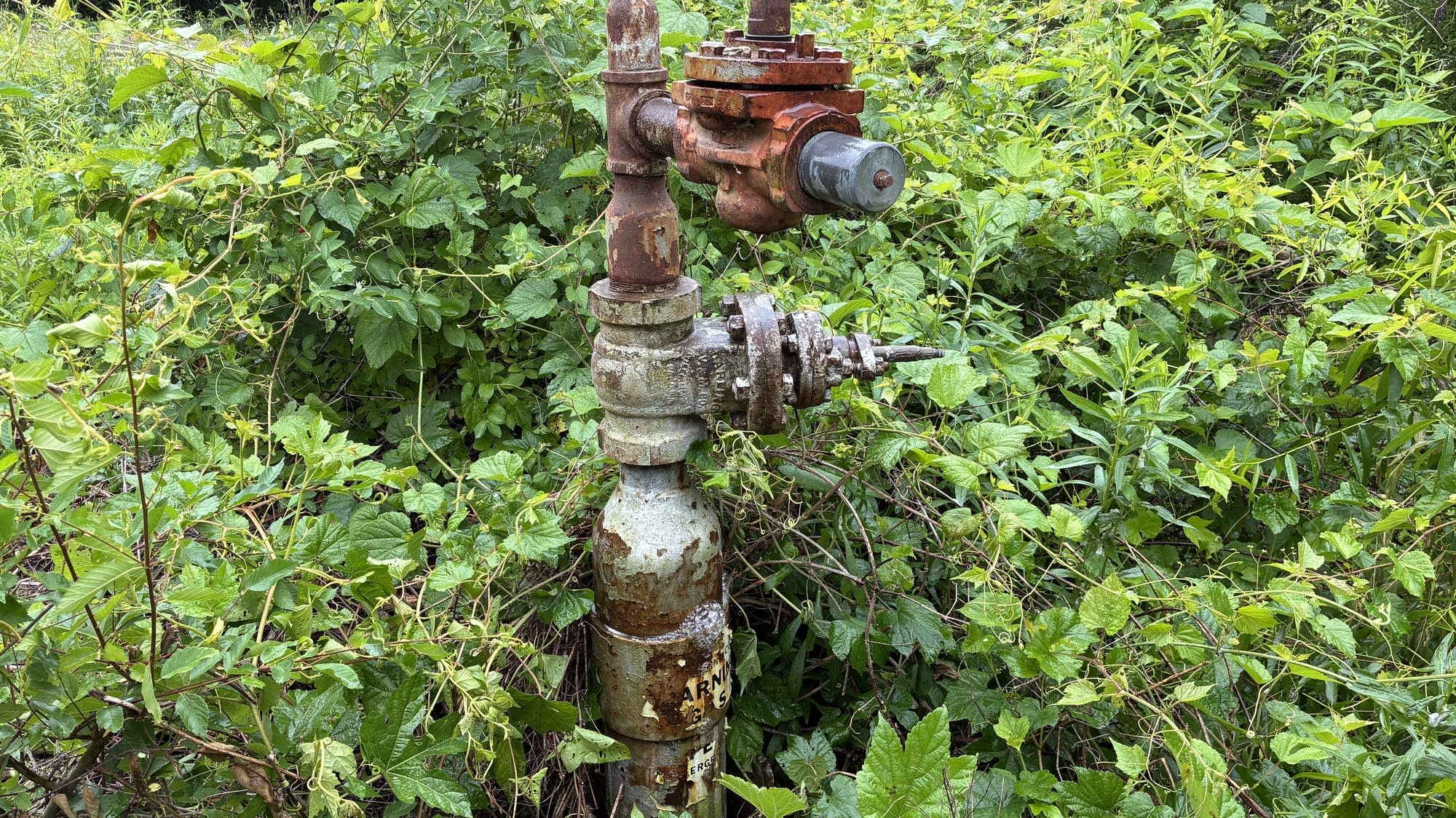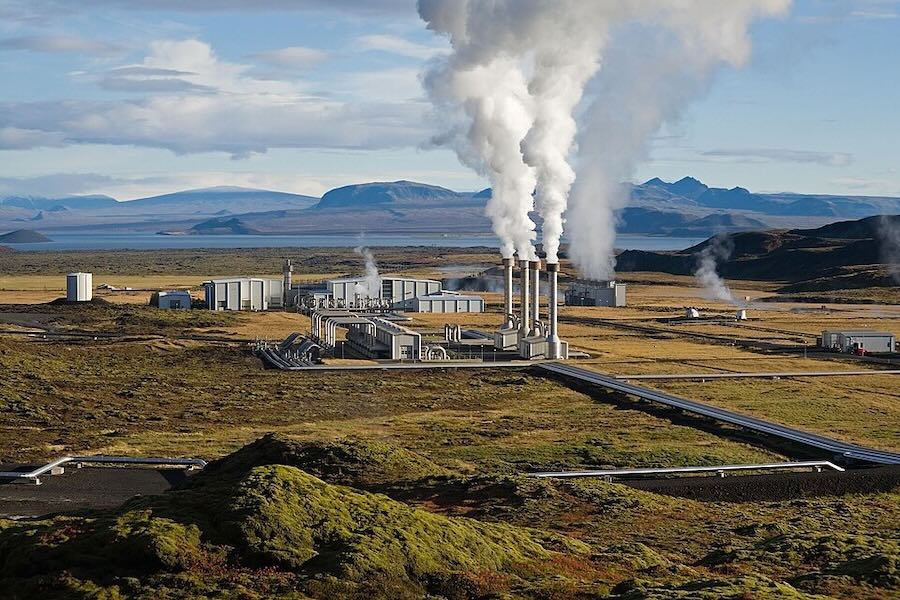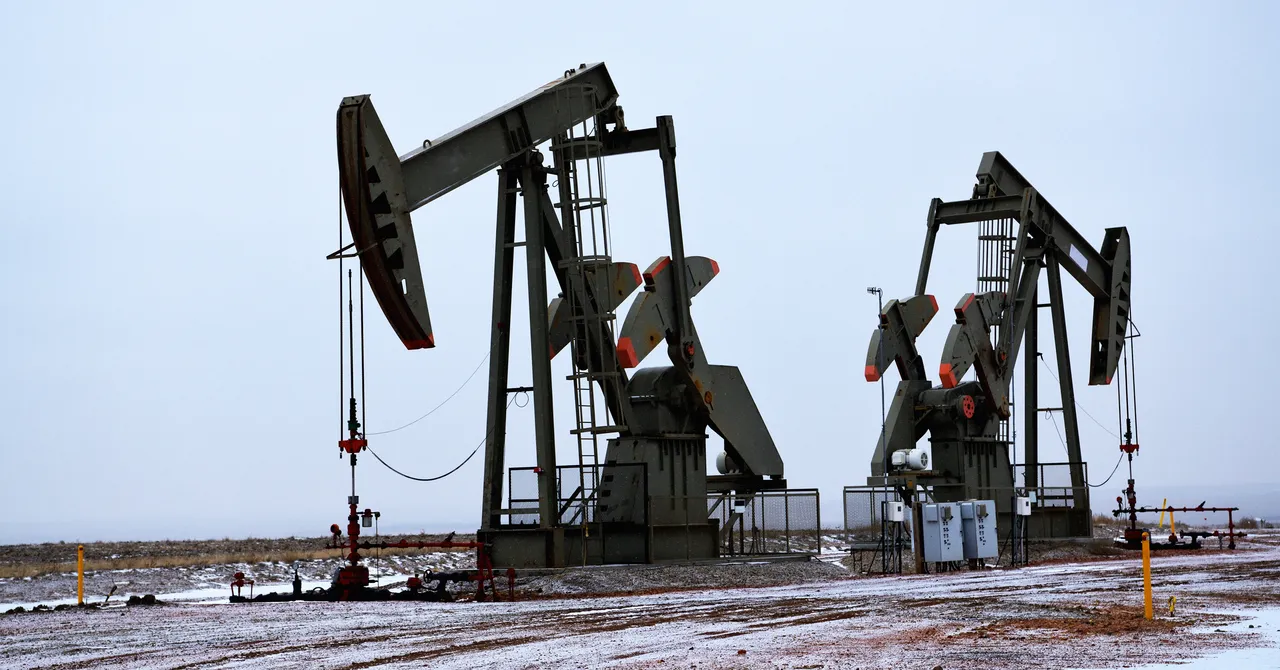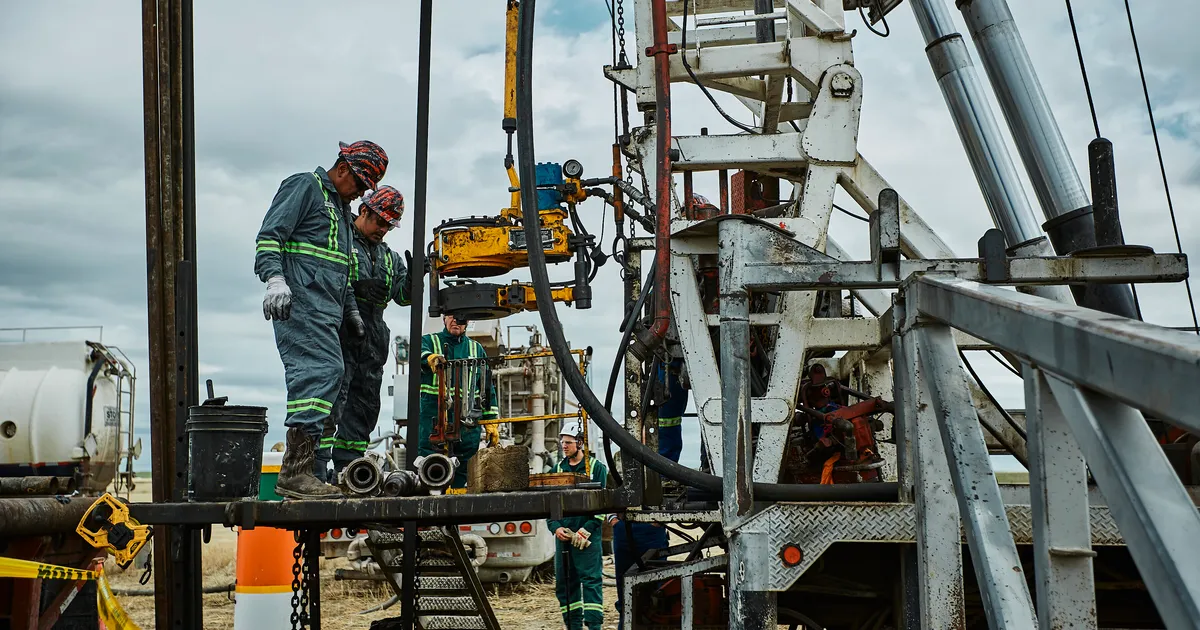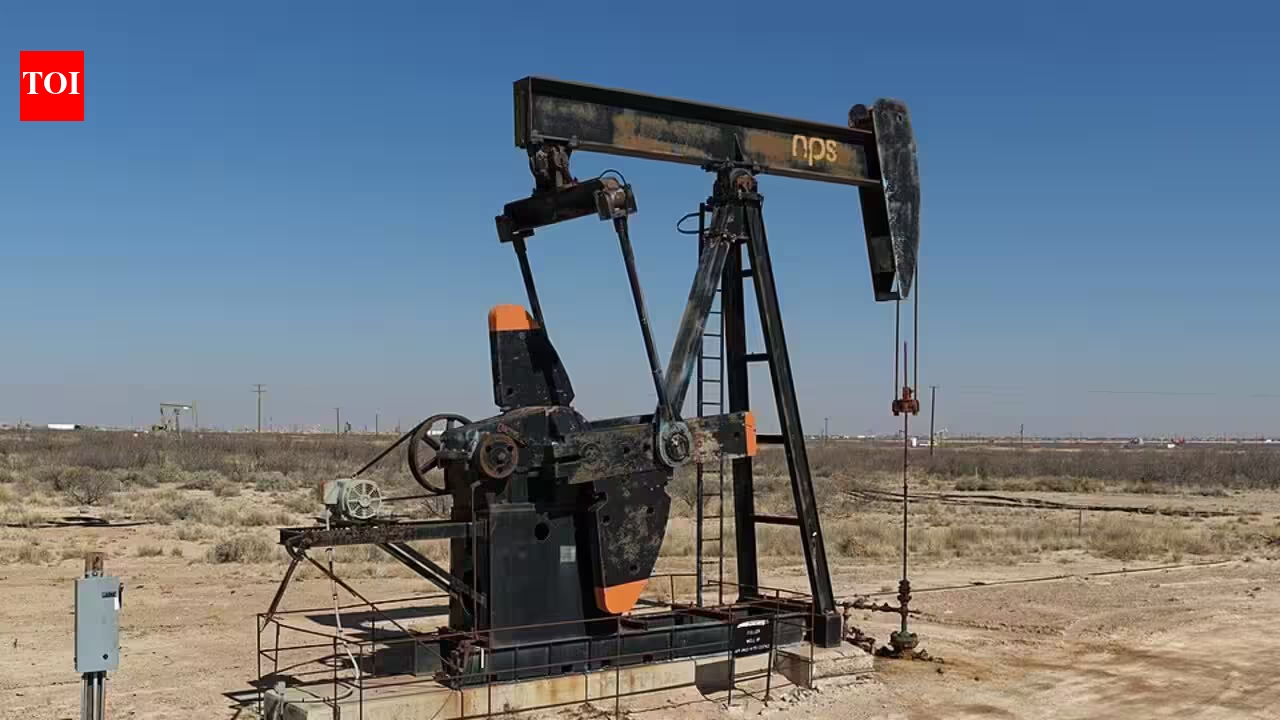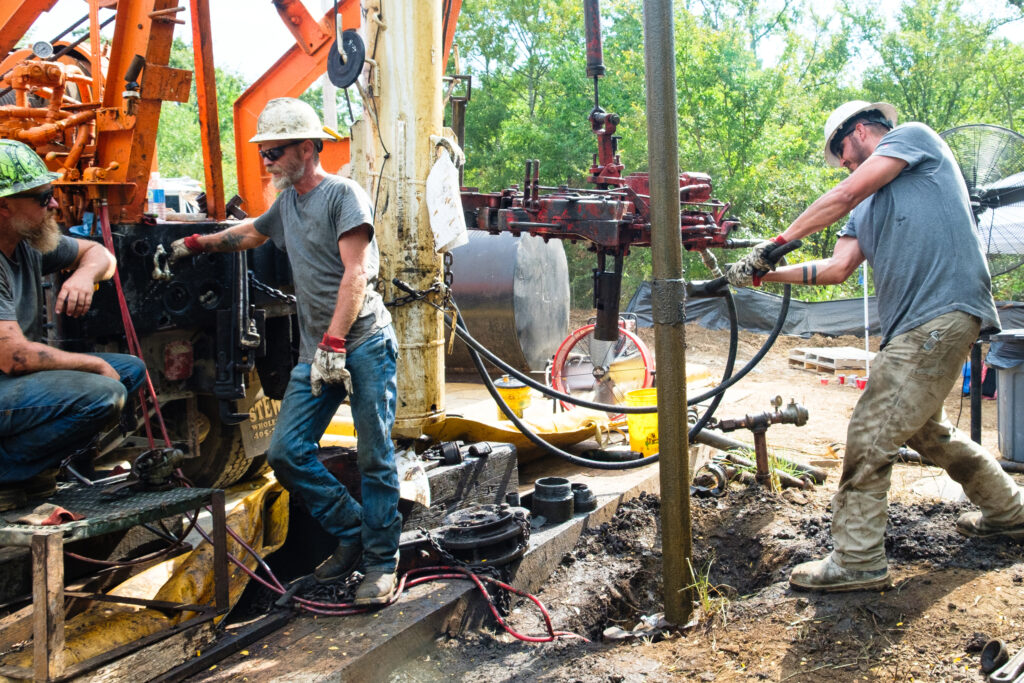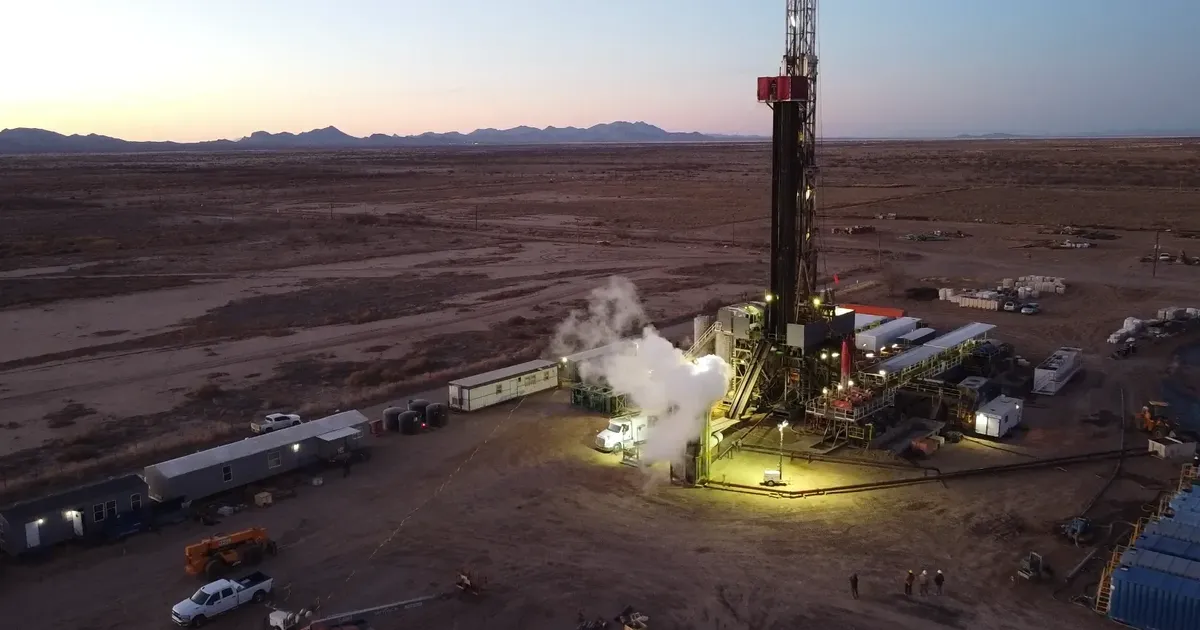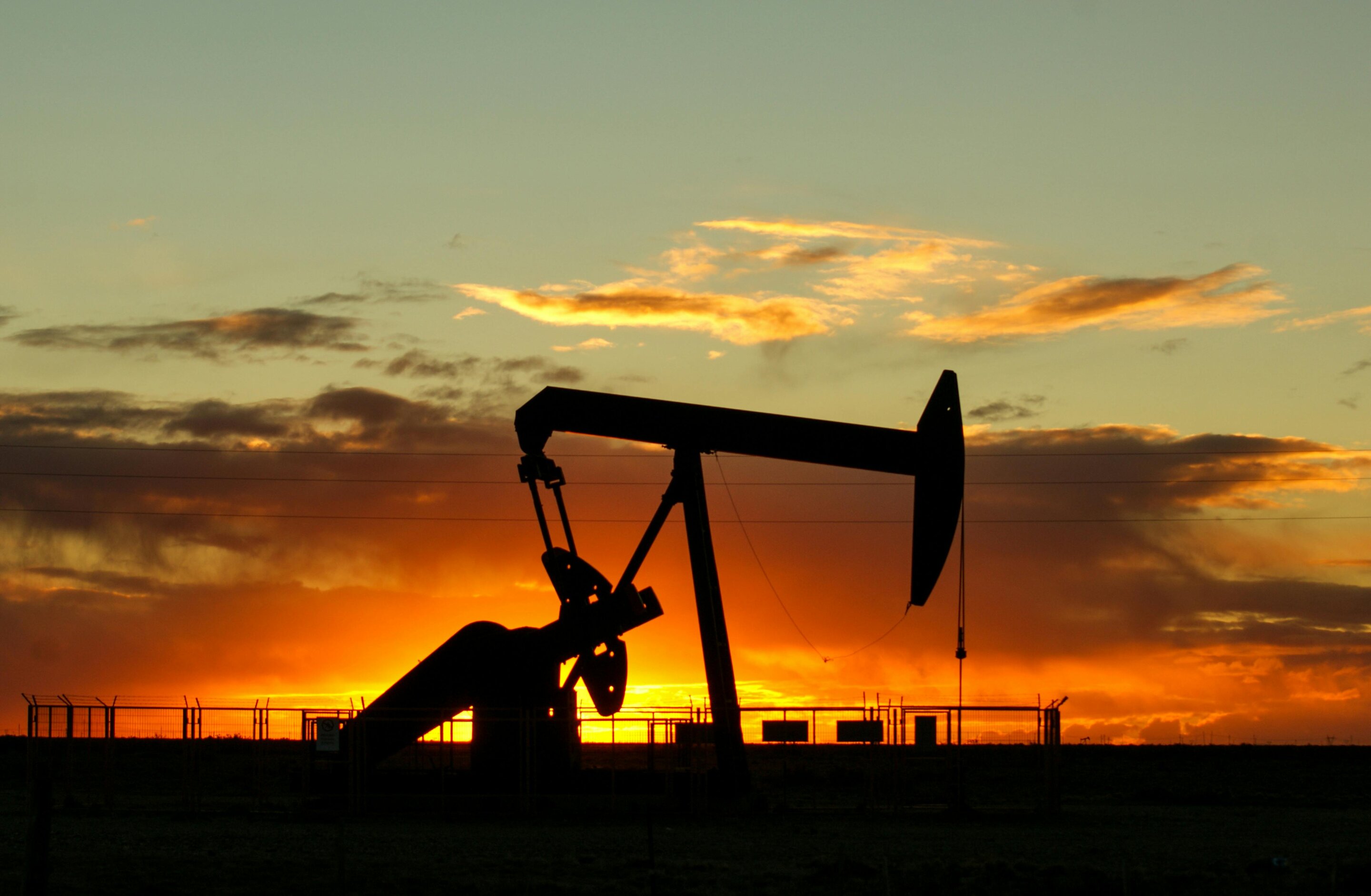
Repurposing old oil and gas wells for geothermal power could significantly reduce environmental harm and unlock cleaner energy from existing infrastructure, but new research shows the approach will need targeted support to become economically viable.
A new study led by researchers at The University of Manchester has carried out the first full environmental life-cycle cost analysis of using abandoned onshore oil and gas wells to generate geothermal electricity.
Published in Applied Thermal Engineering, the research assesses not only the financial costs of repurposing old wells, but also the often overlooked environmental and human health impacts, such as air pollution and climate damage.
The findings show that while repurposed geothermal systems currently produce electricity at a higher cost than conventional geothermal power, they deliver substantially lower environmental and health costs, particularly by avoiding new drilling and reducing pollution linked to fossil fuel infrastructure.
Turning legacy fossil assets into clean energy