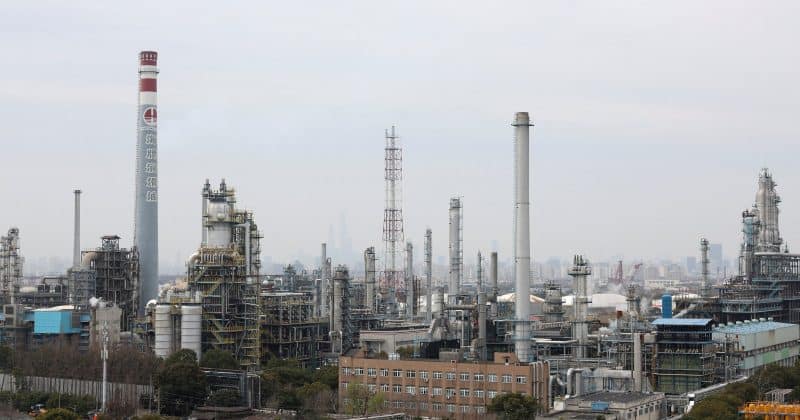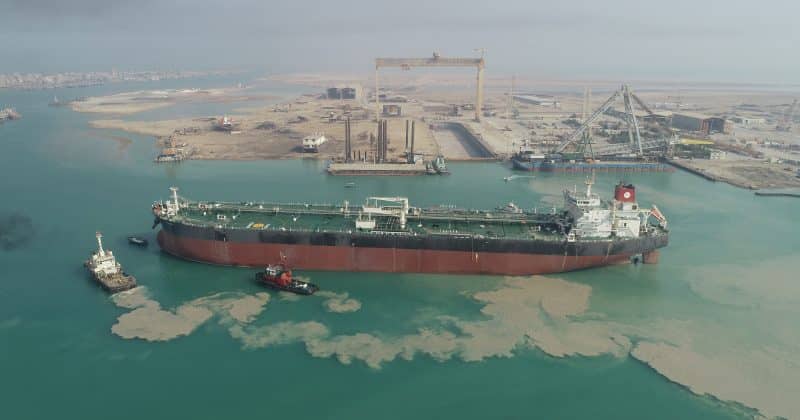
Two of China’s largest state-owned oil companies are weighing whether to buy Iranian crude for the first time in seven years. Sinopec and PetroChina, which stopped importing Iranian oil in May 2019 to avoid US sanctions exposure, are now reconsidering that stance after a new US Treasury license opened a narrow window for legal transactions.
The 60-day general license, issued around late June 2026, permits the production, delivery, sale, and related services for Iranian oil through August 21, 2026. Neither company has confirmed any actual purchases yet, with both reportedly evaluating their compliance infrastructure before making any moves.
Why this matters for global oil markets
Independent Chinese refiners, the so-called “teapot” refineries scattered across provinces like Shandong, never really stopped buying Iranian crude. They used intermediaries and conducted transactions in yuan to stay below the sanctions enforcement radar.
China accounted for over 80% of Iran’s oil exports in 2025, averaging 1.38 million barrels per day. That volume came almost entirely through the independent refiner channel, not through state-owned giants like Sinopec and PetroChina.