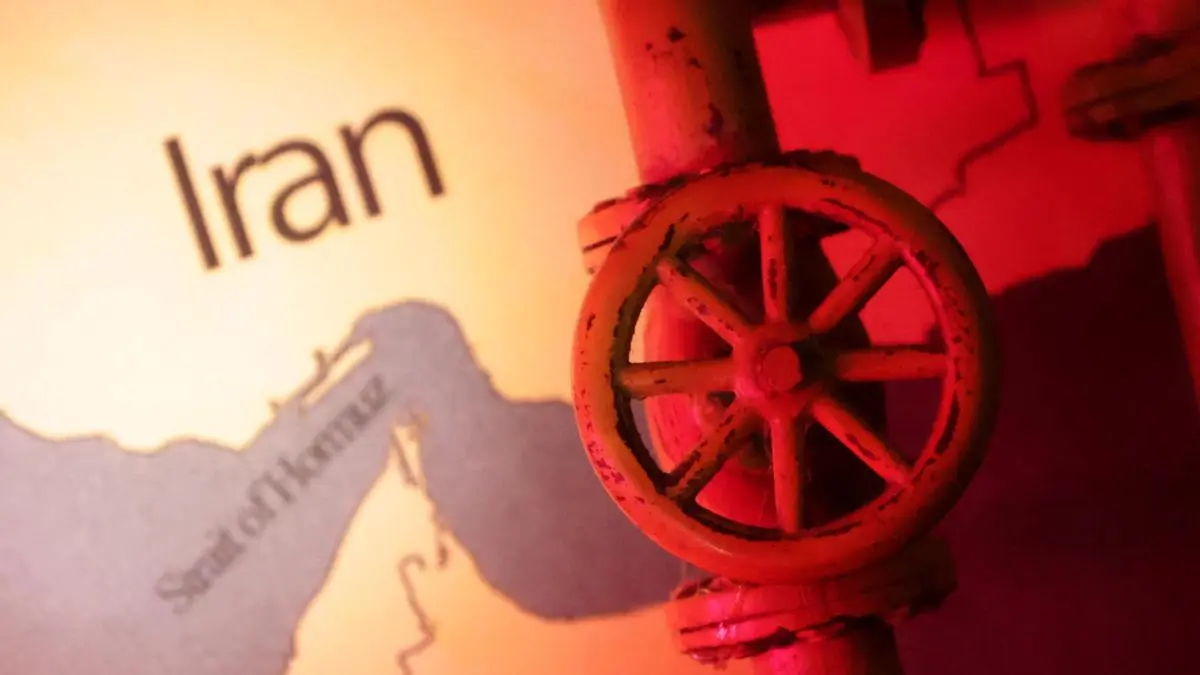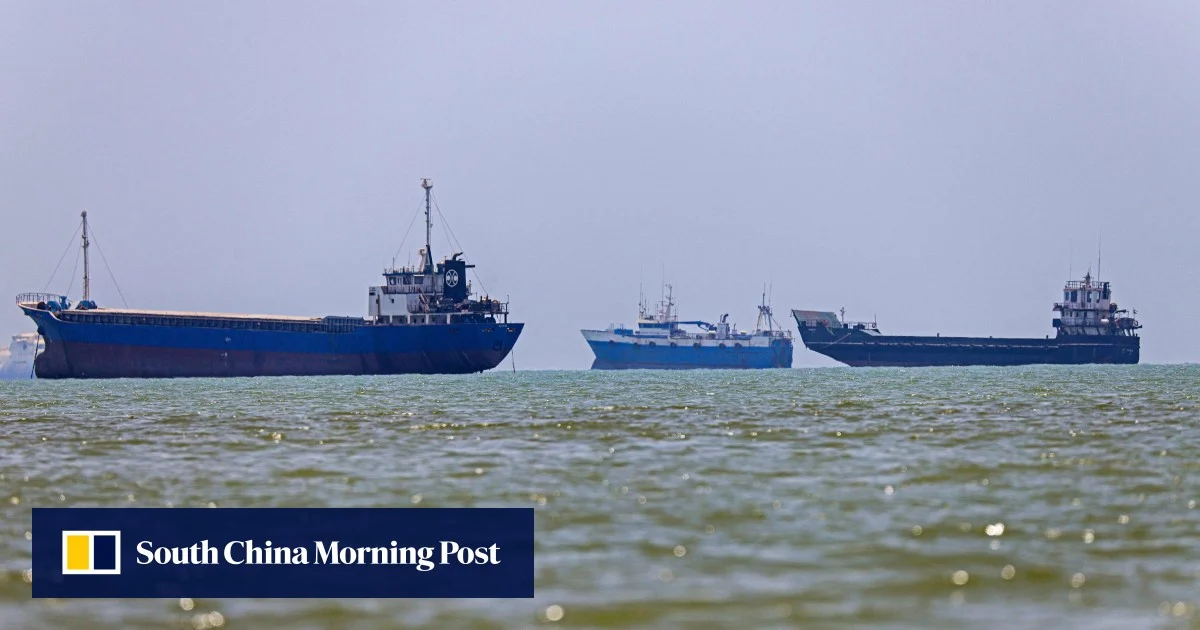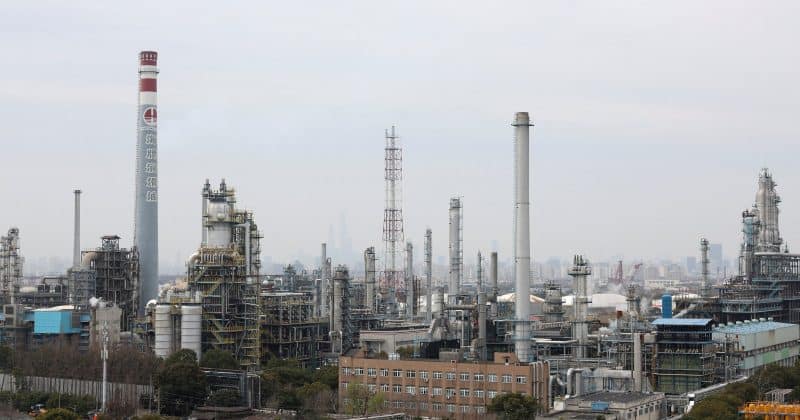
For the better part of seven years, China’s state-owned refineries treated Iranian crude like it was radioactive. Now, thanks to a 60-day sanctions waiver from the US Office of Foreign Assets Control, they’re reconsidering.
The waiver, issued around mid-June 2026, creates a narrow window for controlled purchases of Iranian oil. And while China’s scrappy independent refineries, the so-called “teapots,” have been happily buying discounted Iranian barrels this entire time, the return of state-backed giants would mark a meaningful shift in the geopolitics of oil markets.
The teapot era and its limits
When the US reimposed sanctions on Iran in 2018, the major international buyers scattered. European refiners walked away. Japanese and South Korean importers pulled back. But China’s independent refineries, smaller operations scattered across Shandong province and elsewhere, kept buying. They had less to lose from US financial system exposure and plenty of appetite for cheap oil.
China now purchases approximately 90% of Iran’s total oil exports. Iranian crude shipments to China ran at about 1.38 million barrels per day in 2025, all flowing at steep discounts to benchmark prices.