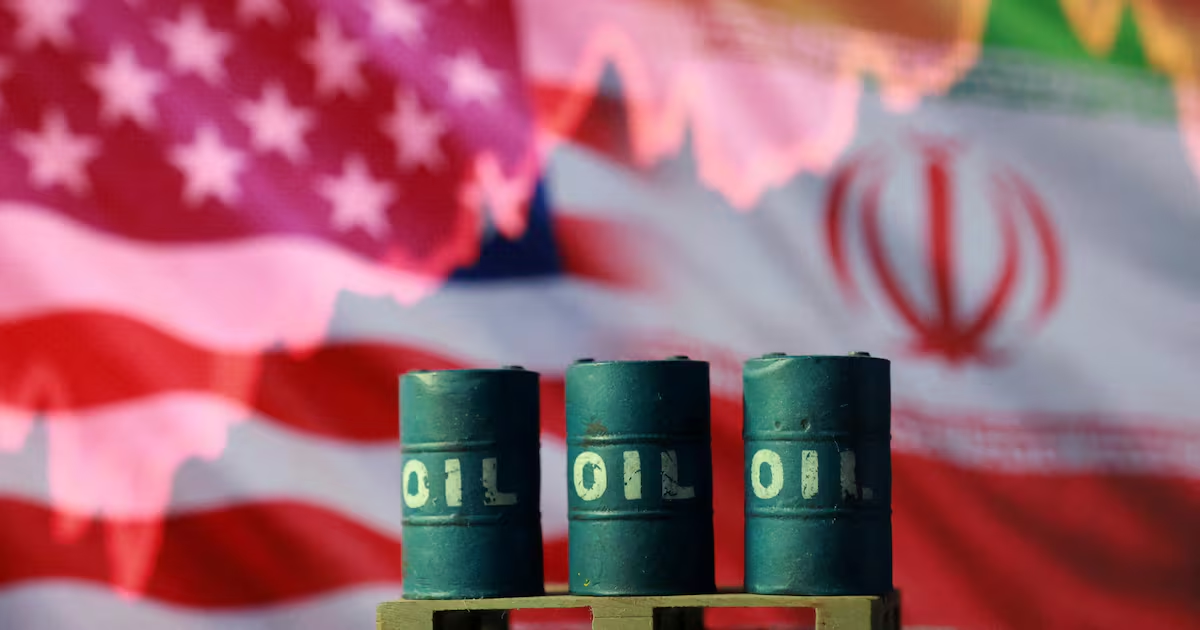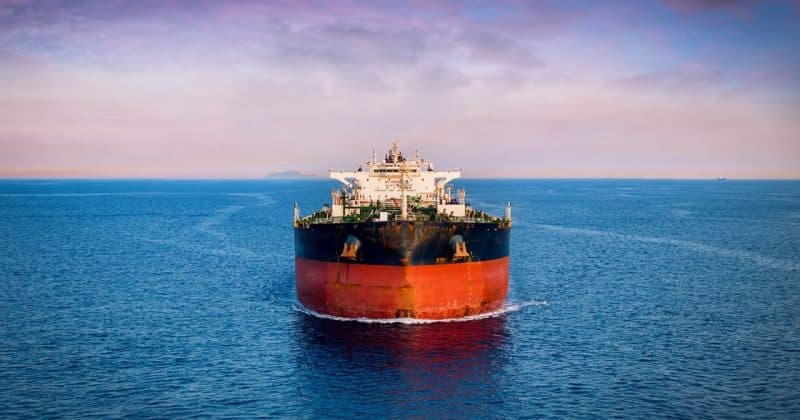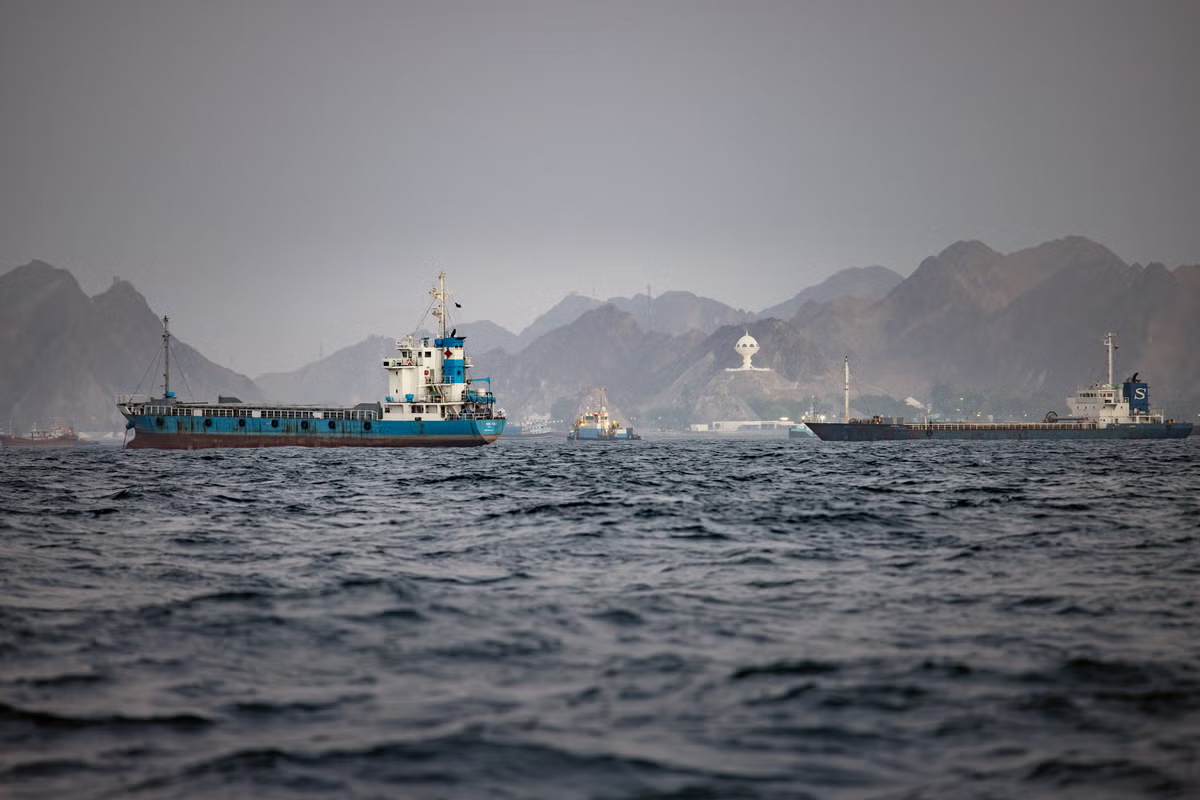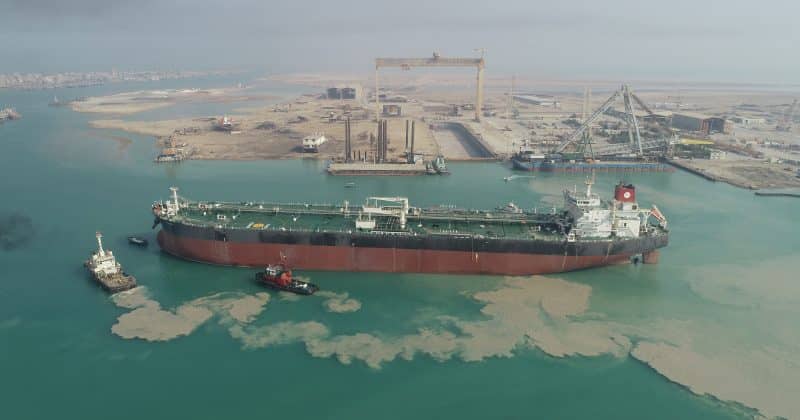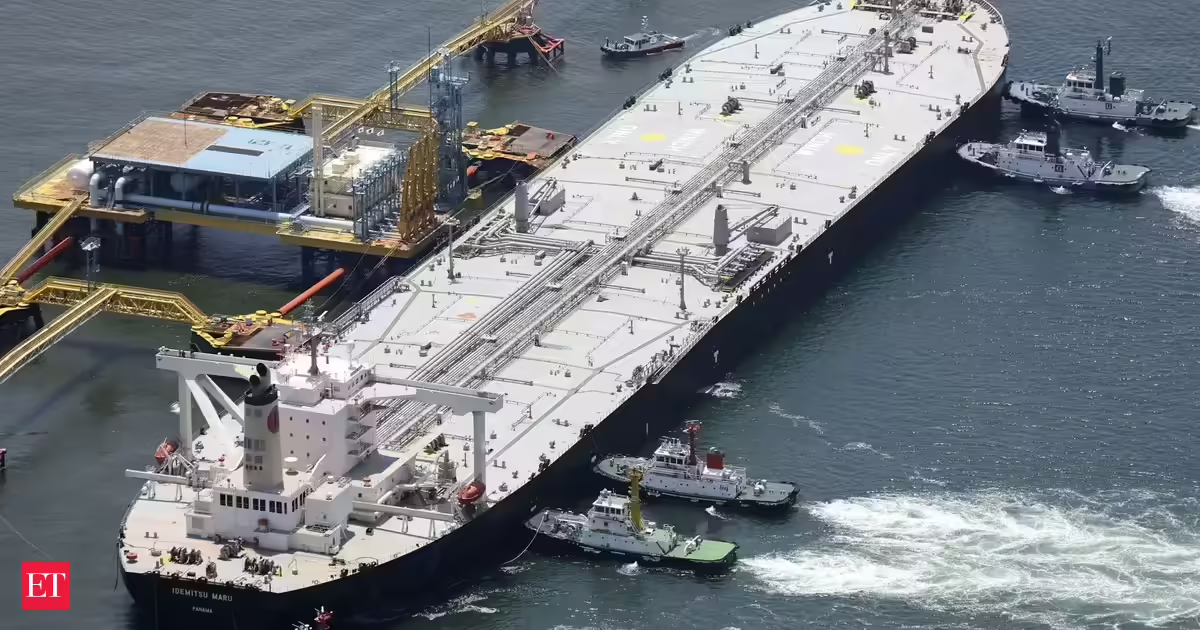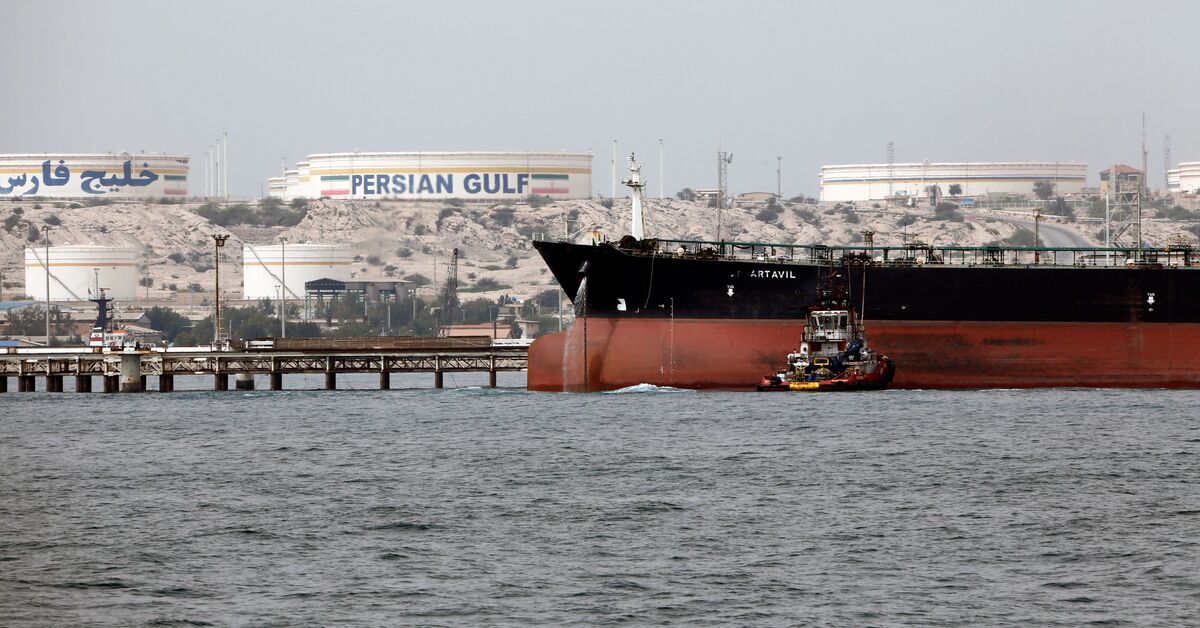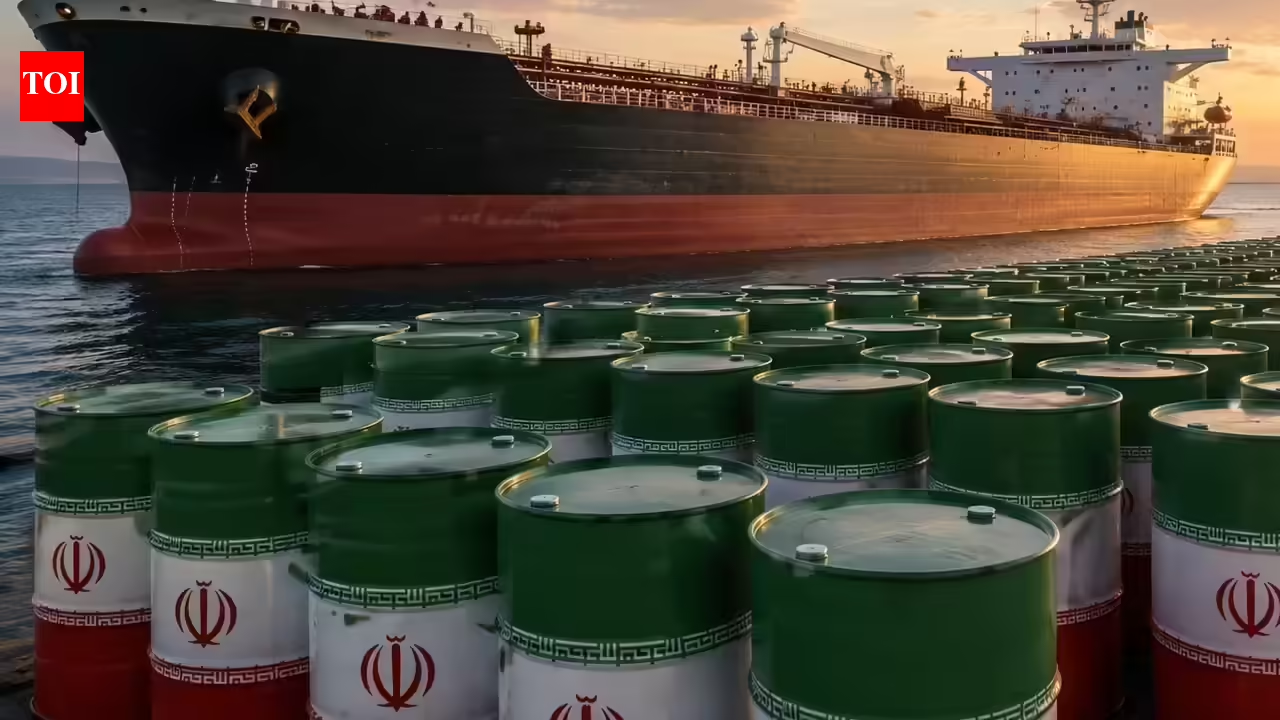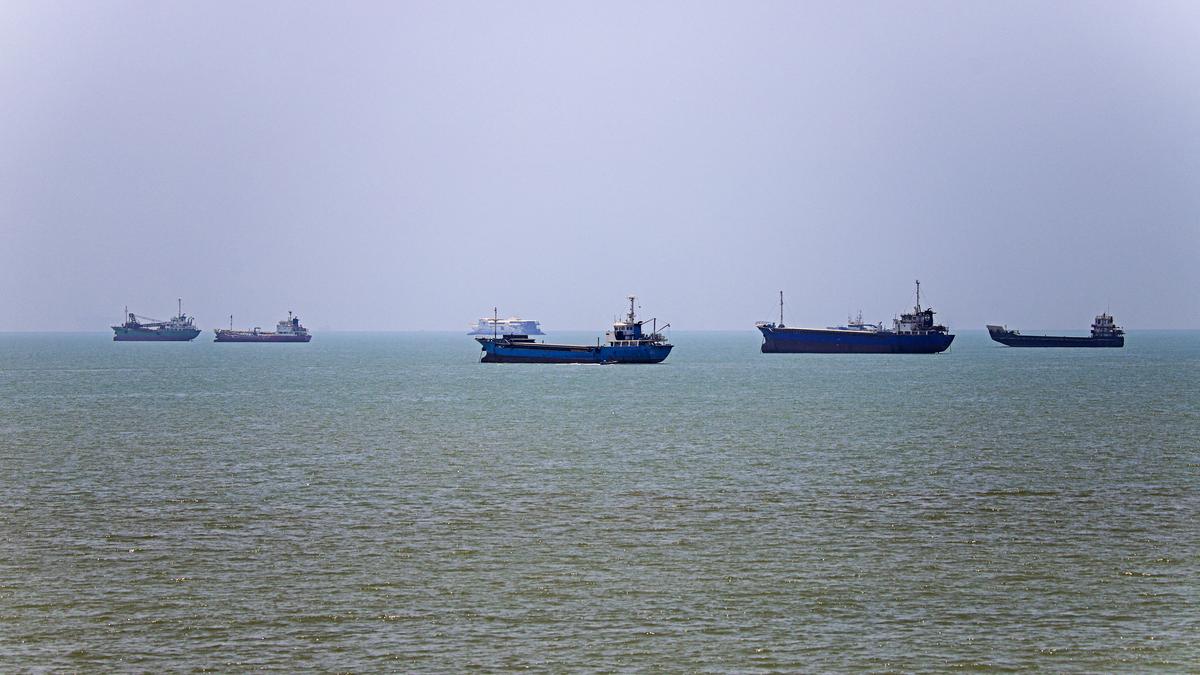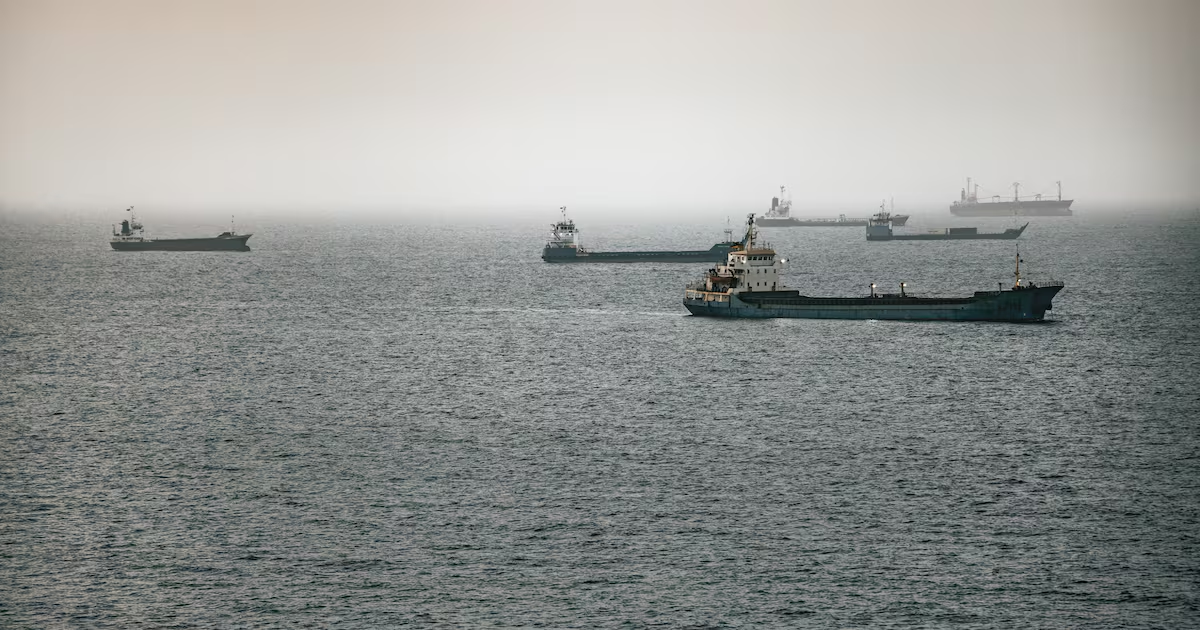
Iran secured a temporary lifeline for its oil trade just as exports hit their weakest level in five years after the US Treasury on Tuesday issued a General Licence X authorising the sale and delivery of Iranian cargoes.The 60-day waiver, which expires on August 21, allows for dollar payments to Tehran and sanctioned entities, and even paves the way for Iranian oil imports into the US for the first time in decades.Crude shipments had collapsed to 329,000 barrels per day in May, down 78 per cent from April and 85 per cent below February's 2.2 million bpd, as the US naval blockade in the Strait of Hormuz choked loadings, according to Kpler. May was the weakest month for exports since the peak of the US maximum-pressure policy in 2020.Iran's flows have since started to recover, with June running at 565,000 bpd through June 23, a 72 per cent rebound from the month before. Exports still lag far below the 1.68 million bpd Iran averaged across 2025 and a fraction of its 2017 peak of roughly 2.5 million bpd under the Iran nuclear deal. Kpler calculates the June figure as volume loaded divided by days elapsed, and the month has yet to conclude.Iran shipped roughly 22 million barrels so far in June, according to Sumit Ritolia, senior oil refining analyst at Kpler, with weekly volumes climbing from around four million to five million barrels before June 15 to about nine million in the week to June 22, before the waiver. Nearly all of the cargo was bound for China."We have not seen any buyers or anyone contacting in terms of Iranian crude, apart from China," Mr Ritolia said, pointing to the 60-day expiry as a deterrent. Refiners typically lock in cargoes 45 to 60 days ahead, leaving Indian and South Korean buyers largely committed through August. Even at the height of the war, when a 30-day window opened, India stayed away. "China would be the main buyer," Mr Ritolia said, adding that sellers are widening discounts to move the barrels.Play10:48The US has allowed Iran to sell oil freely for the first time in decades. We explainConditional reprieveThe provision allowing Iranian oil into the US, the most heavily promoted feature of the licence, is close to impossible in practice, he added. The voyage and discharge logistics do not fit inside the 60-day window, Mr Ritolia said. US refiners would only engage if they expected the waiver to roll over."The waivers are likely to remain in place only as long as negotiations continue and there is a credible sense of progress towards a broader agreement," Neil Quilliam, associate fellow at Chatham House, said.The continuation of the waiver programme is also tied to Iran's conduct in the Strait of Hormuz. Tehran is offering approved transit insurance free of charge for 60 days but has reserved the right to introduce charges later. Should Iran convert that into a transit fee, Mr Quilliam said, it would become much harder politically for Washington to justify extending the relief. "A full sanctions lift remains unlikely unless negotiations produce a comprehensive and durable agreement addressing the core issues that led to sanctions in the first place," he added.Slow output recoveryIran can probably restore a substantial portion of its lost exports over 60 days but is unlikely to reach maximum capacity, with more than 80 energy-related sites damaged during the conflict and now requiring repair and testing. "Even if technical production capacity exists, restoring market confidence takes time," Mr Quilliam said.Iran's production base and inventories can support a ramp-up, Mr Ritolia said, with refining runs around 2.3 to 2.4 million bpd, but damage to wells complicates a swift return to prior highs. "The initial part of the ramp-up is quite fast," he said, "but I will take it with a pinch of salt, because given the attacks and the startup and shutdown of the wells, I don't think it should be so easy for them.”
US waiver throws Iran oil exports a lifeline after five-year low | The National
Exports recovering from wartime collapse, but China remains only major customer
655 words~3 min read