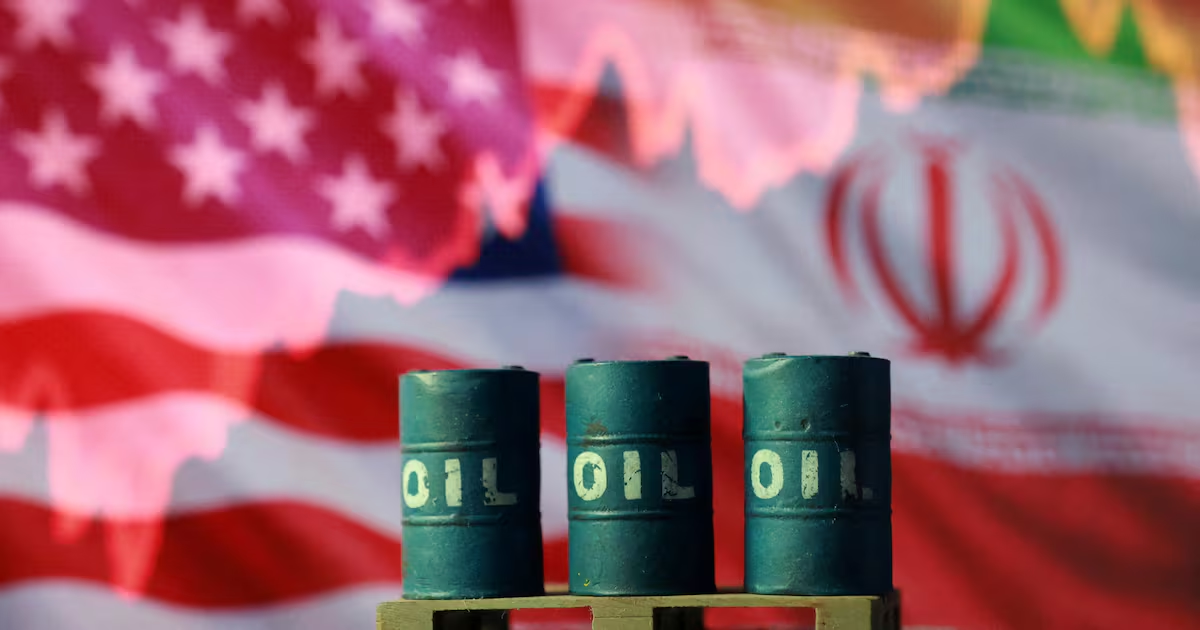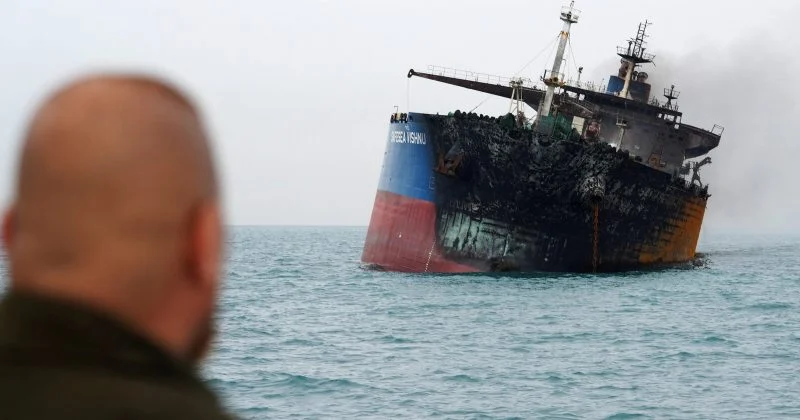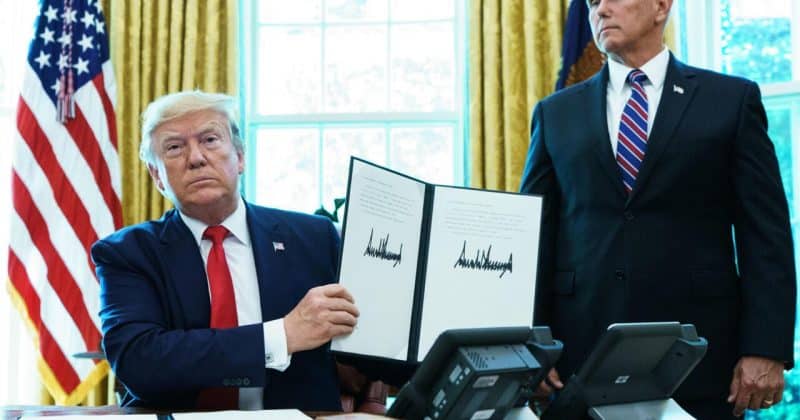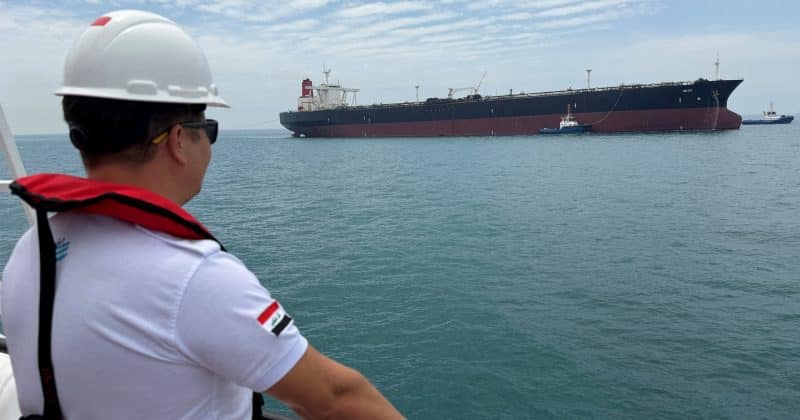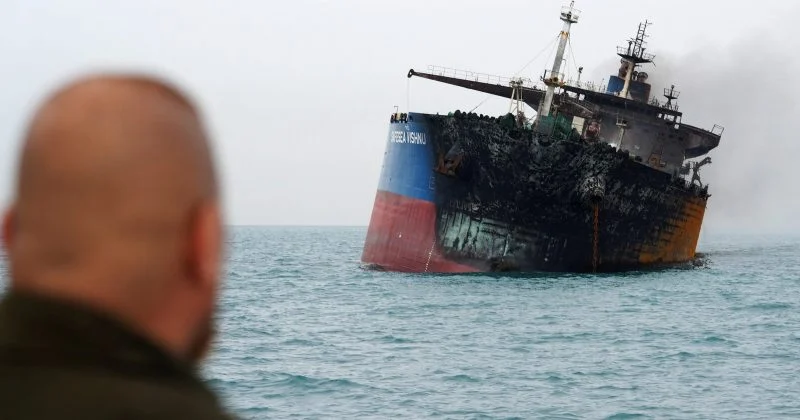
On June 22, the US Treasury’s Office of Foreign Assets Control issued what’s known as General License X, a 60-day authorization permitting the production, delivery, and sale of Iranian crude oil, petroleum products, and petrochemicals through August 21. The waiver was tied to delicate negotiations around reopening the Strait of Hormuz. But on July 7, Washington pulled the plug, citing Iranian attacks on vessels in the region, and moved the cutoff date up to July 17.
Oil prices jumped more than 5% on the news.
The shadow fleet keeps the lights on
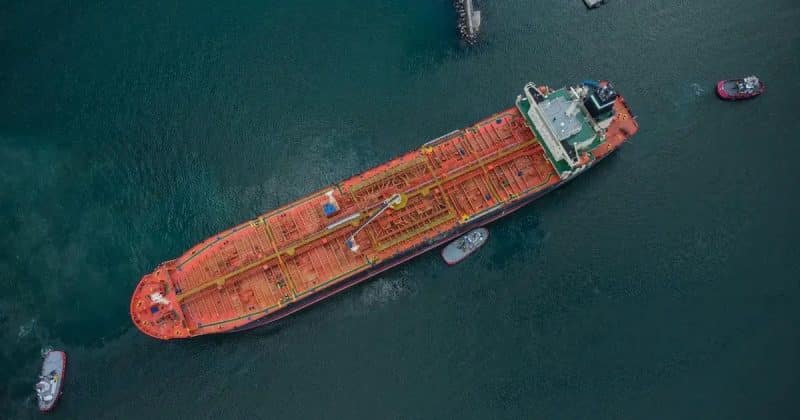
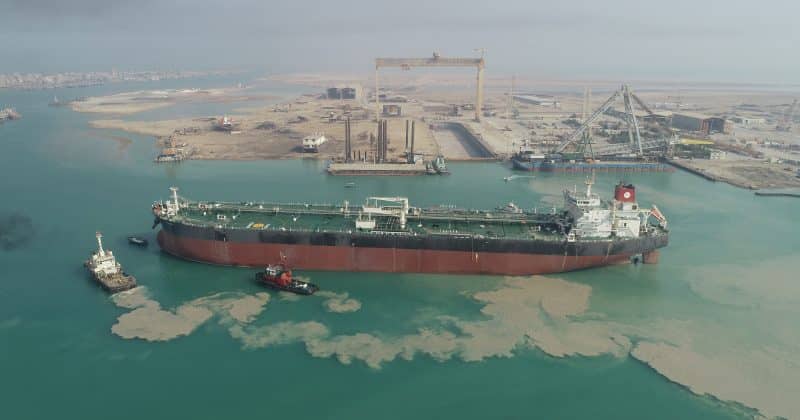
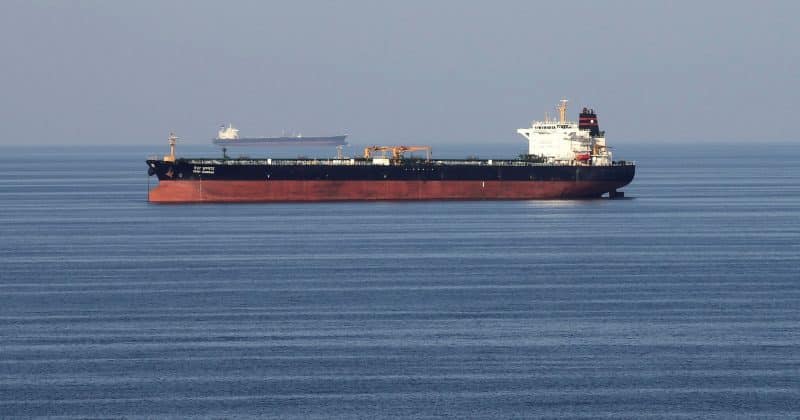
Iran has spent years building a sophisticated network of ship-to-ship transfers, falsified documentation, and what analysts call a “shadow fleet” to keep crude flowing to willing buyers. The biggest buyer, as always, is China. Iranian oil sales generate billions of dollars annually for Tehran’s economy.
Tankers flying flags of convenience, AIS transponders conveniently switched off, and cargoes blended at sea to obscure origin are all well-documented tactics.