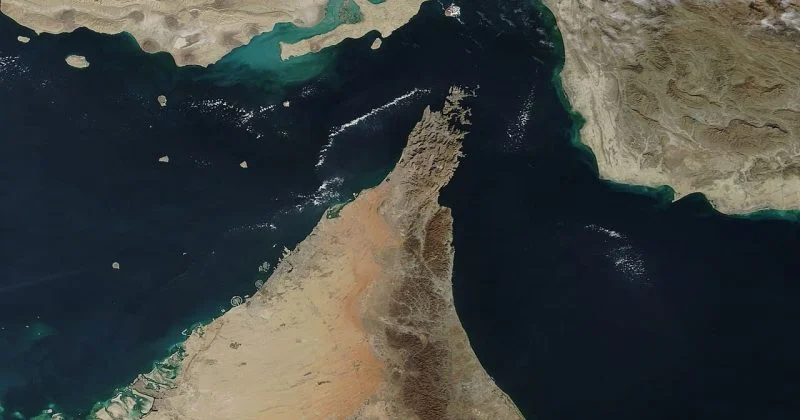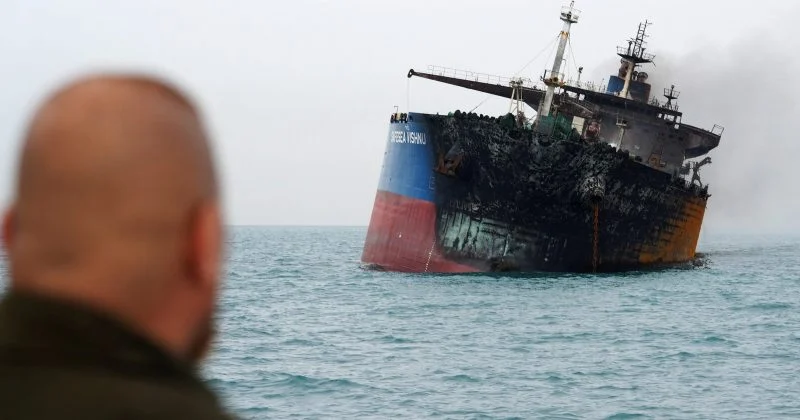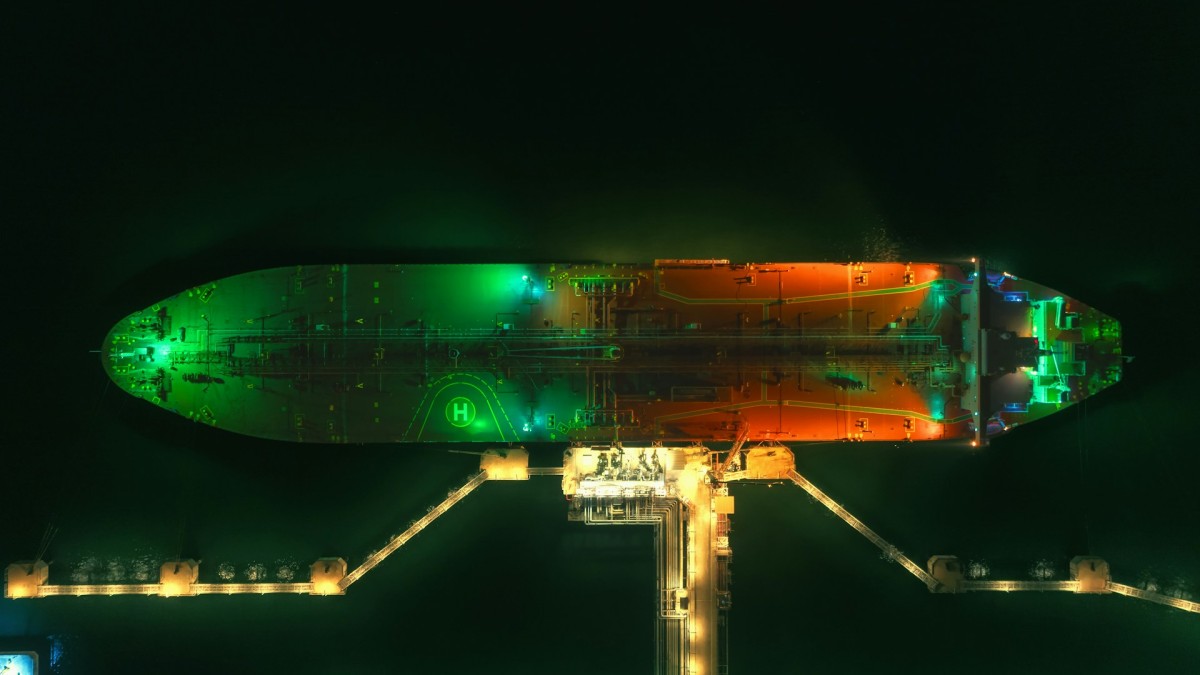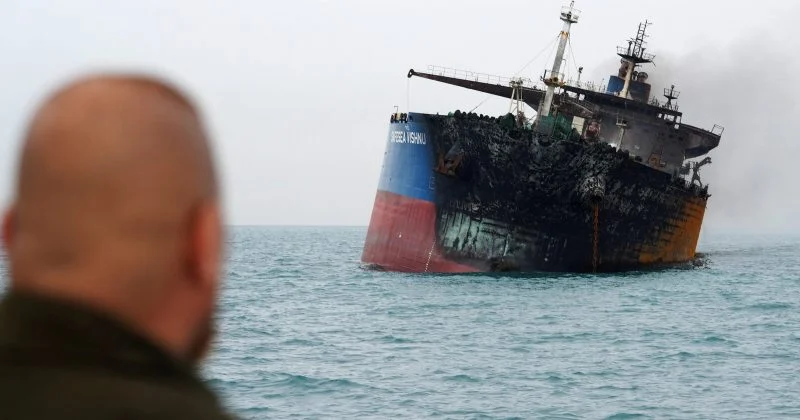
Iran has announced that its oil exports are continuing despite the recent cancellation of U.S. waivers. The waivers, which were part of a temporary arrangement, were revoked by the U.S. Treasury Department on July 7, 2026, following attacks on tankers in the Strait of Hormuz. Despite the revocation, Iran claims to have maintained its export levels, which have been improving since early 2026. This development comes amid ongoing U.S. efforts to reduce Iranian oil exports to zero as part of its “maximum pressure” strategy.
Markets appear to be factoring in the resilience of Iranian oil exports amidst geopolitical tensions, which may influence WTI crude oil pricing scenarios for July 2026. The current pricing suggests some expectation of increased volatility, potentially supporting the likelihood of higher WTI prices. Recent data reflect a rise in Iran’s crude oil production, adding complexity to the global supply outlook.
Key Takeaways
Market activity suggests that Iran’s continued oil exports are consistent with scenarios of increased geopolitical tension, potentially affecting WTI pricing.
The cancellation of U.S. waivers and subsequent Iranian export claims appear to have influenced market perceptions of supply resilience.