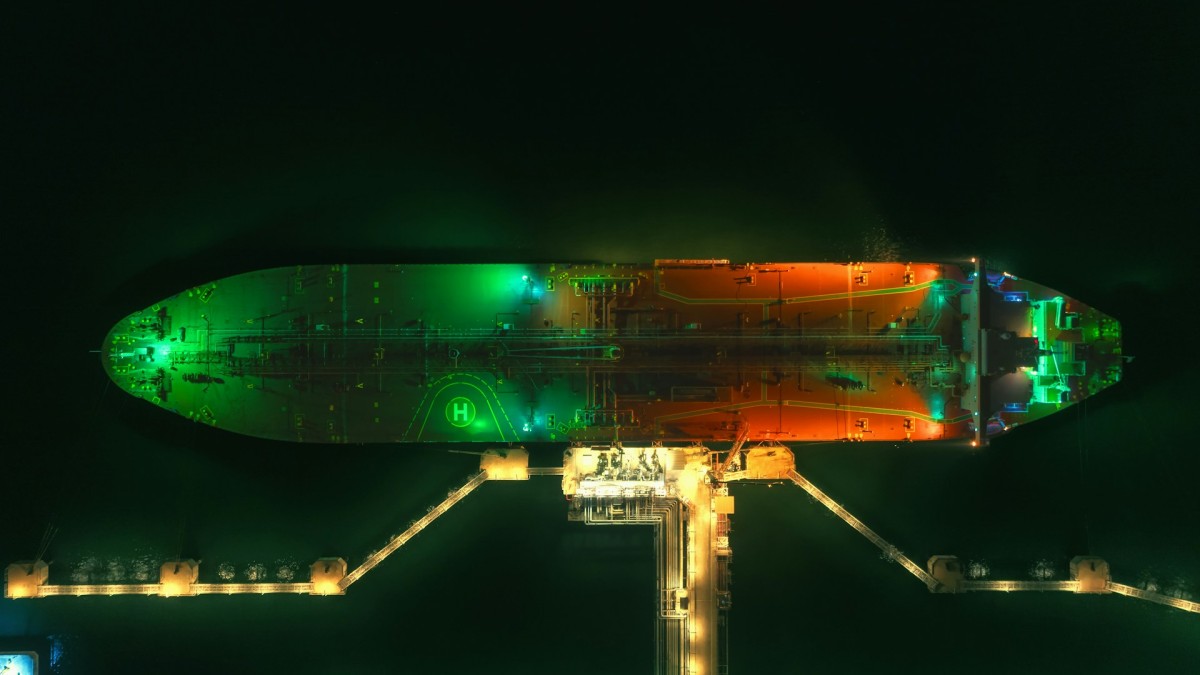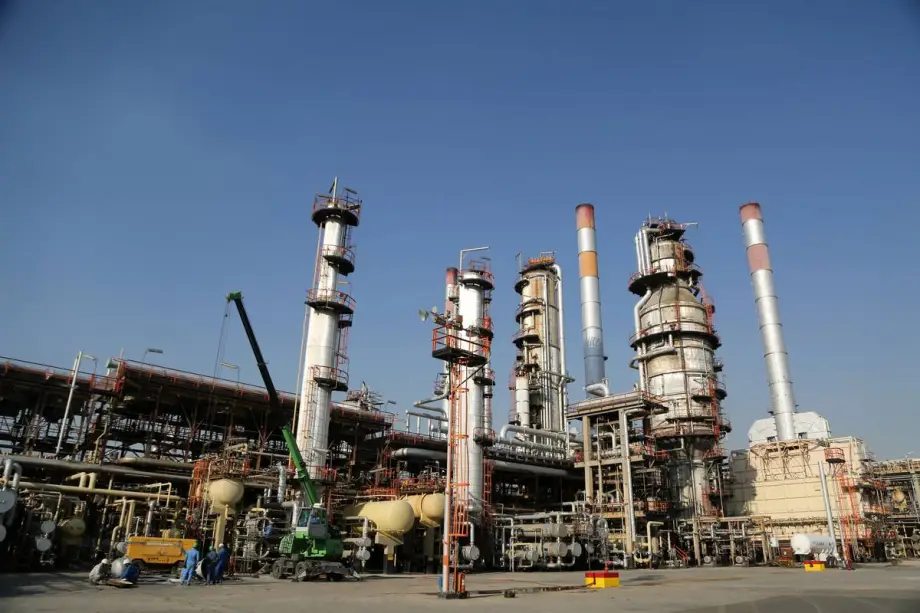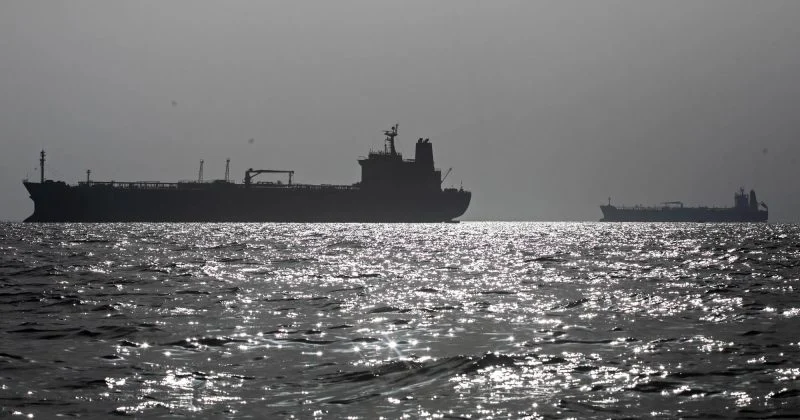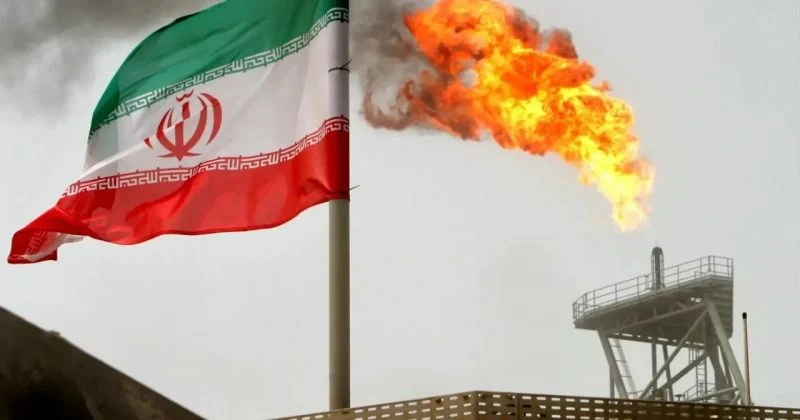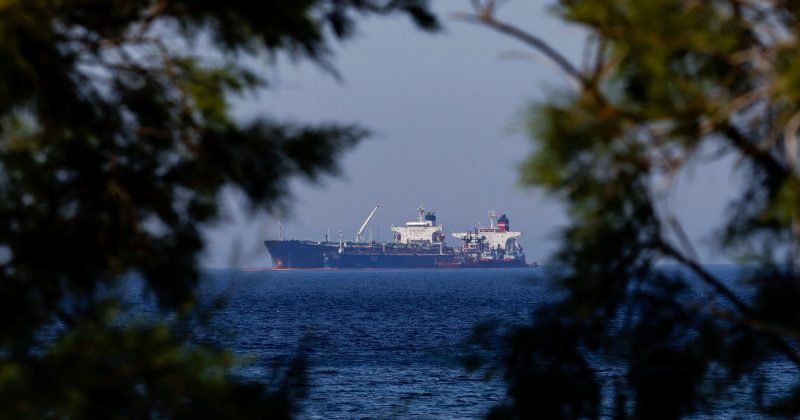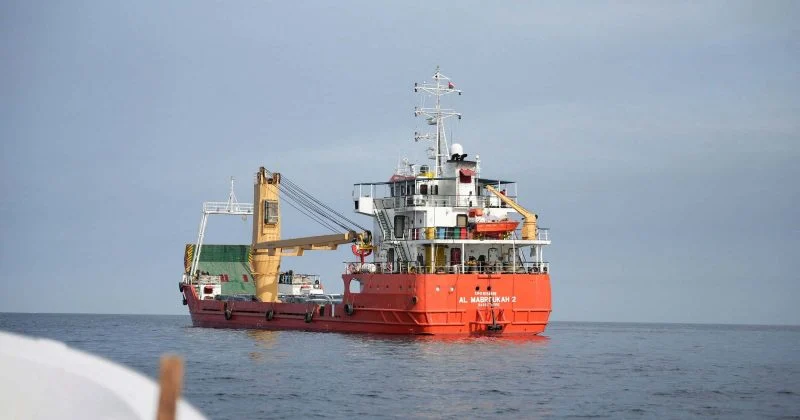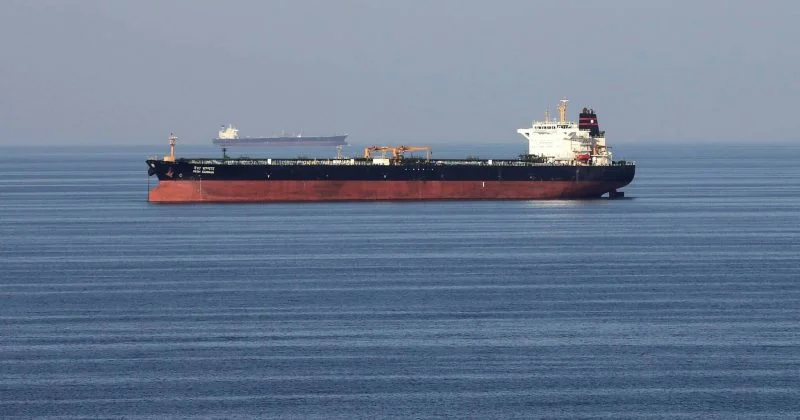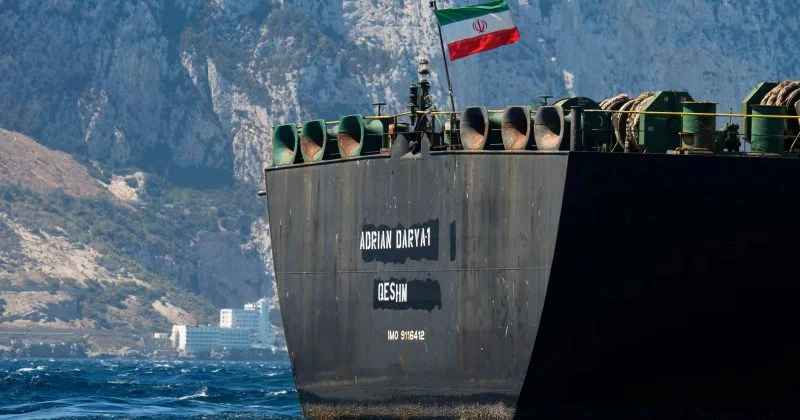
Iran managed to export over 80 million barrels of oil, valued at approximately $6 billion, in the short window between the signing of a Memorandum of Understanding (MOU) with the U.S. and the reimposition of a blockade. This rapid export activity occurred during a temporary sanctions waiver that allowed toll-free transit through the Strait of Hormuz, a key global oil chokepoint. The blockade, initially in place since February 2026, was reimposed following renewed tensions and attacks on commercial tankers by Iran. While the reported figure of 80 million barrels is debated, with some sources estimating closer to 55 million barrels, the surge highlights Iran’s urgent economic strategy to maximize revenue during the opportune period.
Key Takeaways
The export surge suggests Iran capitalized on the temporary waiver to boost revenue, indicating strategic urgency given the blockade’s economic impact.
Market pricing implies a decreased likelihood of the Strait of Hormuz normalizing by August 31, with current odds at 12.5% for YES, down from 16% a day ago.
This development appears consistent with market participants viewing continued geopolitical tension as a factor affecting normalization in the near term.