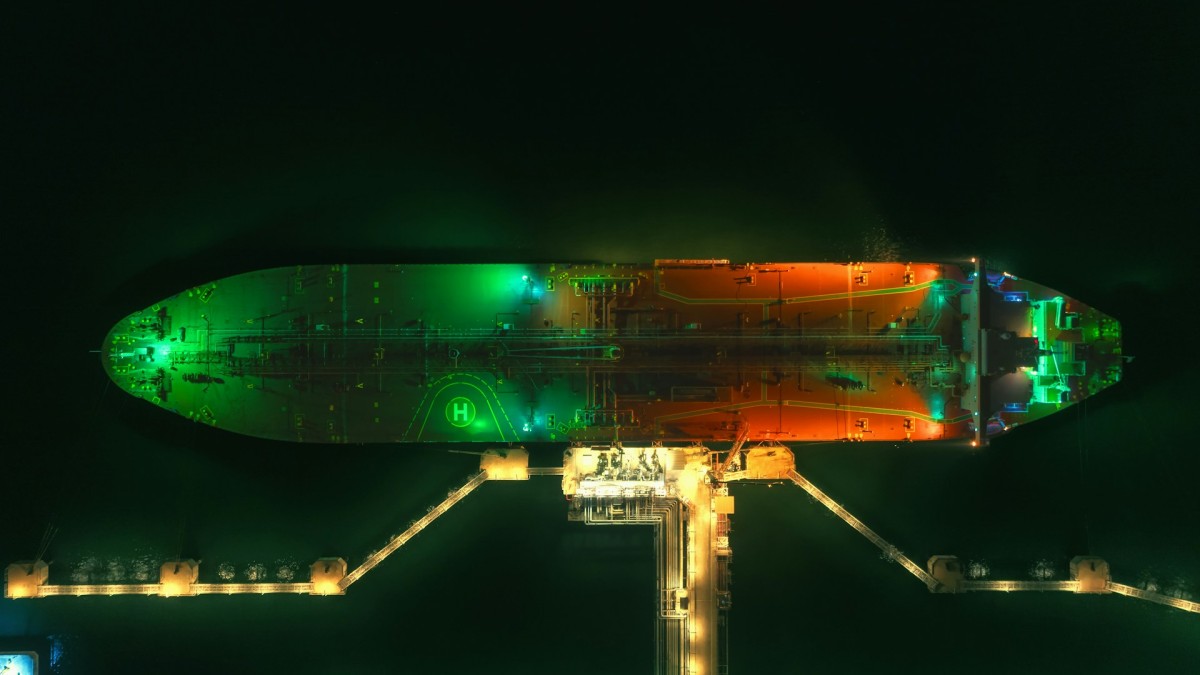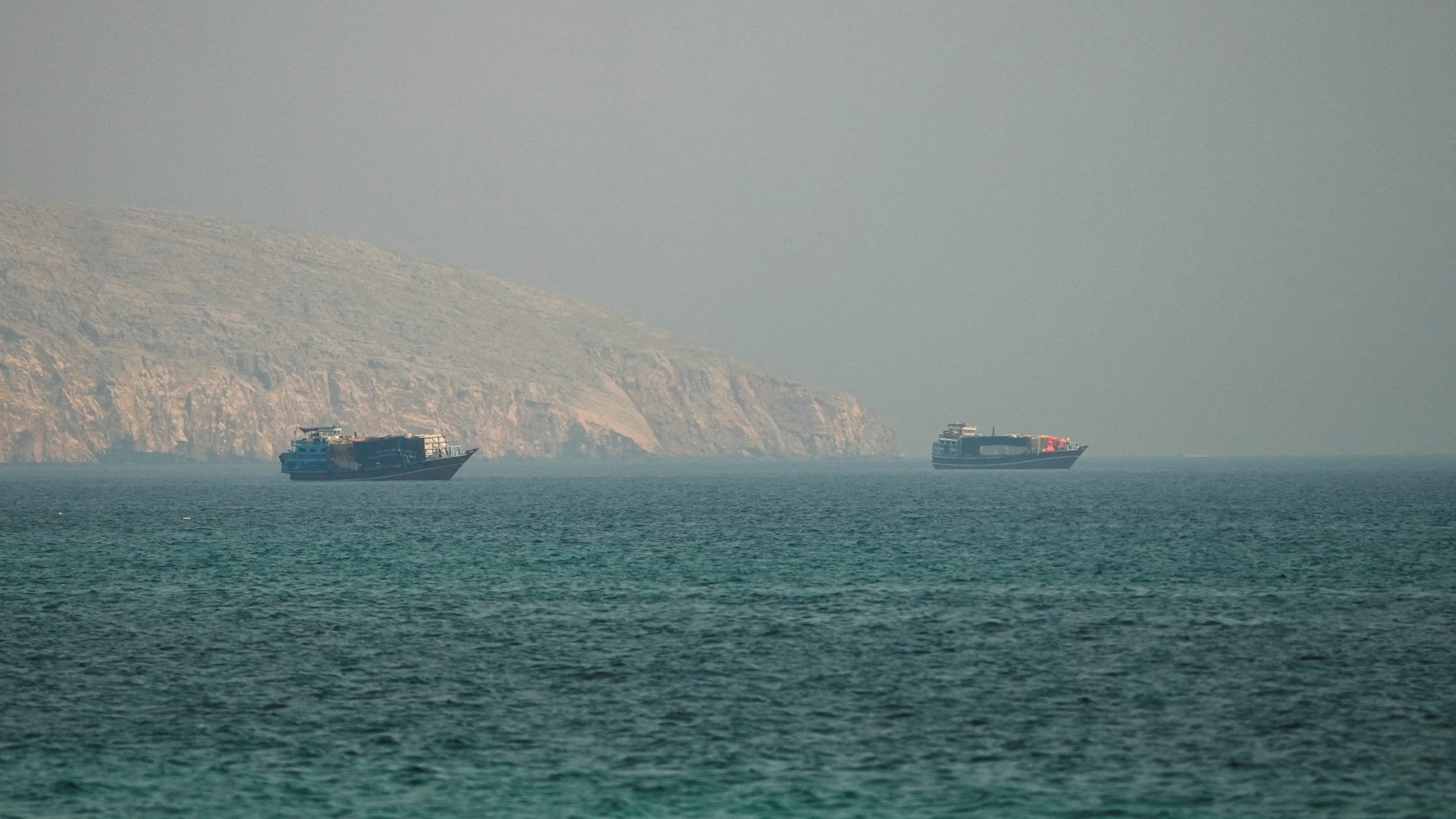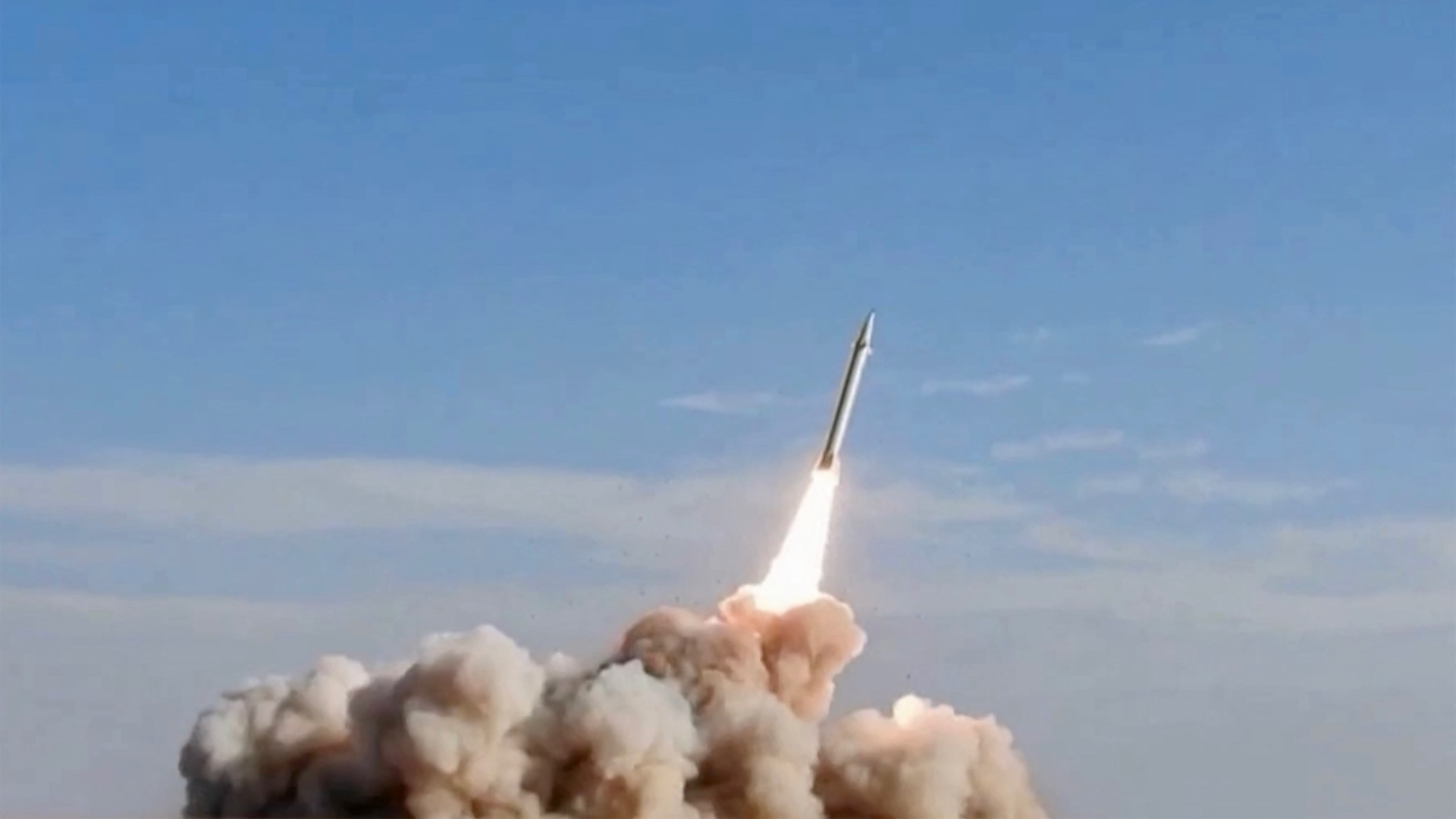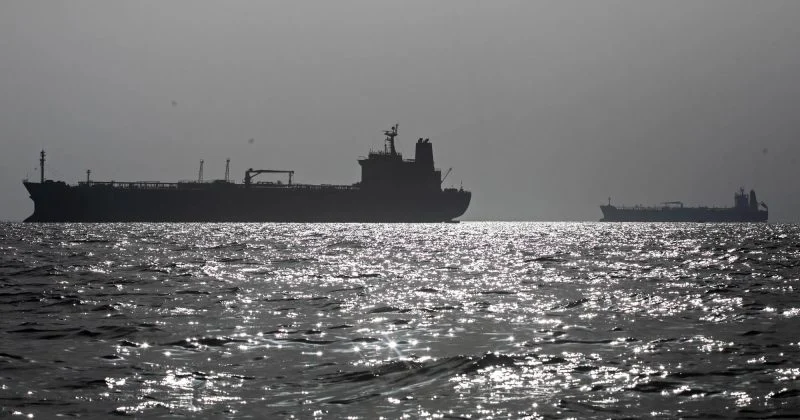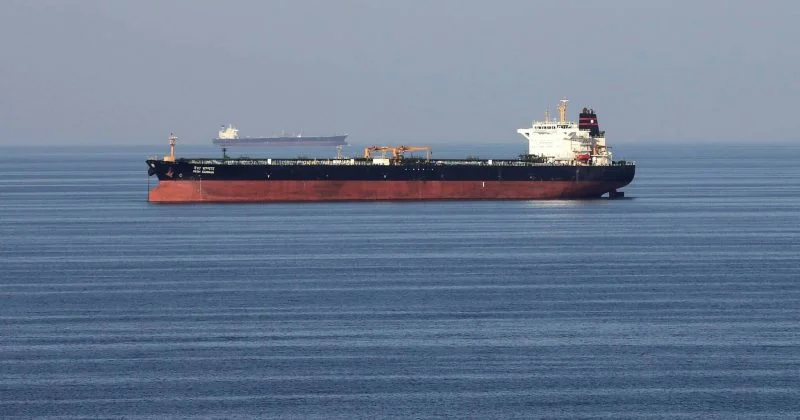
Iran successfully exported at least 57 million barrels of crude oil during a temporary suspension of U.S. naval blockades, which occurred amid ongoing tensions between the two nations. This development comes in the context of the 2026 Iran war, a conflict involving Iran, the U.S., and Israel, which has seen fluctuating control over the Strait of Hormuz—a critical oil transit route. The exports were made possible by a 60-day sanctions waiver granted by the U.S. that was revoked following renewed hostilities in early July. The reimposition of these blockades underscores the volatility in global oil markets, as any disruptions in the Strait of Hormuz can significantly impact oil supply chains.
Key Takeaways
The recent export of 57 million barrels by Iran suggests the country’s capability to resume high-volume oil exports when restrictions are lifted.
Market activity appears consistent with concerns over reduced shipping through the Strait of Hormuz, impacting expectations for shipping volumes.
Current pricing reflects increased tension and the likelihood of continued disruptions in the region, as indicated by high YES odds in blockade-related markets.