AFP, NEW YORK
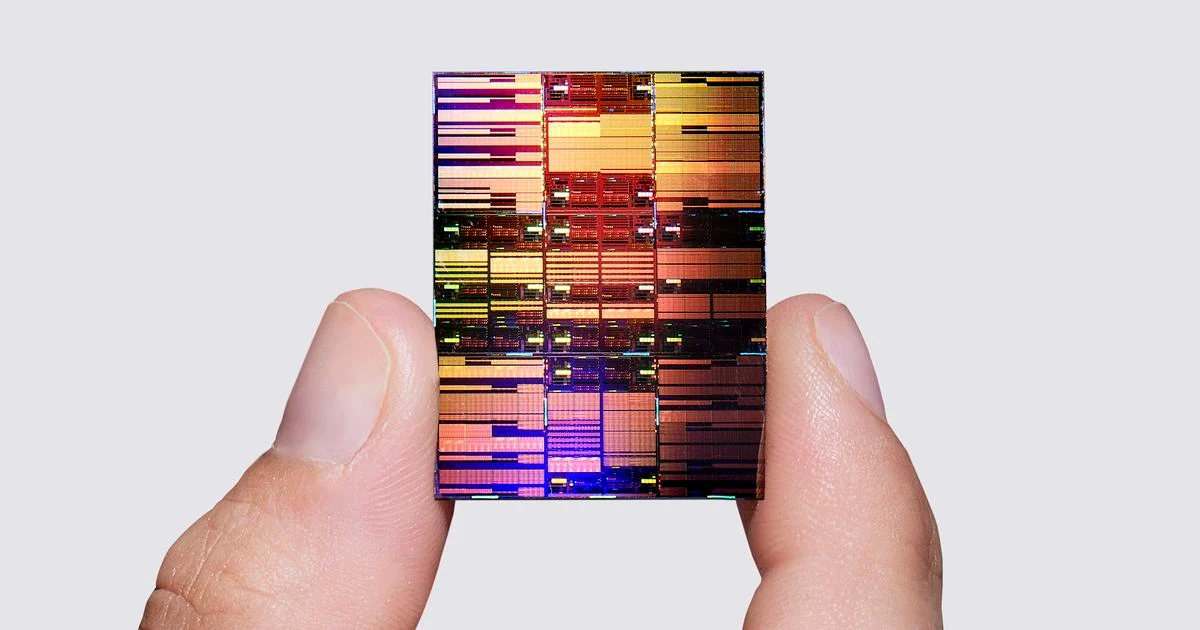
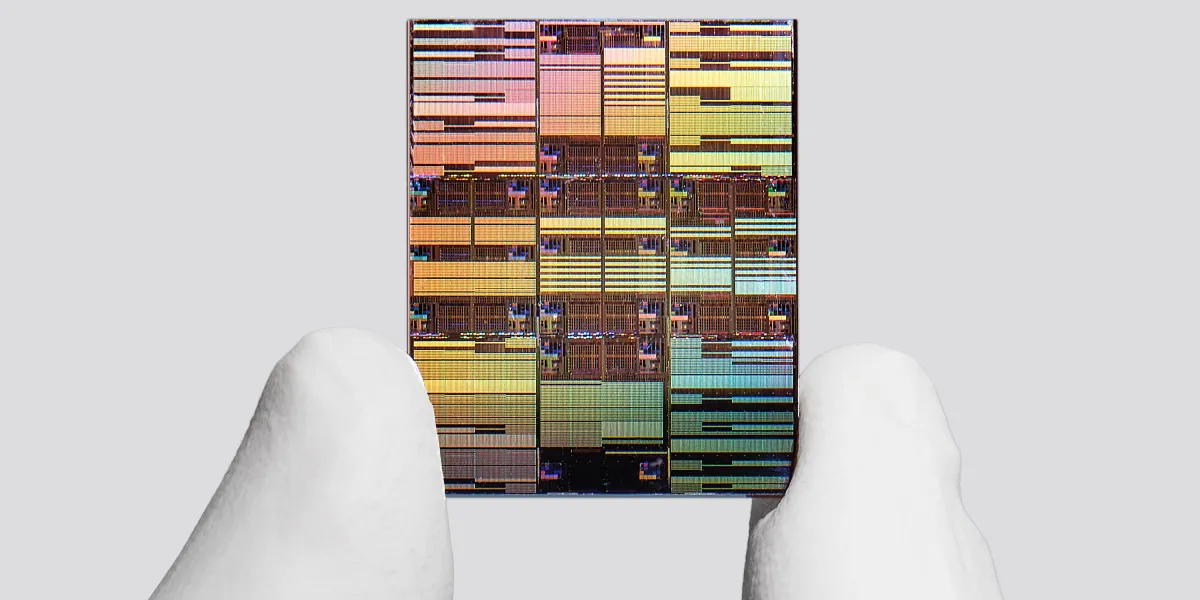
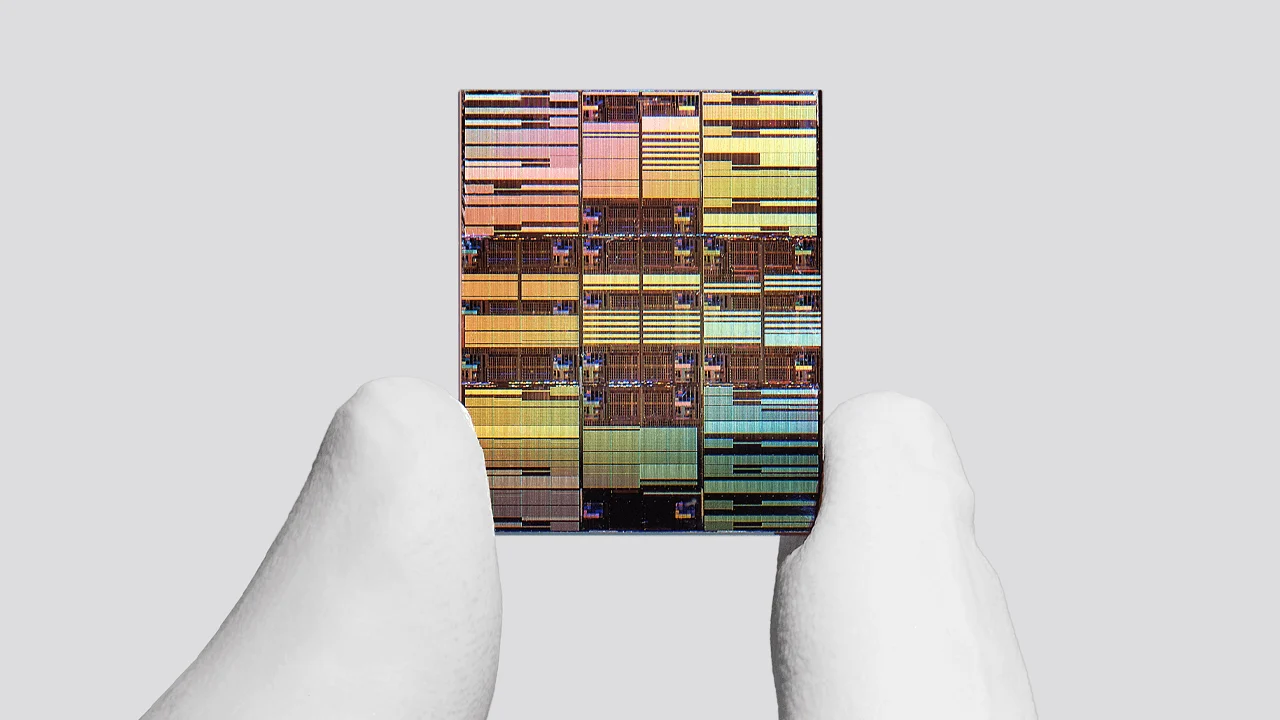
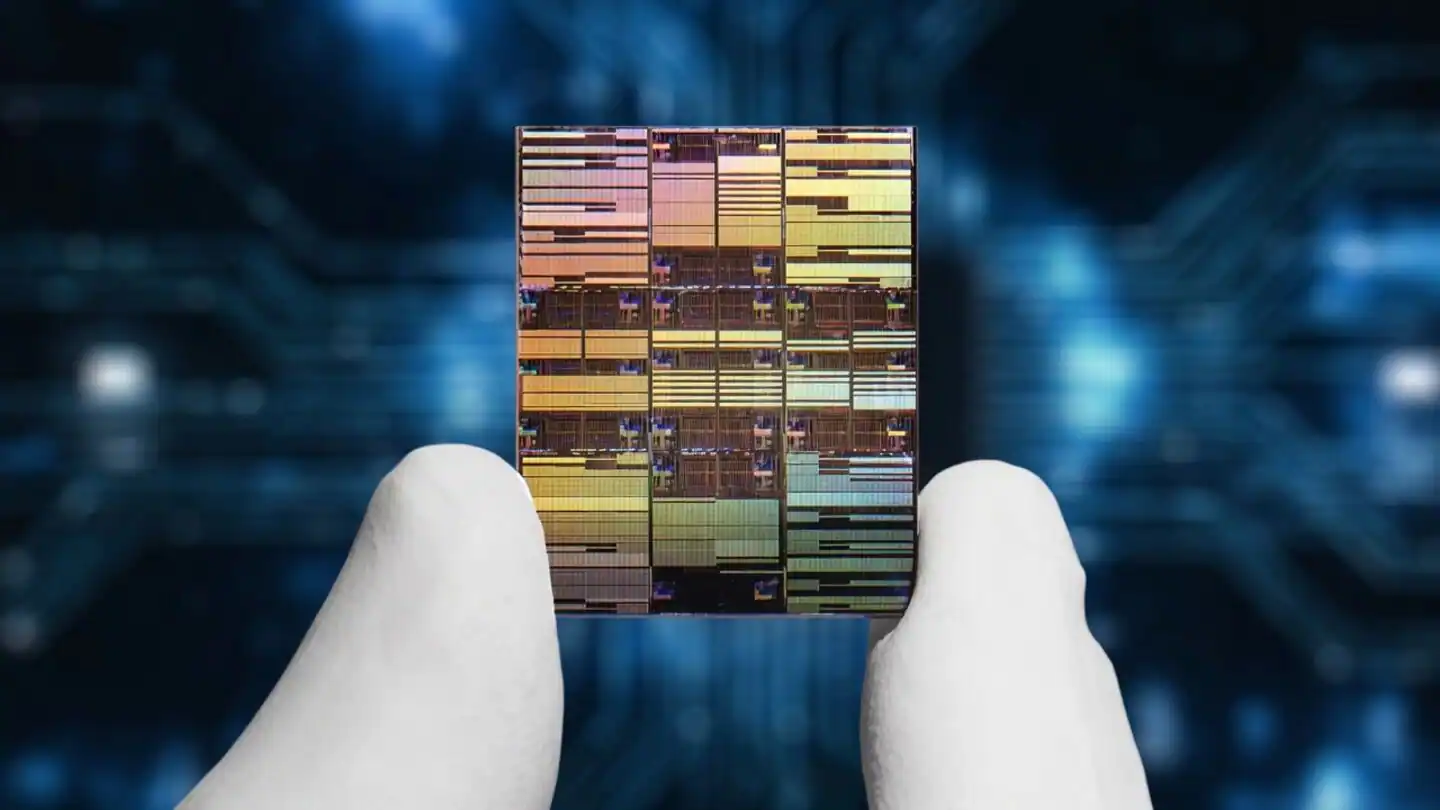
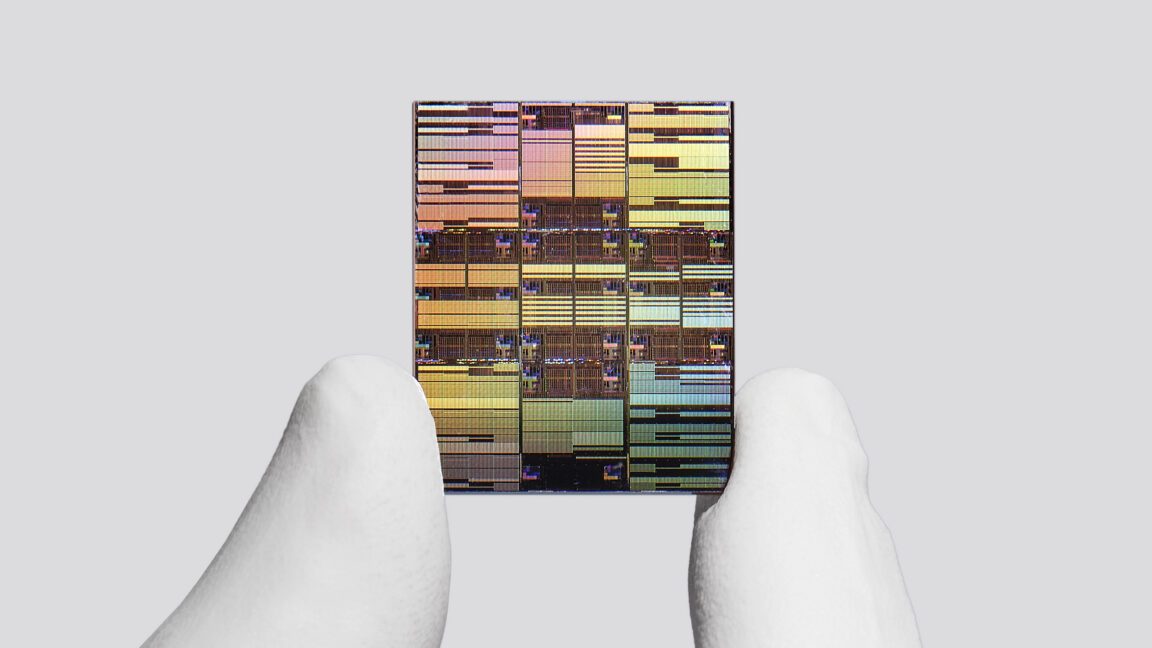
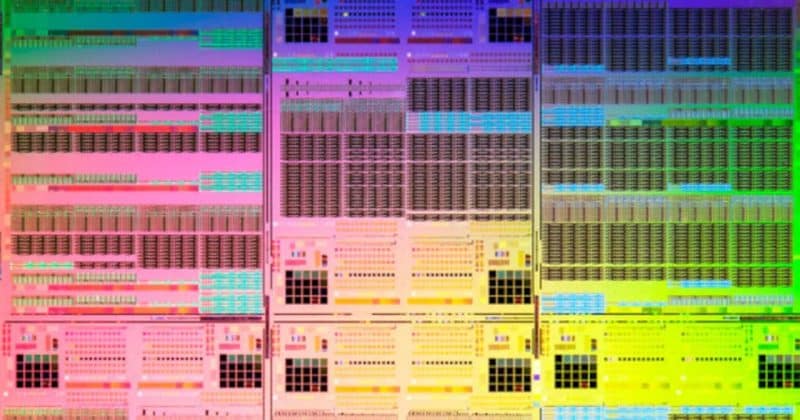
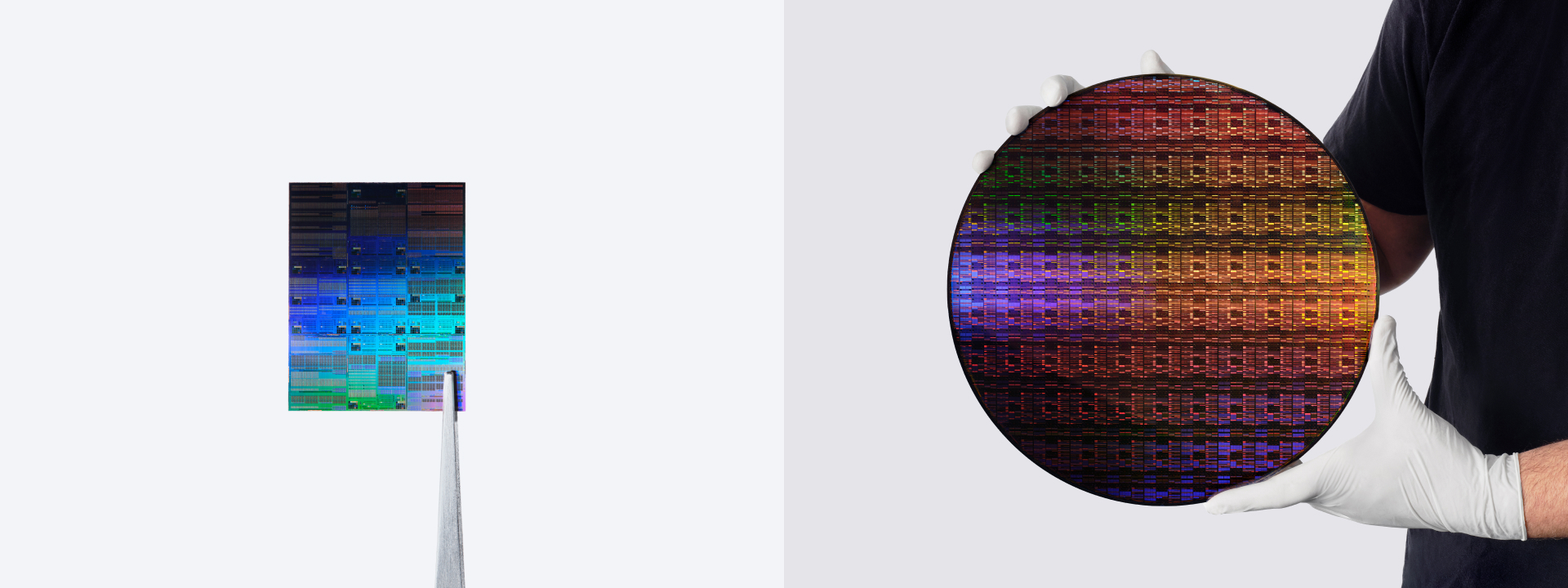
IBM Corp yesterday unveiled new semiconductor technology that the company said could deliver computer chips with 50 percent better performance while dramatically lowering power consumption.The technology developed by IBM is not yet ready for industrial use, but the Armonk, New York-based company said it “sees a path to production in as early as the next five years.”The breakthrough could mean a major leap forward as the industry races to cram more computing power into smaller devices, but as worries grow over the tech industry’s huge energy needs.
The IBM Corp logo is pictured at the Viva Technology conference dedicated to innovation and start-ups at Paris Expo Porte de Versailles in Paris on June 12 last year.
Taiwan Semiconductor Manufacturing Co (TSMC, 台積電), the world’s leading chip manufacturer, has begun mass-producing 2-nanometer chips, the cutting edge of the industry.IBM’s new 0.7-nanometer technology would represent a dramatic step beyond that. Its breakthrough packs nearly 100 billion transistors onto a chip that size — nearly twice the density of the 2-nanometer chip.
More transistors mean faster and more powerful computing and can help drive advances like faster smartphones and laptops, more efficient data centers, better self-driving vehicles, and more capable artificial intelligence (AI) tools like ChatGPT.IBM’s new chip is projected to offer “up to 50 percent more performance, or 70 percent greater energy efficiency than IBM’s 2-nanometer node chips,” the company said.This is considered a critical advantage as data centers worldwide grapple with AI’s enormous power demands, with local communities expressing increasing worry over the consequences of the facilities.IBM’s breakthrough uses a new 3D architecture called “nanostack,” which stacks transistor layers on top of each other rather than arranging them in a single layer.“IBM’s latest chip breakthrough marks a landmark moment in computing, pushing technology beyond the nanometer era to the scale of atoms,” IBM Research director Jay Gambetta said. “We’re not just making smaller transistors; we’re reinventing how chips are built to deliver dramatically more power and energy efficiency.”The technology also delivers a 40 percent improvement in SRAM chips — “something that we haven’t seen in decades,” IBM vice president of global semiconductor research and development Bu Huiming said.SRAM chips act like a processor’s short-term memory and are a critical component in electronic devices from gaming consoles to laptops.IBM’s technology is not ready for mass production yet, with the company expecting to reach the manufacturing stage within five years.Producing such chips is a highly complex process requiring advanced manufacturing equipment, deep technical expertise and billions of dollars in investment.IBM does not manufacture chips itself, instead licensing its designs to companies such as Japan’s Rapidus Corp, with which it is working to scale 2-nanometer production.TSMC is currently developing 1.4-nanometer chip technology targeted for mass production in about 2028.