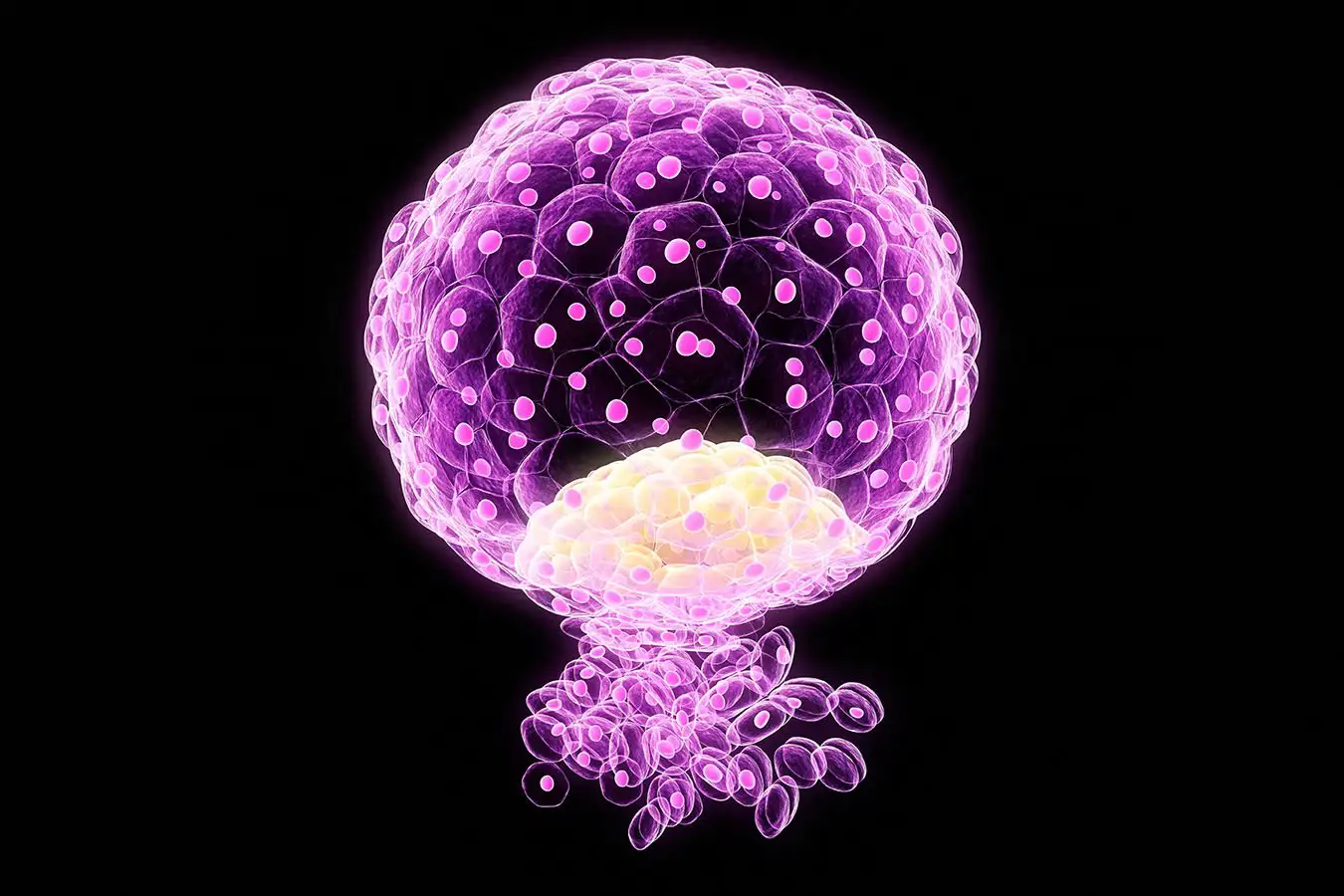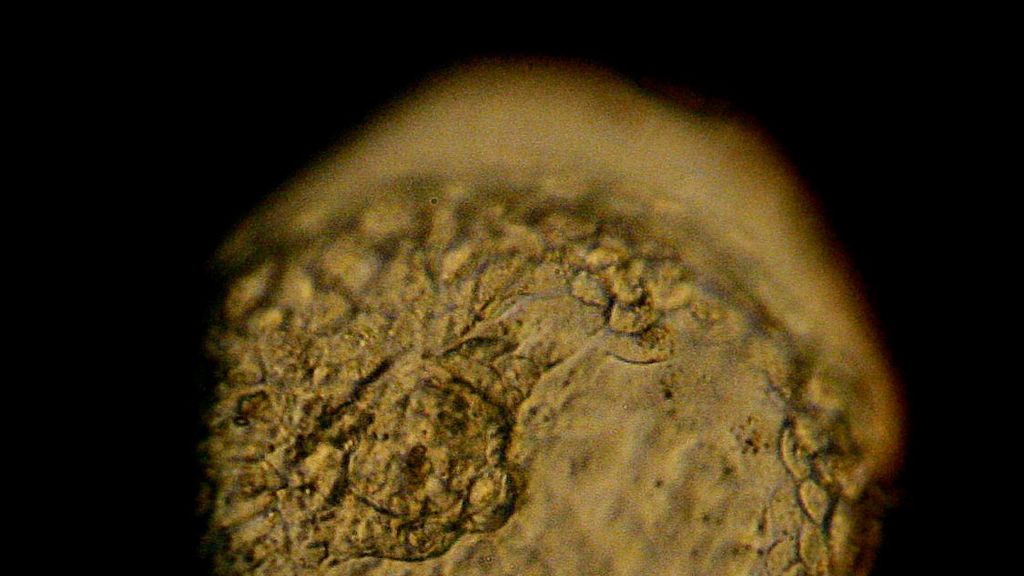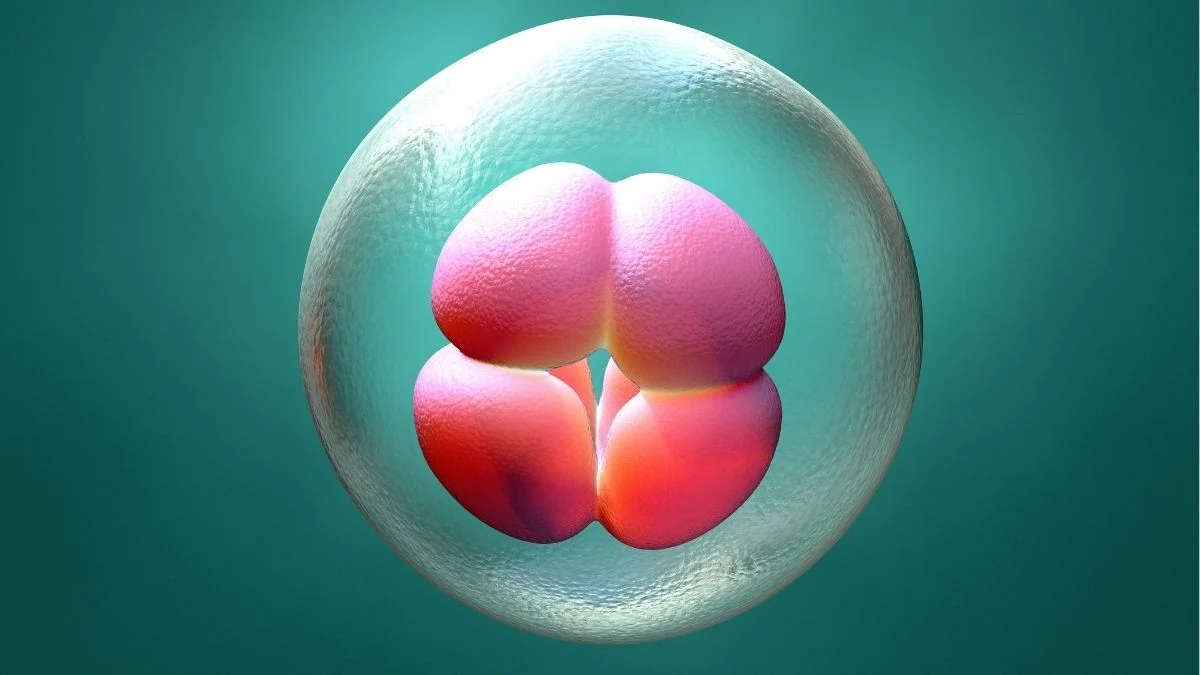
Illustration of an embryo in the early stages of development. (Design Cells/iStock/Getty Images)
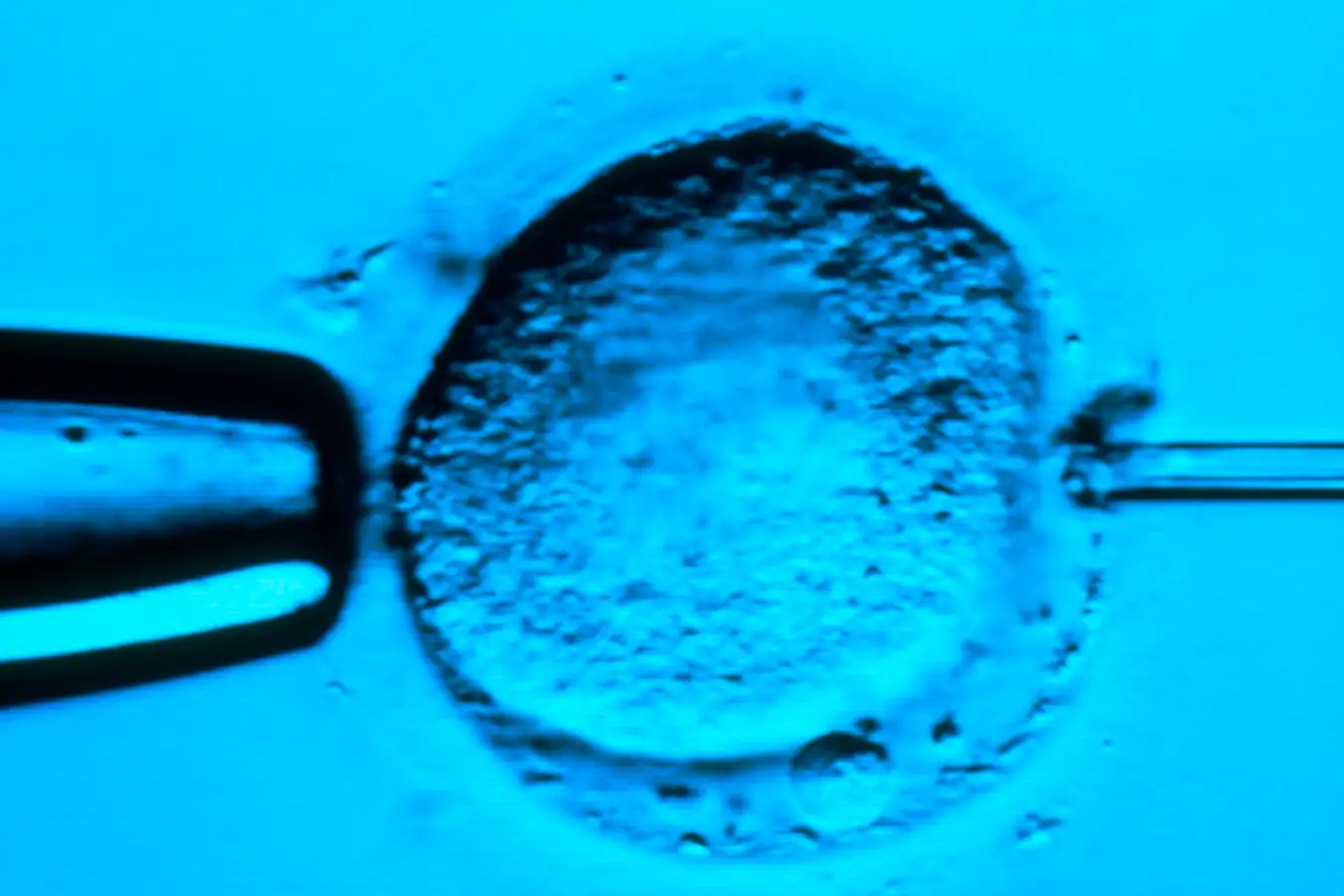
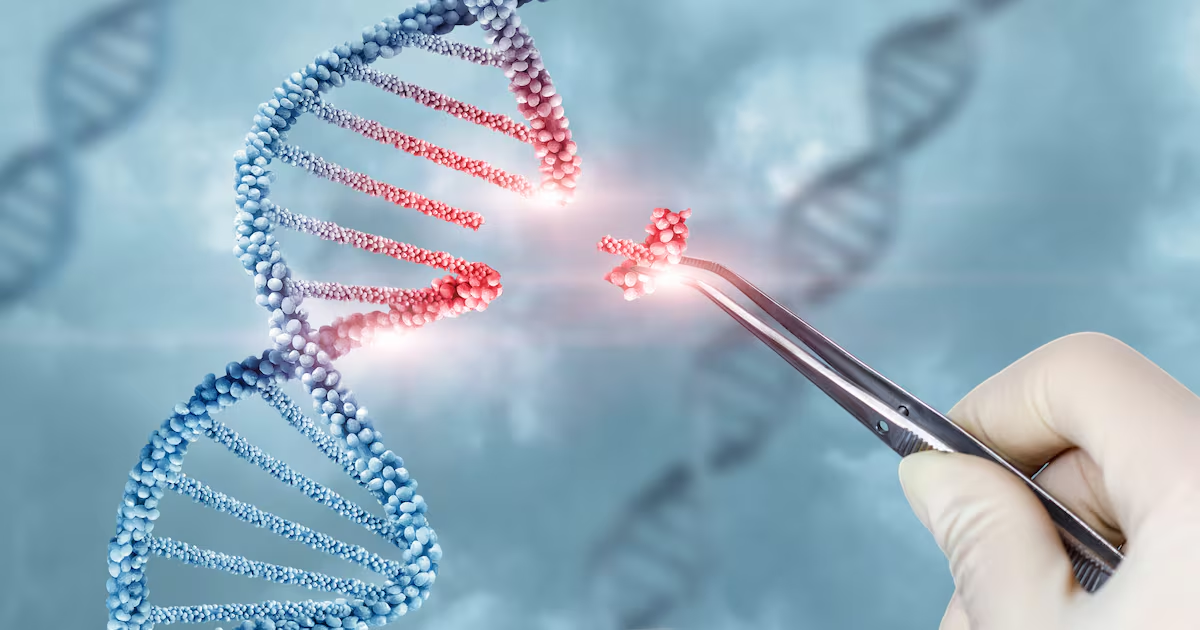
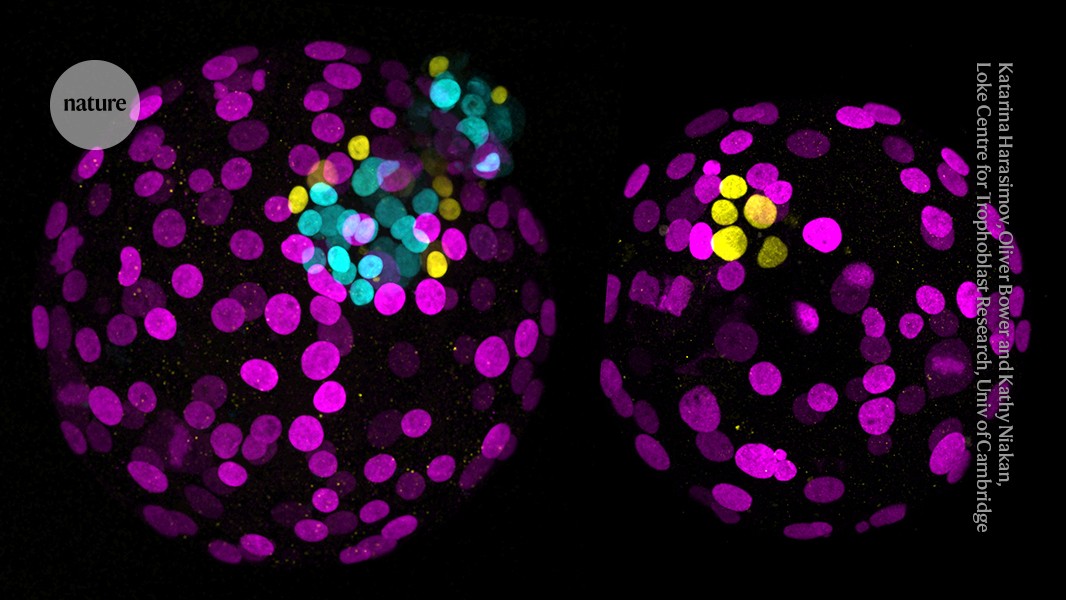
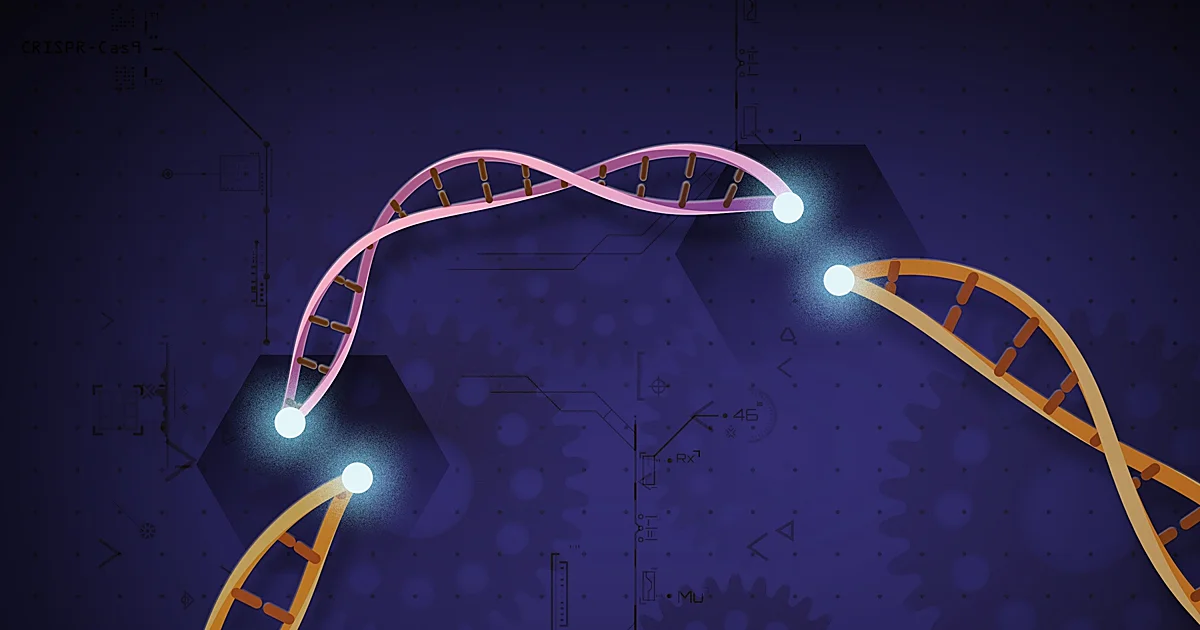
The first moments of life are a delicate yet busy time, when one cell becomes two, then four, and a flurry of genetic cues starts orchestrating their growth.Within this process, a gene called NANOG is essential for the early development of embryos. We already knew that was true of mice – but now, we can really say the same goes for humans.In those earlier mouse experiments, researchers found NANOG was key to the development of the very first cells that go on to form the embryo. It's also involved in producing the yolk sac, which is essential to supporting those initial cells as they gradually start building a whole new animal.The protein that NANOG codes for – it's called NANOG, no italics – is a transcription factor.Its job (in mice, humans, and other mammals) is to regulate which bits of DNA get translated into proteins, sort of like a supply manager in the cell.It can turn certain genes on or off, depending on the circumstances, to make sure the right amounts of proteins are being produced at the right time.While mice and people share many anatomical traits, there are obviously a lot of differences between us. So while mouse studies can hint at what might be going on in the human body, we don't ever know if it's the same until we actually test it.And that's often a tricky gap to bridge, because there's a reason we use mouse cells: there are far more ethical limitations on research in human bodies, embryos, and cells, than there are on mice.Now, with a carefully designed study on real human embryos, an international team of researchers, led by developmental biologist Kathy Niakan from the University of Cambridge, has confirmed that NANOG does indeed play an essential role in human embryo development – but not in the same way it does in mice.One of the best ways to see how a certain gene works, and what effect it has, is by switching it off.And that's what researchers usually do to explore gene mechanisms in animal models, such as mice: they 'knock out' a specific gene, using genome-editing techniques such as CRISPR/Cas9, which uses enzymes to 'cut' and 'paste' snippets of DNA.But these knockout methods can sometimes lead to off-target DNA changes and genome rearrangements, so Niakan and colleagues took a different approach: base editing.