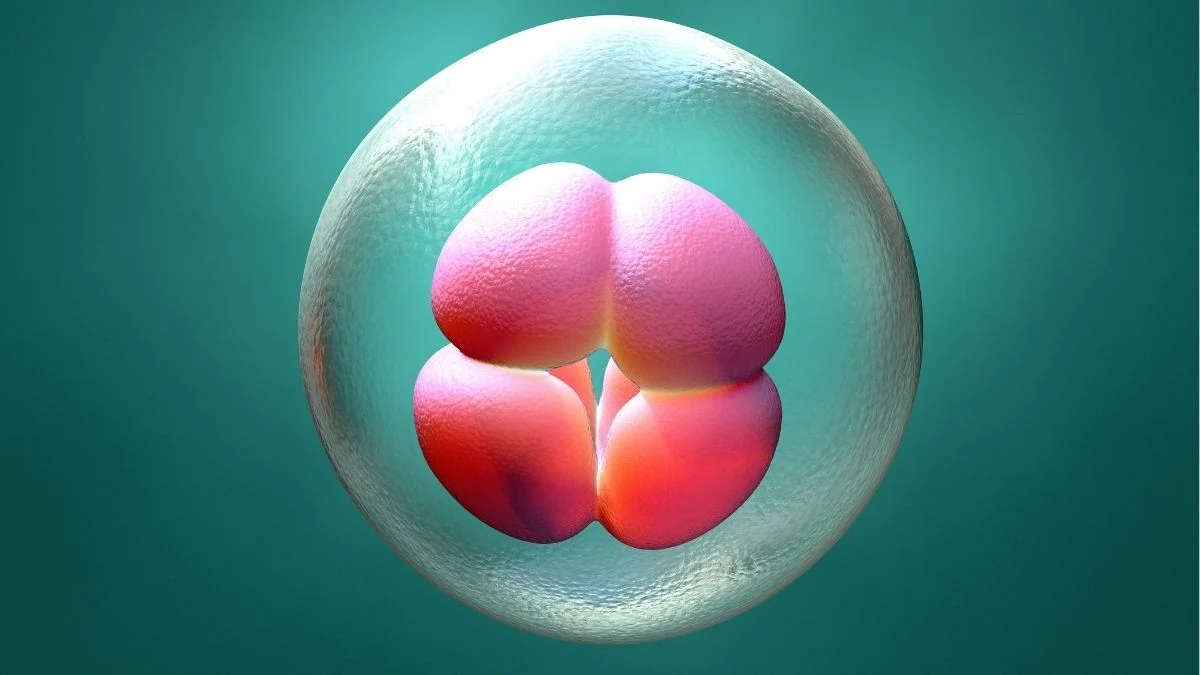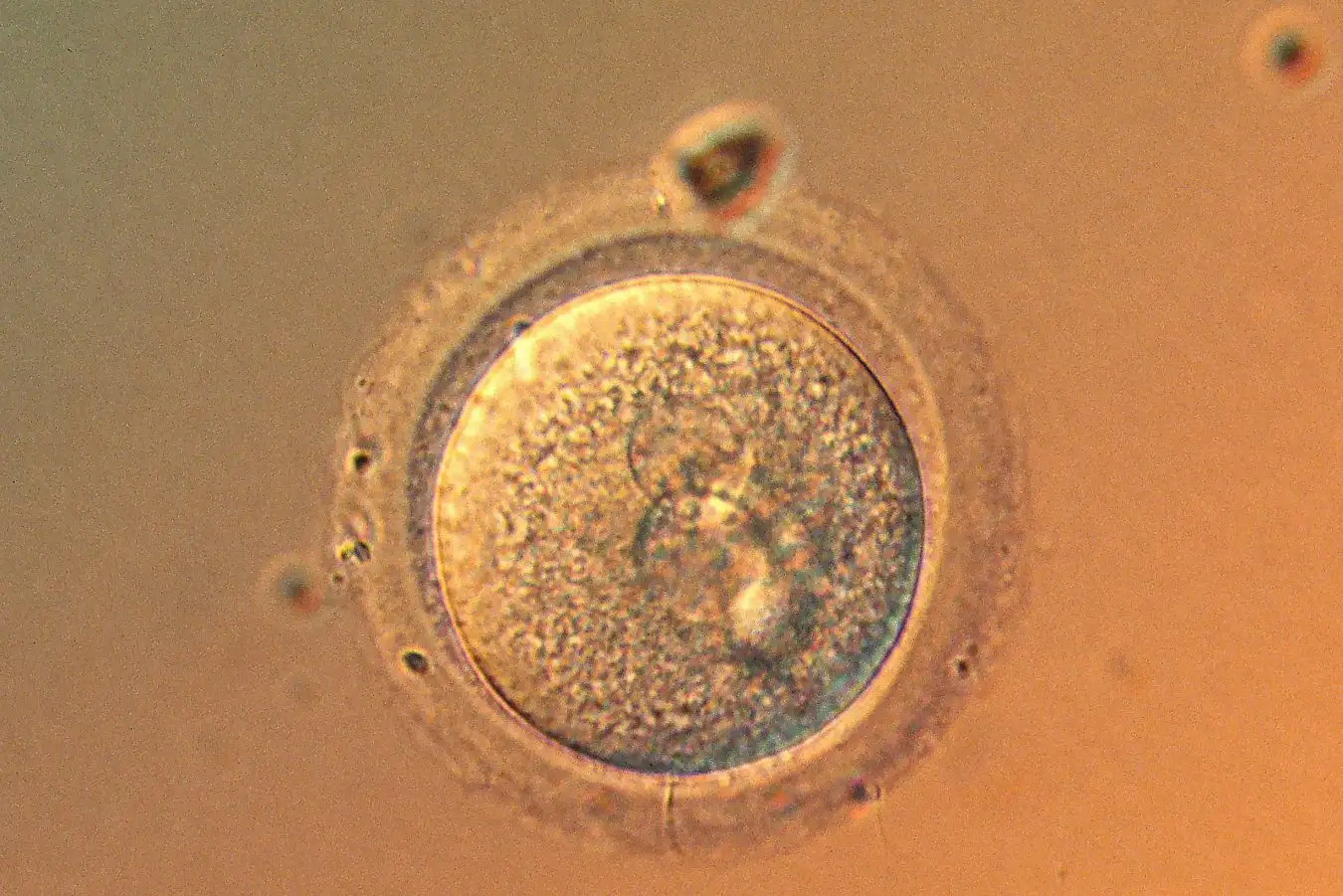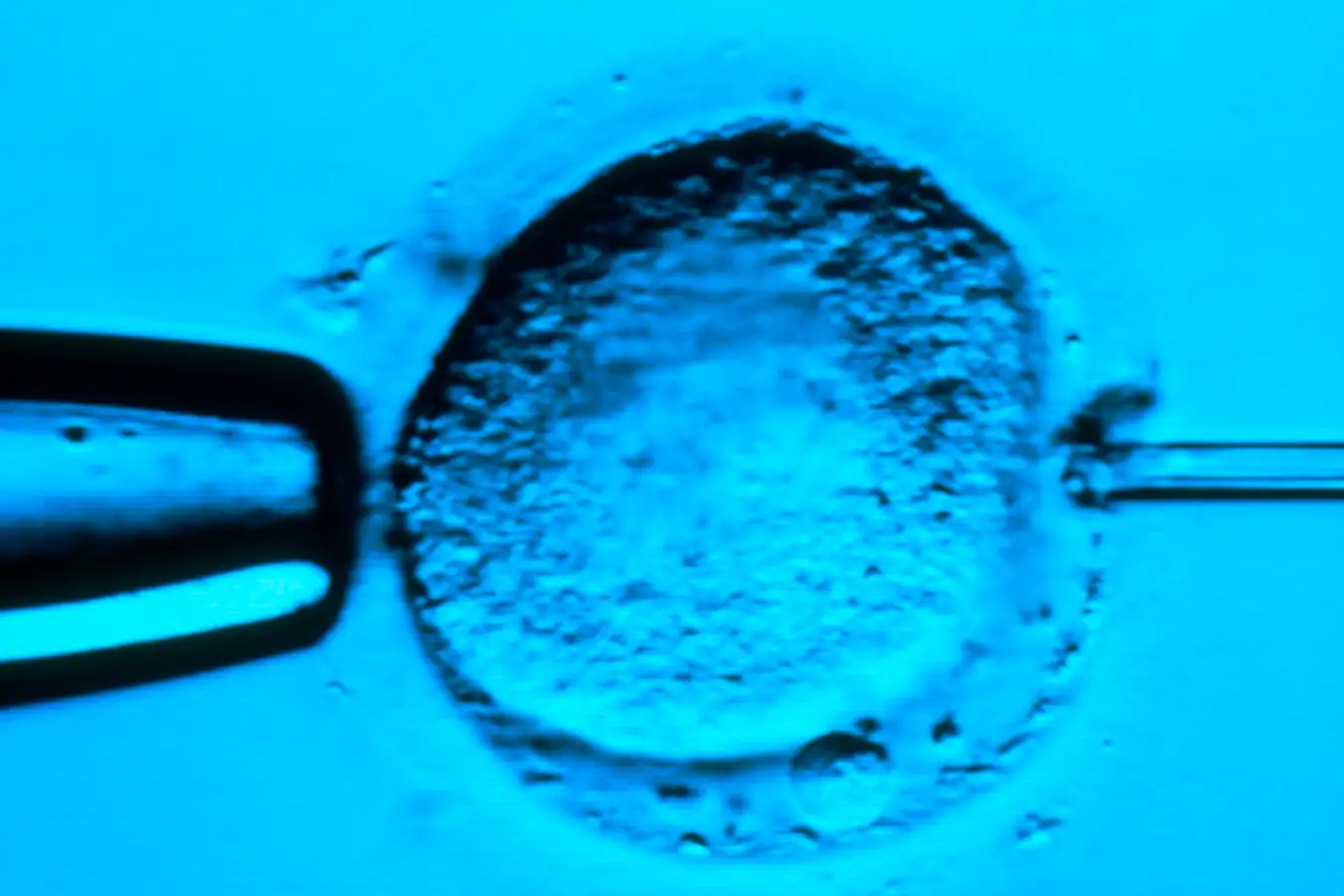
Understanding embryonic development could improve IVF successPHILIPPE PLAILLY/SCIENCE PHOTO LIBRARY
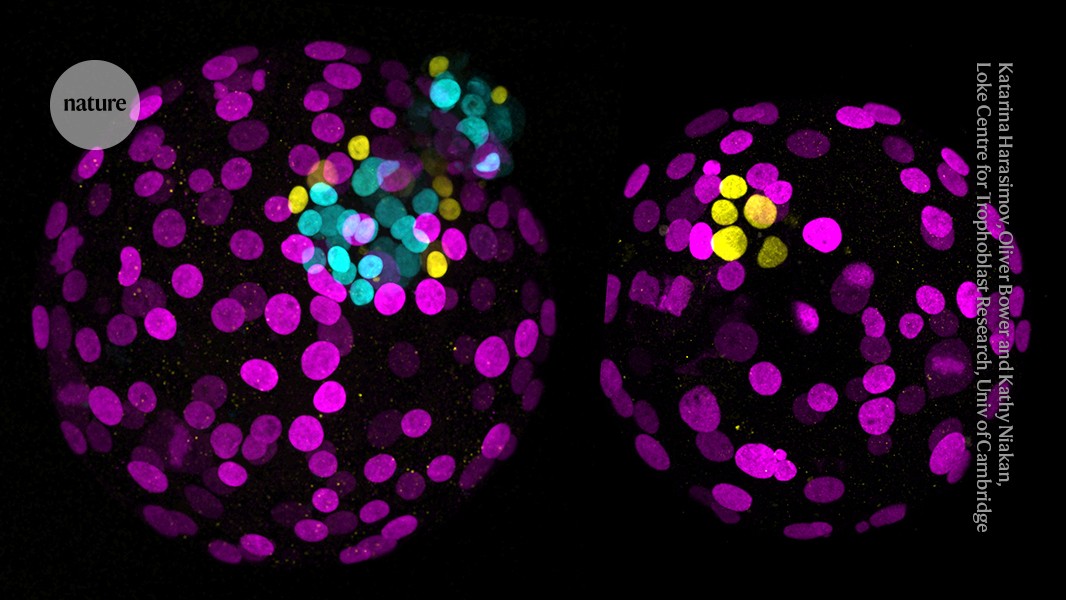
We now know the master gene that controls embryonic development in people. Called NANOG, its role has been identified by making precise changes to the DNA of fertilised eggs using a technique called CRISPR base editing.
The discovery might lead to ways to boost the success rate of IVF, among other conditions. “The other reason we study these early stages of human development is that it has really profound importance for stem cell biology,” says Kathy Niakan at the University of Cambridge. “A better understanding will help stem cell research and regenerative medicine, and that could have a transformative impact that can affect all of our lives.”
It’s long been known from animal studies that NANOG plays a role in embryonic development. The gene was named after the Celtic world of the ever-young, Tír na nÓg, because its activation is what makes stem cells immortal. Crucially, though, the team’s work shows that NANOG has a different role in people than in other animals, such as mice.
When a fertilised egg starts developing, the cells take on one of three different roles – forming the placenta, the yolk sac, which is also in mammalian embryos, or the embryo itself. When the team used base editing to disable NANOG in fertilised mouse eggs, none of the resulting cells developed into yolk sac progenitors. Base editing is a modified form of CRISPR that changes a single DNA letter at a time. By contrast, the original form of CRISPR slices through DNA strands, resulting in various kinds of mutations. “The precision of the technique reduces the likelihood of unintended chromosomal abnormalities, which can occur with the original version,” says Niakan.